Last updated November 18, 2026
Free written scope consultation - allowances, timeline, and change-order rules on paper before a single trade is scheduled
DIY vs Professional Windows & Doors: What’s Safe to Do Yourself
Here’s the part most homeowners don’t hear until it’s too late: in California, you can legally install your own windows without holding a contractor’s license. What you can’t skip is the permit. And a full-frame window replacement done without one has a way of showing up at the worst possible moment – usually during a home sale, when an inspector asks for the final sign-off and there isn’t one. That can mean removing finished windows and installing them again to make it right. We’ve watched Santa Rosa homeowners face exactly that reckoning. This guide sorts the truly do-it-yourself work from the jobs that quietly void a warranty or fail inspection, so you know where the line sits before you pick up a pry bar.
Quick Answer
Swapping weatherstripping, door hardware, interior casing, and fresh caulk is genuinely DIY-safe for a careful homeowner. Full-frame window and exterior door replacement is not. In California, full-frame replacement needs a permit, a Title 24 compliance check, and correct flashing integration – three things a DIY installation usually gets wrong, and three things that can void the manufacturer’s warranty. Insert (pocket) replacements sit in the middle, but even those need the right sizing and a licensed contractor for the warranty to hold.
Styles & brands we work with
- Kitchen remodeling
- Bathroom remodeling
- Home additions & ADU
- Roofing
- Windows & doors
- Driveway & pavers
- Fence
Table of Contents
- What California Law Actually Requires
- Insert vs. Full-Frame: The Difference That Changes Everything
- What’s Genuinely Safe to Do Yourself
- What Looks DIY But Isn’t
- Title 24 Compliance: What the Inspector Actually Checks
- The Warranty Void Risk Nobody Warns You About
- Common Mistakes to Avoid
- When to Call a Professional
What California Law Actually Requires
California doesn’t require a licensed contractor to install windows in your own single-family home. It does require a building permit for a full-frame replacement, which is where most DIY plans fall apart. The permit triggers the inspection, and the inspection is where Title 24 energy compliance gets verified. Skip the permit and you’ve saved a few hundred dollars up front – and created a disclosure problem that can cost thousands later.
There’s a real distinction in how California treats this. A like-for-like insert replacement in some jurisdictions qualifies for a minor-work exemption. A full-frame replacement, where the entire window unit including the frame comes out and a new one goes in, is treated as an alteration to the building envelope and needs a permit in Santa Rosa and across Sonoma County. Your local building department sets the exact thresholds, so the only honest answer is: call them and ask about your specific project before you buy anything.
We pull permits on every eligible job for a plain reason. The permit inspector works for you, not for us. That inspection verifies the flashing, the insulation, and the energy rating – the three things that determine whether your new windows actually perform as advertised. In our experience, when a homeowner calls us to fix a failed DIY install, the failure is almost never the window itself. It’s something the inspection would have caught in twenty minutes.
One more piece: if you’re planning a larger project around the windows – a kitchen renovation or an addition – the window scope has to be coordinated with everything else. That’s the kind of sequencing our team plans out in advance, and it’s why most of our Barrett & Sons Construction Santa Rosa home projects start with a written scope before a single measurement is taken.
Insert vs. Full-Frame: The Difference That Changes Everything
Most homeowners don’t realize “window replacement” describes two very different jobs. The distinction decides your permit, your cost, your skill requirement, and your warranty.
- Insert (pocket) replacement: The old sash and glass come out, but the existing window frame stays. A new unit slides into the prepared opening and gets sealed. Faster, less invasive, often no or minimal drywall repair. Permit requirements vary by jurisdiction.
- Full-frame replacement: The entire unit – frame, flashing, interior and exterior trim – comes out and a new one goes in. This is required when the existing frame is rotted, out of square, or when you’re changing the size of the opening. Permits and Title 24 verification apply.
Here in Santa Rosa, we see a lot of full-frame work on homes built before 1980, particularly in older neighborhoods where the original wood frames have absorbed decades of moisture. A dry-rotted frame is a fire-safety and energy problem, and an insert won’t fix it – you have to go full-frame. That’s the point where the DIY calculus flips.
The cost gap mirrors the complexity. Insert replacement typically runs in the lower range because you’re preserving the frame and trim. Full-frame work costs more because you’re rebuilding the opening, integrating new flashing with the wall assembly, and repairing the interior finish. On a Sonoma County home with stucco or fiber-cement siding, that integration is the single hardest part of the job – more on that below.
If your full-frame replacement is part of a bigger exterior push, we often fold it into Home Additions & ADU in Santa Rosa projects so the wall envelope gets rebuilt correctly in one pass rather than patched twice.
What’s Genuinely Safe to Do Yourself
Plenty of window and door maintenance is squarely in the homeowner’s lane. These jobs don’t touch the building envelope’s structural or energy performance, and getting them wrong costs you time, not a permit.
Weatherstripping replacement
Worn weatherstripping on a door lets in drafts, water, and bugs. Pull the old strip, clean the channel, and press or screw in a new one. Keep a scrap of the old strip in your pocket when you go to the hardware store – matching the profile is easier with the sample in hand. This is a Saturday-afternoon job and it makes a real difference on your heating bill.
Door hardware swaps
Replacing a doorknob, deadbolt, or handle set is straightforward. The one thing to check is the backset (the distance from the door edge to the center of the hole – usually 2-3/8″ or 2-3/4″). Match it and the new hardware drops in with a screwdriver. Upgrading to a better deadbolt is one of the cheapest security improvements you can make, and it’s fully within reach.
Interior casing and trim
If the window itself is sound and you just want a cleaner look inside, replacing interior casing and trim is a fine DIY project. Caulk the joints, prime before you install, and use a nail set so you don’t hammer-dent the wood.
Caulk maintenance
Walk the exterior of your house once a year and look for cracked or peeling caulk around window and door frames. That’s where Santa Rosa’s winter rain sneaks in. Cut out the old caulk completely, let the joint dry, and run a fresh bead. This simple habit prevents the kind of water intrusion that turns into a full-frame replacement five years later.
What Looks DIY But Isn’t
Some jobs read as simple on a YouTube video and then turn on details that separate a professional install from a future leak. These are the ones we get called to rescue.
Flashing integration with stucco or fiber-cement siding
This is the biggest trap. Window flashing is a layered system – sill pan, weather barrier, head flashing, and the drainage plane – and each piece has to lap over the one below it in the right order. On a stucco wall in Santa Rosa, where we get concentrated winter rain, a flashing detail that’s a quarter-inch off becomes a water intrusion problem that rots the wall behind the window. It won’t show up for a season or two. By then the damage is inside the wall, not on the window.
Low-e coating orientation
Modern glass carries a low-e coating on a specific surface, and which surface faces the room matters for how the window performs. Install it the wrong way round and you get a window that fogs, reflects oddly, or fails to deliver the energy rating you paid for. You can’t tell by looking, so this is a detail that requires knowing the product and the spec sheet.
Shimming for plumb and square
An out-of-square rough opening is common in older Santa Rosa homes. The new window has to be shimmed plumb and square and set to the correct reveal, or the sashes bind and the weather seal never seats. This is patient, physical work that fails visibly – a window that won’t close right or drafts – if it’s rushed.
Our crews carry up to 28 years of experience on exactly these details, and the flashing and shimming work is where that experience shows. It’s also why we bring in premium lines like Andersen and Marvin for full-frame work – the installation instructions and warranty are written around doing it correctly.
Title 24 Compliance: What the Inspector Actually Checks
Title 24 is California’s energy code, and it governs windows and doors as part of the building envelope. If you’re doing a full-frame replacement with a permit, this is the step where a DIY install most often fails – because the inspector isn’t checking your workmanship so much as your documentation and the physical fit.
Here’s what the inspection typically covers on a window replacement:
- The permit and plans match the work. The windows installed need to match the approved plans and the energy compliance documentation (the CF1R or similar form).
- U-factor and SHGC ratings. The windows have to meet the energy performance values specified for your climate zone. Sonoma County falls in a climate zone with specific envelope requirements, and the inspector verifies the installed units carry the right ratings.
- The NFRC label. New windows carry a National Fenestration Rating Council label documenting U-factor, solar heat gain, and visible transmittance. The inspector checks it, and so should you before accepting delivery.
- Flashing and sealing. The inspector looks at how the window integrates with the weather barrier.
- Final sign-off. That signed inspection is what protects you at resale.
A DIY installation can pass if the paperwork and the physical work are correct – but the failure rate is high because homeowners don’t have the Title 24 forms, the compliance documentation, or the NFRC labels organized. When it fails, you’re re-opening finished walls. We’ve seen that story play out in Santa Rosa more than once, and the re-work bill is always bigger than the permit fee would have been.
The Warranty Void Risk Nobody Warns You About
Here’s the quiet risk: most window and door manufacturers make their warranty conditional on installation by a licensed contractor or documented compliance with their installation specifications. Read the fine print on an Andersen or Marvin warranty and you’ll find language tying coverage to proper installation. If you self-install and something fails – a seal, the glass, a frame that warps – the manufacturer can point to the installation and deny the claim.
That’s a real financial exposure, and it’s easy to avoid. When a licensed contractor installs the window per the manufacturer’s instructions and the install is documented, the warranty holds. On a full-frame replacement, the installation specs are detailed enough that deviating from them is the norm for a first-timer, not the exception.
We back our window and door work with a written 90-Day Done Right Promise – if it’s not done right, one call brings Tom back. You won’t find that kind of written guarantee in a manufacturer’s warranty, which is one reason we put it on every job.
While we’re on doors specifically: a patio door or an exterior entry door has the same warranty considerations, and the flashing and threshold sealing is just as critical as on a window. If your door replacement is part of a larger exterior project, we often coordinate it with Fence Installation in Santa Rosa work so the whole property line and entry sequencing gets handled at once.
Common Mistakes to Avoid
- Skipping the permit on a full-frame replacement. This is the mistake that bites at resale. An unpermitted full-frame window replacement in Santa Rosa can require removal and re-installation to close out a sale.
- Installing low-e glass in the wrong orientation. You can’t tell by looking, and the performance loss is invisible until you notice condensation or a failed energy-dollar return.
- Getting the flashing lap order wrong on stucco or fiber-cement. On Santa Rosa’s stucco walls, a reversed flashing detail means water sits against the wall assembly every rainy season.
- Choosing an insert when the frame is rotted. If the existing frame has moisture damage, an insert just seals the rot behind it. Full-frame is the honest fix.
- Trashing the NFRC label before the inspection. That label is the proof your window meets Title 24. Staple it to the permit file.
- Self-installing without checking the warranty terms first. It can retroactively void coverage on a window that was perfectly good out of the box.
- Shimming by eye instead of by level and square. An out-of-square install binds the sashes and leaves a draft you’ll fight for years.
When to Call a Professional
Call us when the job moves past maintenance and into the building envelope. That covers full-frame window or door replacement, any wall opening that needs flashing integration with stucco or fiber-cement, a rough opening that’s out of square, a rotted frame, and anything subject to Title 24 permitting. It also covers any job where you want the manufacturer’s warranty to actually hold. Barrett & Sons Construction Santa Rosa offers free estimates in Santa Rosa – call (866) 864-4083. We put the scope and the allowance in writing up front, pull the permit, and stand behind the work with our written 90-Day Done Right Promise. If your driveway and walkway are being redone at the same time, we can fold in Driveway & Pavers in Santa Rosa work so the exterior gets finished in one clean pass.
See the difference
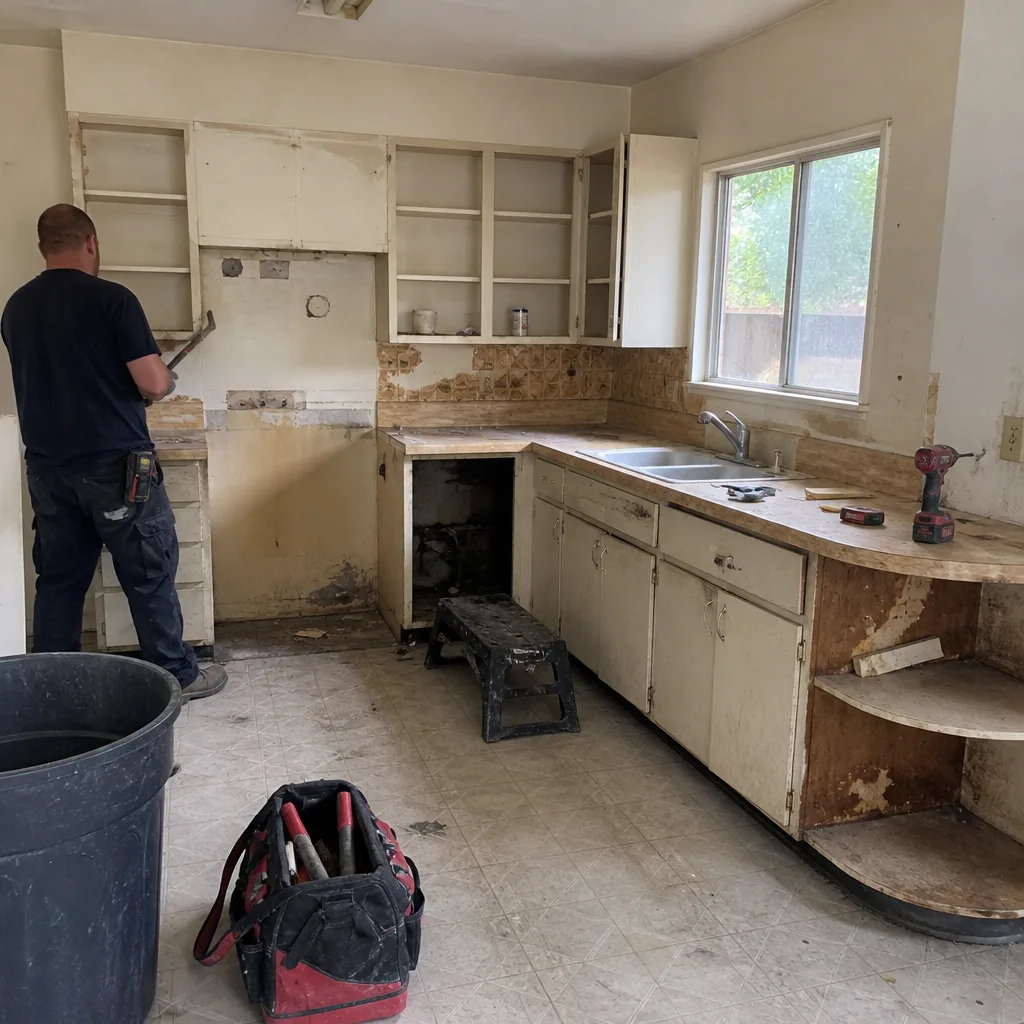 Before
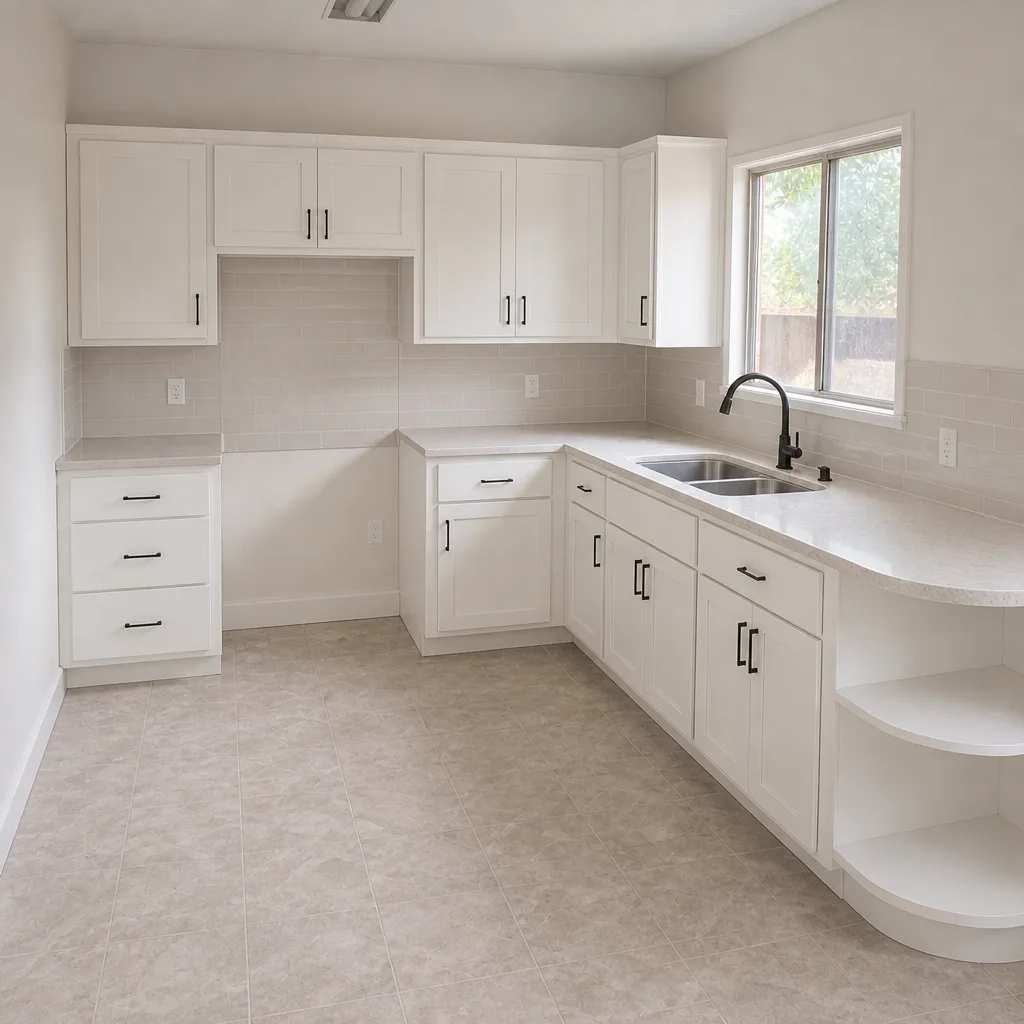 After
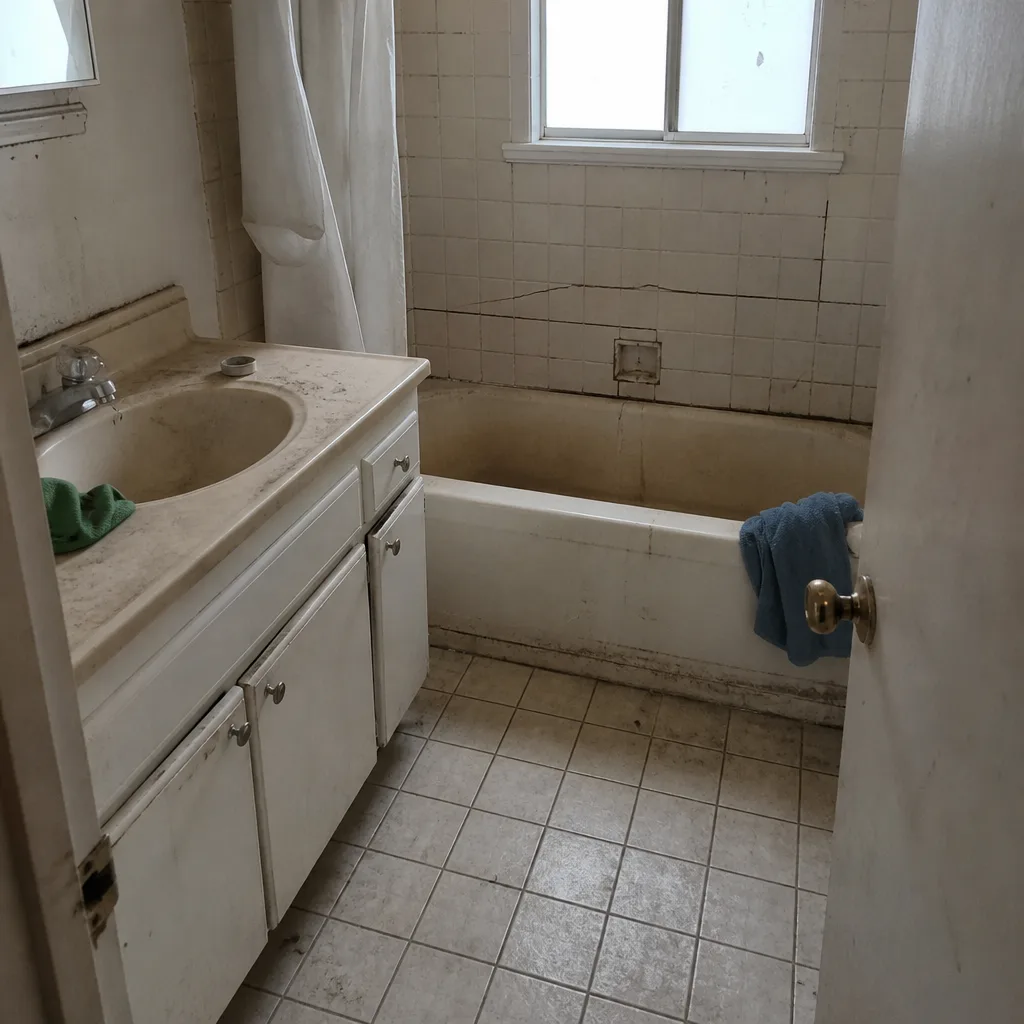 Before
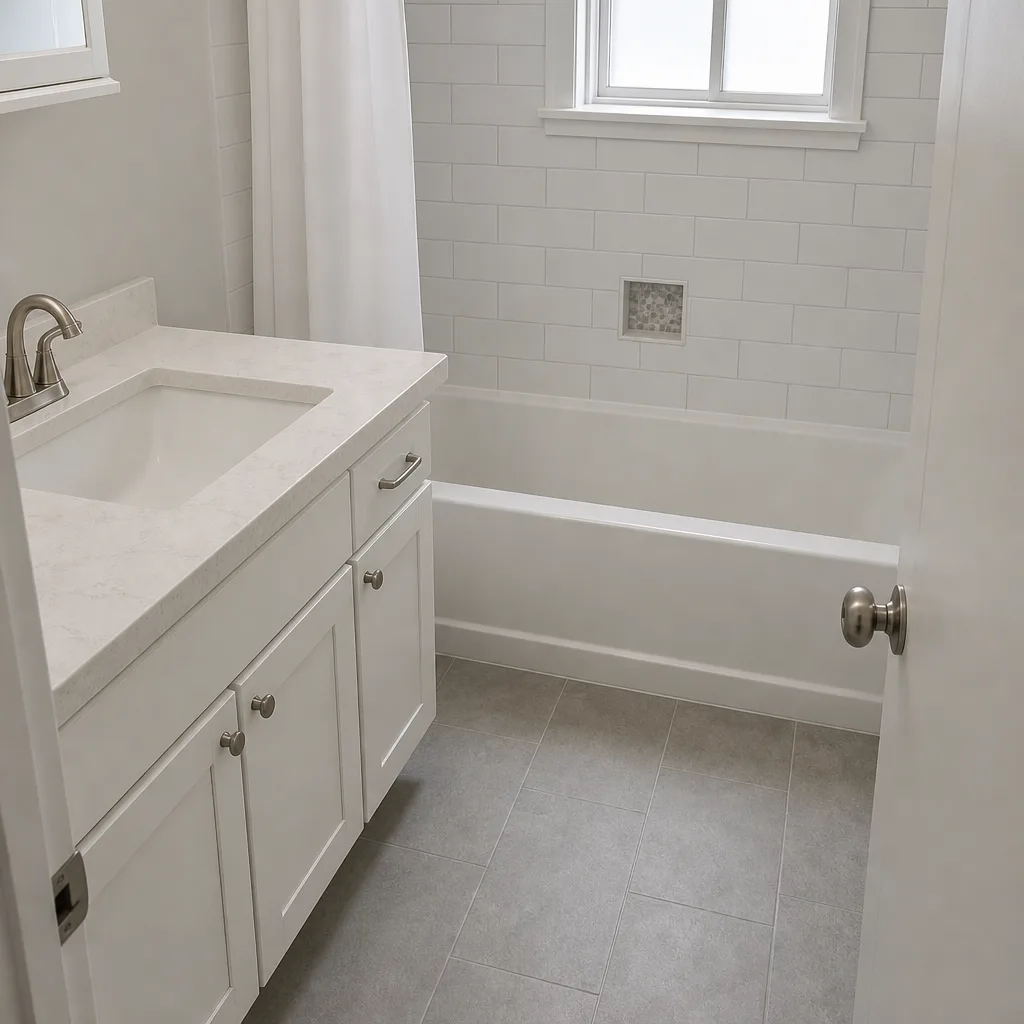 After
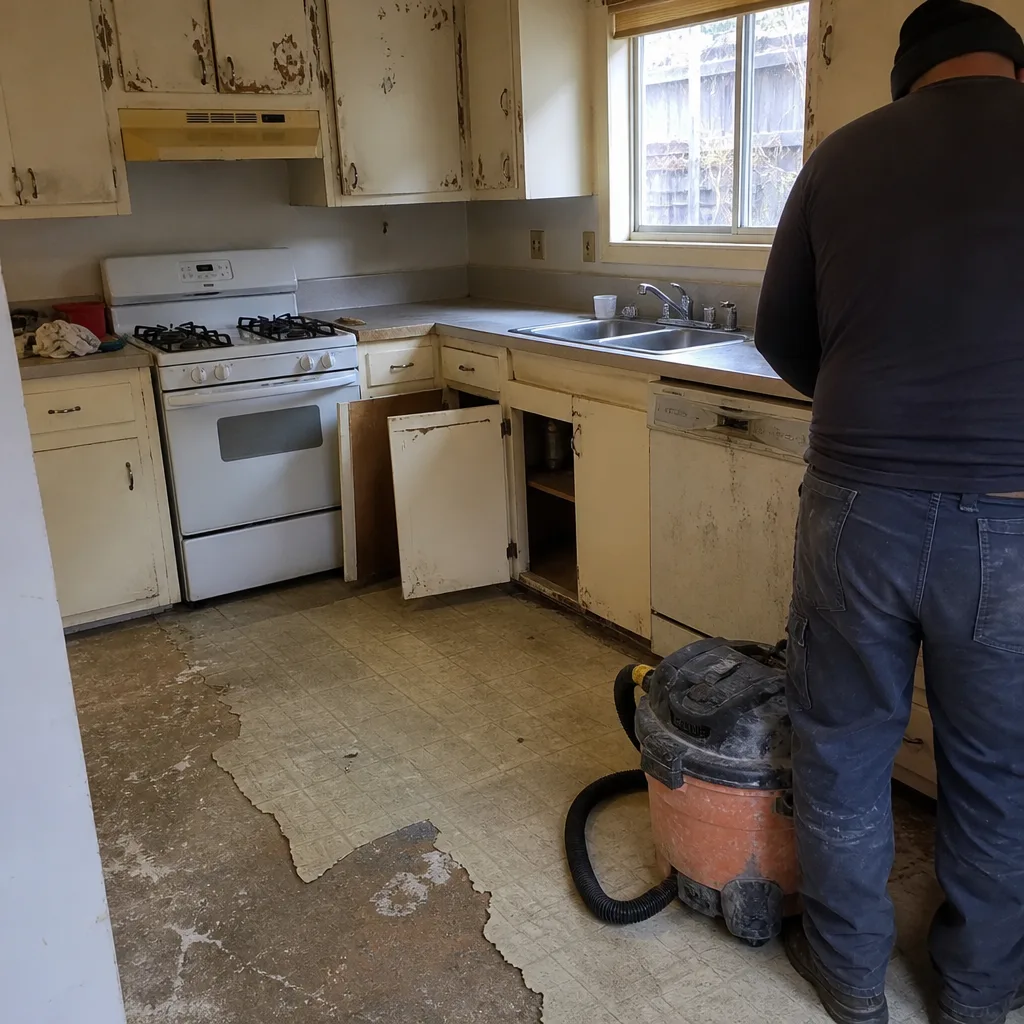 Before
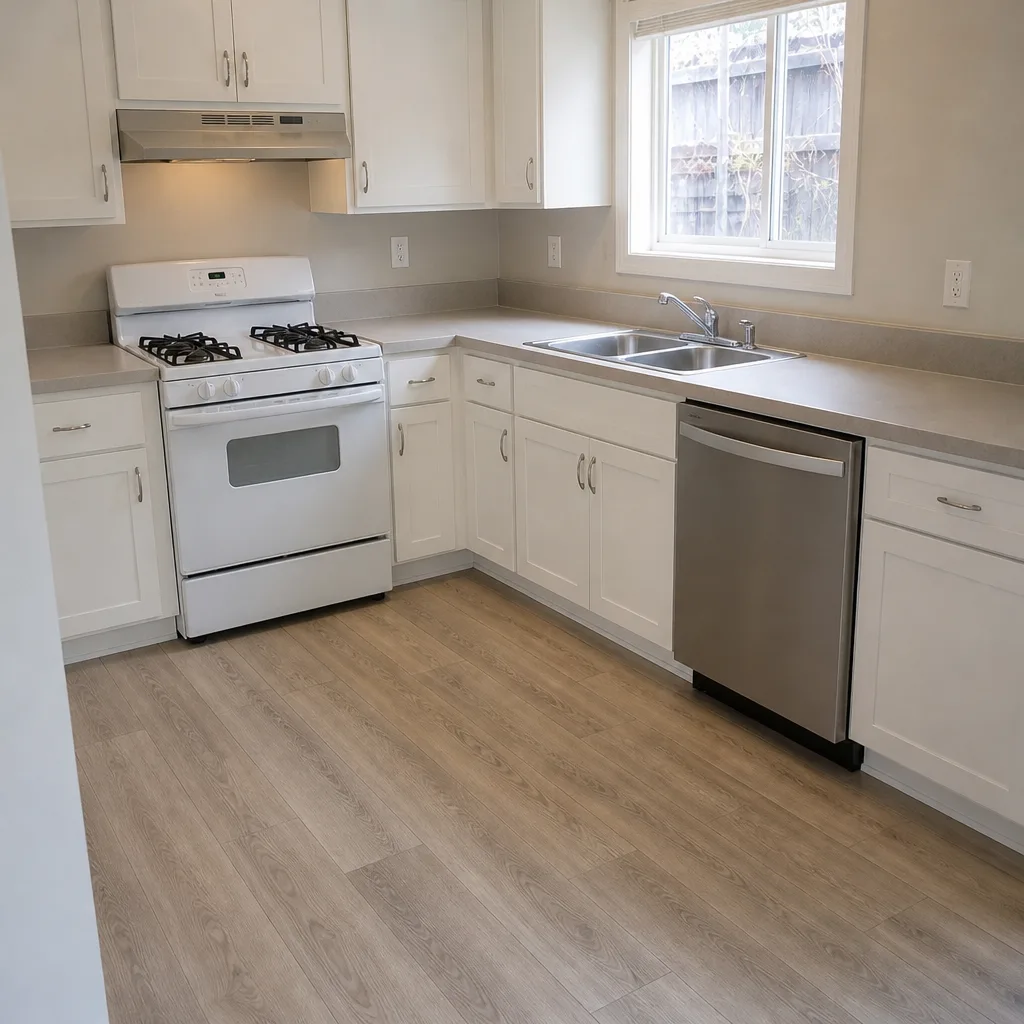 After
Frequently Asked Questions
Yes, a California homeowner can legally install windows in their own single-family home without a contractor’s license. What you cannot skip is the permit for a full-frame replacement and the Title 24 energy compliance documentation that goes with it. Without those, a finish inspection can fail and the installation can become a resale problem.
Full-frame replacement requires a permit in Santa Rosa and Sonoma County; insert replacement requirements vary by jurisdiction and project. The reliable answer is to call the local building department with your specific scope before you buy windows. Call (866) 864-4083 for a free estimate and we’ll confirm what your job needs.
Replacing the hardware on an existing door – knobs, deadbolts, handles – is safe and easy. Replacing an entire exterior door, especially on a Santa Rosa home with stucco, is not a safe DIY job because the threshold sealing and flashing integration determine whether water gets in. Do the hardware yourself; hire the door replacement.
It can. Most manufacturers tie their warranty to installation by a licensed contractor or documented compliance with their install specifications. A self-install that doesn’t follow the specs can leave the manufacturer free to deny a claim. Read the warranty terms before you buy, and call (866) 864-4083 to have it installed correctly.
Insert replacements generally run less than full-frame work because the existing frame and trim stay put; full-frame replacement costs more because the opening is rebuilt, flashed, and Title 24 verified. The real variable is the condition of your existing frame. Call (866) 864-4083 for a free, written line-item estimate – estimates are free, and change orders are always in writing before work proceeds.
It can pass if the physical work is correct and the Title 24 paperwork, compliance forms, and NFRC labels are organized and match the installed units. In practice the failure rate is high because those items get overlooked. The inspection is not something to gamble on; call (866) 864-4083 and we’ll handle the permit and the inspection sign-off.
The Bottom Line
The line is clearer than the hardware store makes it sound. Weatherstripping, door hardware, interior casing, and annual caulk maintenance are honest homeowner work – do them yourself and save the money. Full-frame window and exterior door replacement is not, because it carries three hidden costs a video won’t show: a permit requirement that surfaces at resale, a Title 24 documentation check a first-timer usually fails, and a manufacturer’s warranty that can void on self-installation. For those jobs, you want a contractor who pulls the permit, puts the scope in writing, and stands behind the result. Barrett & Sons Construction does exactly that on every Santa Rosa job.
Call (866) 864-4083 for a free estimate on your window and door project. Our technicians have up to 28 years of experience, we publish Tom Barrett’s name, address, and license number so you can look it up before you sign, and every eligible job includes the permit pulled and the inspection signed. Ask anyone on your street – or check the license yourself. Then call us and we’ll put the scope in writing, with a written 90-Day Done Right Promise on the finished work.
Written by the team at Barrett & Sons Construction Santa Rosa.