Last updated November 18, 2026
Free written scope consultation - allowances, timeline, and change-order rules on paper before a single trade is scheduled
How Long Does Home Additions & ADU Take? Timelines and What to Expect
Here’s the number most builders won’t put on paper: the phase that kills ADU schedules in Sonoma County isn’t framing or finish work. It’s the gap between the day your plans are submitted and the day the permit actually lands in your hand. For new detached units, that stretch is running 8 to 14 weeks right now, and most project estimates quietly leave it off the front of the schedule. We’ve watched homeowners in Santa Rosa plan a 10-month build, sign a contract, and then sit on the couch for an extra three months before anyone touched the dirt. This guide walks the whole timeline phase by phase, tells you which phases routinely blow up, and shows you the contract language that decides whether you’re protected or exposed.
Quick Answer
A typical home addition or ADU in Santa Rosa takes 12 to 18 months from design kickoff to occupancy sign-off. Roughly 3 to 5 months goes to design and engineering, 8 to 14 weeks to plan review and permit issuance, and 8 to 12 months to build. Custom or hillside lots run longer. The single biggest schedule risk is not construction: it’s the permission phase before a shovel ever moves.
Styles & brands we work with
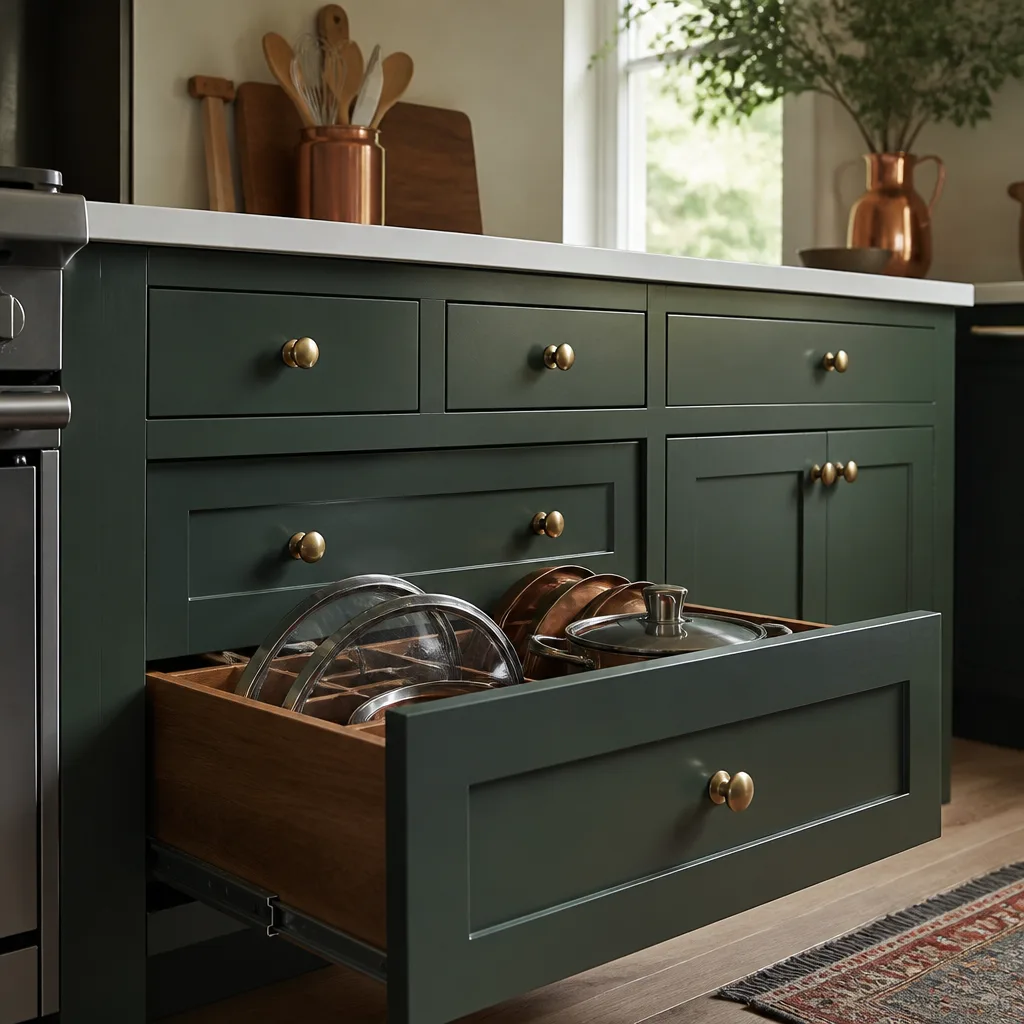
- Kitchen remodeling
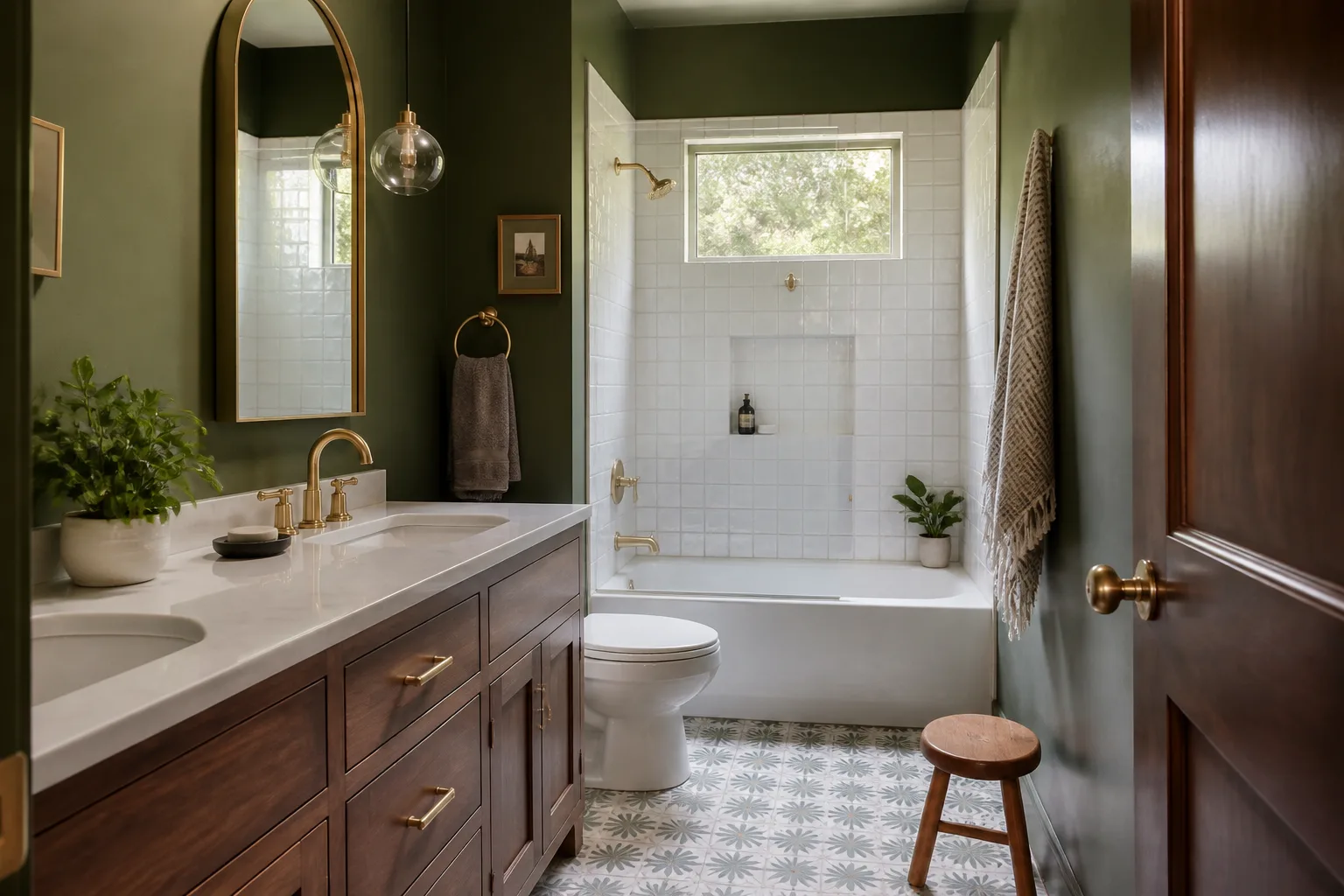
- Bathroom remodeling
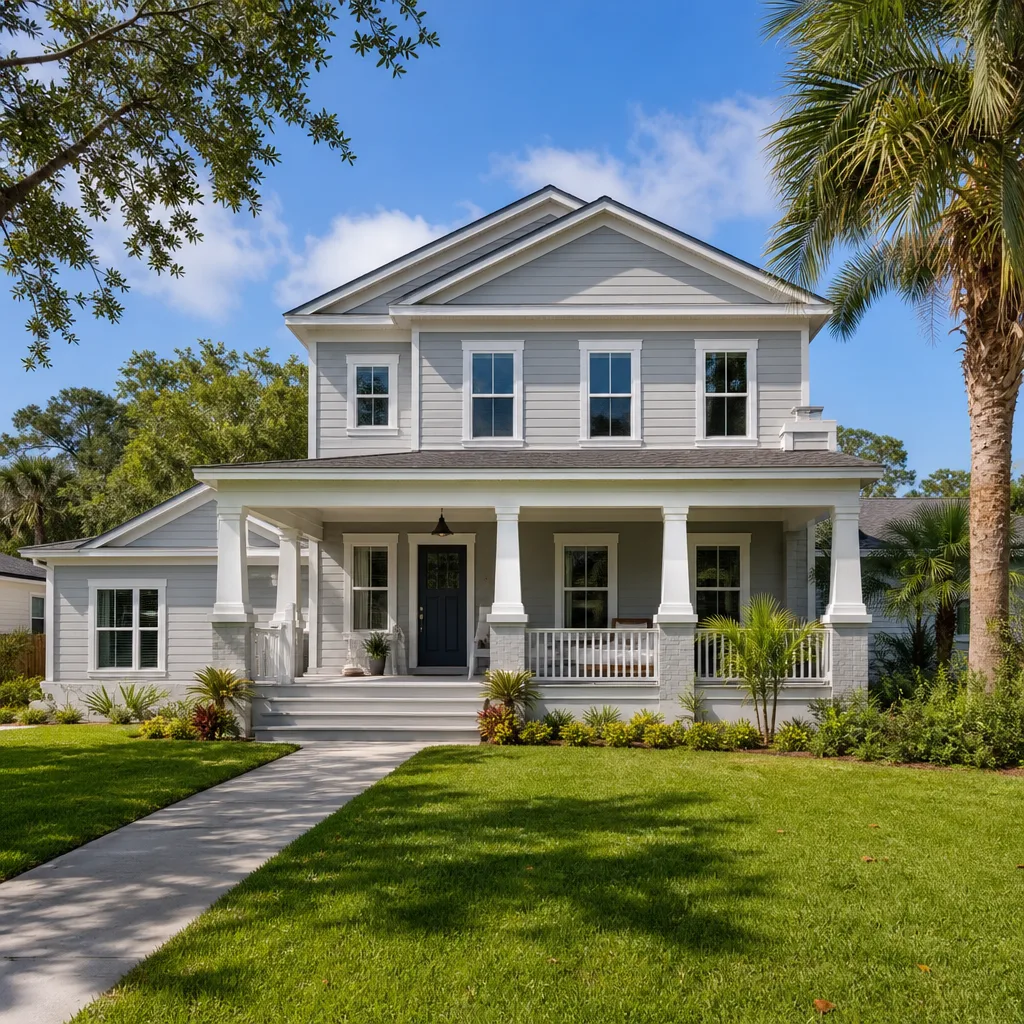
- Home additions & ADU
- Roofing
- Windows & doors
- Driveway & pavers
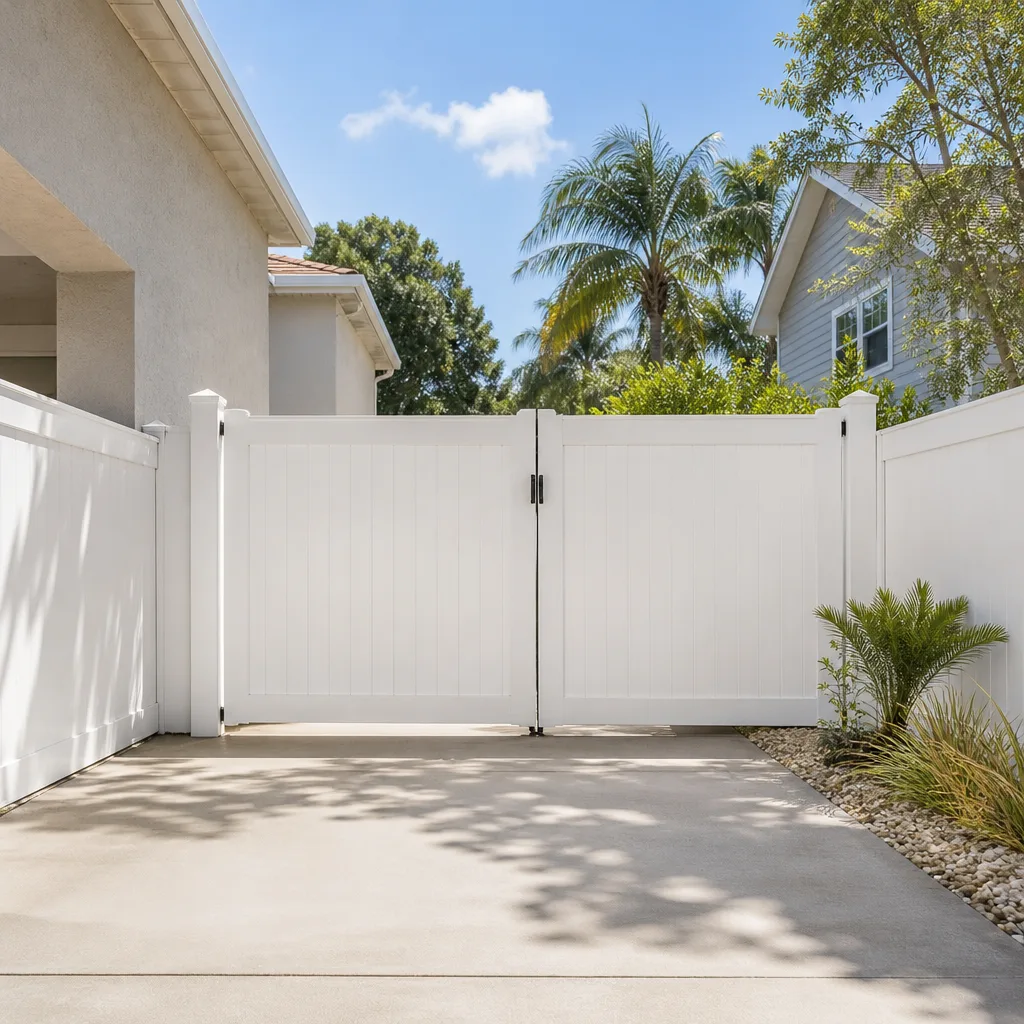
- Fence
Table of Contents
- A Realistic Phase-by-Phase Timeline
- Phase 1: Design and Engineering (3-5 Months)
- Phase 2: Permit Submittal and Issuance (8-14 Weeks)
- Phase 3: Site Prep Through Framing
- Utility Lead Times: PG&E and Santa Rosa Water
- Substantial Completion vs. Final Inspection
- Contract Language: Milestone Dates vs. a Start Date
- The Three Phases Where Delay Lives
- Common Mistakes to Avoid
- Frequently Asked Questions
A Realistic Phase-by-Phase Timeline
Homeowners usually want one number. The honest answer is a range with moving parts, and looking at it as a chain of phases is what lets you plan. Here’s how the schedule for a Santa Rosa addition or ADU actually breaks down, and each phase below gets its own section.
- Design and engineering: 3 to 5 months. Architectural drawings, structural calcs, energy compliance (Title 24), and a soils report if the site needs one.
- Permit submittal: 1 to 2 weeks to assemble and file a complete package.
- Permit issuance: 8 to 14 weeks for a new ADU right now in Sonoma County. Remodels and simpler additions can clear faster.
- Site prep and foundation: 4 to 8 weeks, weather dependent.
- Framing and dry-in: 4 to 8 weeks. Getting the roof on before the winter rains is the make-or-break stretch.
- Rough trades (plumbing, electrical, HVAC): 3 to 5 weeks, plus a rough inspection.
- Insulation and drywall: 3 to 4 weeks.
- Finish trades (cabinets, counters, tile, trim, paint): 6 to 10 weeks.
- Final inspection and occupancy sign-off: 2 to 6 weeks, and worth pressure-testing.
Stack those in the best case and you land near a year. Add a rainy winter and one utility delay and you’re at 16 months without anyone doing anything lazy. If you’re planning an ADU specifically, our Home Additions & ADU in Santa Rosa page covers the unit-size and setback rules that shape the design phase before any timeline clock starts.
Phase 1: Design and Engineering (3-5 Months)
The design phase is where you spend the least visible money and set the tone for everything after. Fast, on a straightforward lot, you’re at three months. Add a structural wrinkle and you climb toward five.
- Site survey and existing-conditions draw: 2 to 3 weeks. Some older Santa Rosa lots have undocumented additions or fence lines that don’t match county records, and a survey catches that early instead of mid-permit.
- Schematic design and your approval rounds: 4 to 6 weeks if decisions get made once and not refought.
- Structural engineering: 3 to 5 weeks. Hillside lots and roofline changes take longer.
- Title 24 energy compliance: 1 to 2 weeks. These drawings have to match the architectural set exactly or the plan checker sends it back.
- Soils and geotech report: 2 to 4 weeks if required. Common in the hills and in older alluvial areas.
The single thing that stretches design is you. Every week you spend deciding between a 16-foot slider and a French door is a week the whole schedule slides. Come into design with your room sizes, finish preferences, and budget bands decided, and you’ll cut a month out of this phase without losing anything. Where premium brands matter, deciding early helps: a Wellborn cabinet line and a Cambria quartz countertop both need lead-time reservations before finish trades get scheduled, so those choices belong in design, not during framing.
Phase 2: Permit Submittal and Issuance (8-14 Weeks)
This is the phase people underestimate. Plan review for a new ADU in Santa Rosa and the surrounding county jurisdictions is running 8 to 14 weeks right now. A complete, well-assembled submittal clears nearer 8. An incomplete one gets bounced and the clock restarts, sometimes more than once. Here’s how to not be the reason it bounces.
- Submit a fully coordinated set. Architectural, structural, Title 24, and site plans that all agree. Disagreements between sheets are the number-one return-to-submittal trigger.
- Handle historic and design review if your property triggers it. Certain older Santa Rosa neighborhoods require it, and that review adds its own clock.
- Confirm fire and access requirements early. Rural lots and hillside properties may need water supply or access reviews that add weeks.
- Respond to corrections fast. Every day you sit on a correction letter is a day added to the back of the schedule.
In our experience, the permit phase is where a contractor’s discipline shows. We pull permits and pass inspections on every eligible job, not as a selling point but because the inspector works for the homeowner, not for us. When a permit is pulled properly and the plans are right, plan review behaves. When they aren’t, it becomes the four-month stretch everyone blames on the building department. For a look at how the same discipline plays out on smaller scopes, see Fence Installation in Santa Rosa, where permit requirements vary block by block.
Phase 3: Site Prep Through Framing
Once the permit is in hand, the hammer actually starts. The schedule from here depends more on the calendar than on the crew, because Santa Rosa’s winter rains are a hard stop on outdoor work. Getting dried in before the first big rain is the difference between an on-time project and a wet mess of a spring.
- Site prep, grading, and utilities stub: 3 to 6 weeks. Excavation, footing forms, and the underground rough plumbing and electrical for an ADU all happen here.
- Foundation: 2 to 4 weeks. Curing time alone takes more than a few days and can’t be rushed without weakening the concrete.
- Framing: 3 to 6 weeks for a typical addition or ADU. Larger custom builds longer.
- Dry-in, roofing, and windows: 1 to 2 weeks. Roofers use GAF and CertainTeed systems, and Andersen and Marvin windows need to land before dry-in can finish, so those are ordered during foundation work, not after.
- Rough trades and rough inspection: 3 to 5 weeks. Plumbing, electrical, HVAC, then the inspection that lets drywall go up.
A winter-start project isn’t automatically slower, but it needs a different plan: get the roof on before the rains, and if you can’t, expect the finish date to move. We build the calendar backwards from Santa Rosa’s rain window rather than pretending the weather will cooperate. On paved areas, the same window logic applies, and Driveway & Pavers in Santa Rosa explains how site timing shifts with the seasons.
Utility Lead Times: PG&E and Santa Rosa Water
Utility companies run on their own schedule, and nobody in construction can shorten it. If your ADU needs a panel upgrade or a new water lateral, those are separate workstreams with separate clocks. Start them the day the permit clears, not the week you need them.
- PG&E panel upgrades: design review, an application, and a scheduled outage can run 4 to 12 weeks. A panel upgrade for an ADU often needs utility-side work, and that scheduling is outside anyone’s control.
- Santa Rosa Water laterals or connections: application, inspection of the existing service, and the tap itself each carry their own review and scheduling windows.
- Gas service: if an ADU gets its own meter, that’s another utility application.
If you wait until the building is framed to order a panel upgrade, you will finish the interior and then stare at an unenergized unit for a month. Coordinate the applications in the first weeks after permit issuance. This coordination is exactly what a milestone-driven contract protects, because the contractor owns whether they started the utility paperwork early, even if the utility owns the final date.
Substantial Completion vs. Final Inspection
Two phrases in your contract sound similar and mean very different things. Substantial completion is the point at which the work is finished enough that you can use it for its intended purpose, with only minor punch-list items left. It’s the moment your retention or final payment is usually triggered. Final inspection is the building department’s sign-off, including the final signed permit. It’s the moment you can legally occupy the ADU.
These two events usually don’t happen on the same day. A build can reach substantial completion with cabinets hung and floors finished and still wait weeks for the final inspection because one rough inspection wasn’t closed out or a correctable item needs re-checking. That gap matters enormously for an ADU, because you can’t rent it, occupy it, or call it a legal unit until that final sign-off exists. Ask any contractor to define both terms in writing and to list which inspections gate your occupancy. The answer should be specific and verifiable, not a hand-wave.
Contract Language: Milestone Dates vs. a Start Date
A contract with only a start date protects the contractor, not you. It says we’ll begin on a certain Monday and never says when anything else happens. A contract with milestone dates says when design is done, when the permit was submitted, when framing completes, when rough inspections are signed, and when substantial completion is expected. That structure is what lets you hold anyone accountable to a schedule.
- Ask for milestone dates, in writing. Design complete, permit submitted, permit issued, foundation, dry-in, rough inspection, substantial completion, final inspection.
- Ask which delays are contractually owned and which aren’t. Winter weather and utility scheduling are genuinely outside anyone’s control. A contractor stalling on submittals is not.
- Ask for a written change order process. A well-run contract includes one. On every eligible job, every scope change, allowance, and price change arrives as a written change order before work happens. No surprise invoices at the end.
- Know what you’re buying from whom. We connect Santa Rosa homeowners with independent licensed professionals who perform the work, so the milestone contract lives between you and them. Read it with that in mind.
If a contractor won’t put milestone dates and a written change order process in a contract, that’s the most useful information you’ll get during the whole process.
The Three Phases Where Delay Lives
Nearly every stretched addition or ADU schedule in Santa Rosa traces back to one of three phases. Knowing them before you sign is the whole game.
- The permit phase. The gap between submittal and issuance is the number that isn’t in the plan. Add 8 to 14 weeks for a new ADU to the front of the schedule before you compare bids, because a contractor quoting a shorter build against a longer permit is quoting an illusion.
- The design decisions. Every indecision is a delay, and unlike weather or utilities, this one is entirely within your control. Decide finishes and fixtures before design ends.
- The utility coordination. PG&E and Santa Rosa Water lead times compounded with late paperwork are the sleeper delay. Start applications the day the permit clears.
Of those three, only the first two are genuinely controllable. The point of pressure-testing them up front isn’t to demand perfection. It’s to know which held-up weeks belong to the contractor’s side and which belong to nobody. For a broader view of how we think about these builds, see our Santa Rosa home page and ask us directly when you’re ready.
Common Mistakes to Avoid
- Budgeting the construction and ignoring the permission phase. Homeowners routinely price the build down to the last light fixture and never plan for the 8 to 14 permit weeks that come first. Put that time and its carrying cost in the plan.
- Signing a contract with only a start date. It protects only the contractor. Demand milestone dates in writing.
- Decoding finishes during framing. Picking cabinets and counters after framing forces finish trades to wait. Lock in Wellborn, Cambria, or whatever you choose before design wraps.
- Skipping the soils report to save $2,000. An unexpected footing redesign mid-permit can add weeks and real money. Pay for the report if the site suggests it.
- Letting a final inspection drag after substantial completion. A finished ADU that can’t legally be occupied is a very expensive storage room. Close out every rough inspection before drywall goes up.
- Not ordering long-lead materials early. Windows, cabinets, and appliances have their own lead times. Ordering them during the permit phase is what keeps finish trades moving.
- Assuming the utility will call you. PG&E and Santa Rosa Water process what’s in their queue. Start the applications yourself or confirm in writing who did.
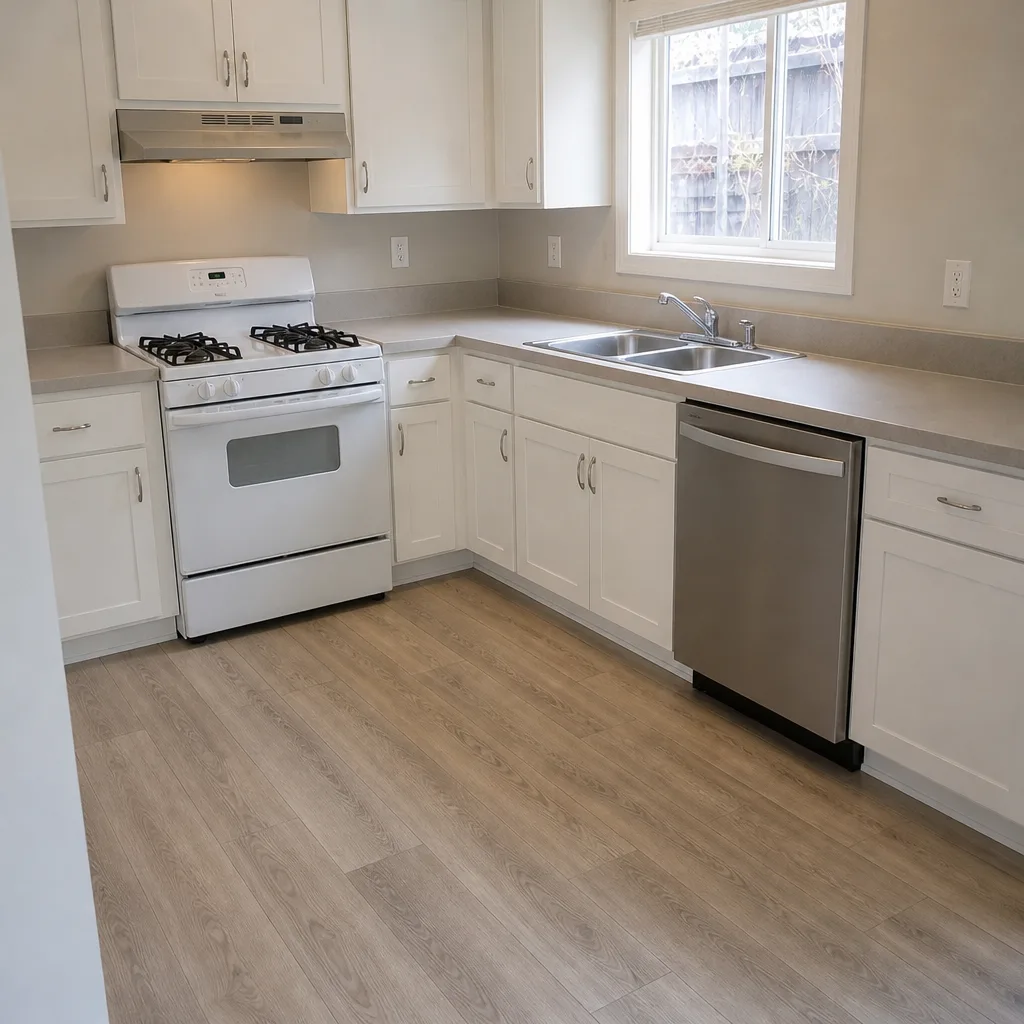
See the difference
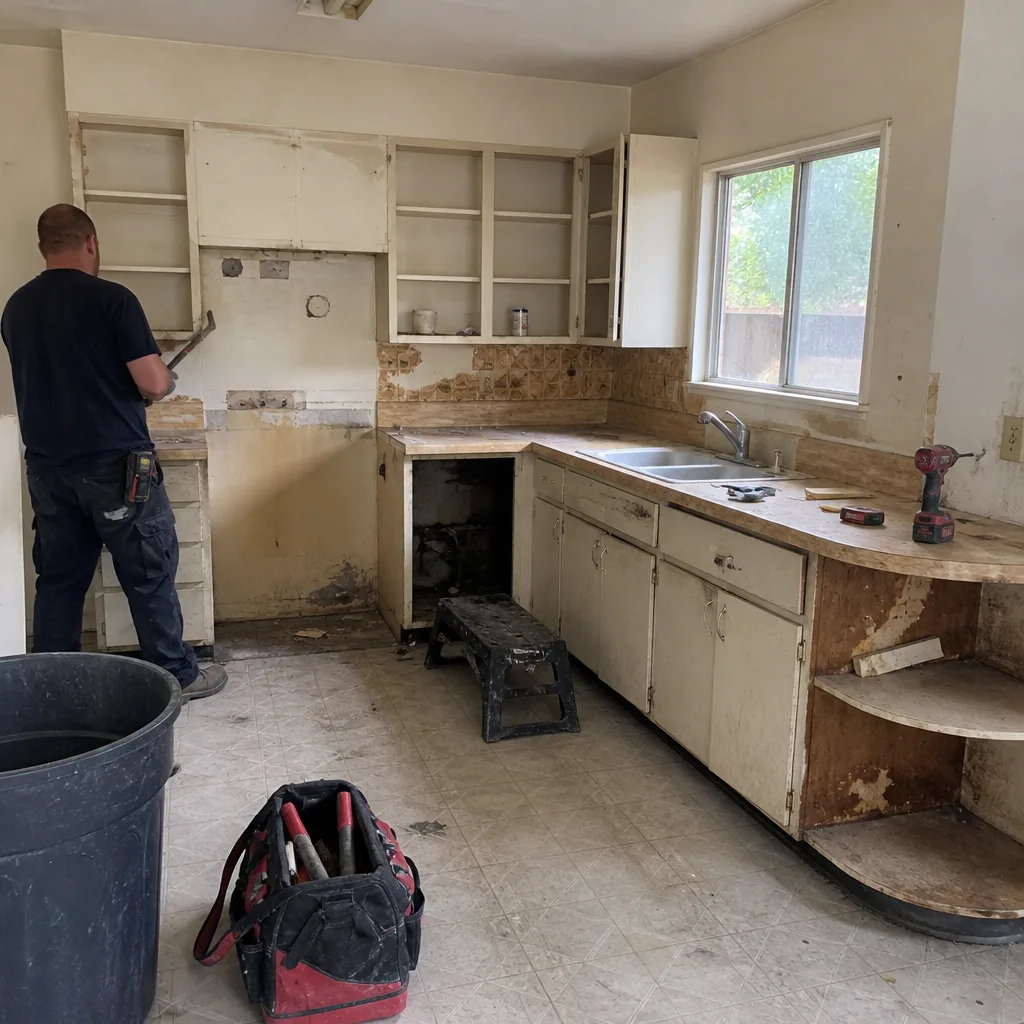 Before
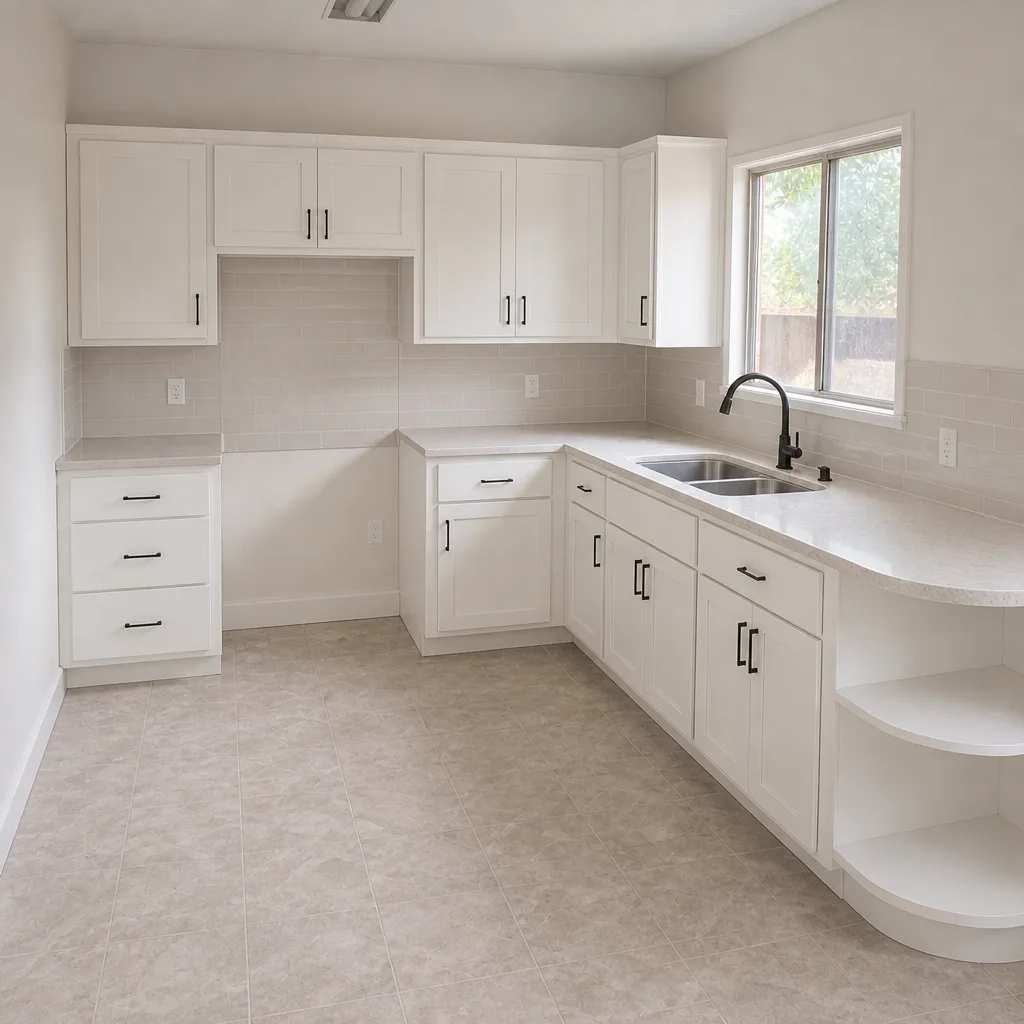 After
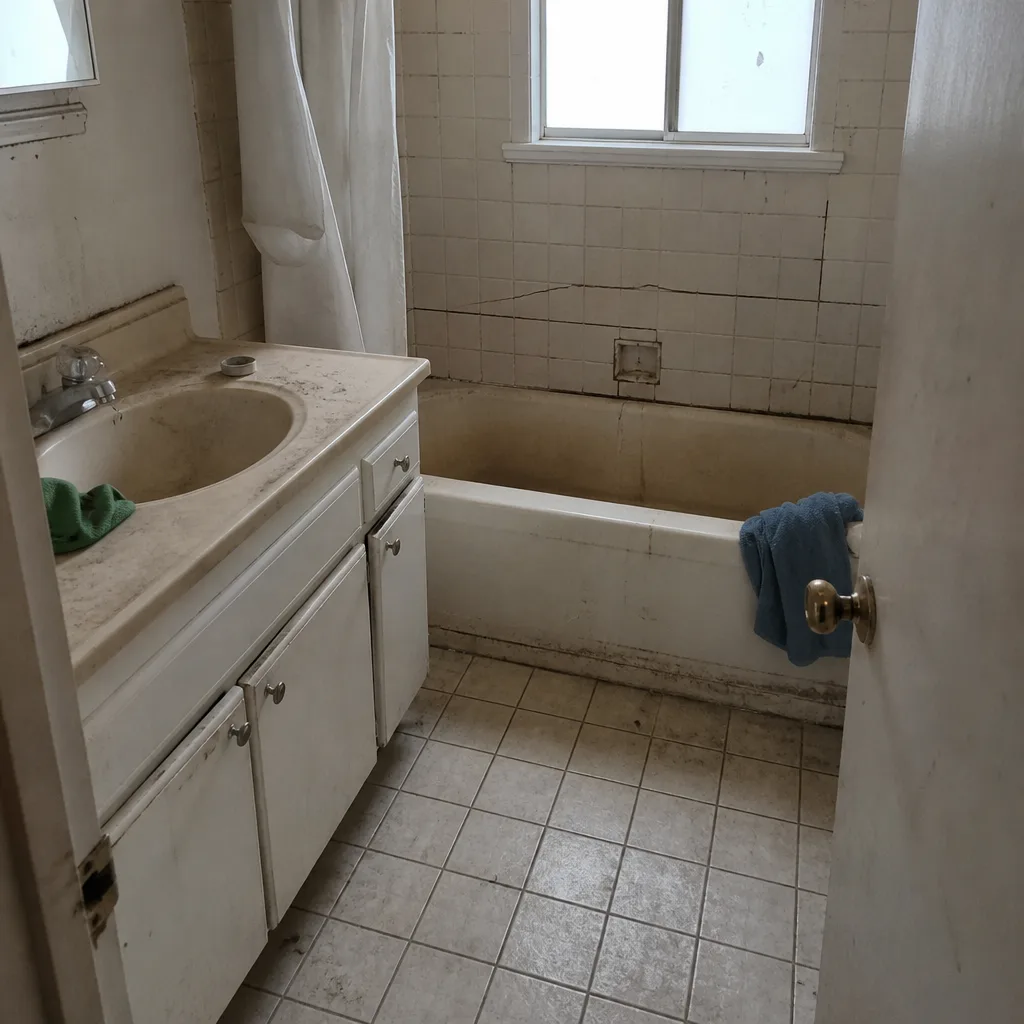 Before
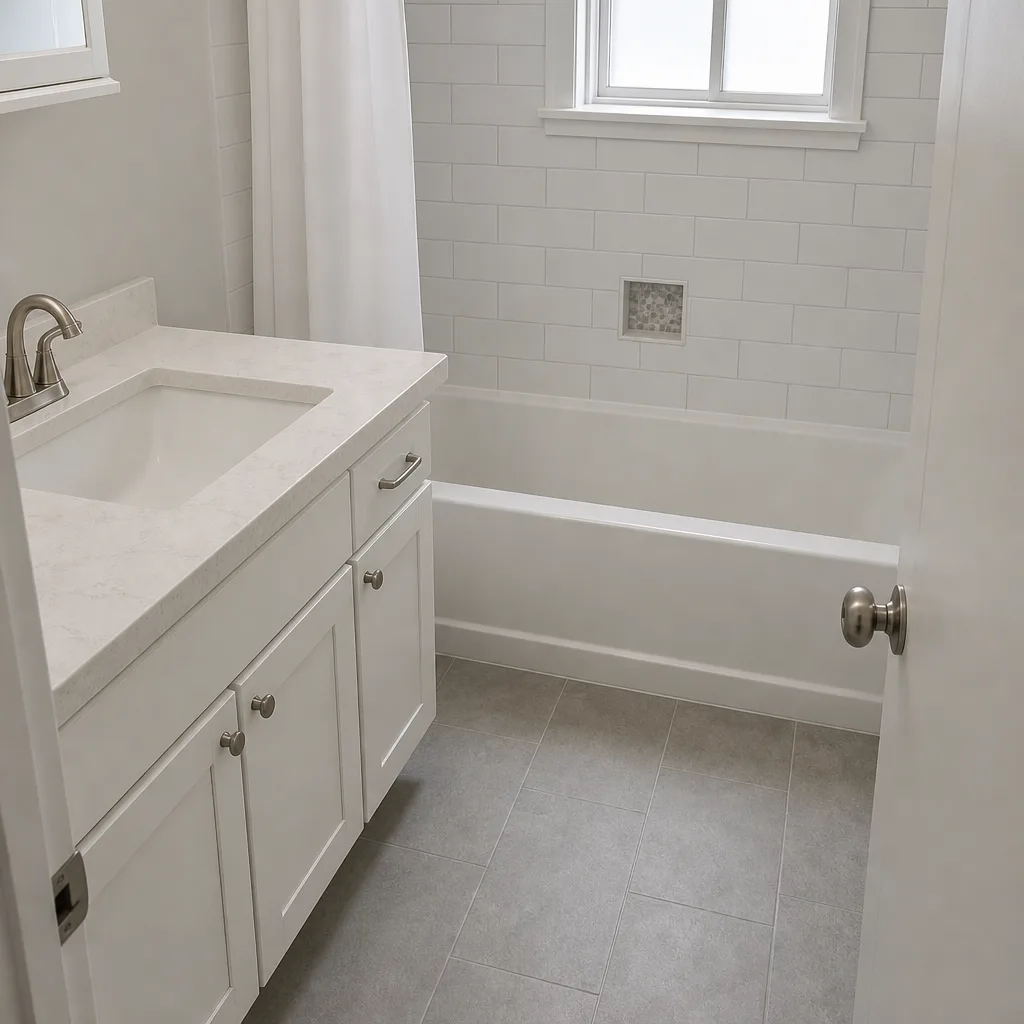 After
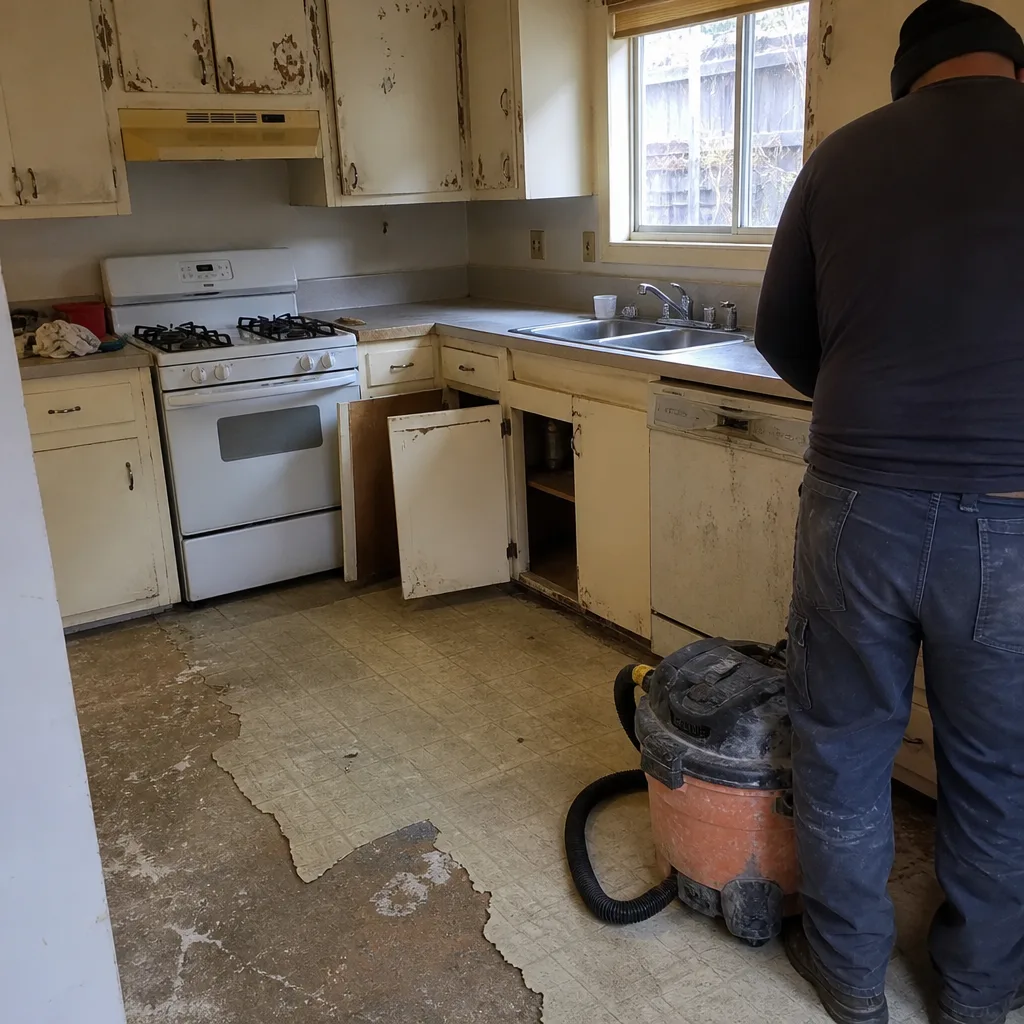 Before
 After
When to Call a Professional
Most Santa Rosa homeowners can read a plan set and budget a finish package. Where a professional earns their keep is in the phases that punish guesswork. Call when you’re ready to pressure-test a permit timeline, when your project touches a hillside lot or a structural change, when the utility work is more than a swap-in, or when you’re holding a bid that feels too good to be true and want the schedule and contract language read by someone who’s done it. Barrett & Sons Construction Santa Rosa offers free estimates in Santa Rosa, and a call is the fastest way to know whether the timeline in front of you is honest. Ask anyone on your street, or look up the license number yourself before you sign.
Frequently Asked Questions
Plan on 12 to 18 months from design kickoff to occupancy sign-off for a detached ADU in Santa Rosa, with 8 to 14 of the initial weeks going to permit review alone. A garage conversion with existing walls and utilities can run faster than a new detached unit because it skips site prep and foundation. Call (866) 864-4083 for an exact timeline on your property; estimates are free.
No reputable contractor can guarantee a completion date on an addition or ADU, because weather, permitting, and utility scheduling are outside anyone’s control. What a good contractor can put in writing is milestone dates and a clear definition of which delays they own. Call (866) 864-4083 to see what a milestone contract looks like.
Plan review for a new ADU in Sonoma County is running 8 to 14 weeks, faster for complete submittals and slower for packages that get returned. Simpler additions and remodels often clear sooner. Call (866) 864-4083 to talk through your specific scope.
Yes. A home addition or ADU requires permits for the structural work, electrical, plumbing, and HVAC, and the ADU cannot legally be occupied until the final inspection is signed. Every eligible job we take on includes permits pulled and inspections signed. Call (866) 864-4083 for a free estimate that includes the permit phase.
Rain stops excavation, foundation work, and framing, and it can soak an open roof before dry-in. A winter start isn’t automatically slower if the roof goes on before the rains, but a project that reaches framing in November should expect the finish date to move. Call (866) 864-4083 and we’ll help you schedule around the rain window.
The 90-Day Done Right Promise is a written guarantee on every construction and remodeling job: if something isn’t done right, one call brings Tom back to make it right within 90 days. It’s on every contract, not buried in fine print. Call (866) 864-4083 to see how it works on your project.
The Bottom Line
A Santa Rosa home addition or ADU takes 12 to 18 months, and the permission phase in front of construction is the part most estimates leave out. Ask for milestone dates, not just a start date. Plan the permit weeks into your budget, lock your finishes during design, and start the PG&E and Santa Rosa Water applications the day the permit clears. Do those four things and you move in on a plan you actually chose. Skip them and you live in construction for an extra four months.
Barrett & Sons Construction Santa Rosa offers free estimates, written change orders before any scope change, and permits pulled and inspections signed on every eligible job. Call (866) 864-4083 to schedule your free estimate.
Written by the team at Barrett & Sons Construction Santa Rosa.