Last updated November 18, 2026





Free written scope consultation - allowances, timeline, and change-order rules on paper before a single trade is scheduled
Seasonal Construction Care for Santa Rosa: Year-Round Homeowner’s Guide
The window to caulk, reseal, and repair the exterior of a Santa Rosa home is roughly six weeks long. Miss it in the fall and the first atmospheric river locks moisture into wood that should have been sealed. Miss it in deep summer and the sealant skins over before it cures, failing by October. Most homeowners miss it every year, because they’re following a maintenance calendar written for Ohio. Santa Rosa doesn’t run on that calendar. This guide rewrites it: month by month, task by task, with the specific timing that Sonoma County’s climate actually demands.
Quick Answer
Santa Rosa homes need exterior maintenance in a different rhythm than most national checklists assume: the sealing and repair window is late August through early October, dry rot spreads fastest in February and March after the first sustained wet stretch, and UV and heat from June through September age finishes faster than most products are rated for. Time the work to those windows and a home holds up for decades. Miss them and one skipped cycle shows up as rot, failed paint, and cracked hardscape within two to three years.
Styles & brands we work with
- Kitchen remodeling
- Bathroom remodeling
- Home additions & ADU
- Roofing
- Windows & doors
- Driveway & pavers
- Fence
Table of Contents
- The Santa Rosa Seasonal Calendar, Month by Month
- Why February and March Are Dry Rot Season Here
- Prepping for the UV and Heat Cycle: June Through September
- The Fall Sequence That Does Double Duty: Fire Prep and Drainage Prep
- Hardscape Care in Santa Rosa’s Clay and Expansive Soils
- What One Skipped Cycle Actually Costs You
- Common Mistakes to Avoid
- When to Call a Professional
The Santa Rosa Seasonal Calendar, Month by Month
National maintenance guides use vague language like “before winter” and “in spring.” That’s useless in a county where winter means rain arriving sideways for three days straight, spring means the grass stops growing and starts drying, and summer means six to ten weeks of hard, unshaded sun. Here’s the actual calendar for a Santa Rosa home, with months attached.
- January: After the first big storm, walk the perimeter. Check for roof leaks, gutter overflow, fence posts that have heaved, and standing water against the foundation. Log what you find rather than fixing it in the rain.
- February through March: Dry rot inspection and repair. This is the wet-stretch window. Probe fascia, window sills, deck ledger boards, and any wood within 18 inches of soil. Repair before the wood dries and the damage gets harder to see.
- April through May: Roof inspection, gutter cleaning, and drainage correction. Check flashings, seal any cracked roof cement, and confirm downspouts discharge at least four feet from the foundation.
- June: Pre-summer prep for exterior wood and paint. Wash, sand, and touch up any failing paint before the UV load peaks.
- July through August: Deep UV window. Do not paint or seal in direct afternoon sun. Focus on shade-side repairs, deck boards, and irrigation checks. Watch hardscape for expansion cracks.
- Late August through early October: The prime sealing and repair window. Caulk, paint, seal decks and fences, and repair any stucco cracking. This is the six-week window most homeowners miss.
- October through November: Defensible space and gutter sequence. Clear roof valleys and gutters, cut back vegetation within five feet of the structure, and verify ember-resistant vents if you have them.
- December: Storm watch. Clear drains, check the roof, and keep a written list of what the last storm did.
Post that calendar on the inside of a garage cabinet. It’s more useful than any national checklist you’ll find online. If you want a written scope for any item on it, our team at Barrett & Sons Construction Santa Rosa puts every task on paper before we touch a tool.
Why February and March Are Dry Rot Season Here
Most guides tell you to check for rot in the fall. In Santa Rosa, that’s the wrong month. The fungus that causes dry rot needs sustained moisture to spread, and here that moisture shows up in January and stays in the wood through March. By the time the wood is visibly dry in May, the damage has already moved through it.
What we’ve seen after a wet stretch in Santa Rosa: fascia boards along the north and east sides of a house take the brunt, because those are the sides that stay shaded and hold dew longest. Window sills on the weather side cup and split. Ledger boards on decks that were flashed with the wrong membrane turn soft from the top down, which means the board still looks solid from underneath while the top face is crumbling.
What to inspect after the first sustained wet stretch:
- Fascia and rafter tails where the roof overhang meets the wall, especially on shaded sides.
- Window and door sills on the weather-facing walls; probe with a screwdriver handle, not your finger.
- Deck ledger boards and rim joists where the deck meets the house.
- Fence posts and bottom rails within a foot of soil.
- Stucco transition zones where stucco meets wood trim; that’s where water hides behind the wall plane.
If you probe and the tool sinks in easily with a dull thud, you have rot. Catch it in February and it’s often a repair. Catch it in September after a dry summer and it’s often a rebuild. That timing difference is the whole game.
Prepping for the UV and Heat Cycle: June Through September
Rain gets the blame in coastal climates, but UV is the bigger threat to Santa Rosa exteriors. Six to ten weeks of hard summer sun with a UV index that regularly clears 10 will flake a cheap paint in three seasons. It will fade a low-grade stain in two. It will chalk a builder-grade sealant so it looks fine and has actually failed.
The prep sequence that works here:
- Wash everything first. Mildew, pollen, and dust all prevent a finish from bonding. A garden hose and a stiff brush is enough on most surfaces; a low-pressure washer is fine on stucco if you keep the nozzle moving.
- Sand and feather. Any failing paint edge gets sanded back to a feathered edge, then spot-primed while the surface is still cool.
- Caulk with a UV-rated sealant. Standard acrylics will crack in a Sonoma County summer. Use a paintable urethane or siliconized acrylic rated for high UV.
- Paint or stain in the morning. Surface temperature matters more than air temperature. A wall in direct afternoon sun can be 40 degrees hotter than the ambient air and will cook off a latex finish before it levels.
- Seal deck and fence lumber with a penetrating oil, not a film. Film-forming finishes trap moisture and peel in our wet-dry swing; penetrating oils move with the wood.
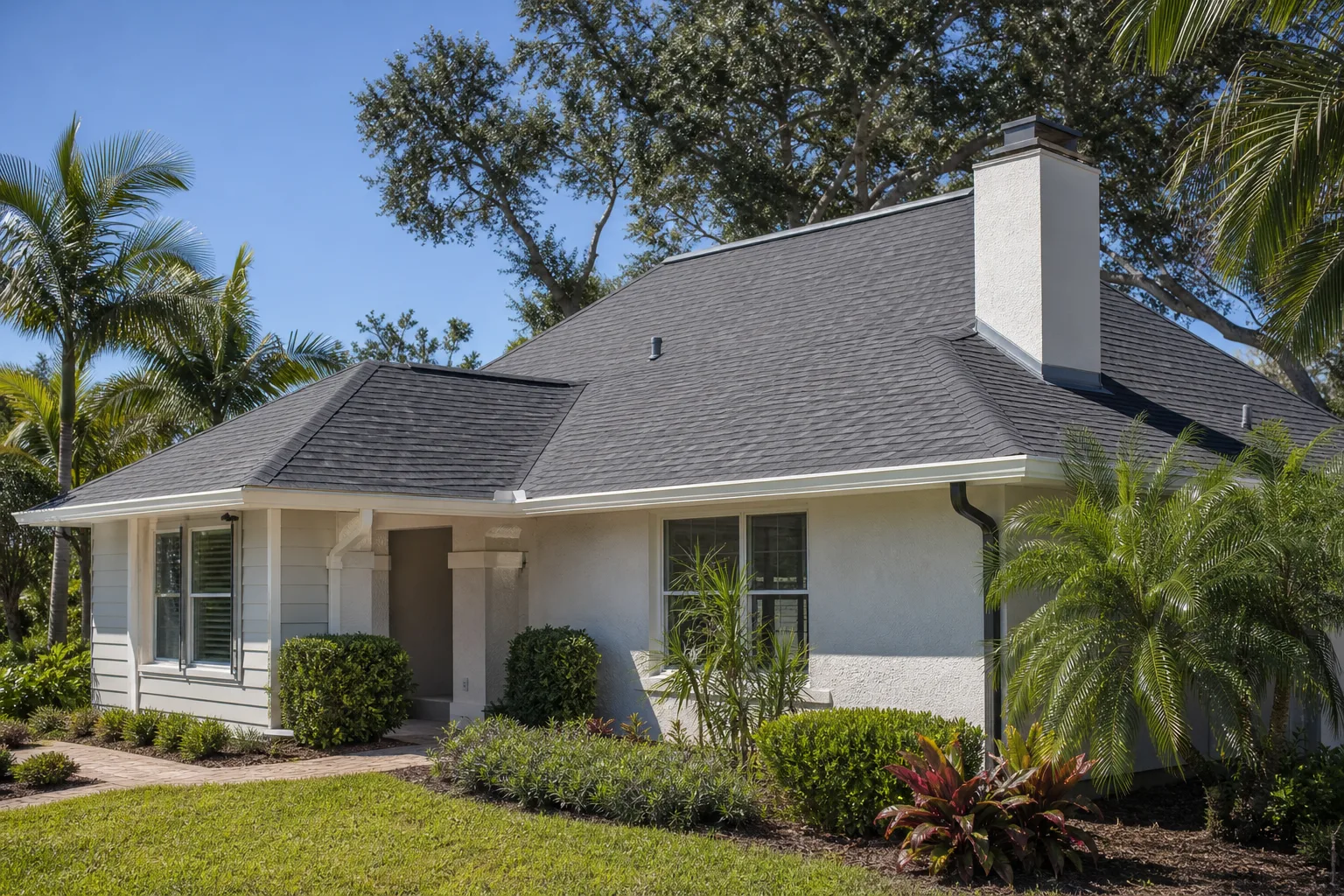
For roof finishes, this is also the moment to look at granules on the shingles. If you can see bare asphalt patches after five or six summers, a roof from GAF or CertainTeed with a proper UV-rated granule layer will outlast a builder-grade shingle by a wide margin. If the roof is more than 18 years old and the granules are gone, get a written estimate before the fall rains arrive.
The Fall Sequence That Does Double Duty: Fire Prep and Drainage Prep
October and November are the swing months in Santa Rosa. Grass fire risk runs into October, and the first atmospheric river can land any time in November. The good news is that the checklist for fire prep and the checklist for drainage prep overlap almost completely.
- Clean the roof and gutters. Dry leaves in a gutter are both a drainage failure and an ember catcher. Clear valleys, downspouts, and gutter runs.
- Cut back vegetation five feet from the structure and up off the ground under trees. That’s both defensible space and a way to keep moisture-laden plants off your siding.
- Trim tree branches ten feet up from the roof and six feet from the chimney. Same reasoning both ways.
- Walk the drainage path. Downspouts should discharge four feet or more from the foundation. In Santa Rosa’s clay soils, water that pools against the stem wall will find its way into the crawlspace within one season.
- Inspect and seal the roof. Check flashings, pipe boots, and any cracks in the roof cement. Repair now, not in the first storm.
- Clear the debris line along the base of the house. Leaf litter against the siding holds moisture and hides termites.
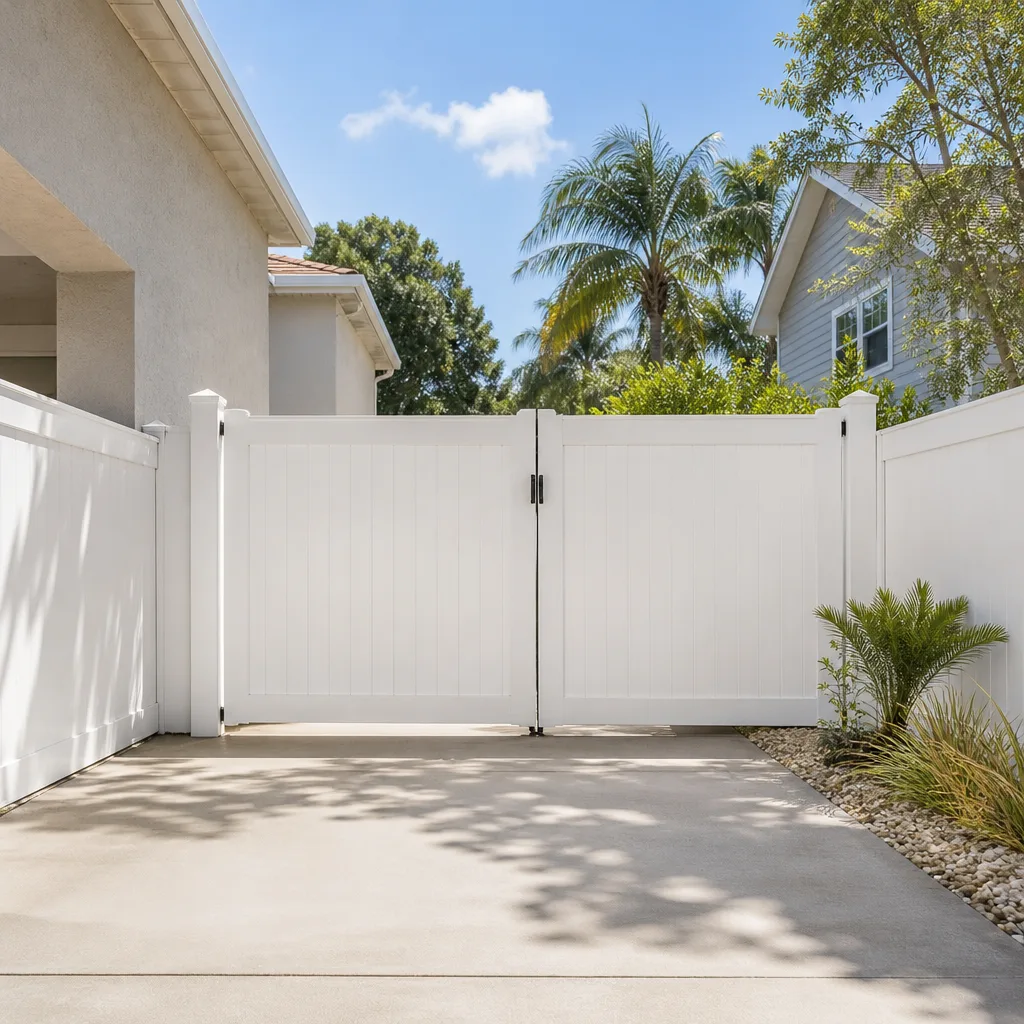
Add these exterior grounds items to the same fall weekend you’re already working on the house: inspect any fence line for posts that have heaved and any hardscape for cracks. Both show up after a dry summer. Fence installation in Santa Rosa done in the fall on dry, workable soil takes a fraction of the time it does in January mud.
Hardscape Care in Santa Rosa’s Clay and Expansive Soils
Santa Rosa sits on clay and expansive soils that swell when wet and shrink when dry. That cycle, repeated every year, is what cracks driveways, paver patios, and walkways in this county. It’s not the traffic that kills hardscape here. It’s the soil.
What to watch for, month by month:
- January through March: Hairline cracks in concrete widen. Paver joints lose sand. Water pools in the low corner of a patio. Fix any drainage issue now, because pooling water accelerates the soil movement.
- June through September: Cracks close, which masks the problem. Sand joints look tight. This is the moment to re-sweep polymeric sand into paver joints, not in the rain.
- Year-round: Watch the joints where a driveway meets the garage slab. Differential settlement here is the single most common failure we see in Santa Rosa.
A driveway installed with proper base depth, compacted in lifts, and a stabilized joint detail holds up to the clay cycle. One installed with a thin base and no subgrade correction will crack in five years. If your driveway is showing its age, driveway and pavers in Santa Rosa is where the base detail matters more than anything above ground. For driveways with a design element, Belgard and Techo-Bloc pavers are specified specifically because they hold color through the UV cycle better than commodity block.
What One Skipped Cycle Actually Costs You
Here’s where this guide separates from a generic checklist. Deferred maintenance in a coastal-influenced climate like Santa Rosa’s costs more per year of delay than it does in a drier inland climate like the Central Valley, because the wet-dry swing is wider. The wood takes on more water in the wet stretch and gives off more in the dry, and each cycle opens new checks.
What we’ve seen after one skipped cycle in Santa Rosa:
- Paint: Small hairline cracks become flaking surfaces, and the repair grows from a touch-up to a full repaint of the wall. Roughly three to five times the labor.
- Wood trim: A caulk joint that fails in one season will rot the trim behind it after two. That’s the difference between a $200 caulk repair and a several-thousand-dollar trim rebuild.
- Deck boards: A deck sealed on schedule lasts 15 years or more. A deck sealed once and then left alone shows rot at the end grains after five.
- Stucco: A stucco crack that’s sealed in the fall is a tube of sealant. A stucco crack that’s left open through a wet season takes on water behind the wall plane, and the repair moves into the wall assembly.
One skipped cycle is manageable. Two skipped cycles in a row in this climate is where homeowners call us for a repair and we end up scoping a rebuild. The gap between those two outcomes is a Saturday in late September.
Common Mistakes to Avoid
- Following a national checklist written for the Midwest. Fall “winterizing” is the wrong frame here; our fall is a fire-and-drainage prep season, not a freeze prep season. Skip the antifreeze checklist and do the defensible space walk instead.
- Treating dry rot as a visual inspection. By the time wood looks rotten from the outside, the damage is often twice the visible footprint. Probe with a tool in February; the wood tells you the truth that paint won’t.
- Painting over failing caulk. A sealant joint that has already failed will keep moving under a fresh coat of paint. Remove it, clean the joint, and re-caulk with a UV-rated sealant first.
- Sealing decks and fences in July. The finish won’t cure correctly in the UV peak. Late August through early October is the window that works in Santa Rosa.
- Ignoring hardscape drainage in a wet January. Pooling water against a slab in clay soil accelerates the soil movement and the crack widens. Fix the drainage first, then re-sand the joints.
- Skipping permits on a repair that needs them. Even small structural repairs, roof replacements, and any addition work need a permit in Santa Rosa. Unpermitted work can kill a sale years later; we’ve seen it happen.
- Adding a room or ADU without checking drainage first. An addition changes where water goes on the lot. Before you plan a build, have the drainage and grade checked; a well-scoped job will. If you’re considering a project, home additions and ADU in Santa Rosa is where the drainage plan gets set on paper.
When to Call a Professional
Call a professional when the work is above a first-story roofline, involves structural wood that has gone soft, touches a gas line or an electrical panel, or requires a permit. Roof work, wall removal, addition foundation work, and any stucco repair more than a few square feet are all jobs for a licensed contractor who pulls the permit and stands behind the result. A quick caulk and paint job on a ground-floor window is a homeowner job. Anything that involves going up a ladder, opening a wall, or touching the panel is not.
Barrett & Sons Construction Santa Rosa offers free estimates in Santa Rosa. Our crews pull every permit and get every inspection signed, and every price change arrives as a written change order before work moves forward. Call (866) 864-4083 to schedule your free estimate.
Frequently Asked Questions
Late August through the first week of October is the best window for sealing and painting the exterior of a Santa Rosa home. Surface temperatures are still warm enough for the finish to cure, the UV load has dropped, and you have four to six weeks before the rain arrives. Sealants applied in deep summer skin over before they cure; applied in late October, they can be washed off by the first storm.
Santa Rosa’s wet-dry swing drives rot faster than a stable climate because the wood takes on water in the wet stretch and gives it back in the dry, opening new checks each cycle. The fungus spreads most in February and March, after the wet stretch, not in the fall when most guides suggest checking. Call (866) 864-4083 for a free second opinion on any written estimate if you’re unsure whether you’re looking at rot or a surface stain.
Twice a year in most of Santa Rosa: once in late spring after the last storms and once in September or October before the rains return. Homes under redwoods, oaks, or any large tree in a wind-exposed area benefit from a third pass in December. In this county, gutter cleaning doubles as fire prep and drainage prep, so it’s worth the schedule.
You can skip the summer inspection cycle, but not without paying for it in the fall. Summer is when the UV cycle does its damage to finishes, and by fall the failure has already set. A single skipped cycle shows up as flaked paint, cracked caulk, and dried-out deck boards within one to two years in Santa Rosa; two skipped cycles usually means a repair turns into a rebuild.
Almost nothing, which is why the two run on the same weekend. Clearing gutters, cutting back vegetation within five feet of the structure, raising tree limbs, and clearing leaf litter all serve both goals at once. The overlap is the reason the October-November checklist is the most efficient one on the calendar.
It depends on the scope. Roof replacements and any structural repairs need a permit in Santa Rosa. Caulk and paint do not. Anything that involves opening a wall, replacing structural wood, or touching a gas line or electrical panel needs a licensed contractor who pulls the permit and gets the inspection signed. Barrett & Sons pulls permits on every eligible job. Call (866) 864-4083 to schedule your free estimate and we’ll write the scope on paper before anything moves.
The Bottom Line

Santa Rosa doesn’t run on the same maintenance calendar as most of the country. The sealing window is roughly six weeks in late summer. Dry rot spreads in February and March. The UV cycle peaks in July. The fall sequence does double duty on fire prep and drainage. Hit those windows and a Santa Rosa home holds up for decades; miss them and one skipped cycle costs three to five times the repair. If you want the whole thing on a written scope, with permits pulled and a written change order if anything changes, call Barrett & Sons Construction Santa Rosa for a free estimate at (866) 864-4083. And if you’re thinking about a bigger project this year, start at the Barrett & Sons Construction Santa Rosa home page and we’ll walk through it with you.
Written by the team at Barrett & Sons Construction Santa Rosa.
See the difference
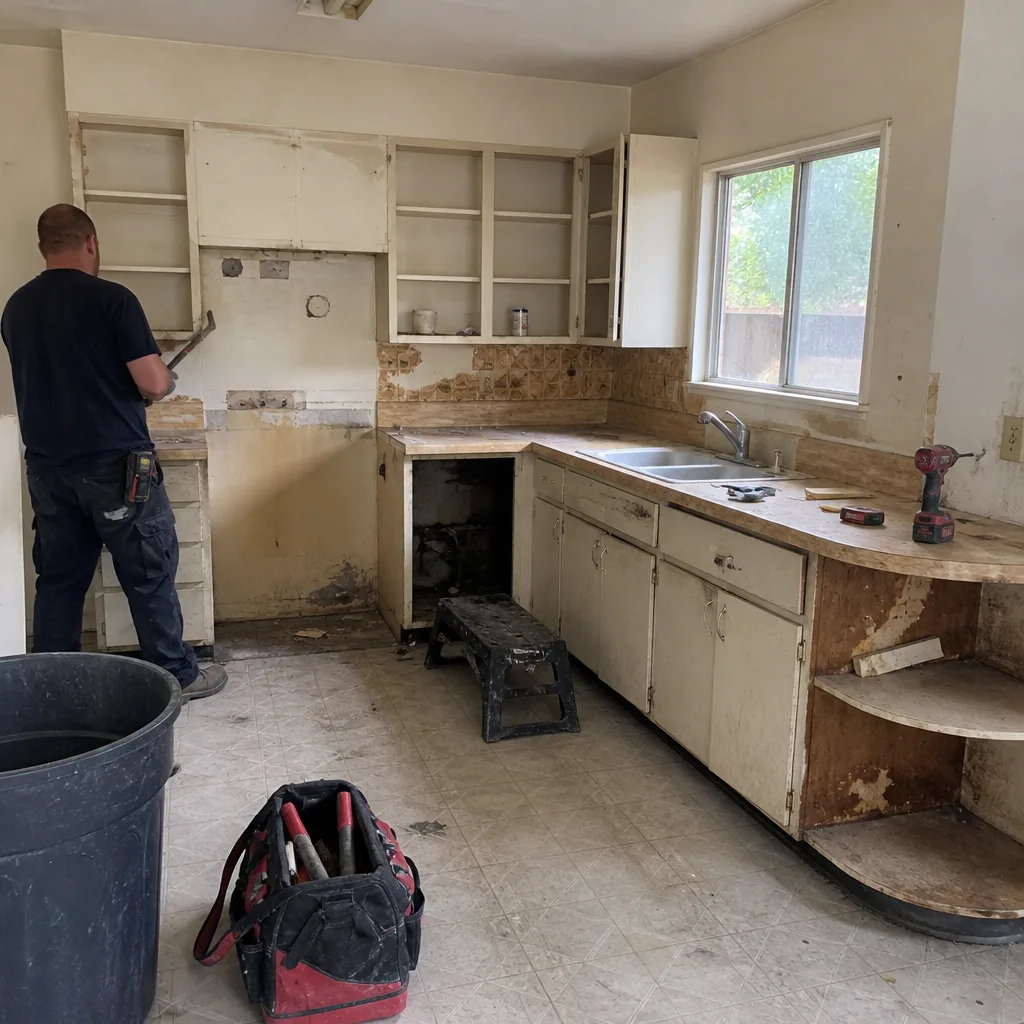 Before
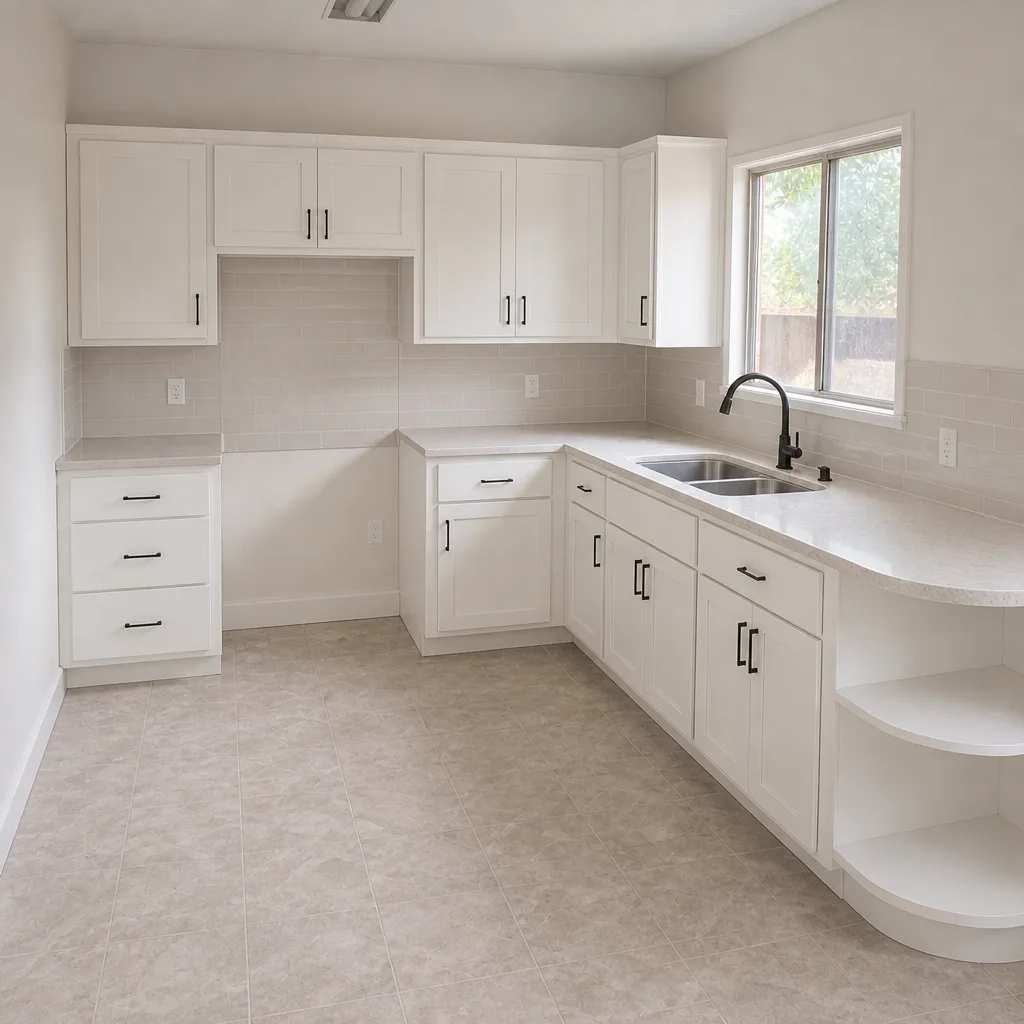 After
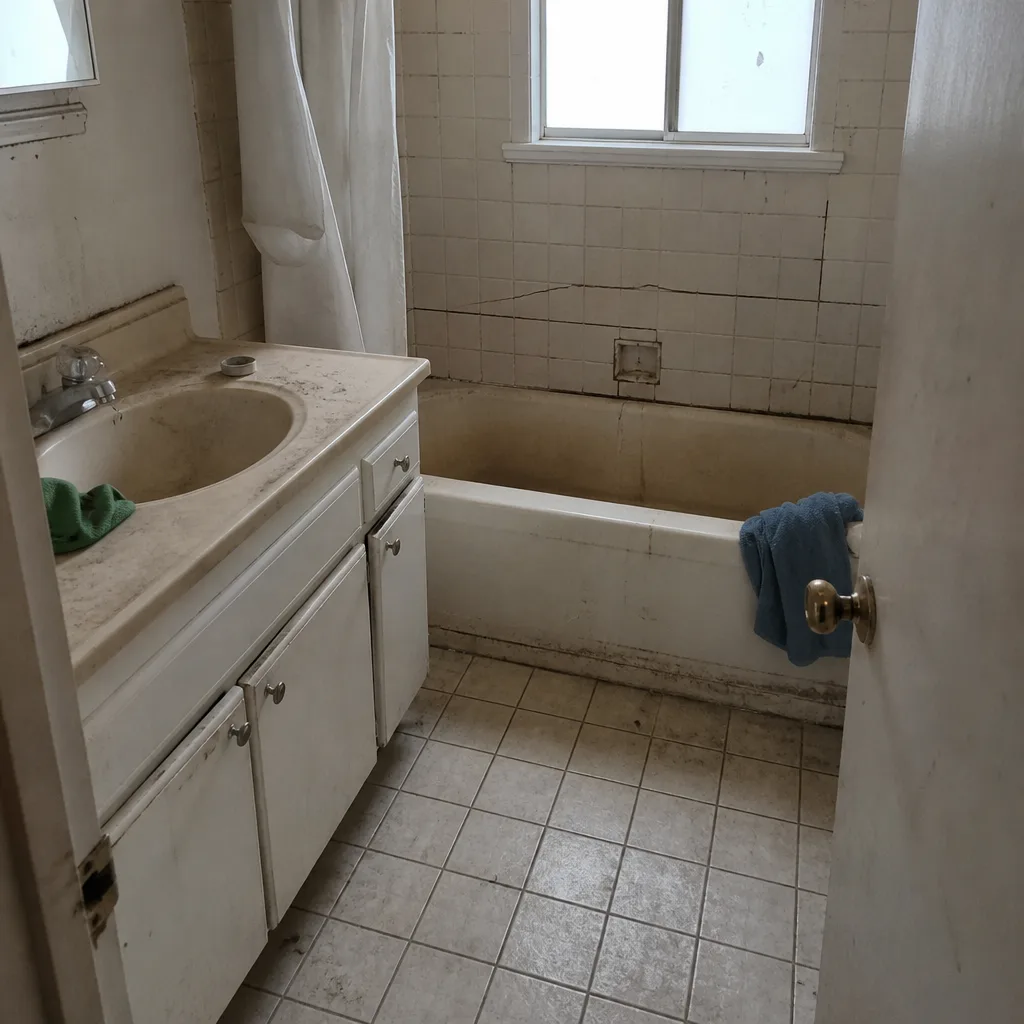 Before
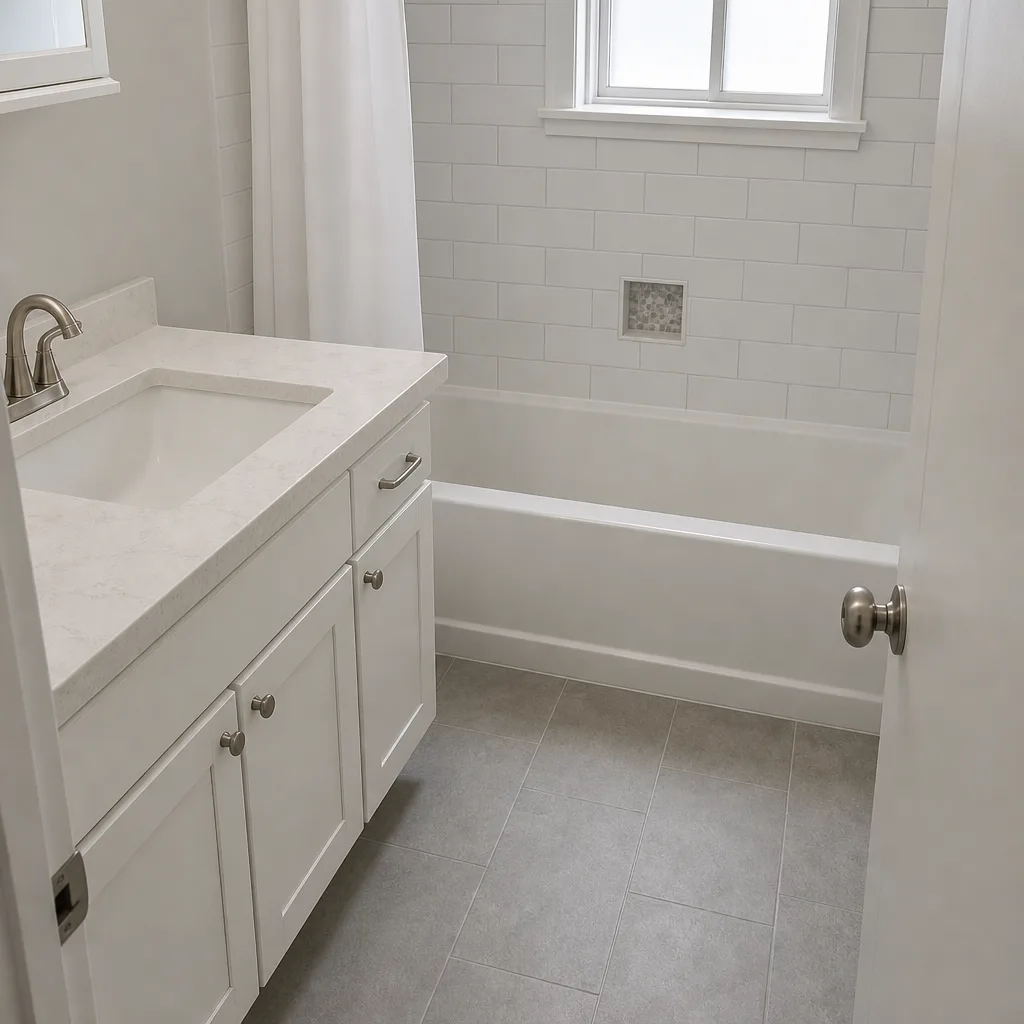 After
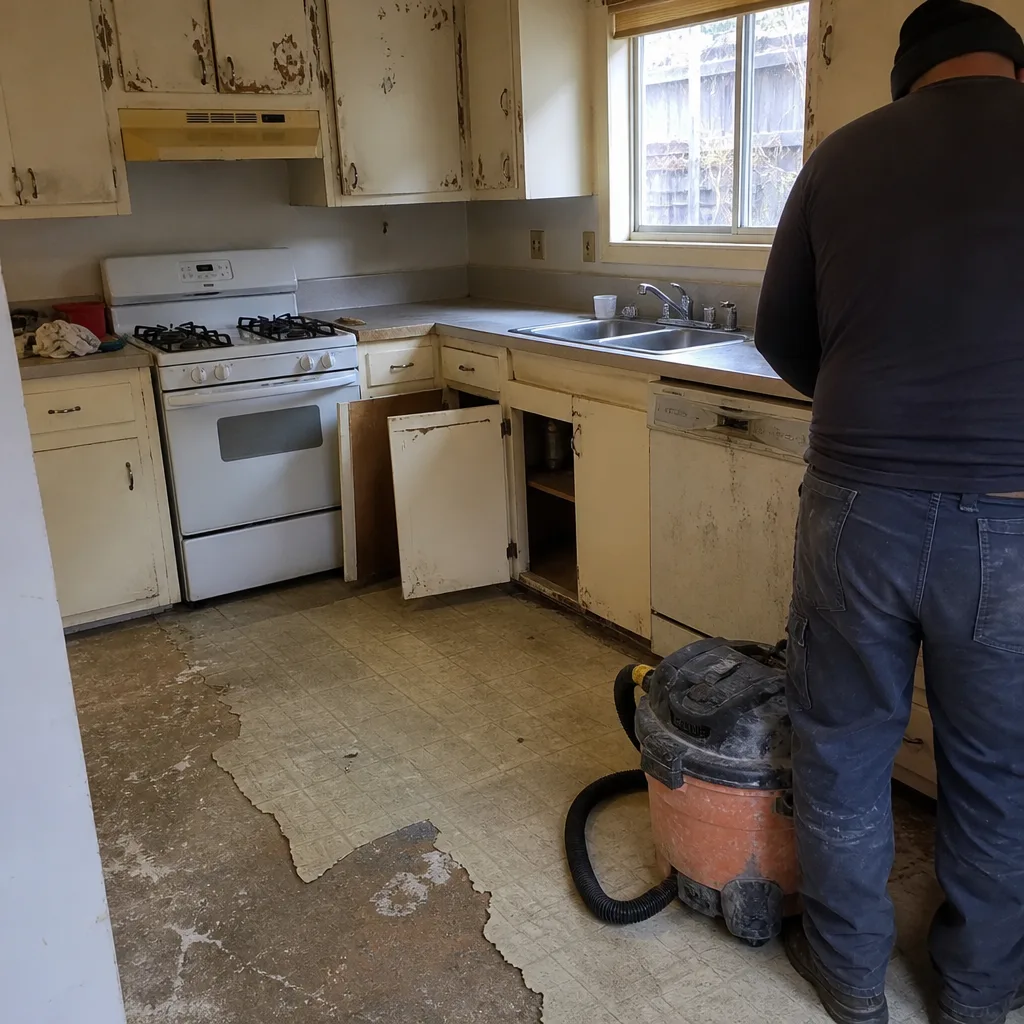 Before
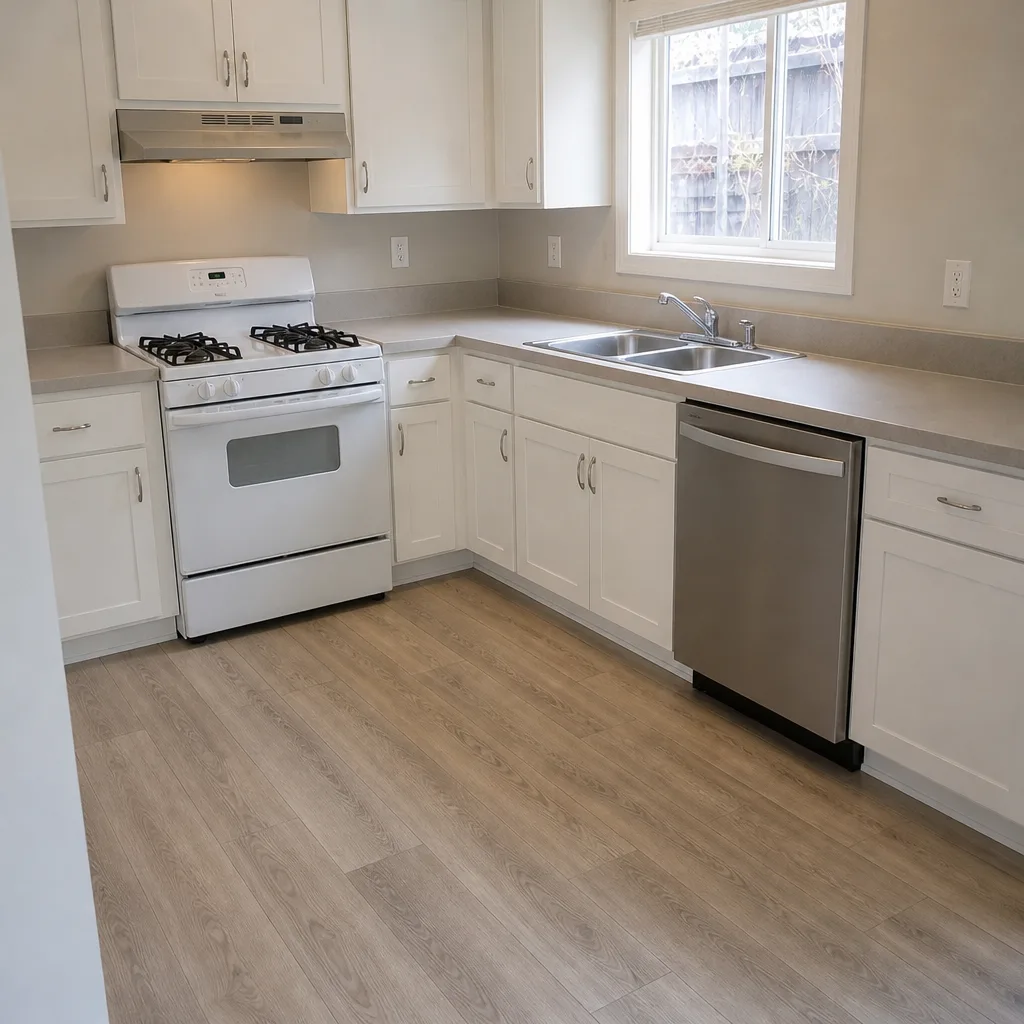 After