Last updated November 18, 2026


Free written scope consultation - allowances, timeline, and change-order rules on paper before a single trade is scheduled
How to Hire a Construction Contractor in Santa Rosa: A Step-by-Step Guide
The contractor who burned a Rincon Valley homeowner in 2023 had a clean CSLB license, five-star reviews, and certificates of insurance that turned out to be expired by the time work started. All three boxes checked. All three boxes meaningless. That’s the part most hiring guides won’t tell you: the standard checklist – three bids, look at reviews, ask for insurance – is table stakes, and it’s where due diligence usually stops. The mistakes that cost Santa Rosa homeowners real money happen one layer deeper, in the second and third questions almost nobody asks until it’s too late. This guide walks through those questions, in order, so you can sign a contract knowing exactly what you’re signing.
Quick Answer
To hire a construction contractor in Santa Rosa, verify more than the license: confirm the certificate of insurance is current and names your property, demand a written change-order clause before you sign, and understand that a bid significantly below the others usually means missing permits, unlicensed subs, or a mid-project repricing. Ask past clients specifically how the contractor handled surprises, delays, and disputes, not just whether they were happy. Then get everything in writing – scope, allowances, and every change order – and confirm who, by name and title, is actually accountable when something goes wrong.
Styles & brands we work with
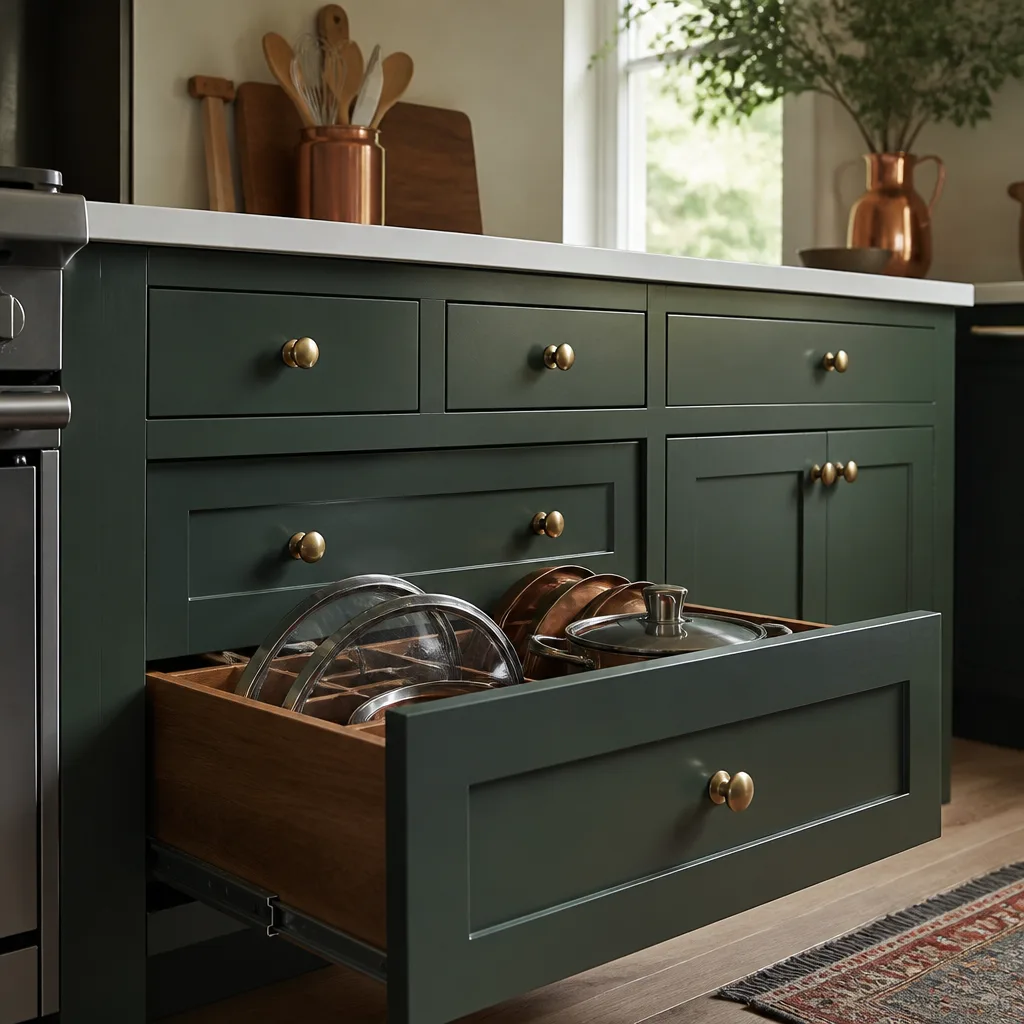
- Kitchen remodeling
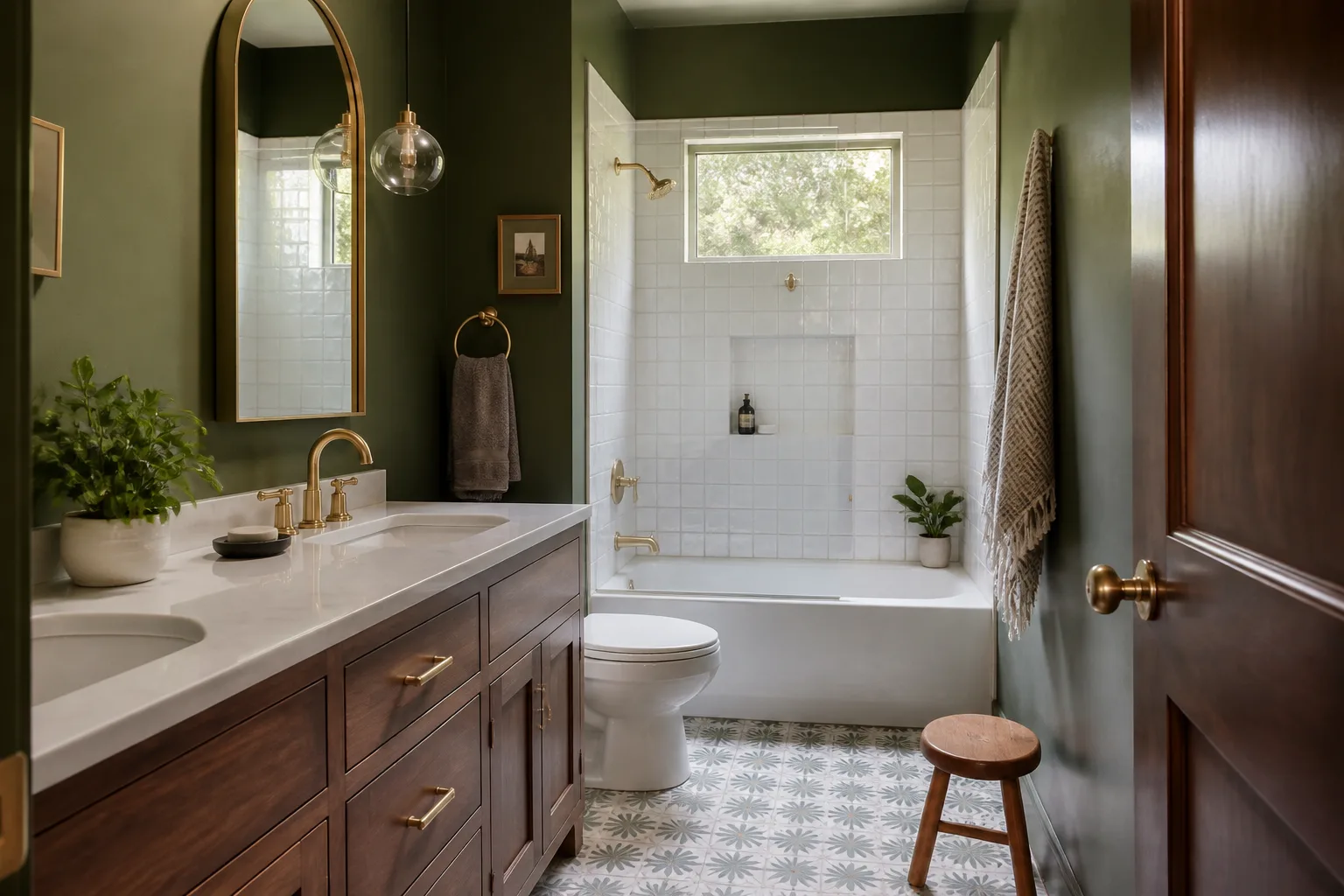
- Bathroom remodeling
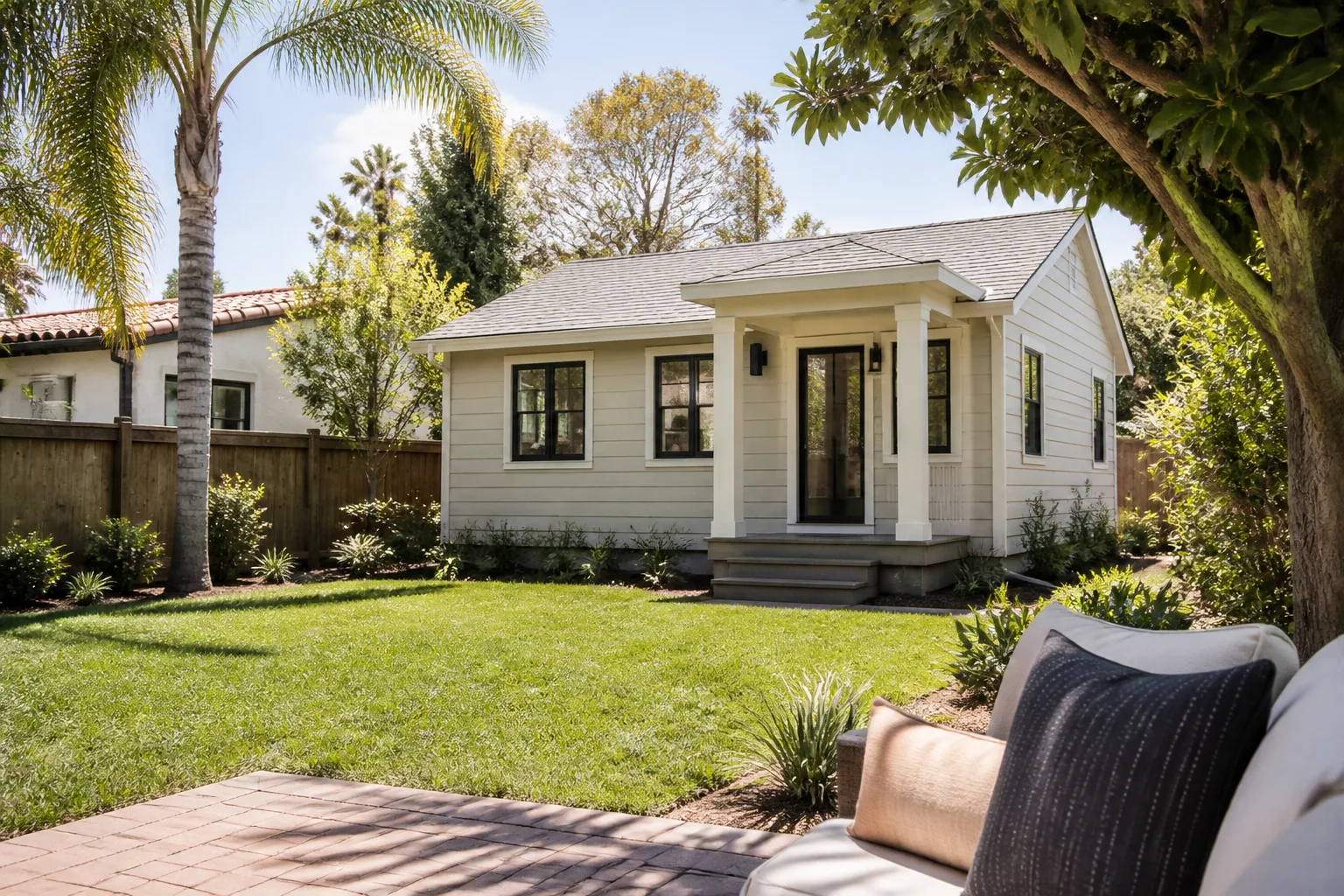
- Home additions & ADU
- Roofing
- Windows & doors
- Driveway & pavers
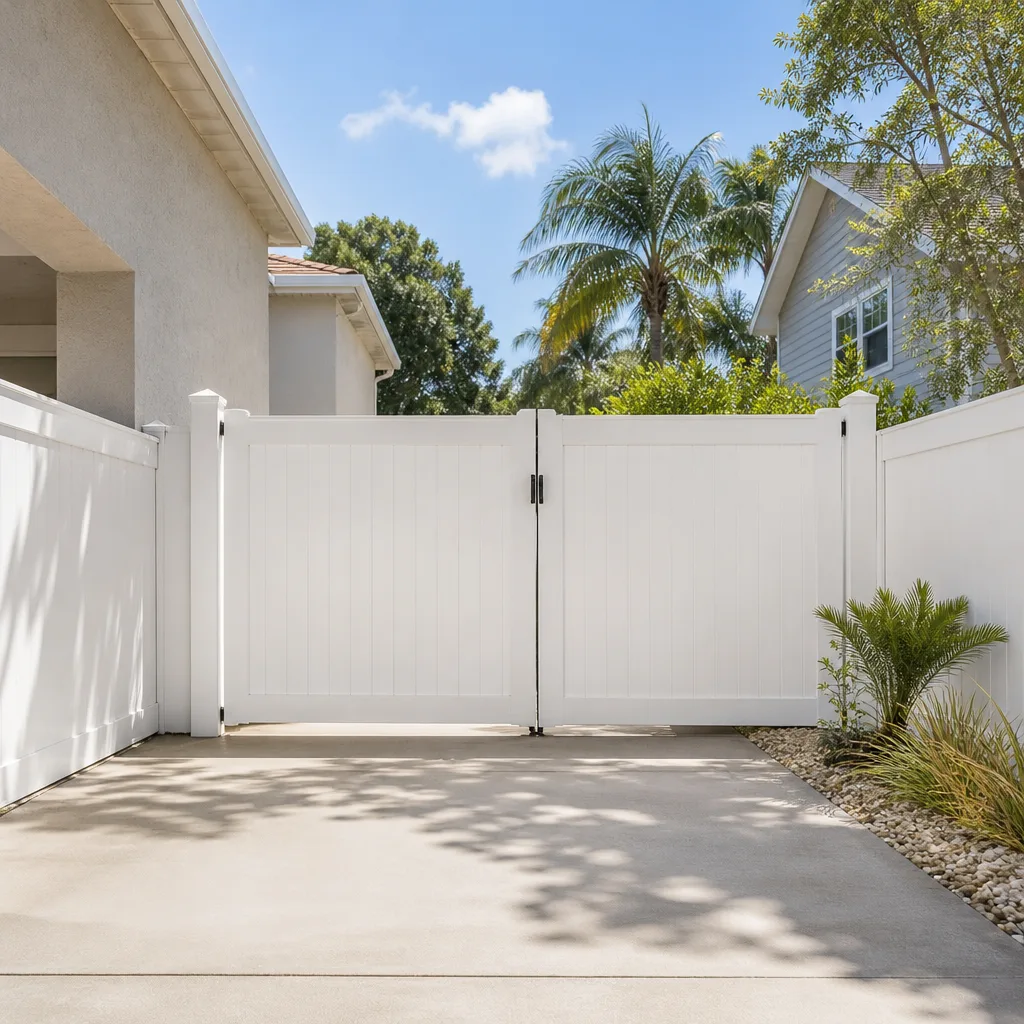
- Fence
Table of Contents
- Step 1: Verify Insurance Beyond the Certificate
- Step 2: Read the Contract for Change-Order Language
- Step 3: Decode the Lowest Bid Before You Sign
- Step 4: Ask Past Clients the Right Questions
- Step 5: Understand What “Owner-Operated” Actually Means
- Step 6: Confirm Permits and Inspections in Writing
- What’s Specific to Hiring a Contractor in Santa Rosa
- Common Mistakes to Avoid
Step 1: Verify Insurance Beyond the Certificate
The certificate of insurance is the easiest document to fake or let lapse. Anyone can hand you a PDF from a prior year, or a policy that expires the same month work starts. The only thing that matters is whether coverage is live on the day a worker is on your roof, and whether the policy actually names your property.
Here’s what to actually do, in order:
- Ask for a certificate of insurance with the general liability and workers’ compensation lines visible, not just a letter of good standing.
- Call the insurance agent listed on the certificate – not the contractor – and confirm the policy number, the effective date, and the expiration date.
- Ask whether your property address and project are specifically listed as the insured location, or whether you’re working off a general policy that doesn’t name your job.
- Ask what happens if the policy lapses mid-project. A serious contractor will tell you how they track renewals.
If a worker is injured on your property and the contractor has no active workers’ comp, you’re exposed. That’s not a hypothetical in Sonoma County, where small crews and subcontractors are common. We’ve watched homeowners assume the certificate on file was current and discover otherwise when a claim surfaced. The call to the agent takes five minutes. Make it every time.
Step 2: Read the Contract for Change-Order Language
This is the single most important sentence in any construction contract: how do scope changes get priced and approved? If the answer isn’t “in a written change order, signed before work proceeds,” you have a problem before the first nail goes in.
On any remodeling or addition project, scope will shift. A wall opens up and there’s rot. A client picks a different tile after the drywall is up. A plumbing line is where it shouldn’t be. None of that is unusual. What’s unusual is a contractor who handles those moments with a phone call and a verbal “we’ll figure it out.” That’s how the surprise invoice shows up at the end.
What to look for in writing:
- A clause stating that any change in scope, materials, or schedule is priced and signed in a written change order before the work happens.
- An allowance schedule that names each line item – tile, fixtures, cabinetry – with a dollar figure attached, so you know what’s included and what triggers an overage.
- A payment schedule tied to milestones, not to a deposit-plus-lump-sum structure.
- A dispute resolution section that tells you what happens if the two of you disagree.
If a contractor resists putting a change-order requirement in the contract, that resistance is the answer. A contractor who runs a clean job wants that clause there, because it protects both of you. Our position is simple: an allowance that isn’t on paper is a surprise waiting for a date. Ask for the clause. If they won’t sign it, walk.
Step 3: Decode the Lowest Bid Before You Sign
When one bid comes in 20 to 30 percent below the others on the same scope, it’s not because that contractor is more efficient. In Santa Rosa, it’s almost always one of three things: a plan to pull no permits, a plan to use unlicensed subs, or a plan to reprice mid-project once you’re committed.
Here’s how to spot which one:
- Missing permits: Ask directly which permits the bid includes and who pulls them. If the answer is “we don’t need a permit for that,” verify it with the city of Santa Rosa’s building department before you accept. Deck, addition, and structural work almost always require one.
- Unlicensed subs: Ask for the license numbers of every subcontractor who will be on your job – electrical, plumbing, HVAC. Cross-check each on the CSLB website. A bid that assumes unlicensed labor is a bid that assumes you’ll absorb the risk.
- Mid-project repricing: Look for a low bid with vague allowances, no change-order clause, and a large upfront deposit. That’s the setup for a repricing conversation at the worst possible moment for you.
The permit inspector works for you, not for the contractor. That’s why a contractor who pulls permits willingly is telling you something about how they run a job. A contractor who avoids them is telling you something too.
Step 4: Ask Past Clients the Right Questions
“Were you happy?” is the wrong question. Everyone who refers a contractor is happy, or they wouldn’t be on the referral list. The useful information lives in the questions about how the contractor behaved when things went sideways, because things always go sideways on a construction job.
Ask these five questions instead:
- What was the biggest surprise during your project, and how did the contractor handle it?
- Did the final price match the written estimate, or did it change? If it changed, how were you told?
- Did the project finish on the schedule you were given? If not, how did the contractor communicate the delay?
- Did you ever disagree with the contractor about something? How was it resolved?
- If you had to do it again, would you hire the same crew, and would you sign the same contract?
The answers to those five questions will tell you more than a hundred five-star reviews. A homeowner who says “there was a problem, here’s how it got fixed, and I’d hire them again” is a stronger reference than one who says everything was perfect. Perfect jobs don’t exist. Well-run jobs do.
Step 5: Understand What “Owner-Operated” Actually Means
“Owner-operated” gets used as a marketing label by plenty of companies that don’t operate that way in practice. The distinction matters because it answers the most important question in any construction project: when something goes wrong and you need someone with authority to fix it, who do you call?
On an owner-operated job, the accountable person is on-site. They see the work, they know the crew, and they have the power to make a decision without escalating to a company that’s three states away. On a large out-of-area outfit, your project is one number on a spreadsheet, and the person who handles your call may never have set foot in your home.
Here’s what to verify before you accept the “owner-operated” claim:
- Ask who exactly will be on your job site day to day, and whether that person has authority to approve a change or resolve a problem on the spot.
- Ask how many jobs the contractor has running at once. A crew stretched across too many jobs is a schedule risk.
- Ask for the contractor’s published address and license number, and look both up. A verifiable address and license, published on the website, is a real signal.
- Ask what happens when you call with a problem three weeks after the work is done. If the answer is “our warranty department,” you’re dealing with a system, not a person.
We’re not the only owner-operated contractor in Sonoma County, but the ones who are tell you plainly. We publish the name, address, and license number so you can verify before you sign. If a contractor won’t, ask yourself why.
Step 6: Confirm Permits and Inspections in Writing
The last contractor most homeowners used told them permits were optional. Sometimes that’s an honest mistake. Often it’s a shortcut that puts the risk on you, because an unpermitted structure can complicate a future sale, affect insurance, and cost real money to bring into compliance.
In Santa Rosa, permit requirements vary by project and by parcel – hillside properties, historic districts, and properties in specific zones carry different rules than a flat lot in a standard subdivision. What that means for hiring is simple: the contract should say, in writing, who pulls the permit and who pays for it.
What a properly written permit clause covers:
- Which permits the contractor will pull, identified by scope, not a vague “all required permits.”
- Who pays the permit fees and any inspection-related charges.
- Who is responsible for scheduling inspections and being on-site for them.
- What happens if an inspection fails and rework is required.
If a contractor tells you a permit isn’t needed on a job that obviously requires one – an addition, a structural alteration, a deck above a certain height – that’s a red flag, not a shortcut. Check with the city before you accept. The permit inspector is on your side of the table, even when it doesn’t feel like it on inspection day.
What’s Specific to Hiring a Contractor in Santa Rosa
Hiring in Santa Rosa isn’t the same as hiring in a newer metro where everything is built to a single-era code. This is an older city with a wide mix of housing stock – Craftsman bungalows near downtown, mid-century ranches in Rincon Valley, newer construction out toward Coffey Park – and the contractor you hire needs to understand all of it. A 1920s bungalow near McDonald Avenue has different structural realities than a 1990s build in Bennett Valley, and the crew that shows up should know that before the wall comes down.
Sonoma County’s wet winters matter too. That affects roofing schedules, exterior painting, and anything that requires dry conditions. A contractor who quotes a February exterior job without a weather contingency is either inexperienced or planning to leave you with an unfinished project through the rainy season. Ask how they handle weather delays, and confirm it’s in the schedule in writing.
Wildfire rebuild awareness has also changed how Santa Rosa contractors approach materials and defensible space. If your project is an exterior remodel or addition, ask whether the contractor is familiar with current wildfire-resistant construction standards for your zone. That’s a specific question most bidding contractors won’t volunteer, and the answer tells you who’s been paying attention.
If you’re considering a driveway or hardscape project, our overview of Driveway & Pavers in Santa Rosa covers the local material and drainage considerations in more detail. And if your project involves a new fence or an addition, see our guides to Fence Installation in Santa Rosa and Home Additions & ADU in Santa Rosa for the code and permit layers specific to those scopes.
Common Mistakes to Avoid
- Accepting a certificate of insurance without calling the agent. Plenty of Santa Rosa homeowners have been handed documentation that looked current and turned out to be expired by the time work started. Verify the policy is live and names your address.
- Signing a contract with no change-order language. Without it, scope changes become guesswork, and guesswork at the end of a job is expensive. Make the clause a condition of signing.
- Choosing the lowest bid on the same scope. If the number is substantially lower than the others, one of three things is being left out: permits, licensed labor, or honest pricing through the end of the job.
- Asking past clients only whether they were happy. Everyone on a referral list is happy. Ask about surprises, delays, and disputes instead, then judge how the contractor handled them.
- Taking “owner-operated” at face value without verifying. Ask for a published address and license number and look both up. If the contractor won’t publish them, the claim is marketing, not fact.
- Skipping permit verification because the contractor says it isn’t needed. In Santa Rosa, plenty of jobs require permits that a low bid may quietly skip. Confirm with the city before you sign.
- Ignoring the weather contingency on wet-season schedules. A February exterior project in Sonoma County needs a written plan for rain delays, or “two weeks” can quietly become two months.
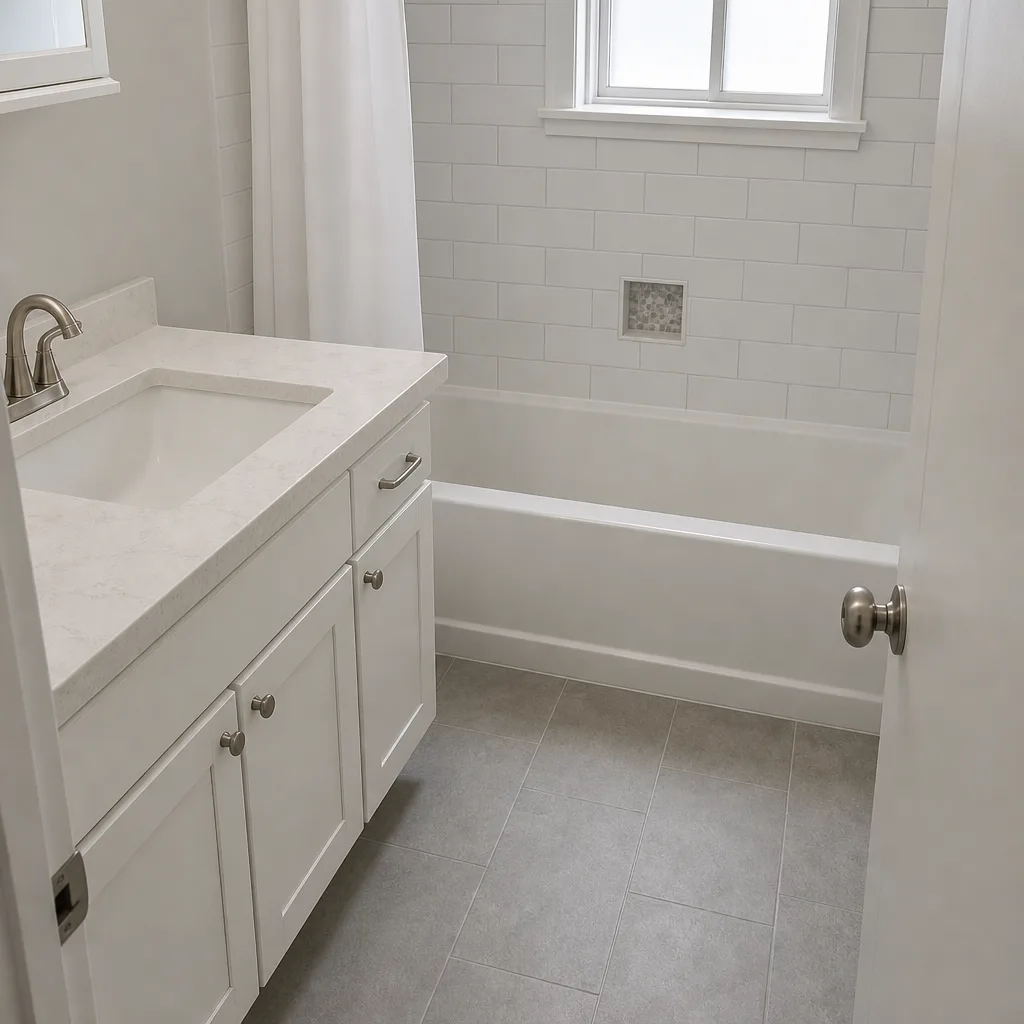
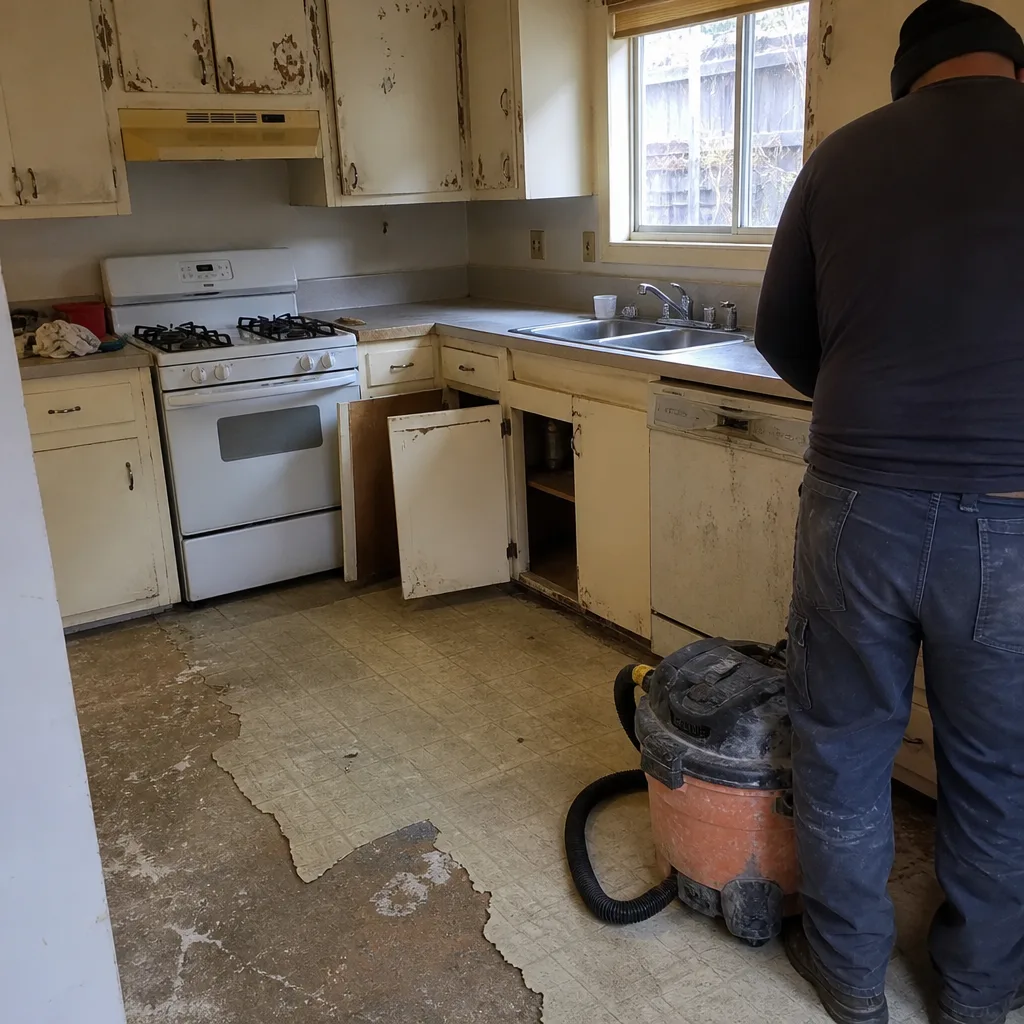
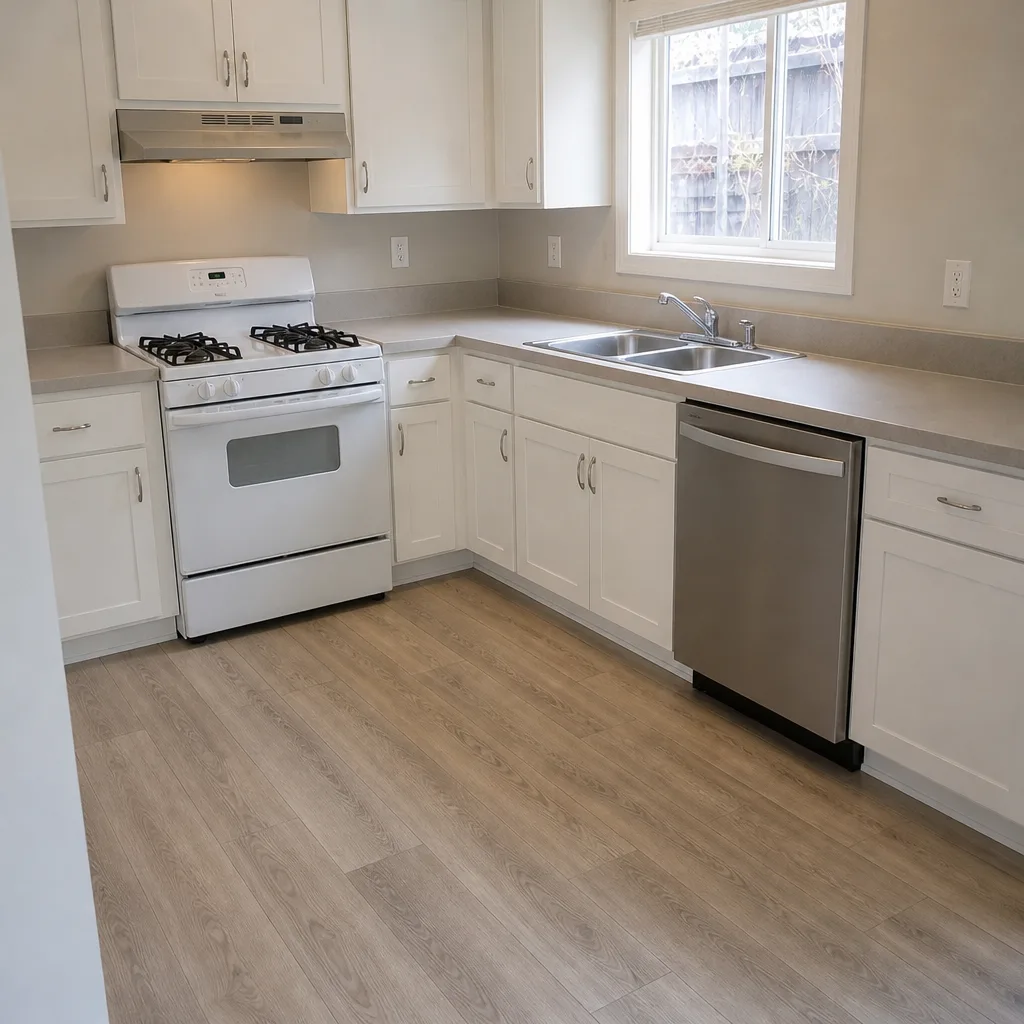
See the difference
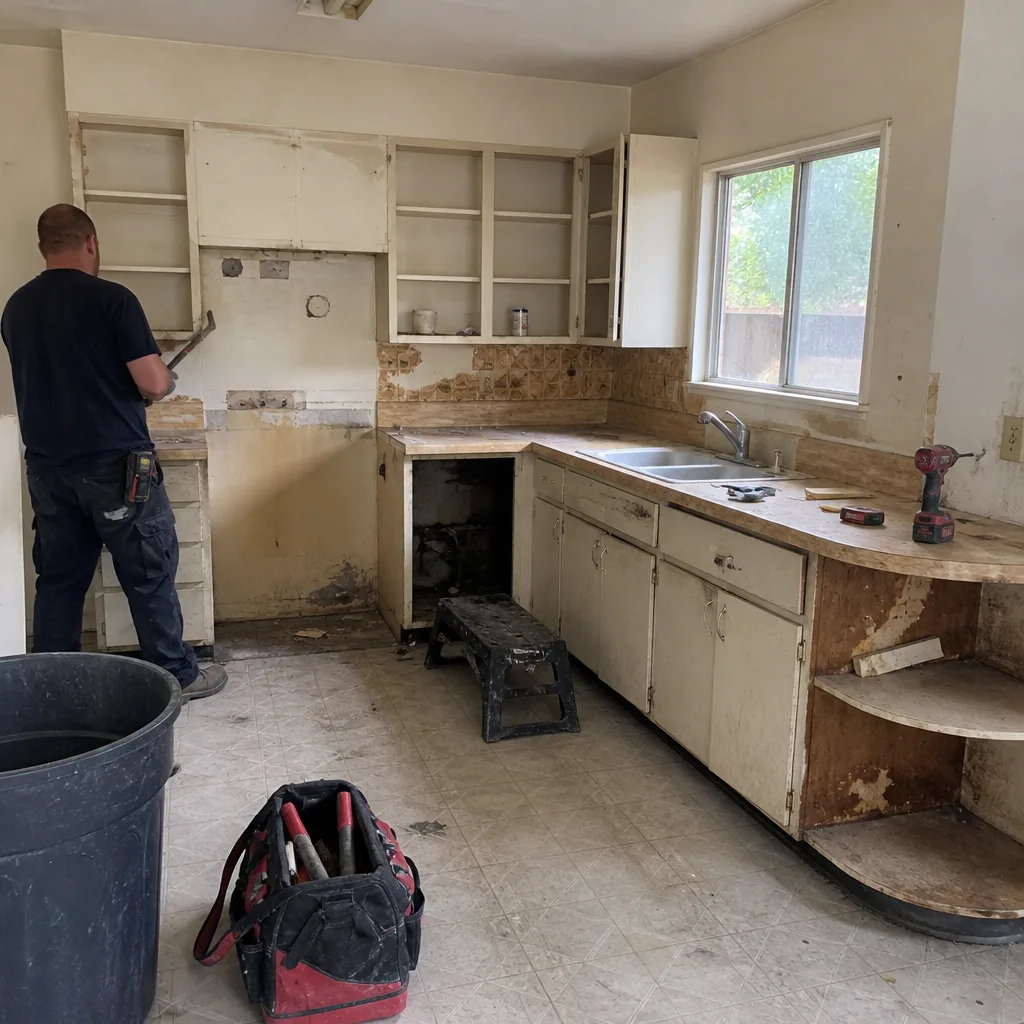 Before
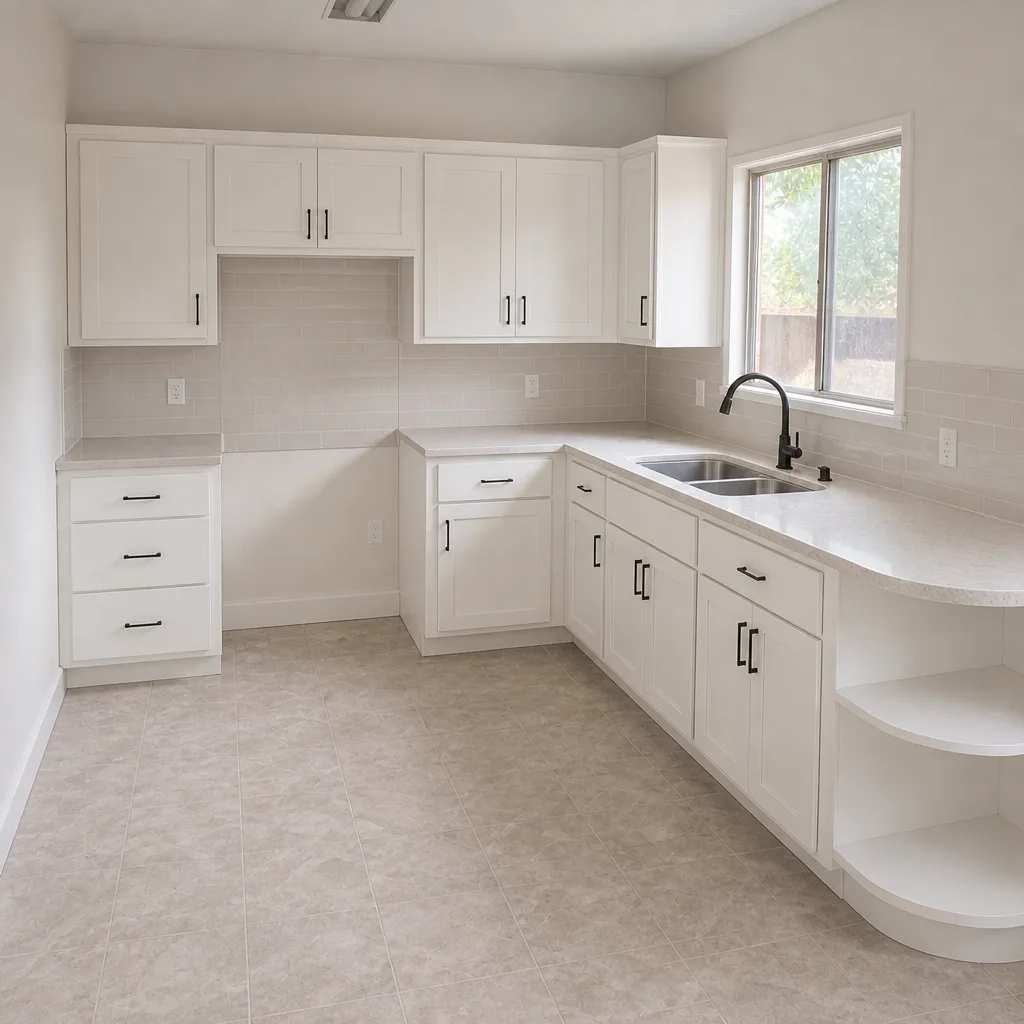 After
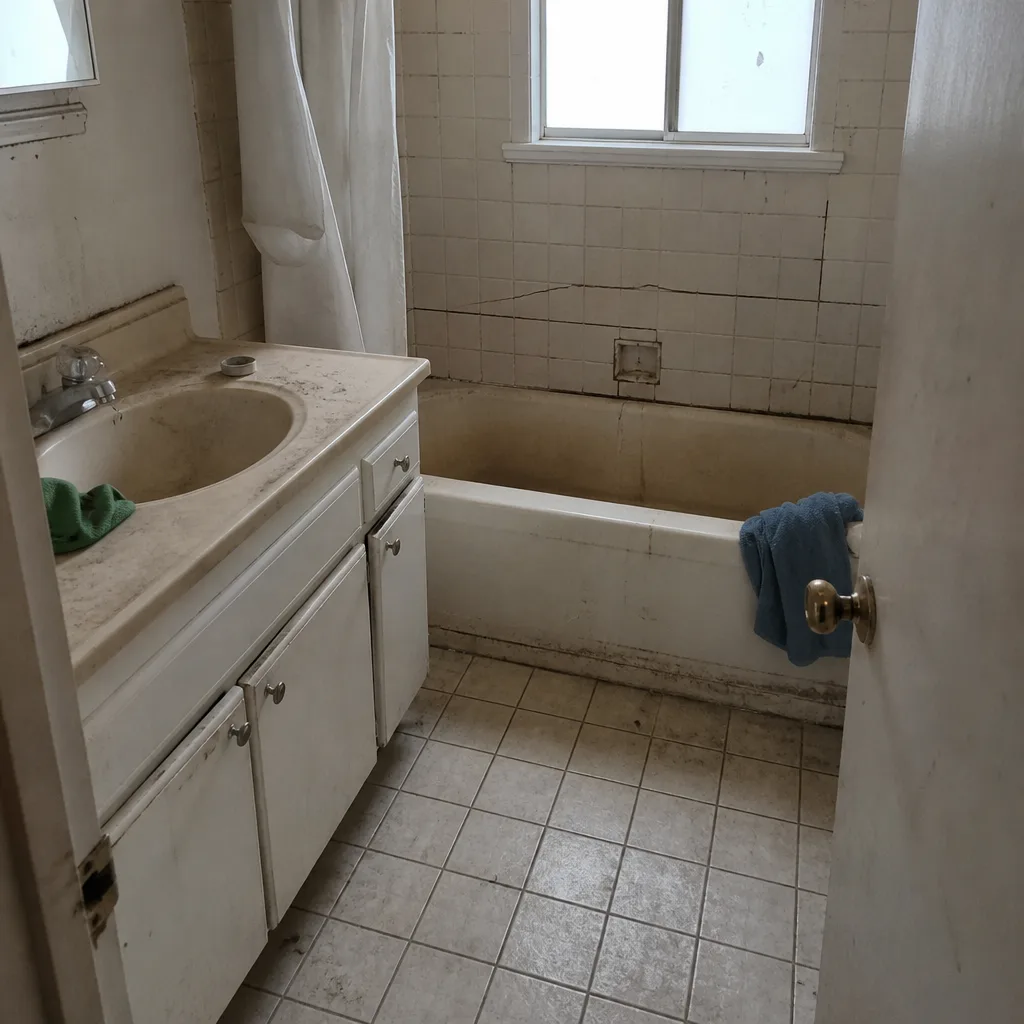 Before
 After
 Before
 After
When to Call a Professional
Some projects shouldn’t be a homeowner’s weekend job. Anything involving structural work, electrical panel changes, gas lines, roof height, or pulling a permit belongs with a licensed contractor – the safety risk and the cost of fixing a mistake both climb fast. In Santa Rosa, the same goes for hillside foundations, older-home electrical systems, and any addition that touches the building envelope. And even when a project is technically doable on your own, a contractor who pulls permits and backs the work with a written warranty may save you more than the DIY savings would.
Barrett & Sons Construction Santa Rosa offers free estimates in Santa Rosa – call (866) 864-4083. We bring 28 years of experience, a 90-Day Done Right Promise on every completed job, and written change orders on any scope change. Every eligible job includes permits pulled and inspections signed. A live person answers the phone 24/7.
For a broader view of the trades we cover, start with our Barrett & Sons Construction Santa Rosa home page.
Frequently Asked Questions
You confirm it by calling the insurance agent listed on the certificate of insurance directly, not by trusting the certificate itself. Ask the agent to verify the policy number, the effective and expiration dates, and whether your property address is specifically named as an insured location. A certificate that isn’t current or doesn’t name your property provides no real protection. Call (866) 864-4083 for a free second opinion on any written estimate you’ve received.
It should state that any change in scope, materials, or schedule is priced in writing and signed by the homeowner before the work proceeds. It should tie to a written allowance schedule that names each line item with a dollar figure, so you know what’s included and what triggers an overage. If a contractor resists putting this in the contract, that’s your answer about how the job will be run. Call (866) 864-4083 to talk through a contract you’re reviewing.
Because a bid significantly below the others on identical scope usually assumes one of three things: no permits pulled, unlicensed subcontractors, or a mid-project repricing once you’re committed. In Santa Rosa, a low bid on a structural or addition project is worth interrogating before you sign – ask which permits are included and for the license numbers of every sub on the job. Call (866) 864-4083 for a free second opinion on any written estimate.
Ask how the contractor handled the biggest surprise on the project, whether the final price matched the written estimate, how delays were communicated, and how a disagreement was resolved. Those five answers tell you more than a hundred five-star reviews, because they reveal how the contractor behaves when the job gets hard, which is when it counts. Call (866) 864-4083 to talk to us about how we handle surprises and change orders.
Ask for a published business address and license number, then look both up – a verifiable address and a published CSLB license are real signals, and a contractor who won’t provide them is making a marketing claim, not a factual one. Then ask who will be on your job site day to day and whether that person has the authority to resolve a problem without escalating. Call (866) 864-4083 to schedule a free estimate and meet the crew.
It depends on the scope and the parcel. Structural work, additions, decks above a certain height, and most electrical and plumbing changes require permits, but the specific rules vary by location and zone within Santa Rosa. Confirm directly with the city’s building department before signing anything, and put the permit responsibility in writing in your contract. Call (866) 864-4083 to ask about permits on your specific project.
The Bottom Line
The standard checklist – verify the license, check reviews, ask for insurance – gets you to the starting line, but it won’t protect you from the second-layer problems that actually cost money. The contractors worth hiring prove it in writing: current insurance that names your property, a change-order clause before work starts, permits pulled and inspections scheduled, and an owner-operated structure where the person accountable is a person you can reach. A bid that looks too good usually is, and a contractor who resists paperwork is telling you what the job will feel like. Get the estimate for free, get the scope in writing, and call the agent on the insurance certificate before you sign anything.
Barrett & Sons Construction has been owner-operated since 1998, and our crew members are background-checked and uniformed on every visit. Every eligible job comes with permits pulled and inspections signed, and every completed project is backed by the written 90-Day Done Right Promise. We install premium brands you can look up – KraftMaid, Cambria, GAF, CertainTeed, Andersen, Marvin, Therma-Tru, and Barrette – not mystery brands off a van. Our technicians have up to 28 years of experience. Current standing offers: $40 Off Any Repair Over $200, Free Second Opinion on Any Written Estimate, No Trip Charge Inside the County, and a permanent 10% Senior & Veteran discount. Call (866) 864-4083 for a free estimate.
Written by the team at Barrett & Sons Construction Santa Rosa.