Last updated November 18, 2026





Free written scope consultation - allowances, timeline, and change-order rules on paper before a single trade is scheduled
Fence Installation Maintenance Schedule: What to Do and When
The best time to stain or seal a wood fence in Santa Rosa is September, not spring. Most homeowners start thinking about their fence in March, right when the weather turns nice and the yard calls them outside. By then, the wood has already absorbed a full season of rain. Sonoma County puts wood through a specific stress cycle: bone-dry summers that crack and check the boards, then wet winters that drive moisture straight into those cracks. A maintenance schedule that ignores that rhythm applies the right treatment at the wrong time and wastes your money. Here’s the calendar we’ve built around how fences actually age in Santa Rosa, from spring hardware checks to the September sealing window.
Quick Answer
A wood fence in Santa Rosa needs four maintenance touchpoints a year: a spring hardware and gate inspection, late-summer cleaning and prep, staining or sealing in the September window, and a post-base check after the first soaking rain. Skip any one of these and you shorten the fence’s life. The single most important date on the calendar is September, when the wood is dry, the rain hasn’t started, and a fresh coat of sealer has weeks to cure before winter.
Styles & brands we work with
- Kitchen remodeling
- Bathroom remodeling
- Home additions & ADU
- Roofing
- Windows & doors
- Driveway & pavers
- Fence
Table of Contents
- Why Sonoma County’s Climate Sets the Schedule
- The Four-Season Santa Rosa Fence Calendar
- Spring Inspection: Hardware and Gate Checks
- Late-Summer Cleaning and Prep
- The September Staining Window
- Two-Minute Tests: Re-Stain or Just Clean?
- Post-Base Inspection After the First Rain
- Documenting Fence Condition Year to Year
Why Sonoma County’s Climate Sets the Schedule
Santa Rosa runs on a Mediterranean climate, which means almost all of its rain lands between November and April and the other half of the year is dry. For wood fence boards, that’s a punishing split. The dry months pull moisture out of the grain, and the boards shrink and check. Checks are those small lengthwise cracks you see on the face of a board. They’re normal, and they aren’t a defect. They are, however, an open door. When winter arrives, water gets into those checks, the wood swells, and the crack widens a little each cycle.
That’s the whole reason the schedule matters so much in Santa Rosa. A fence in a wetter, steadier climate can get away with a flexible “seal it sometime in summer” approach. Here, the treatment window is narrow and specific: the wood needs to be dry, the rain needs to be weeks away, and temperatures need to stay warm enough for the product to cure. Aim for the middle of that window and sealer lasts years. Miss it and you’re sealing damp wood that traps moisture underneath, which is worse than doing nothing.
Neighborhood matters, too. Fences up in the hills above Santa Rosa, where the fog lingers, hold moisture longer into the morning and dry slower through the summer. Down in the valley flats, boards dry out fast and check deeper. The September target works for both, but hill properties often benefit from pushing the staining job toward the back half of the month and flats from the front.
The Four-Season Santa Rosa Fence Calendar
This is the whole schedule on one page. Print it, stick it on the fridge, or set phone reminders for these four checkpoints.
- Spring (March through May): inspect hardware and gates. Walk the fence line, check every gate hinge, latch, and post connection. Look for rusting fasteners, loose brackets, and posts pulling away from rails. Tighten and lubricate while the weather is easy.
- Late summer (July through August): clean and prep. Scrub off dirt, algae, and weathered gray wood so the sealer has a clean surface to bond to. This is the project stage, not the celebration stage. Cleaning is what makes the September coat last.
- September: stain or seal. This is the main event. The wood is dry from the summer, the rain is still weeks out, and the product has warm weather to cure. Book the job early because this window is short.
- After the first soaking rain (typically November): check post bases. Get down at ground level and inspect where each post meets soil. This is where hidden rot starts, and this is when you catch it before it costs you a post replacement.
That’s the skeleton. The sections below explain each checkpoint in enough detail that you can actually execute it.
Spring Inspection: Hardware and Gate Checks
Gates are the moving parts of a fence, and moving parts are the first to fail. Spring is the best time to get ahead of gate problems because the wood is swelling from winter moisture and you’ll see the effects of a season of use. A gate that squeaks in April is a gate that will drop and drag by summer.
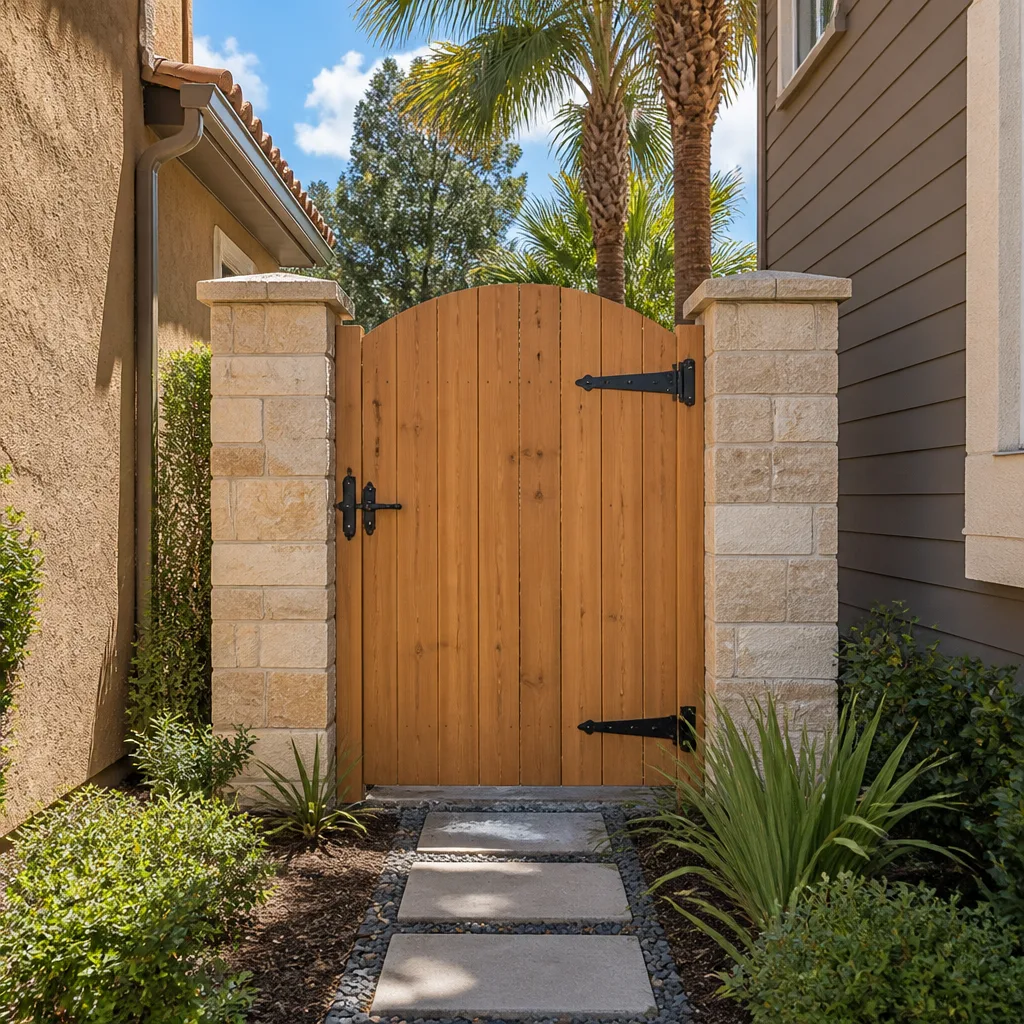
Here’s what we check on a typical residential Santa Rosa install. Gate hardware in this area usually comes down to three common types: strap hinges and T-hinges on wood gates (the most common around here), heavier self-closing gate closers on any pedestrian gate near a driveway, and simple thumb-latch or gravity-latch sets on back gates. Each one has its own failure point.
- Strap and T-hinges: check that the screws are still biting into the post. On older gates, screw heads strip and pull out. Lubricate the hinge pin once a year with a general-purpose grease or silicone spray and the gate will stop squeaking.
- Self-closing gate closers: check that the gate still latches fully under its own power. Closers can weaken and stop pulling the gate all the way shut, which leaves a gap and wears out the latch.
- Thumb-latch and gravity-latch sets: the pivot and spring wear out before the latch itself does. A few drops of lubricant a year keeps them working. If they’ve stopped engaging cleanly, replace them.
- Post-to-rail connections: look for brackets or fasteners that have backed out. A rail pulling away from a post puts all the load on one connection point.
Post connections matter as much as gate hardware. If a post has started leaning, spring is when you address it, because a leaning post in summer just gets worse when the dry ground opens up around it.
If fence hardware and gate adjustment are on your short list and you’d rather have it handled in one visit, we do exactly that kind of inspection work. Our crews bring the same written scope they bring to bigger jobs, and you can see the full range of what we build and repair on our Fence Installation in Santa Rosa page.
Late-Summer Cleaning and Prep
Cleaning is the step most homeowners skip, and it’s the step that decides whether your September sealer lasts two years or five. Sealer bonds to wood, not to dirt. A coat applied over algae, pollen, and weathered gray grain will peel inside the first wet season.
The window for cleaning is July and August. You want the wood dry, and you need a few weeks between cleaning and sealing so any moisture you introduce with washing has time to evaporate. Here’s the sequence:
- Wash the surface. A gentle power wash keeps wood fibers intact on most fences, but use a wide tip and keep the pressure low. Higher pressure can gouge the boards and drive water into checks you can’t reach with a sealer later. A garden hose, brush, and a wood-safe cleaner handles most jobs without power washing at all.
- Let it dry for several days. Once the surface is clean, give the fence a few days of warm dry weather before testing.
- Run the water-bead test. Splash a bit of water on a clean board. If the water beads up, the fence still has sealer on it and you can wait. If the water soaks in and darkens the wood evenly, it’s time to seal.
- Check for checking and splintering. Run your hand along a face board. If it feels fuzzy or splintery, that board has lost its protective coat. Anywhere the grain has checked deep, note it before you seal.
Check the fence line for physical problems while you’re cleaning. Loose boards, popped nails, and a gate that suddenly needs to be lifted to close are all worth noting now, so they get fixed before the sealer goes on. Wood fences across Santa Rosa and the rest of Sonoma County deal with the same list of issues each summer: sun darkening the fence gray on the south-facing side first, algae settling on the shaded north side, and the boards closest to the ground getting the most wear.
The September Staining Window
The September window is the heart of this whole schedule, and it’s short. You’re working between two hard edges. On the early side, summer heat has to have dried the wood out completely. On the late side, the first soaking rain has to still be a few weeks out. In Santa Rosa, that’s typically mid-September to early October, but the actual date depends on the year and where you sit relative to the hills.
Practical timing notes for this window:
- Watch the forecast. Wood needs at least two or three dry days after application, and ideally a full week, before rain. If rain is coming, wait.
- Check wood moisture with the two-minute test. Splash a little water on the wood. If it soaks in fast and takes a while to lighten, the wood is dry and ready. If it sits on top and beads, the sealer is still there; wait another year.
- Choose the product to match the wood. Clear sealer is the fastest path when the fence is in good shape. A semi-transparent stain extends life and gives you color. Solid stain will cover a fence you’re trying to hide flaws on, but it can make future maintenance harder, so use it with care.
- Seal in dry, warm, calm weather. Don’t apply sealer if rain is in the forecast or if the wood is still damp from morning fog.
For finish work that ties the whole yard together, the design choices can matter as much as the maintenance. We’ve done plenty of fences alongside hardscape projects, and a fence that pairs well with the yard (a picket or shadowbox style against a paver path, for example) is one that lasts longer and looks better while it does. If you’re planning that kind of full-yard project, our Driveway & Pavers in Santa Rosa work runs alongside it regularly.
Two-Minute Tests: Re-Stain or Just Clean?
Before you spend a weekend staining, take two minutes with these tests. They answer the question every homeowner actually has: does the fence need me this year, or can it wait until next September?
The water-bead test. Pour or splash a bit of water on a few different boards. If the water beads up and rolls off, the sealer is holding and the fence can wait. If it soaks in and darkens the surface evenly, the protective coat has worn off and it’s time to clean and re-seal. Check a few different areas because the south-facing side of a fence always wears first in Santa Rosa.
The splinter-absorbency test. Run the back of your hand and then your fingertips along the face of the boards. A sealed, protected fence feels smooth and slightly cool. A fence that’s lost its coat feels dry, fuzzy, or splintery, and corners of boards will catch your fingertips. If it feels that way, cleaning alone won’t solve it; the fence needs a new coat.
What each result tells you:
- Water beads up, boards feel smooth: sealed and holding. Clean off dirt and wait another year.
- Water soaks in, boards feel dry: the wood is unprotected. Plan to clean this summer and seal in September.
- Water soaks in fast, boards feel splintery or gray: the fence has lost its coat and is absorbing moisture quickly. Cleaning plus a sealing job this year.
- Water beads up, but boards are gray and dirty: the sealer is partly there but the surface is soiled. Clean, then re-test in a few weeks.
Note the dates when the tests change from “beads up” to “soaks in.” That’s your fence’s personal maintenance interval, and it’s more reliable than any general rule of thumb.
Post-Base Inspection After the First Rain
This is the one item on the calendar that most homeowners forget entirely, and it’s the one that saves the biggest repair bill. Wood posts rot from the bottom up, where they meet soil, and the first soaking rain of late fall is when the weakness shows. Wet wood around the base darkens, softens, and holds moisture longer.
What to do: get down at ground level after the first real rain of the season (usually November in Santa Rosa) and check every post base with a screwdriver or a stiff probe. Two things to know:
- Surface darkening is normal. Wet wood always looks darker, and a slightly darkened band at the base of a post isn’t a problem by itself.
- Soft wood is an early warning. If a screwdriver sinks into the post base more than a couple of millimeters, the post has rot inside and should be scheduled for replacement before it fails.
Post bases fail before the rest of the fence does. A fence that needs one or two posts replaced is a fence that will last another decade; a fence that falls over is a fencing job. That’s the difference between a modest repair and a full rebuild, and this check is how you catch it early.
Post replacement and fence repair are jobs we handle regularly, and it’s the kind of work that’s worth having done by someone who will check the whole line while they’re at it. Our crews bring the same written scope to a post repair that they bring to a new fence. If your post-base check turns up something that needs a hand, learn more about Barrett & Sons Construction Santa Rosa home for the full picture of how a repair job runs from scope to inspection.
Documenting Fence Condition Year to Year
A dated photo log of your fence is one of the most useful things you can keep, and almost nobody does it. Five minutes once a year. Here’s why it pays off.
Take photos on the same day each year, ideally right after your late-summer cleaning but before you seal. Shoot from the same angles every time: each gate, each corner, the south-facing fence run, and a close-up of each post base. Label the file with the date and the location (front yard, back run, gate). Then save the photos somewhere you’ll find them again.
What the log gets you:
- Warranty claims. If a fence material or sealer manufacturer asks for evidence of condition, dated photos answer the question in seconds instead of a long back-and-forth.
- Neighbor disputes. A shared fence line is shared liability in a lot of neighborhoods. A dated log settles “was it like that before?” questions without anyone needing to argue.
- Home sale disclosures. When you sell, a photo log shows a prospective buyer you’ve maintained the fence, which is exactly the kind of thing that shortens the negotiation.
- Your own decisions. Watching the same two gates year to year tells you whether the boards are failing or if it’s just hardware that needs adjusting. You’ll stop wondering “has this always been like that?”
The first year is the hardest part because you’re creating the baseline. After that, it’s a few photos and a file name.
Common Mistakes to Avoid
- Sealing in March. Spring is when most Santa Rosa homeowners think about their fence, but sealing in March traps winter moisture into the wood and the coat fails by the next wet season. Seal in September.
- Staining wood that’s still damp from morning fog. Fences up in the hills hold the fog well into the day. If the wood is still cool and damp to the touch, wait. Sealer on wet wood peels.
- Power washing a fence at high pressure. It feels efficient and it’s the fastest way to damage the boards. A wide tip and low pressure, or a garden hose and brush, is safer for a residential fence in Santa Rosa.
- Ignoring the gate until it drags. A squeak and a slow drag are early warnings. Lubricate the hardware once a year in spring and you add years to the gate’s life.
- Skipping the post-base check because the fence “looks fine.” Post rot starts underground and shows up as a sudden failure. The base check costs five minutes and it’s the single best defense against a reconstruction.
- Choosing a solid stain to cover gray boards. Solid stain hides the gray, but it also locks the wood into a harder maintenance cycle and can look patchy as it wears. Semi-transparent is usually the better choice for a fence you plan to keep.
- Skipping the written scope on fence work. A fence repair without a written scope is a project where “we found another problem once we opened it up” becomes a surprise invoice. Always get the scope, the materials, and any change orders in writing before the crew starts. Tom Barrett’s version of that rule is simple: an allowance that isn’t on paper is a surprise waiting for a date.
See the difference
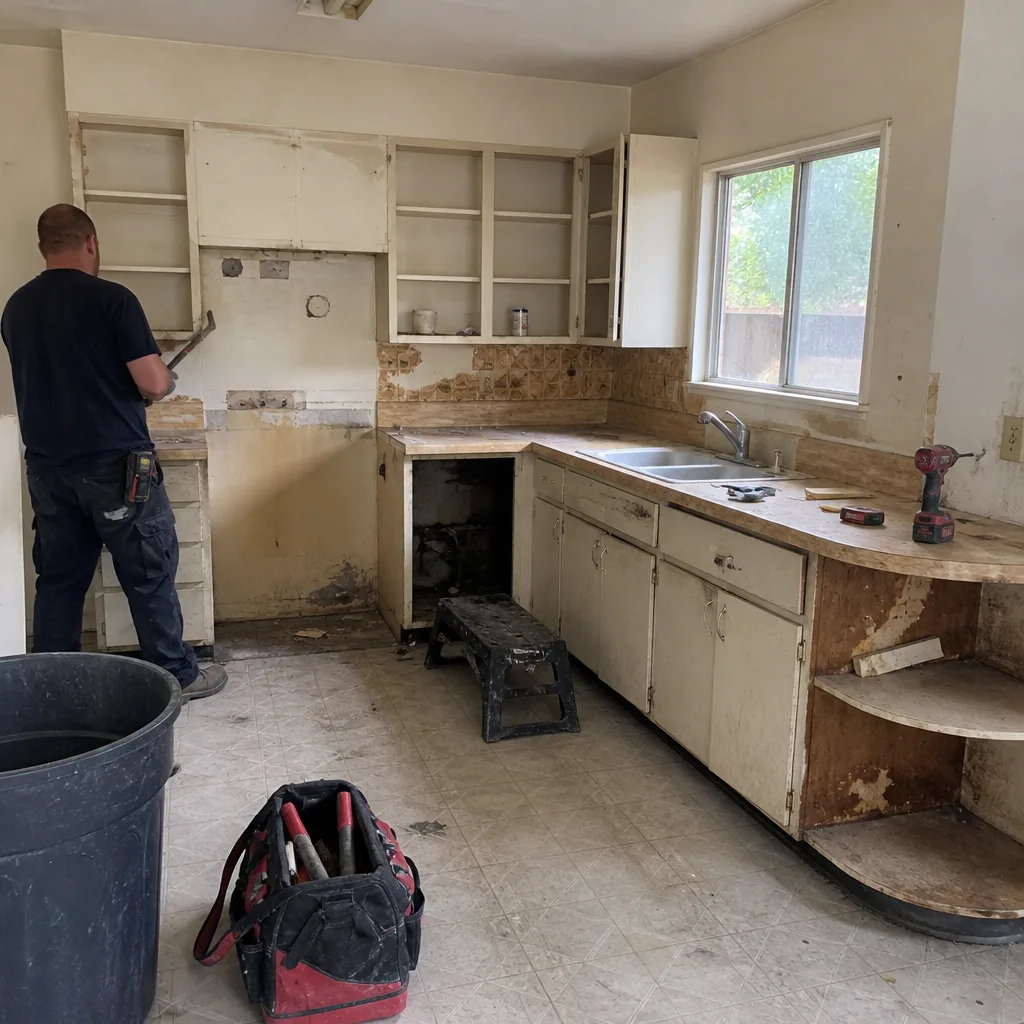 Before
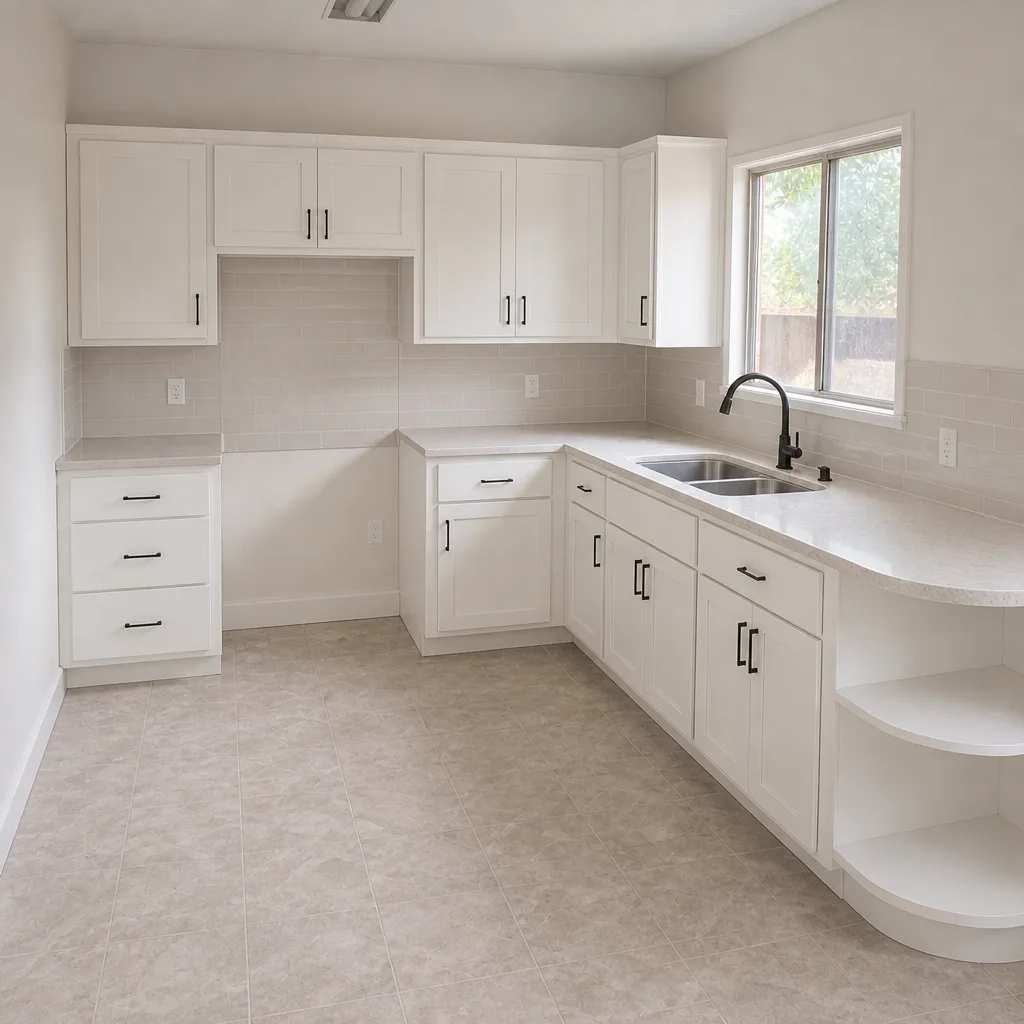 After
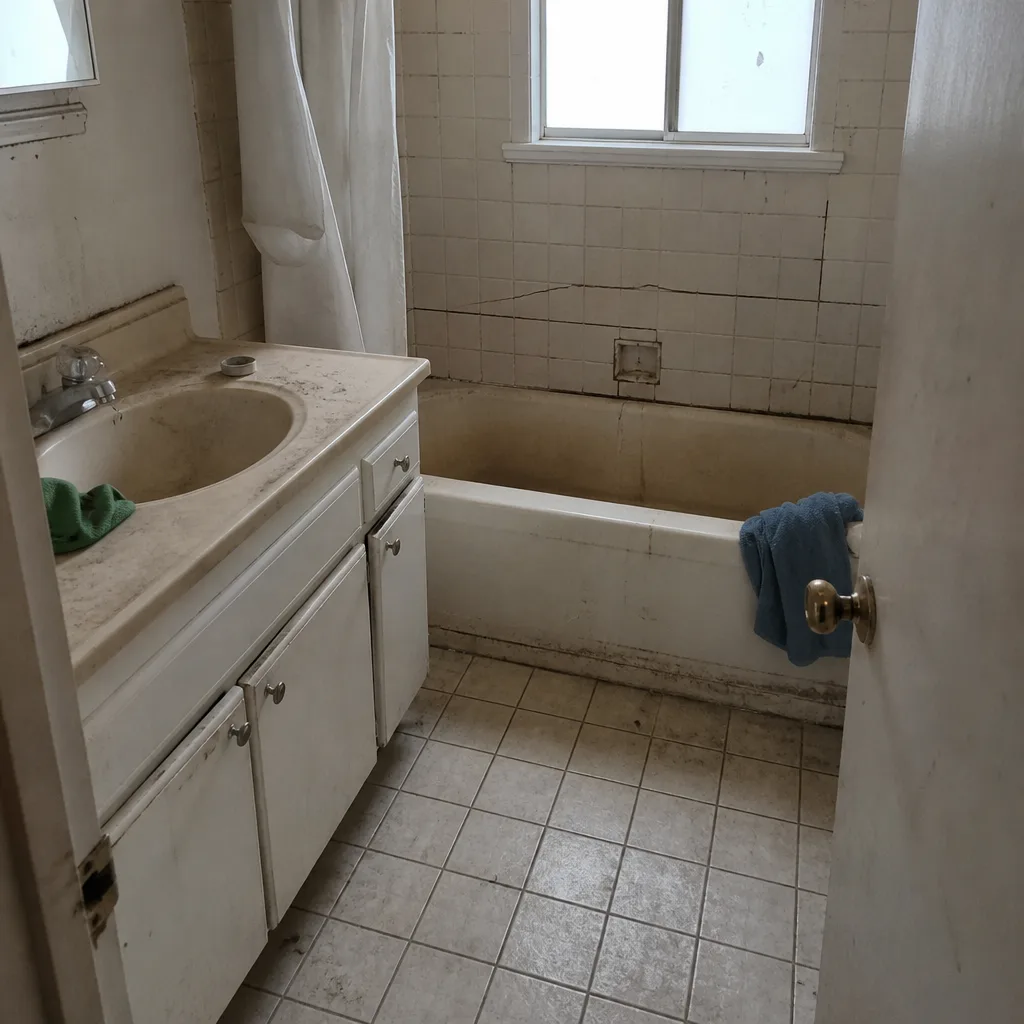 Before
 After
 Before
 After
When to Call a Professional
Some of this schedule is genuinely homeowner work: the water-bead test, the post-base probe, the annual photos, the hinge lubrication. Other parts are best handled by a crew that does it all the time, especially when posts are soft, a gate has dropped and won’t latch, or the fence line is long enough that a weekend job turns into two weekends.
We recommend calling a professional when a post shows soft wood, when a gate has lost its alignment and won’t close cleanly, when the fence line is long enough that you’re staring at a two-week project, or when it’s been two years or more since the last sealing and you aren’t certain of the fence’s condition. Those are the cases where a professional assessment costs far less than a rebuild. Barrett & Sons Construction Santa Rosa offers free estimates in Santa Rosa – call (866) 864-4083. Every eligible job gets permits pulled and inspections signed, every price change arrives as a written change order before work moves, and every completed job is backed by the written 90-Day Done Right Promise. Our crews have up to 28 years of experience, and we bring the same written scope to a fence repair that we bring to a larger project.
Frequently Asked Questions
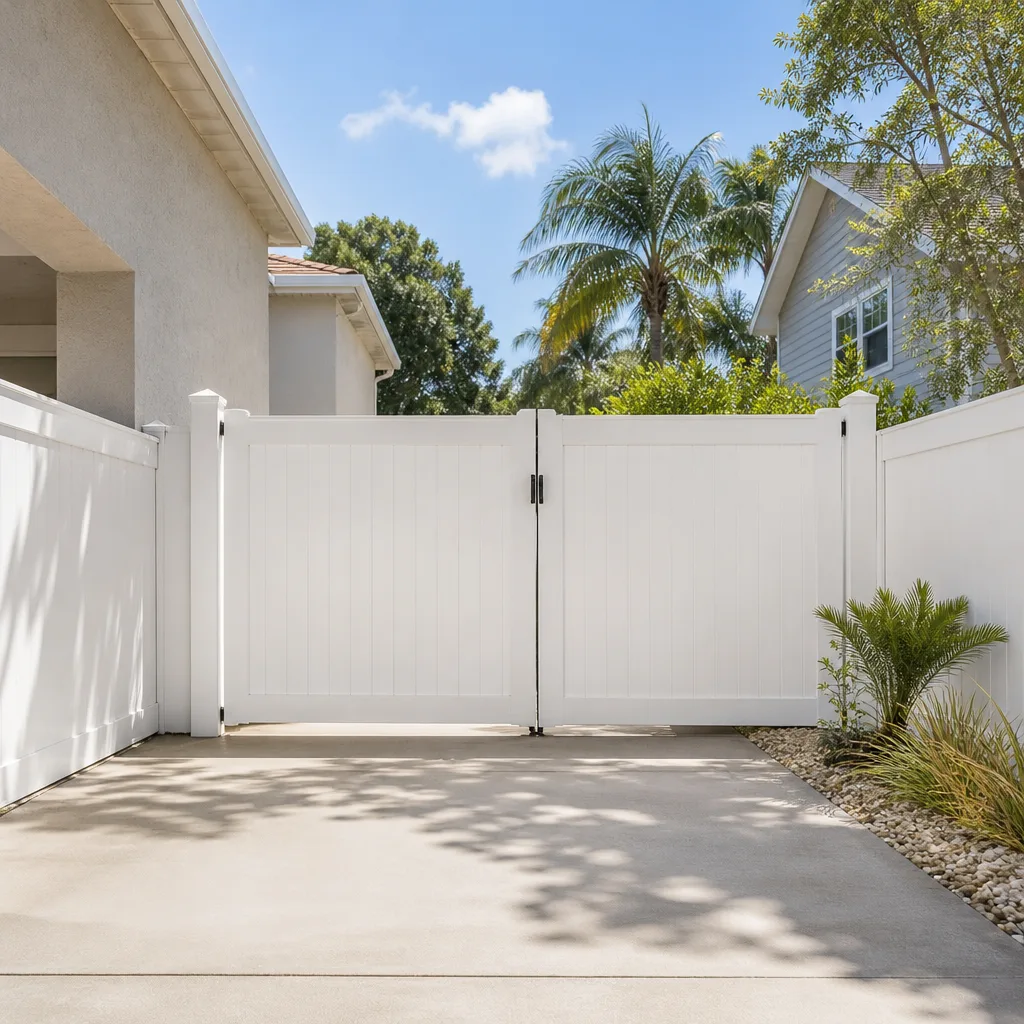
September is the best time in Santa Rosa because the wood is fully dry from the summer and the first soaking rain is still weeks away, which gives the sealer time to cure before winter. Aim for mid-September to early October, and wait if rain is in the forecast. If your fence is due, call (866) 864-4083 for a free estimate.
Splash a little water on a clean board. If it beads up and rolls off, the sealer is still holding and you can wait another year. If it soaks in and darkens the wood evenly, it’s time to clean and re-stain. Test the south-facing side first, because it wears out fastest in Santa Rosa.
Check post bases once a year, right after the first soaking rain of late fall, because that’s when wet wood makes soft spots visible. Probe each base with a screwdriver; if it sinks in more than a couple of millimeters, the post has rot and should be scheduled for replacement. Call (866) 864-4083 if you find soft posts and want a professional assessment.
No. Power washing cleans the surface, but it doesn’t restore the protective coat that keeps moisture out of the wood. A clean, unsealed fence will absorb rain into the checks and cracks, especially in Sonoma County’s dry-then-wet cycle. Clean in late summer, seal in September.
Fence rules in Santa Rosa vary with height, location, and whether a fence sits on a property line, so check with the city before any fence work that could need one. When a permit applies, we pull it and get the inspection signed. That’s part of the job on every eligible project, and it’s part of your protection as a homeowner.
A well-maintained wood fence in Santa Rosa’s climate typically lasts considerably longer than a neglected one, and the difference usually shows up first in the posts. The schedule itself is the variable: spring inspection, late-summer cleaning, September sealing, and a post-rain base check. Follow all four and the fence keeps its structure and appearance for years. Call (866) 864-4083 for a free estimate if you want a professional opinion on your fence’s condition.
The Bottom Line
Wood fences in Santa Rosa age on a Sonoma County clock, and the schedule has to match it. Spring is for checking hardware and gates. Late summer is for cleaning and prep. September is for staining or sealing, and it’s the single most important date on the calendar. After the first soaking rain, check every post base. Run the water-bead and splinter tests to know whether your fence needs a new coat this year or can wait, and keep dated photos so you have a record for warranty claims, neighbor conversations, or a future home sale. If any of it gets ahead of you, or a post turns soft, call in a professional.
If you want a crew that will scope it in writing, pull the permits when they apply, and stand behind the work, our teams handle fence installation, repair, and the surrounding yard work, including full-yard projects like a Home Additions & ADU in Santa Rosa that changes how your fence line needs to run. We build with name brands you can look up, not mystery materials off a van, and we publish the numbers you need to verify before you sign anything. Call (866) 864-4083 to schedule your free estimate. Our crews have up to 28 years of experience, we answer the phone with a live person, and we’re happy to look at your fence before you spend a dime on a project you might not need.
Written by the team at Barrett & Sons Construction Santa Rosa.