Last updated November 18, 2026



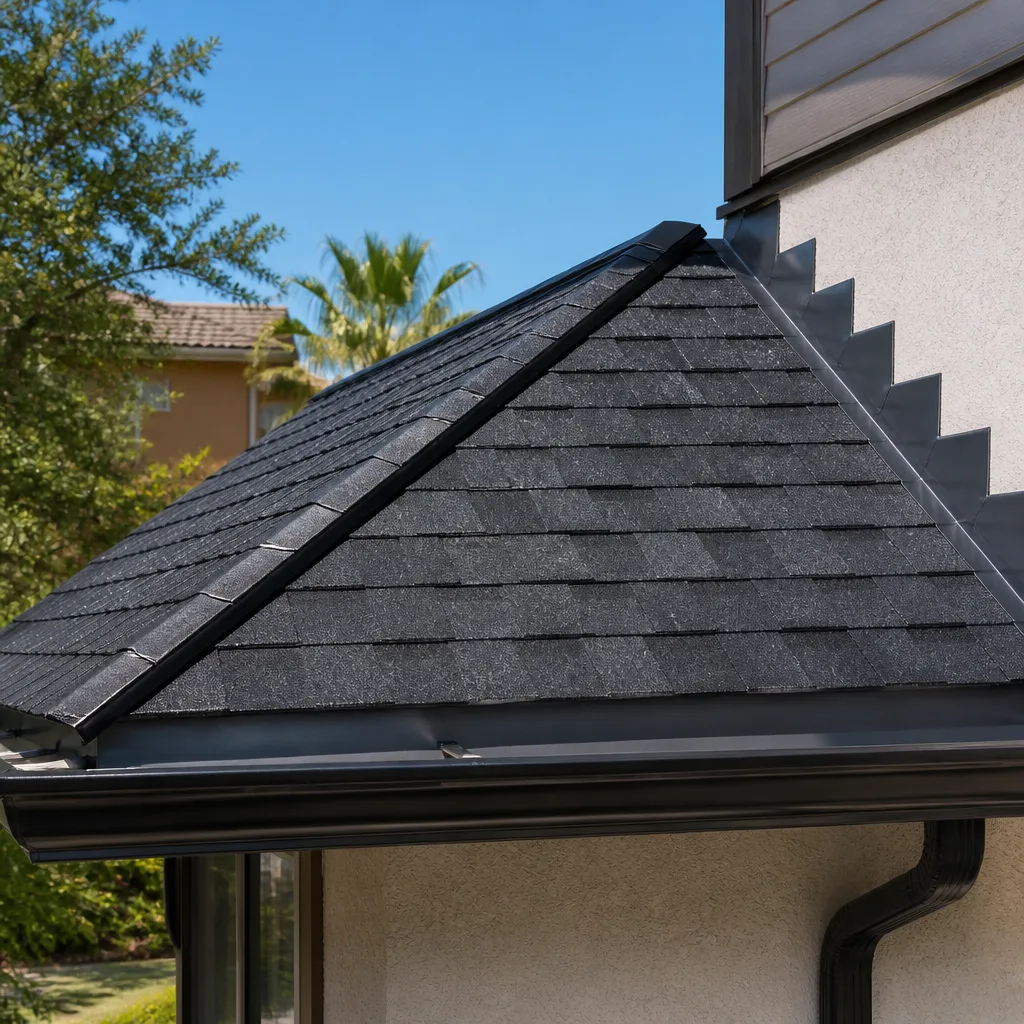
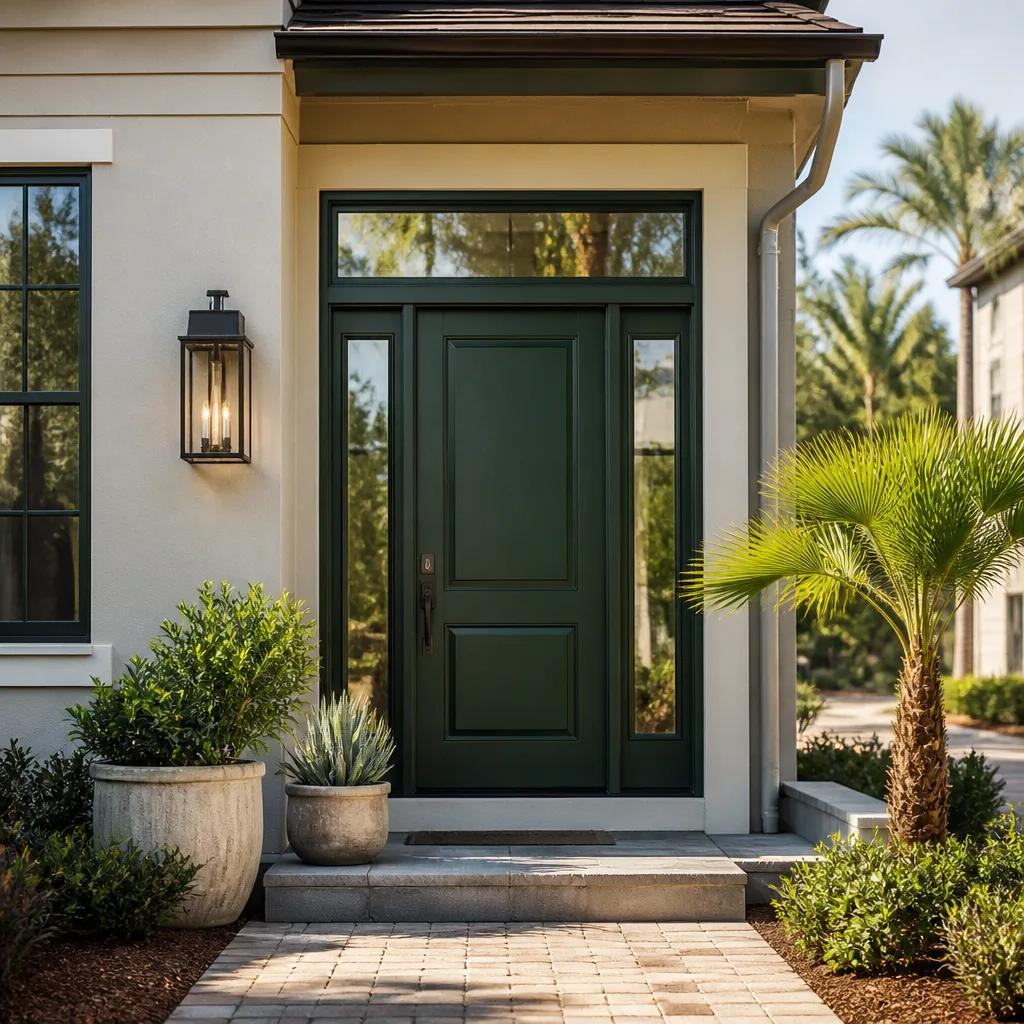
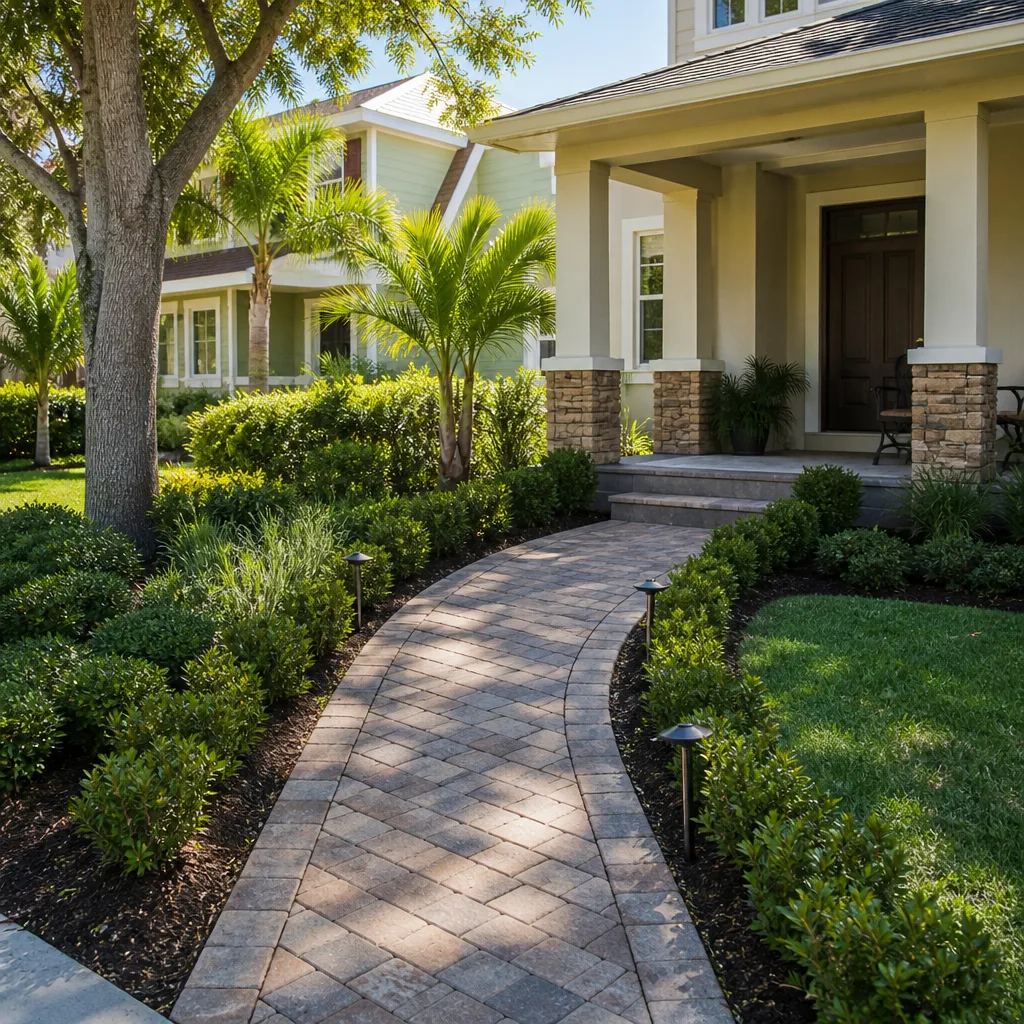
Free written scope consultation - allowances, timeline, and change-order rules on paper before a single trade is scheduled
Fence Installation Warning Signs Every Homeowner Should Know
The number-one warning sign homeowners miss isn’t a lowball bid. It’s a contractor who schedules the dig before calling 811. That single shortcut tells you everything about how they handle every step you can’t see once the posts go in the ground. A fence is mostly buried work: footings, line, drainage, and the utility lines running beneath your yard. By the time a bad job shows itself, the crew is long gone and the check has cleared. This guide walks through the specific, observable red flags that separate a solid fence contractor from one who’ll cost you twice as much to fix. If you’re hiring for fence work in Santa Rosa, these are the signals worth watching before you sign anything.
Quick Answer
The biggest red flags in fence installation are a contractor who skips the 811 utility locate, quotes post depth and concrete specs only verbally, hands you surprise line items instead of written change orders, and waves off permits as unnecessary. Each of these shortcuts points to the same habit: cutting corners on the work you’ll never see. A contractor who does all four the right way, in writing, before digging, is the one you can trust with the rest.
Styles & brands we work with
- Kitchen remodeling
- Bathroom remodeling
- Home additions & ADU
- Roofing
- Windows & doors
- Driveway & pavers
- Fence
Table of Contents
- Why Skipping the 811 Utility Locate Is a Legal and Safety Red Flag
- The Verbal Change-Order Trap
- Post Depth and Concrete Specs: What to Ask For in Writing
- Signs a Fence Line Hasn’t Been Properly Surveyed
- What “We Don’t Pull Permits for Fences” Really Exposes You To
- Red Flags Buried in the Written Proposal
- Job-Site Signals That Tell You How a Crew Works
- Materials Promises That Don’t Match the Brand Names
Why Skipping the 811 Utility Locate Is a Legal and Safety Red Flag
Before any shovel hits dirt, a legitimate fence contractor calls 811, the free national utility locate service, and waits for the markings to go down. This is not optional courtesy. It’s the difference between a clean dig and a punctured gas line, a severed water main, or a live electrical strike. When a contractor says “we’ll just work around it” or schedules the dig for tomorrow without a locate ticket, that’s your first real warning. In our experience across Santa Rosa, the crews who skip the locate are the same crews who skip the footing depth and the concrete ratio. The shortcut isn’t isolated to one step. It’s a habit.
The 811 call is free. It takes a few days for the markings, and a contractor who won’t spend a few days scheduling is telling you exactly how they value your property and your safety. Some older Santa Rosa lots, especially in neighborhoods with mature landscaping and decades-old additions, have irrigation lines, old gas stubs, and private electrical runs that the public locate won’t mark. A contractor who knows the area will tell you to flag those private lines yourself and will wait. That conversation, on its own, tells you a lot about who you’re hiring.
What a proper locate looks like
- The contractor files an 811 ticket and gives you the ticket number.
- You wait for the utility markings to appear and walk the line together.
- Any private lines (irrigation, landscape lighting, old stubs) get flagged by you.
- Only then does the digging start.
If step one never happens, stop the job. The rest of the checklist doesn’t matter.
The Verbal Change-Order Trap
A change order is a written record of a price or scope change, signed before the work touches the job. The trap is the version that arrives verbally: “We hit a root mass, so you’ll need another two posts,” or “The gate hardware wasn’t in the original bid, so that’s extra.” Legitimate work changes all the time. What matters is that the change shows up on paper, with a price, before a single nail moves. A contractor who quotes the change from the truck and writes the invoice out at the end is telling you the price you agreed to on day one wasn’t really the price.
An allowance that isn’t on paper is a surprise waiting for a date. If a bid lists “gate hardware” as an allowance, ask what the number is and ask what happens if it runs over. The answer should be a written change order, not a scramble at the end of the job. Fence installation in Santa Rosa often runs into surprises: rocky soil in the hills above town, an old concrete footing no one warned you about, a corner post that lands on a stubborn root. Each of those is a legitimate change order moment. None of them should arrive as a surprise line item on the final invoice.
What a written change order includes
- The specific scope change (what, where, why).
- The price impact, itemized.
- Any schedule impact.
- Your signature before the crew resumes work.
Ask up front how the contractor handles changes. The answer tells you whether you’re dealing with someone who runs a paper trail or someone who runs a negotiation at the end of the job.
Post Depth and Concrete Specs: What to Ask For in Writing
The post is the entire fence. A 4×4 post set two feet deep in a shovel of dry ready-mix will hold for a season or two and then start to lean. A properly set post is deeper, sits on a footing that handles drainage, and is set in concrete that’s mixed to a spec, not eyeballed on site. When a contractor won’t put the post depth and concrete spec in writing, they’re hiding something: either they don’t know the numbers or they know they won’t hit them. Neither is good. In Santa Rosa, the soil varies block to block. Dry, rocky ground up in the hills drains fast. Flatter lots near the creeks hold moisture longer, and a post that sits in a poorly drained footing rots from the bottom before the top has even weathered. The right numbers depend on your ground, your fence height, and what the fence is holding. They don’t depend on what the contractor has in the truck that day.
Numbers to get in writing before the dig
- Post depth in inches, not “deep enough.”
- Concrete spec: bag mix, how much per post, dry set or wet mix.
- Footing diameter relative to post size.
- Post material: species, grade, and treatment rating (for wood).
- Frost or drainage consideration for your specific soil.
A contractor who can’t write those numbers down before the dig is a contractor who’ll guess. Ask for them in the bid. A bid that says “posts set in concrete” isn’t a spec. It’s a guess in a suit.
Signs a Fence Line Hasn’t Been Properly Surveyed
Fence lines are property lines, and property lines are legal territory. If the contractor eyeballs the line off the neighbor’s existing fence or paces it off the sidewalk, you’re headed for a property-line dispute, and those disputes have a way of surfacing exactly when you’re trying to sell. In Santa Rosa, where lots in older neighborhoods sit close together and additions sometimes cross an old line, a fence that’s even a few inches over can turn into a conversation with a surveyor, a neighbor, and eventually a mediator. The warning signs are easy to spot once you know them.
- The contractor never asks to see your plat map or property survey.
- The line is “based on the old fence” without checking the corners.
- Corner pins are missing or buried, and no one mentions it.
- Neighbors aren’t asked whether the existing fence is shared or on their side.
- No conversation about setbacks, easements, or the utility corridor along the back line.
A careful contractor asks for the survey first and points out the corners before digging. If the pins are missing, they’ll suggest a survey rather than guess. That costs a little more up front and saves a lot more later. If you want a straight line you can prove, ask for it in writing: “Fence line set to property survey provided by owner” is a sentence that should appear in any bid you sign.
What “We Don’t Pull Permits for Fences” Really Exposes You To
“We don’t pull permits for fences” sounds like a convenience. It’s actually a risk transfer, and the risk lands on you. Fence permits depend on height, location, and whether the fence sits in a setback or an easement. In Santa Rosa, the rules shift depending on whether the fence is behind the front setback, along a corner lot, or running up against a protected tree or a hillside. A fence that needs a permit and doesn’t have one is a fence that can be flagged at resale, ordered down by the city, or denied coverage by an insurer if it’s damaged by wind or fire. Permits are the record that the work happened correctly. Without them, the record is whatever the contractor tells you, and that’s a very thin file to hand a buyer.
What you lose without a permit
- An inspection sign-off that confirms the fence meets code.
- A paper trail for your insurer if the fence is damaged.
- Coverage during a resale disclosure.
- Leverage if a neighbor disputes the line or the height.
Ask any contractor to name the permits they’ll pull and who pays for them. If the answer is “you don’t need any,” press a little. The permit inspector works for you, not for the contractor. That’s why we like the inspector being on the job. Every eligible job we run pulls the permits and passes the inspections, so the paper file matches the finished fence.
Red Flags Buried in the Written Proposal
The bid is where the shortcuts live out in the open, if you know where to look. Most homeowners read the total and skim the rest. The rest is where the trouble waits. A fence bid should read like a short spec sheet, not a hand wave.
- One lump-sum number with no line items. You can’t check what you can’t see.
- “Allowances” with no dollar amount. An allowance that isn’t on paper is a surprise waiting for a date.
- No brand names on materials. “Premium cedar” means nothing without a brand and a grade.
- No mention of permits, inspections, or debris haul-away. All three are line items.
- No written change-order process. The bid should say, in writing, how changes get handled.
- No warranty language. Ask what happens if a post leans in the first year.
- Payment terms stacked too early. A contractor who wants most of the money before the dig starts is a contractor with cash-flow problems, not a contractor with materials on order.
A written bid shouldn’t have a single sentence you’d need a lawyer to translate. If you’re staring at a line you can’t parse, ask. A real contractor will explain it in plain English and put the answer in writing. On materials, ask for the specific brands. For gates and hardware, we install Mr-Glass and Therma-Tru entry doors in the same neighborhoods we run fences in, and the same rule applies across trades: you should be able to look up what’s going on your property. A fence bid that names a brand and a grade is a bid you can actually compare to the next one.
Job-Site Signals That Tell You How a Crew Works
The way a crew shows up on day one is a preview of how they’ll leave the job. These signals aren’t about personality. They’re about process, and process is what your fence depends on. Walk out when the crew arrives and watch for a few minutes.
- Are the 811 markings down and visible? If the crew starts digging without them, stop the job.
- Is there a plan on paper? A clipboard or a job ticket that shows the line, the post spacing, and the gate locations.
- Does anyone walk the line with you first? The corners, the gate swings, the tree roots. If they want to talk while the auger is running, that’s not a plan, that’s momentum.
- Is the debris plan obvious? Old fence hauled away is a line item, and the truck should show up ready for it.
- Are the crew members identifiable and background-checked? You should know who’s on your property and who’s accountable for them.
If the job has a permit, the inspection happens with the fence up and the paperwork in order. A crew that treats the inspector as an obstacle rather than a checkpoint is a crew that didn’t learn the job right. On locally run jobs, the person you shook hands with at the bid is the person on site when the fence goes up. That’s the pattern to look for: a name on the truck, a face on the job, and a paper trail you can follow from bid to inspection.
Materials Promises That Don’t Match the Brand Names
“Premium” is a word, not a spec. If the bid says “premium wood fence” and nothing else, you don’t know if you’re getting western red cedar, a lower-grade fir, or a treated pine that’s going to twist in the first dry summer. The same problem shows up in metal and composite gates and in the hardware that hangs them. Ask for brand names, ask for grades, and ask what the delivery ticket will say. A contractor who can name the brand has a supplier relationship behind the bid. A contractor who can’t is shopping at whichever yard has the cheapest bundle that morning. For gate and entry hardware, that’s the difference between a Mr-Glass or Therma-Tru door that fits and holds, and a hardware set that sags on the second closing. Barrette outdoor fencing products are on the short list for jobs where a homeowner wants a brand name they can look up and a system the supplier stands behind. None of it matters unless it’s written on the bid. So ask.
Common Mistakes to Avoid
- Hiring on price alone. The cheapest bid is usually the one that skips the locate and the footing spec. You’ll pay for both on the back end.
- Skipping the survey conversation. In older Santa Rosa neighborhoods, property lines and old fence lines don’t always agree. Settle it before the dig, not after.
- Accepting a verbal change order. Get it in writing before the crew resumes. Every time.
- Waiving the permit to save a few hundred dollars. The permit is the paper trail you’ll want at resale and after a wind event.
- Not reading the post spec. A bid that says “posts set in concrete” without depth or mix isn’t a spec. Push for numbers.
- Letting the crew manage your private lines. Irrigation and old landscape runs are yours to flag. Do it before the dig.
- Paying most of the money up front. A payment schedule tied to milestones (dig, posts in, fence up, cleanup) keeps the job honest.
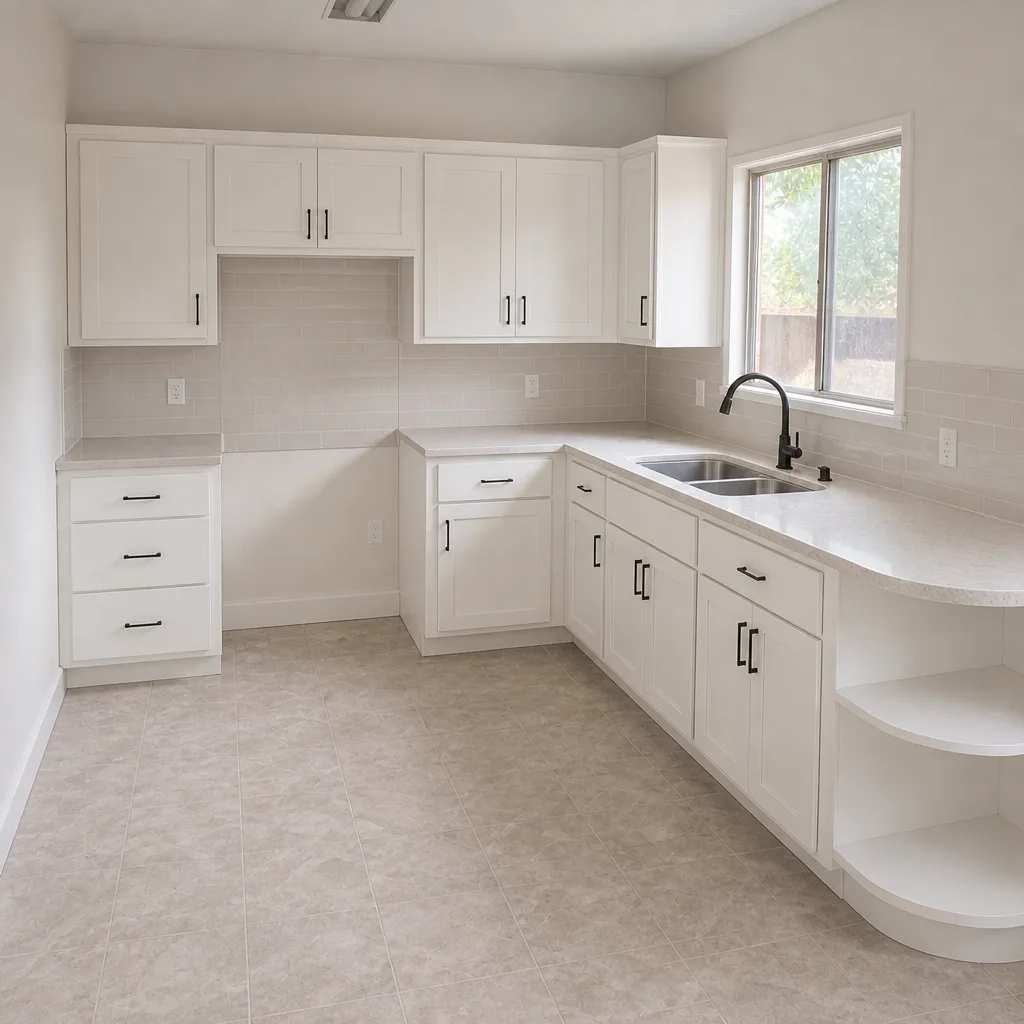
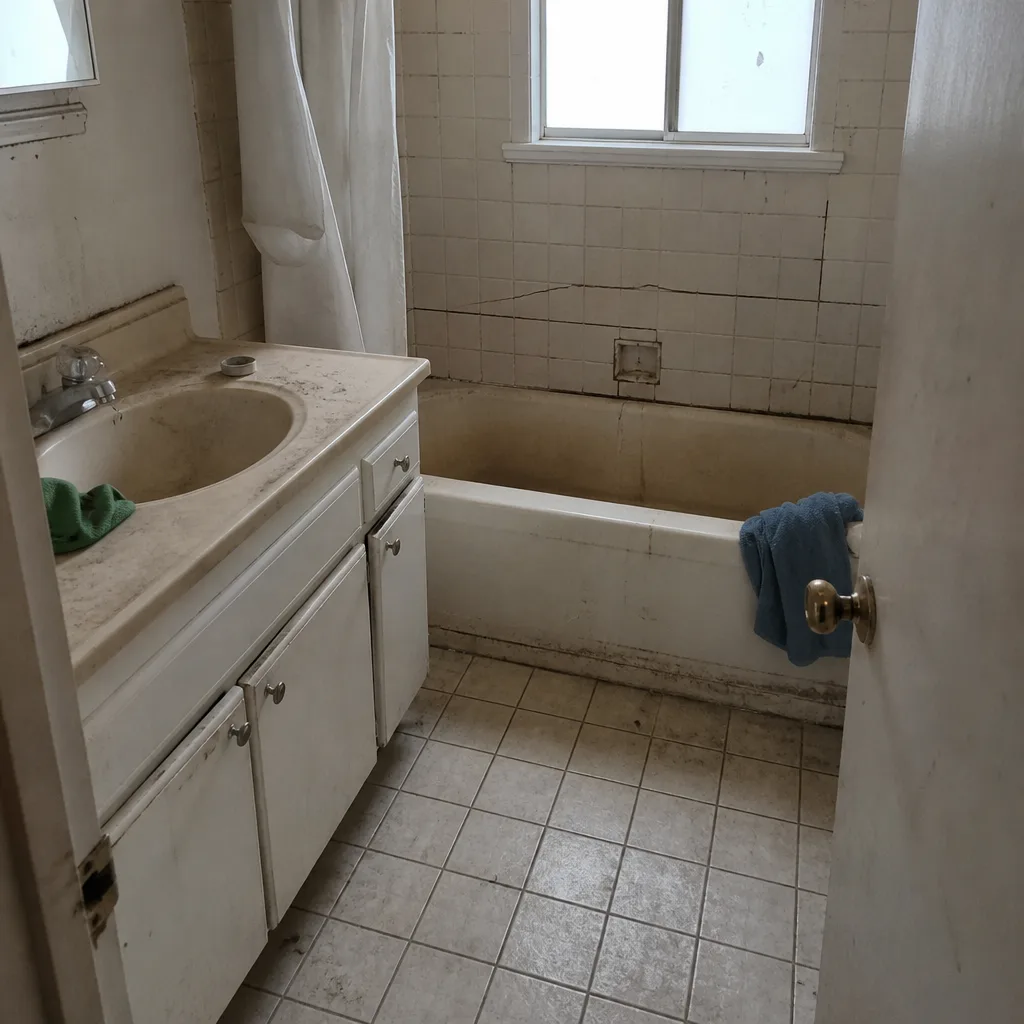
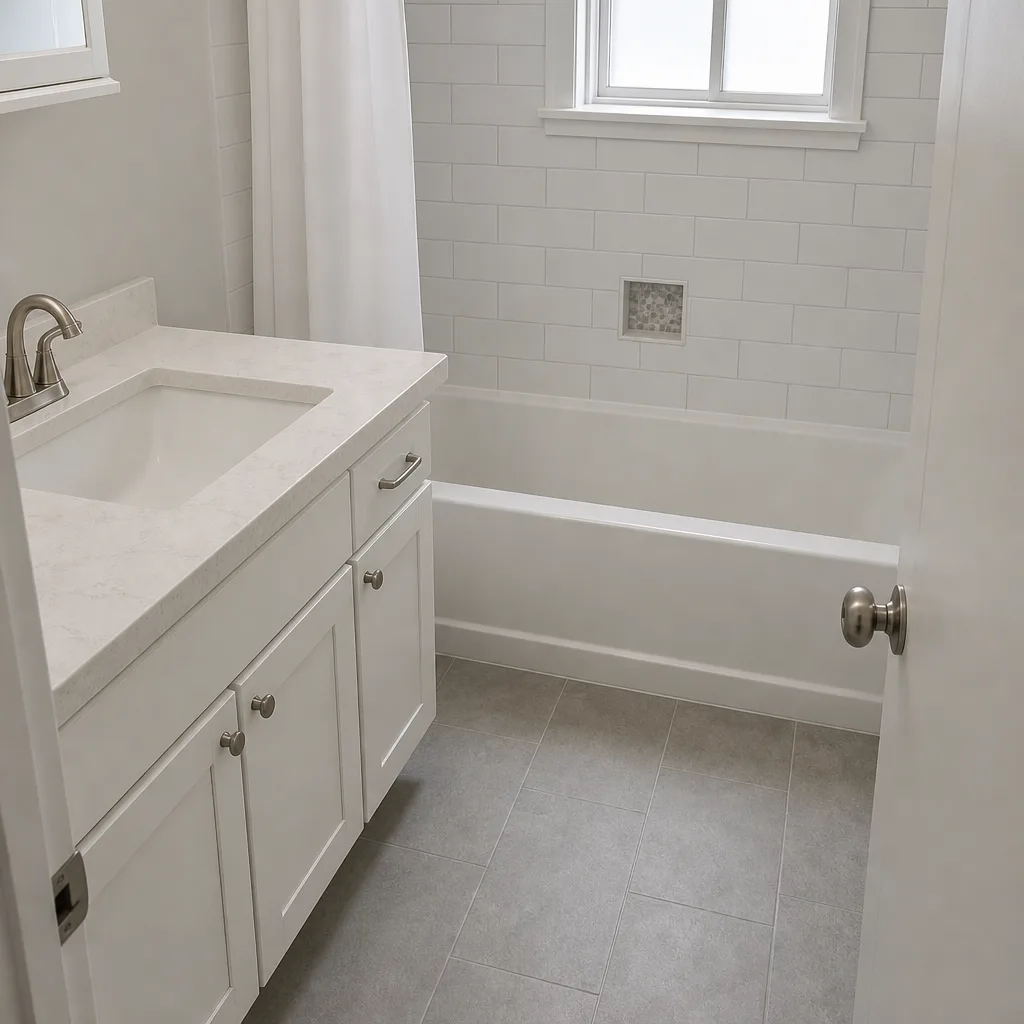
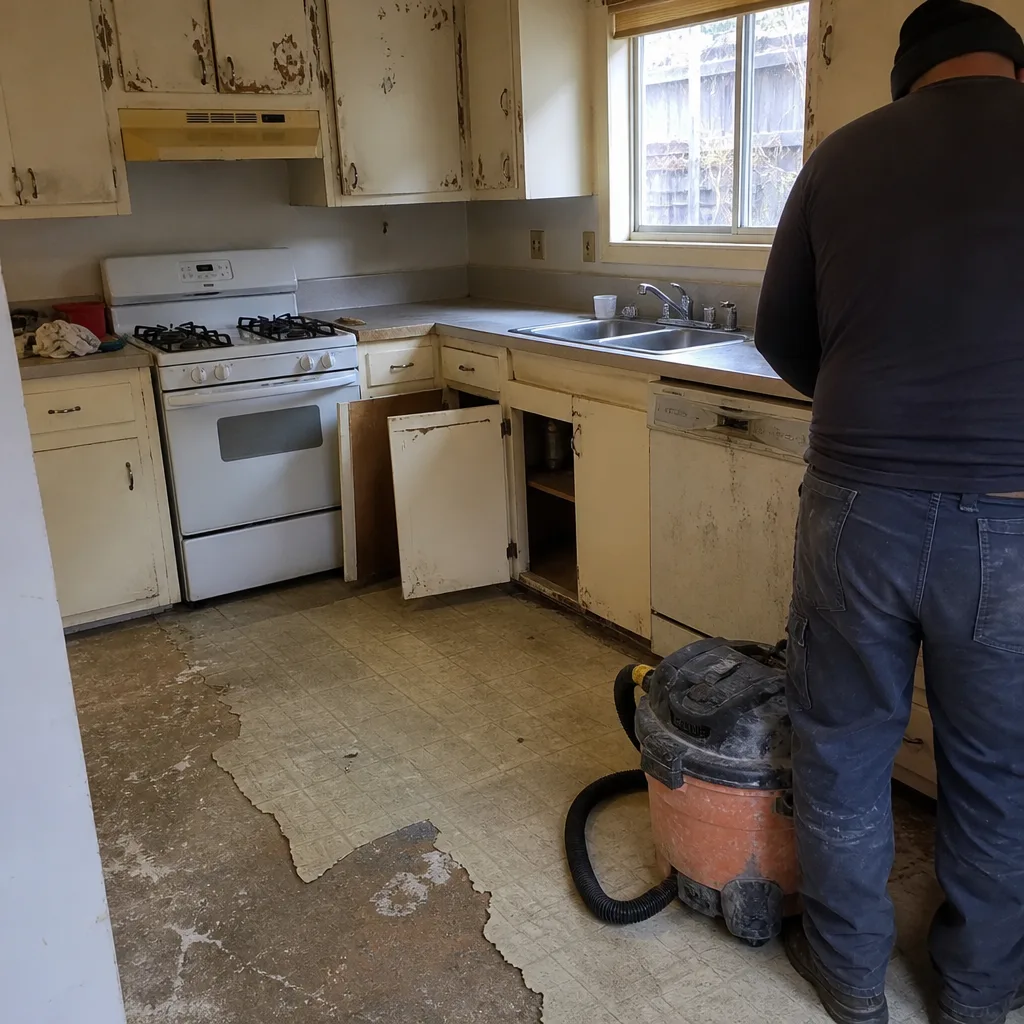
See the difference
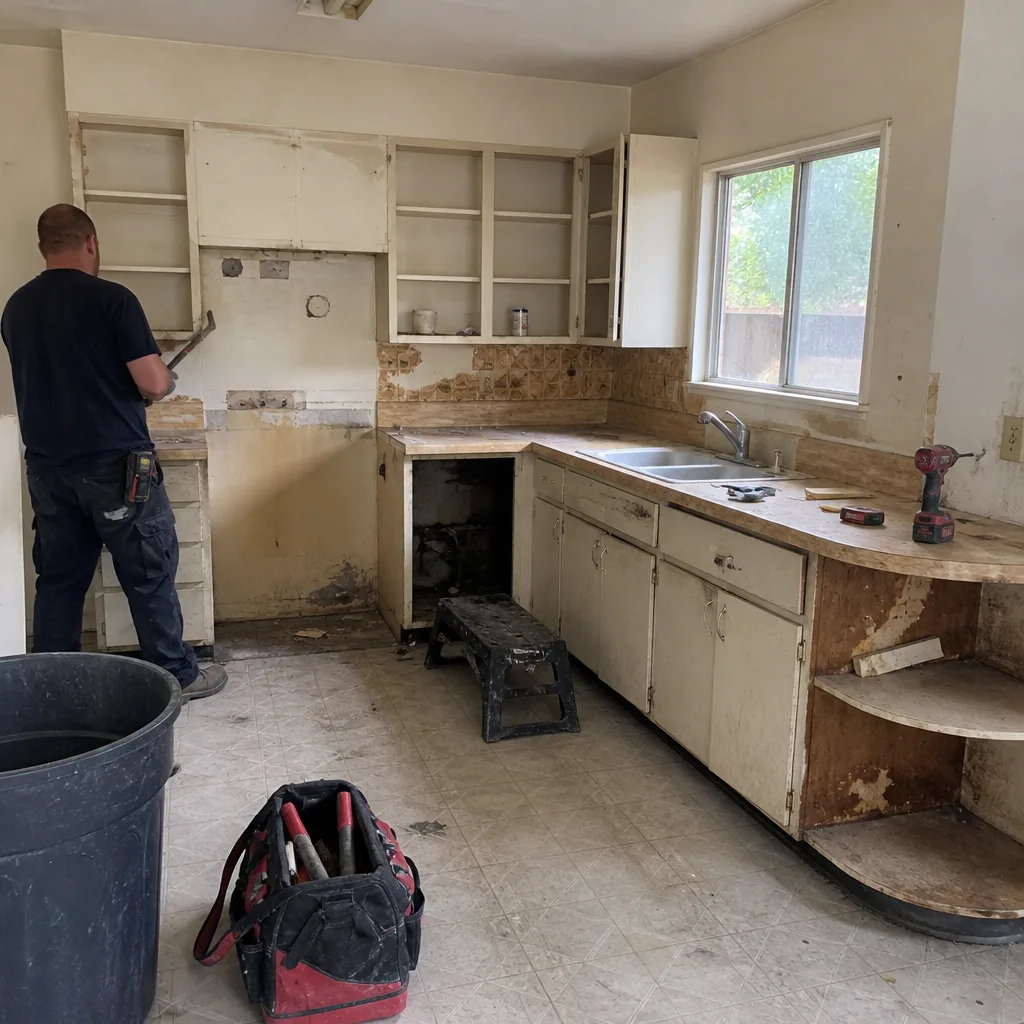 Before
 After
 Before
 After
 Before
 After
When to Call a Professional
Most fence problems are cheap to prevent and expensive to fix. Call a professional if the fence line is disputed, the soil is rocky or draining poorly, the fence is over six feet and needs permits, the posts are already leaning, or you’re replacing a run that failed early for reasons no one can explain. A leaning post on a five-year-old fence is a post that wasn’t set right in the first place. Get a written second opinion before the next crew touches the line. If you’re weighing fence work alongside a bigger yard plan, the same team that handles a fence also runs Driveway & Pavers in Santa Rosa, so the line and the hardscape can be planned together. Barrett & Sons Construction Santa Rosa offers free estimates in Santa Rosa. Call (866) 864-4083 to schedule yours.
Frequently Asked Questions
The biggest red flag is a contractor who schedules the dig before calling 811 for a utility locate. That single shortcut shows how they handle every step you can’t see: post depth, concrete, drainage, and cleanup. If they won’t wait for the locate, they won’t wait for anything else either. Call (866) 864-4083 for a free estimate from a contractor who runs the locate first.
Most residential fence installations in Santa Rosa land somewhere between a modest repair and a full replacement depending on the material, height, line length, and site conditions, with rocky soils and permit requirements pushing the number up. We don’t quote off a phone call or a website calculator. We walk the line, check the soil and the corners, and hand you a written, line-item estimate with materials, permit costs, and haul-away spelled out. Call (866) 864-4083 to schedule your free estimate.
It can, and that’s not the problem. The problem is a price change that arrives at the end of the job instead of before the work resumes. Any change to scope, materials, or line should show up as a written change order you sign before the crew touches the next post. A bid that lays out that process, in writing, is a bid you can trust. Call (866) 864-4083 for a free estimate that spells out the change-order process up front.
Yes, wherever the job is eligible and the rules require one. Permits are the paper trail that proves the fence meets code, which matters at resale, with your insurer, and when a neighbor disputes the line. A contractor who says “you don’t need a permit” without checking your lot and setback situation is guessing with your property. Call (866) 864-4083 for a free estimate and a straight answer on permits.
The simple test is this: did the contractor ask for your plat map or survey before the dig, and did anyone point out the corner pins? If the line is being eyeballed off the old fence or the sidewalk, the survey question hasn’t been settled. In older Santa Rosa neighborhoods, small property-line disagreements turn into big ones when the wrong fence goes up. Ask before the shovel hits the ground. Call (866) 864-4083 for a free estimate.
A proper fence bid lists line items, not a single lump sum. It should include post depth in inches, concrete spec, post material and grade, brand names for metal, composite, or gate hardware, permit costs, debris haul-away, a written change-order process, and warranty language. If any of those are missing, ask before you sign. Call (866) 864-4083 for a free estimate that puts it all on paper.
The Bottom Line
The worst fence contractors don’t announce themselves. They look professional until the check clears. The red flags are specific and observable: no 811 locate, no written post specs, verbal change orders, no survey conversation, no permits. Each shortcut points to the same habit of cutting corners on the buried work. A fence is mostly buried. Do the reading before the dig, ask for the numbers in writing, and pick the contractor who hands you a paper trail instead of a handshake. If you want a second opinion on a written bid, the same crew that installs fences across Santa Rosa also handles Fence Installation in Santa Rosa, and we’re happy to read a competing bid with you before you sign. Call (866) 864-4083 to set up a free estimate.
Barrett & Sons Construction Santa Rosa works across trades: Barrett & Sons Construction Santa Rosa home, Driveway & Pavers in Santa Rosa, Fence Installation in Santa Rosa, and Home Additions & ADU in Santa Rosa. Every eligible job pulls the permits, every price change arrives as a written change order, and every completed job is backed by our 90-Day Done Right Promise. The standing offers we publish: $40 Off Any Repair Over $200, a Free Second Opinion on Any Written Estimate, No Trip Charge Inside the County, and a permanent 10% Senior & Veteran discount. A live person answers the phone, day or night.
Written by the team at Barrett & Sons Construction Santa Rosa.