Last updated November 18, 2026






Free written scope consultation - allowances, timeline, and change-order rules on paper before a single trade is scheduled
Windows & Doors Warning Signs Every Homeowner Should Know
Here’s the thing about windows and doors that surprises most homeowners: by the time you can see the problem from the street, the damage behind the frame has usually been growing for years. We’ve opened up rough openings in Santa Rosa homes where the interior trim looked perfect and found a sill plate that crumbled in our hands like wet cardboard. The red flags that cost the most money aren’t the obvious ones. They’re hidden inside the wall. This guide teaches you the five interior signs of hidden water intrusion, the contractor bids that should make you walk away, and the pre-installation inspection questions that force an honest contractor to show you what’s really behind the frame before quoting a number.
Quick Answer
The most serious window and door warning signs are interior: bubbling paint around frames, soft drywall beneath sills, baseboard staining, mold at the corners, and peeling sill paint. These signal water intrusion inside the wall long before the exterior shows evidence. A contractor who quotes a replacement without probing the rough opening, mentioning flashing, or pulling permits is either inexperienced or pricing work they haven’t fully examined. Ask for the moisture readings and the flashing plan before you sign.
Styles & brands we work with
- Kitchen remodeling
- Bathroom remodeling
- Home additions & ADU
- Roofing
- Windows & doors
- Driveway & pavers
- Fence
Table of Contents
- Why the Worst Damage Is Hidden Inside the Wall
- The Five Interior Signs of Hidden Water Intrusion
- Stucco Cracks Near Window Corners: Cosmetic or Structural?
- Contractor Red Flags in Window and Door Bids
- The Fogged Glass Myth: Why Failed IGUs Aren’t Just Cosmetic
- What a Correct Pre-Installation Inspection Includes
- Door Warning Signs Specific to Sliding and Exterior Doors
- When to Call a Professional
Why the Worst Damage Is Hidden Inside the Wall
Windows and doors are the weakest points in a wall assembly. Every one of them is a hole in the weather barrier, sealed with flashing, caulk, and a bead of foam. When that seal fails, water doesn’t announce itself. It wicks into the rough opening, soaks the framing lumber at the sill plate, and sits there against fiberglass insulation that never fully dries once it’s wet. We’ve pulled windows in older Santa Rosa neighborhoods where the visible wood looked intact but a moisture meter read 24 percent at the sill. That’s not a cosmetic problem. That’s a structural one waiting for a load test.
What makes this worse is that the damage hides behind layers. Fresh interior paint over a previous owner’s quick fix. A window unit that was re-caulked around the exterior but never re-flashed at the bottom. The evaporation that happens fast enough on the visible face to keep the drywall from showing obvious stains. The wall cavity acts like a slow leak inside a bicycle tire: it only shows when it’s already weak.
Climate matters here more than most homeowners realize. Santa Rosa swings between dry summers and the wet, wind-driven storms of the winter rains. That wet-dry cycle shrinks and swells wood framing behind the wall over and over. Each cycle opens tiny gaps at the sill plate and rough opening just wide enough to accept the next storm’s water. Our technicians have up to 28 years of experience watching that pattern repeat, and it’s why we insist on probing the rough opening before quoting a window or door replacement. If the framing under the sill is in worse shape than the visible window, that’s not a decision to discover after the crew pulls the old unit out.
The Five Interior Signs of Hidden Water Intrusion
Water damage from a failing window or door shows up on the inside of the house long before it shows up on the outside. Check these five spots with a flashlight and a screwdriver handle, and tap lightly. Sound wood rings; soft wood thuds. In Santa Rosa homes built before the 1990s, these signs are the most reliable early warning you get.
- Bubbling or blistering paint around the frame. Water vapor pushing out through the drywall or plaster causes paint adhesion to fail. If the bubbles cluster along the top or side of a window opening, water is entering from the rough opening, not from the room.
- Soft drywall beneath the sill. Press a screwdriver handle into the wall directly under the interior sill. A slight give means the paper face of the drywall has absorbed moisture. It’s the earliest visible sign of a failing sill flashing.
- Baseboard staining. Brown or dark watermarks at the baseboard, especially beneath a window or beside a door, mean water is running down the interior face of the wall cavity. This is more advanced than soft drywall and often indicates months of accumulation.
- Mold at the corners of the opening. Black or greenish speckling in the lower corners of a window or door jamb is a moisture and air seal failure. Mold doesn’t grow without sustained moisture, so it’s a diagnostic confirmation rather than a guess.
- Peeling sill paint. The interior sill plate takes the brunt of a failing window because water collects at the bottom of the rough opening. Peeling paint, a chalky surface, or visible grain swelling on the sill means the wood itself has been wet and is trying to dry from the inside out.
Our advice: before you call anyone about a window replacement, do this inspection yourself. Bring a moist paper towel and lightly wipe the corner of each opening. If the towel discolors, note it. Ask any contractor who bids the job for a moisture reading at the rough opening and a photo of the sill plate once the old unit is out. That’s the disclosure that separates a bid from a guess.
Stucco Cracks Near Window Corners: Cosmetic or Structural?
A crack in the stucco near a window corner is a water management warning, not a cosmetic flaw to be filled with caulk and forgotten. Stucco is a water-shedding surface; when it cracks at a corner opening, water gets behind the lath and into the sheathing. If that crack lines up with a window or door opening, the water runs down the inside face of the stucco directly into the rough opening.
The trick is telling surface cracking from through-wall movement. Use these distinctions:
- Hairline cracks under 1/16 inch that run diagonally from a corner are usually stress cracks from thermal movement. They still need sealing, but they rarely signal structural trouble.
- Cracks wider than 1/8 inch that extend past the corner into the wall field are a different story. They often indicate the framing at the header or the jack studs has moved.
- Cracks that run stepwise along the stucco lath pattern point to moisture cycles behind the finish rather than movement of the framing.
- Cracks that came back within a year of patching mean the movement is ongoing. Caulk alone won’t stop that water path; the flashing at the sill or header needs real attention.
In Santa Rosa’s older stucco neighborhoods, nearly every window corner we investigate has a hairline crack from the original three-coat application. Most are harmless. But when a crack is paired with soft drywall on the interior, the water is finding its way in. The takeaway is simple: don’t let a contractor caulk the corner and move on. Ask how the crack relates to the flashing and the sill, and get it in writing before a window replacement begins. If the bid never mentions flashing at all, that’s a warning sign of its own.
Contractor Red Flags in Window and Door Bids
The warning signs on a window or door replacement bid tell you more about the contractor than the product. Here are the flags we’ve learned to look for in a bid, and why each one matters.
Quotes Given Without Measuring the Rough Openings
A contractor who quotes from a photo or a catalog page hasn’t seen the job. Replacement windows need a precise rough opening measurement for the actual frame size, and the rough opening is where hidden damage lives. If a bid arrives before anyone has measured the openings, the number is a guess. Expect it to grow once the crew starts pulling units. A written change order for the difference is legal and normal. An invoice at the end is not.
No Mention of Flashing or Water Management
Every window and door replacement needs a flashing plan: sill flashing, side flashing, and a head flashing piece, tied into the weather-resistive barrier. If the bid doesn’t mention flashing, the crew is planning to rely on caulk as the water seal. Caulk fails. Flashing doesn’t, when it’s installed right. Ask for the flashing plan in writing and compare it to the manufacturer’s installation instructions, whether the windows are from Andersen, Marvin, or a premium line you’ve chosen.
“We Don’t Pull Permits for Replacements” as a Selling Point
Any contractor who tells you a window or door replacement doesn’t need a permit is either misinformed or hoping you won’t ask. Santa Rosa, like most California jurisdictions, requires a permit for replacing windows in most cases, and the inspector who signs off is working for you, not for the contractor. Permits pulled and inspections signed on every eligible job are the reason our scope stays in writing. If a contractor presents permit avoidance as a shortcut, ask what else they’re skipping.
No Allowance for Frame or Sill Repair
Any honest bid for a window replacement on a house over 20 years old should include a written allowance for rough opening and sill plate repair. It’s a real cost that shows up on most jobs we run. The allowance that isn’t on paper is a surprise waiting for a date. A bid that leaves it out is a bid that will grow once the crew starts.
The Fogged Glass Myth: Why Failed IGUs Aren’t Just Cosmetic
A double-pane window that fogs between the sheets of glass has a failed insulated glass unit. Sellers, and too often contractors, describe a fogged IGU as a cosmetic issue. It isn’t. The fog is moisture that has gotten past the perimeter seal. That seal is the same barrier that keeps the inert gas fill in place and keeps the frame’s interior dry. Once it fails, the window loses thermal performance by a measurable margin, and the frame absorbs moisture it wasn’t designed to see.
Here’s the practical problem for a homeowner. A fogged window can fail slowly enough that the comfort loss isn’t obvious. You’ll notice higher heating and cooling costs, a colder room in winter, and condensation on the interior glass before you connect it to the window itself. In Santa Rosa we see this most in the fog belt neighborhoods west of town, where the daily temperature swings make the thermal failure visible as condensation inside the unit.
What to check before you accept the cosmetic framing:
- Is the fog between the panes or on the room-side surface? Fog between panes is a failed seal. Fog only on the interior face is condensation from room humidity.
- Does the frame feel cold to the touch relative to adjacent windows? A failing IGU loses thermal barrier performance at the frame edge first.
- Are there water spots or streaks inside the glass? That’s standing water trapped by the failed seal, and it’s a sign the frame itself is under stress.
- Is the surrounding drywall or trim showing any of the five interior signs? If yes, the failed glass and the water intrusion are the same job.
Get a written second opinion on the IGU rather than trusting a verbal “cosmetic” assessment. Replacement glass is a real cost, and the bid should state whether the whole unit or just the glazing package is being replaced, along with the moisture test at the frame.
What a Correct Pre-Installation Inspection Includes
Before a single nail comes out, a professional should inspect the rough opening the way a carpenter inspects a floor joist: without a customer watching, but with everything documented for the customer. Here’s what a correct pre-installation inspection looks like step by step.
- Rough opening moisture readings. A pin or pinless moisture meter at the sill plate, jack studs, and header. Readings above roughly 16 to 19 percent on framing lumber indicate elevated moisture that needs drying or repair before new units go in.
- Flashing condition. Inspect the existing sill, side, and head flashing. Confirm it’s intact, properly lapped, and tied into the weather-resistive barrier. Failed flashing is the most common source of the interior warning signs you found yourself.
- Frame plumb and level checks. A four-foot level and a plumb bob on the rough opening, not just the old unit. The opening has to be square and true for the new frame to operate smoothly and seal correctly.
- Header and jack stud condition. Tap and inspect for rot or cracking. A soft header can’t carry the load above the window and needs repair before the replacement.
- Photo documentation. Pictures of every opening, moisture reading, and flashing detail taken before and after the new unit goes in. That documentation should be shared with you, not filed away internally.
Ask any contractor you consider what their pre-installation inspection includes, and ask to see a sample of the documentation. The window and door pros at Barrett & Sons Construction Santa Rosa home go through this list on every eligible job because it’s the only honest way to price the work. When a door or window replacement turns into a bigger repair in Santa Rosa, the crew pulls permits and signs inspections. And when a window replacement runs into a wall repair on the job, we put the scope in writing before the crew touches the wall.
Door Warning Signs Specific to Sliding and Exterior Doors
Doors fail differently from windows, and the signs are easier to miss because they don’t show up in the wall. Watch for these on exterior and sliding doors:
- A door that sticks at the top but drags at the bottom. That’s a hinge or track problem, not a frame problem, but the same moisture behind the wall could be causing the jamb to swell.
- Daylight visible around the edges of a closed door. A gap in the weather seal lets water and air in at the exact point where the threshold and jamb meet. Check the threshold flashing at the base of the door.
- Soft or discolored door sill. The threshold is the lowest point in the wall assembly, so it collects water first. Inspect the sill with the door open and the light on.
- Mold on the interior door casing. Same test as a window corner: if the casing is speckled, the rough opening is wet.
- A sliding door that won’t stay on its track or jumps the rail. The roller may be worn, but a warped header or settled floor under the track is the bigger concern, and both point to moisture.
Any of these on a door next to a window should prompt a look at the wall between them. When water gets behind one opening in a wall, it usually finds its way to the opening next to it. Our technicians have up to 28 years of experience, and this is the pattern we see most in Santa Rosa’s older neighborhoods, where the window and door frames were installed with less attention to flashing than they get today.
See the difference
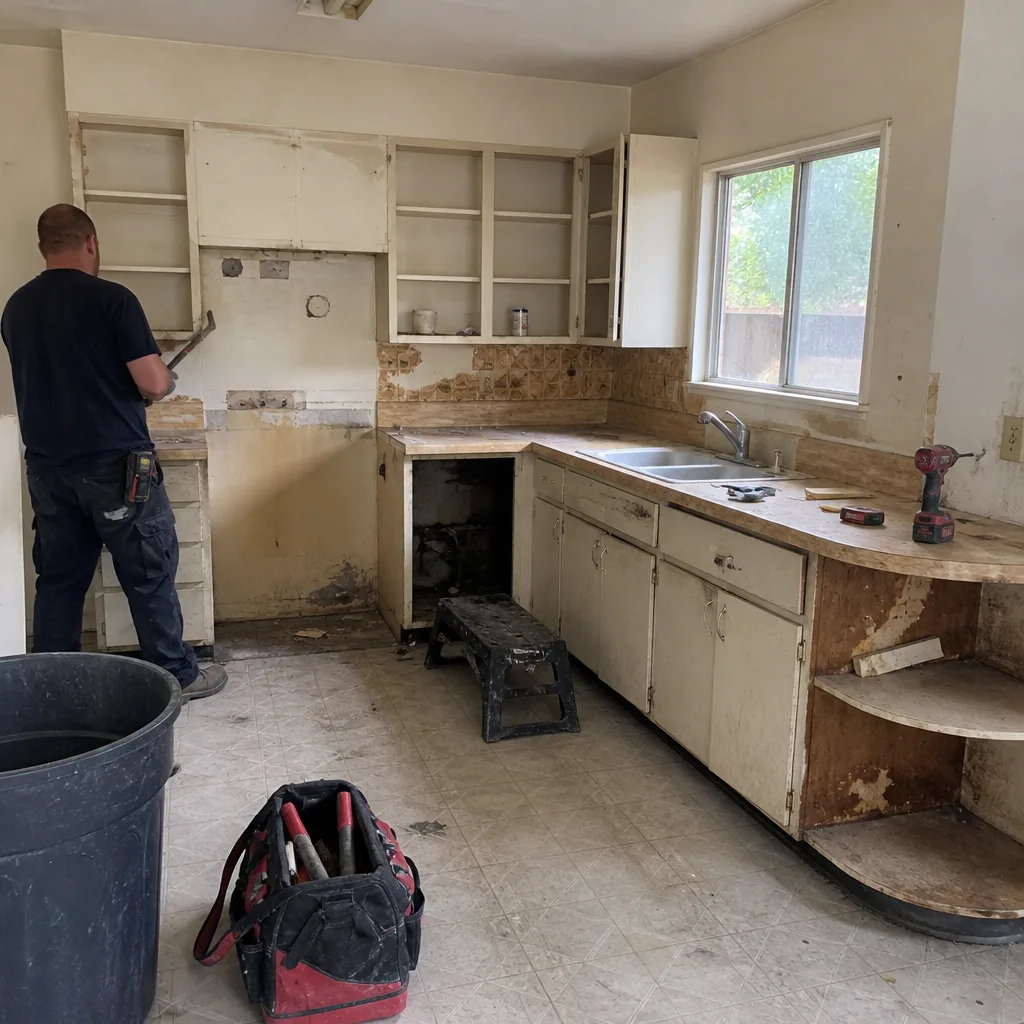 Before
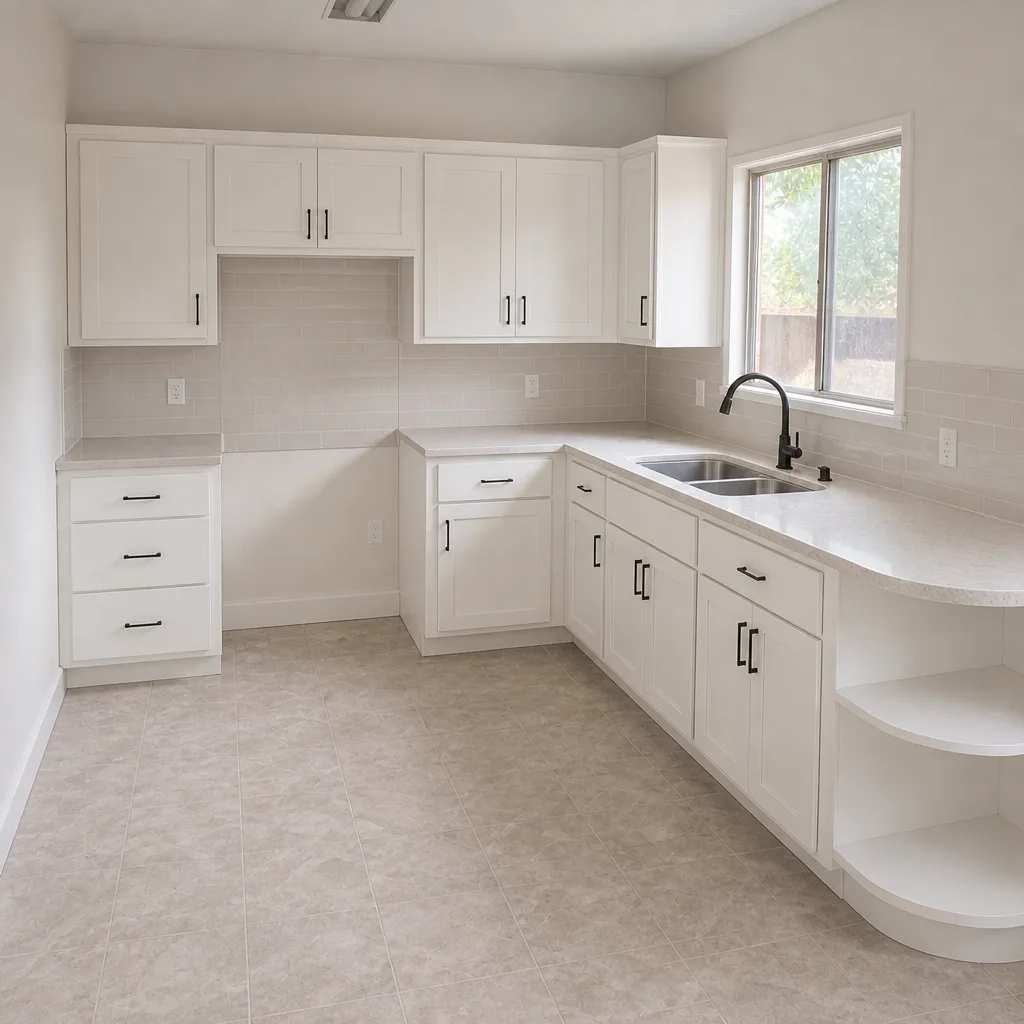 After
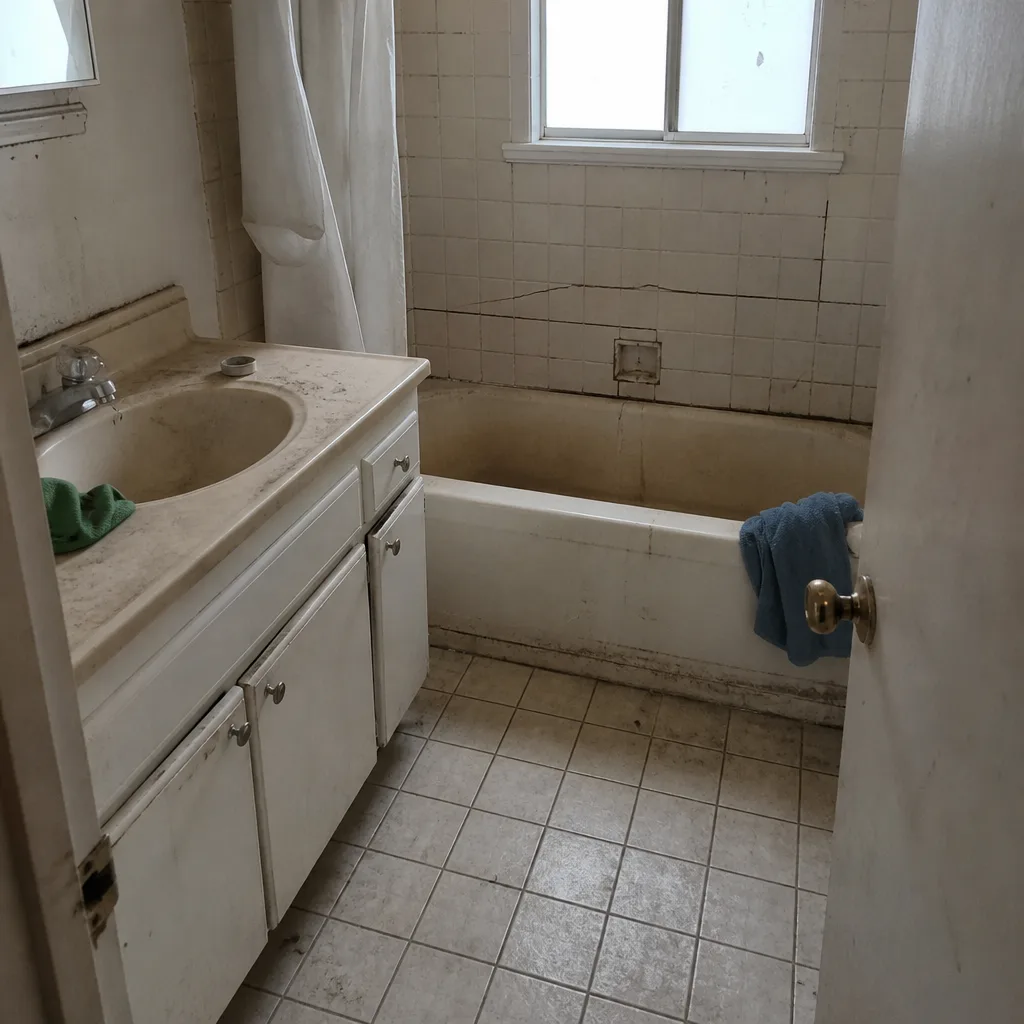 Before
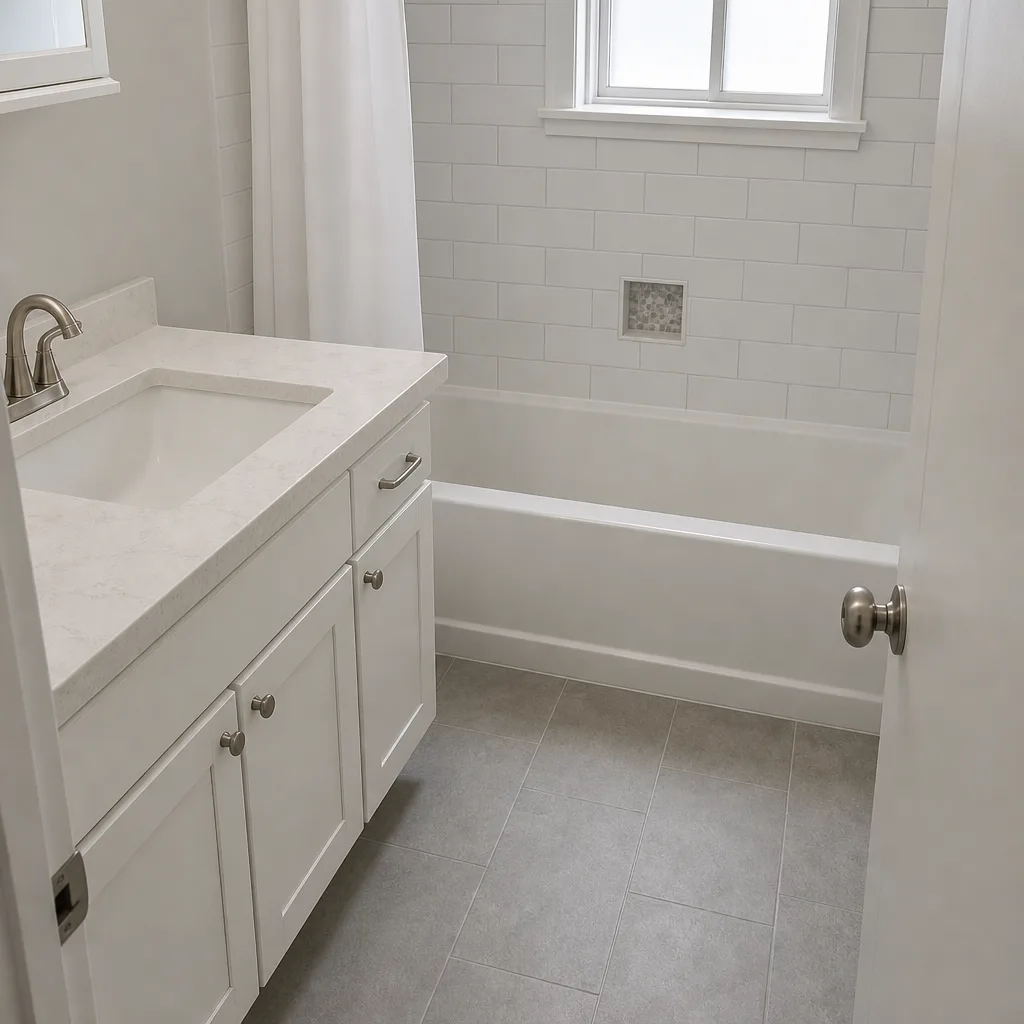 After
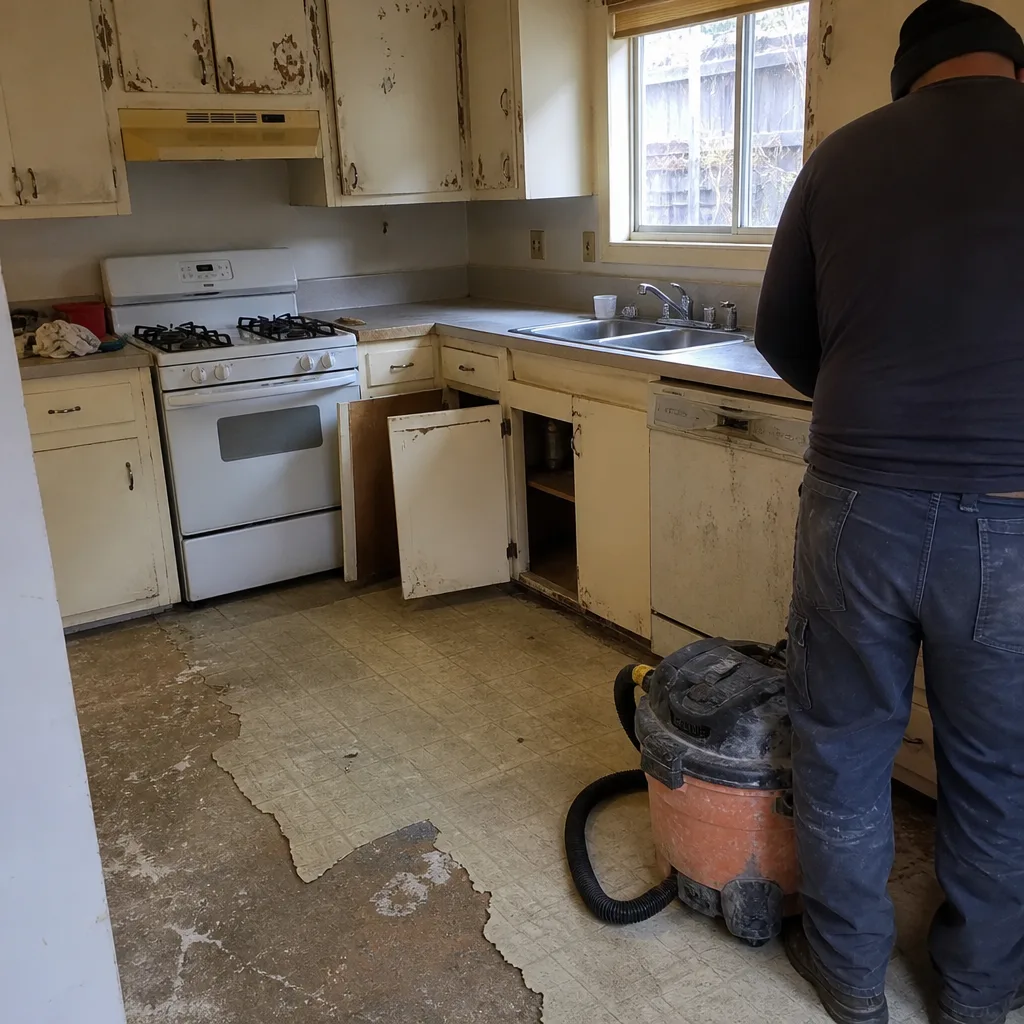 Before
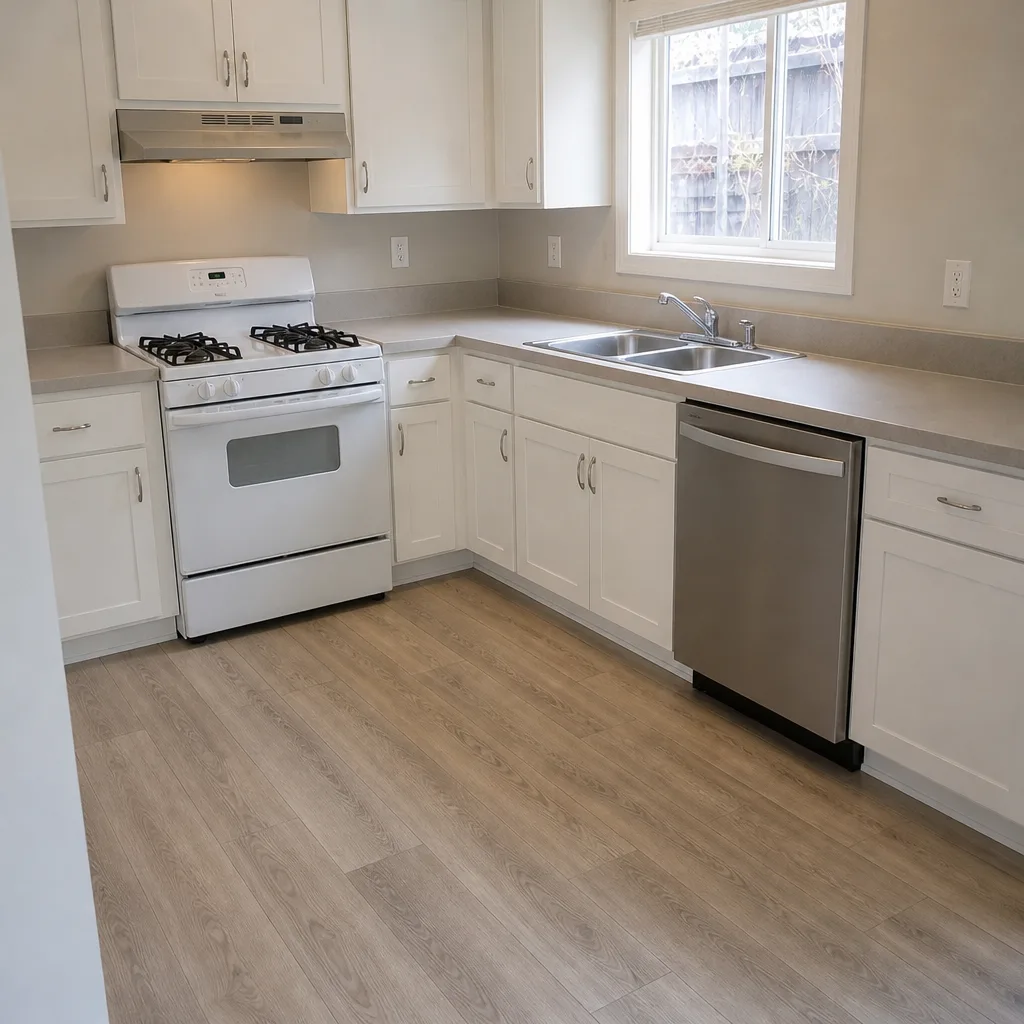 After
Common Mistakes to Avoid

- Caulking over a crack without checking what’s behind it. A bead of caulk on a stucco crack hides the water path without stopping it. Fix the flashing and the sill, not just the surface.
- Treating a fogged window as cosmetic. A failed IGU is a failing seal. Have the frame and the rough opening inspected when you replace the glass.
- Accepting a bid that doesn’t mention flashing. Every replacement needs a flashing plan in writing. If the bid is silent, ask, and get it in writing.
- Letting a contractor skip the permit. Ask which permits apply before the job starts, and expect the inspector to sign off. The permit inspection is a free safeguard you’ve already paid for through the fee.
- Signing a bid with no allowance for frame or sill repair. Older homes will have hidden damage. The allowance and the written change order are how you avoid a surprise invoice at the end.
- Waiting until the exterior shows damage. By the time you can see it from the street, the sill plate has been wet for seasons. Do the five-point interior check every fall.
- Skipping the moisture reading on the rough opening. Ask for it. Any contractor who won’t take a moisture reading before quoting a replacement is pricing work they haven’t fully looked at.
When to Call a Professional
Call a professional when any of the five interior signs is visible: bubbling paint, soft drywall, baseboard staining, mold at a corner, or a peeling sill. Call when a window or door has failed to seal and you can feel a draft on a still day, or when your energy bills have climbed a step for no obvious reason. Call when a sliding door sticks, jumps its track, or shows daylight at the threshold. And call before a window or door replacement bid is signed, so you can ask the pre-installation inspection questions while you still have leverage. Window & Door Replacement in Santa Rosa through Barrett & Sons includes the pre-installation inspection, permits pulled, and the written 90-Day Done Right Promise on every eligible job. Free estimates in Santa Rosa. Call (866) 864-4083. Our technicians have up to 28 years of experience, and every crew member is background-checked.
A few related reads if you’re planning work: Driveway & Pavers in Santa Rosa, Fence Installation in Santa Rosa, and Home Additions & ADU in Santa Rosa. Windows and doors are part of the same envelope question, and a leak in one of those assemblies is just the most visible warning sign in a bigger wall.
Frequently Asked Questions
The earliest reliable sign is soft drywall directly beneath the interior sill, followed closely by bubbling paint around the frame. Press a screwdriver handle into the drywall under the sill. A slight give means the paper face has absorbed moisture. If you see either sign, ask for a rough opening moisture reading before pricing any window replacement.
Most replacement windows in Santa Rosa run roughly $600 to $1,200 per unit for a standard size, with rougher openings and larger sliding units pushing higher. Frame and sill repair adds cost when damage is found, and that allowance should be written into the bid. Call (866) 864-4083 for an exact quote. Estimates are free, and a written change order covers any scope change before work proceeds.
In most cases, yes. Santa Rosa, like most California jurisdictions, requires a permit for replacing windows, and the inspection confirms the flashing and installation were done correctly. Any contractor who pitches “no permits needed” as a selling point is a red flag. Permits pulled and inspections signed on every eligible job are the standard we work by.
No. Fog between the panes means the insulated glass unit’s perimeter seal has failed, which drains thermal performance and exposes the frame to moisture. Treat it as a real repair, and have the frame inspected at the same time. If you’re being told it’s cosmetic, ask for that in writing, then get a second opinion.
Recurring cracks mean the movement at the corner hasn’t stopped, usually because the flashing and sill are still allowing water behind the stucco. Patching the surface fixes the look, not the water path. Have the flashing and the rough opening inspected before the crack is caulked again.
Ask for the rough opening moisture reading, a written flashing plan, the permit number and inspection list, and a written allowance for frame and sill repair. Also ask for the pre-installation inspection documentation in photos. If a bid doesn’t include those, ask why. Get the answer in writing. Call (866) 864-4083 and we’ll walk through every one of them with you.
The Bottom Line
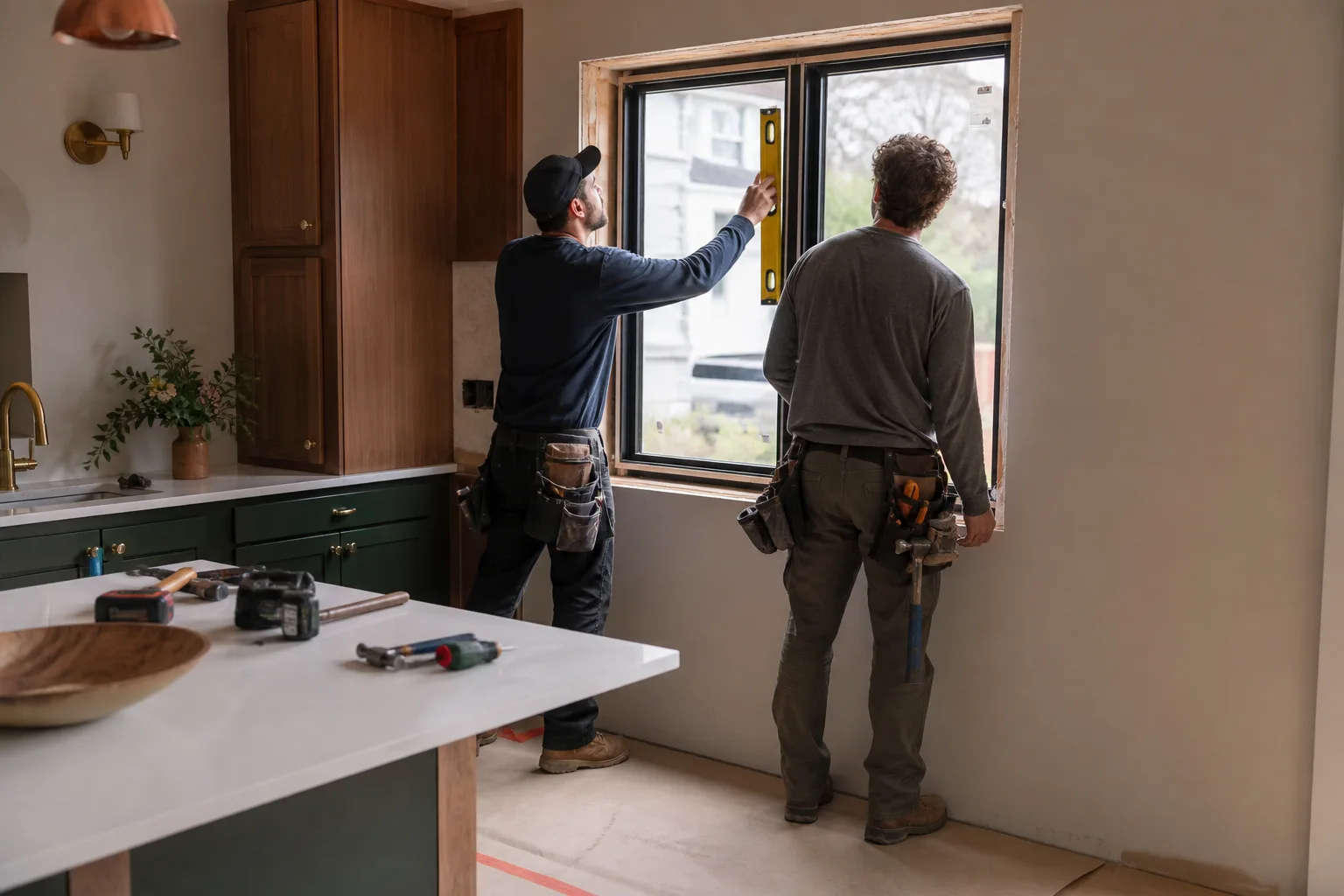
The expensive window and door damage is the kind you can’t see from the street: wet sill plates, rotted jack studs, and failed flashing hidden inside the wall. Your job is to check the five interior signs every fall, and to demand the pre-installation inspection, the moisture readings, and the written flashing plan from any contractor before a bid is signed. In Santa Rosa, our technicians have up to 28 years of experience watching this pattern play out, and our 90-Day Done Right Promise backs every eligible job. If something’s not done right, one call brings Tom back.
Every scope, allowance, and price change arrives in writing before work happens, because the allowance that isn’t on paper is a surprise waiting for a date. If you’ve seen soft drywall under a sill, a peeling door threshold, or cracks that won’t stop coming back, get it looked at before the next storm. Call Barrett & Sons Construction Santa Rosa at (866) 864-4083 to schedule your free estimate.
Written by the team at Barrett & Sons Construction Santa Rosa.