Last updated November 18, 2026








Free written scope consultation - allowances, timeline, and change-order rules on paper before a single trade is scheduled
Bathroom Remodeling Troubleshooting: Common Problems and How to Fix Them
Grout cracking in the first year of a tile shower isn’t a grout problem. It’s almost always a substrate problem, which means the fix isn’t regrouting, it’s tearing out tile and asking hard questions about what was installed underneath. That distinction runs through every bathroom remodel we’ve walked into across Santa Rosa. Problems come in two flavors: the cosmetic issues that show up in weeks and are mostly contractor callbacks, and the moisture problems that hide for a year or two before announcing themselves as rot, mold, or a shower floor that flexes under your feet. This guide helps you tell the difference, diagnose what you’re actually looking at, and know which fixes are yours to make and which need a pro.
Quick Answer
Most bathroom remodel problems split into fixed-fast cosmetic issues (caulk shrinkage, minor paint touch-ups, hardware adjustment) and systemic failures tied to moisture and substrate (tile cracks, grout fallout, slow drains, lingering humidity). Cosmetic problems are normal settling and usually covered by a callback. Systemic failures require reopening walls or floors to find the cause, and they rarely resolve on their own – they get worse and more expensive the longer you wait. Diagnosing which category you’re in is the whole game.
Styles & brands we work with
- Kitchen remodeling
- Bathroom remodeling
- Home additions & ADU
- Roofing
- Windows & doors
- Driveway & pavers
- Fence
Table of Contents
- Cosmetic vs. Systemic: Telling Them Apart
- Tile and Grout Failures: What’s Really Underneath
- Diagnosing a Slow Drain: P-Trap, Venting, or Slope
- Exhaust Fans That Still Leave Fog on the Mirror
- Waterproofing Failures That Hide for 18 Months
- Caulk, Paint, and Hardware: The Quick Fixes
- The 90-Day Done Right Promise in a Bathroom Context
- Maintenance That Keeps Warranties Valid
Cosmetic vs. Systemic: Telling Them Apart
The fastest way to know whether you’re facing a callback or a rebuild is timing and location. Cosmetic issues show up early and sit on the surface. Systemic issues show up late – often past the 12-month mark – and the symptoms point at something buried.
Here’s the practical split we use when a homeowner calls about a bathroom we didn’t build:
- Cosmetic (likely a callback): hairline caulk separation at the tub edge, a paint bubble over a patch, a medicine cabinet door that swings slightly off, a towel bar with a loose anchor. These are finish-level and fix in under a day.
- Systemic (likely a rebuild): grout cracking along shower floor joints within the first year, tile that sounds hollow when you tap it, a musty smell that comes back after cleaning, efflorescence (white powder) at grout lines, a shower floor that flexes, or paint peeling on the ceiling below the bathroom.
If you’re seeing a symptom from that second column, stop looking at the surface. Grout isn’t the problem when it cracks on a shower floor. The pan under the tile is flexing, and grout can’t hold where the surface underneath moves. Repointing the grout buys you a few months and hides the real failure while water keeps working its way into the framing.
In Santa Rosa, we see this pattern most often in older homes where an original alcove tub was converted to a walk-in tile shower without rebuilding the subfloor to handle a mud-bed pan. The tile looks right for a year or so. Then the grout lets go and the water damage surfaces behind the adjacent bedroom wall.
Tile and Grout Failures: What’s Really Underneath
Tile cracks and grout fallout almost never trace back to the tile or the grout. They trace to one of four substrate problems:
- Deflection in the subfloor. The joists under the bathroom aren’t stiff enough for a tile assembly, so the floor flexes when you walk on it. Grout cracks and tiles loosen as a result.
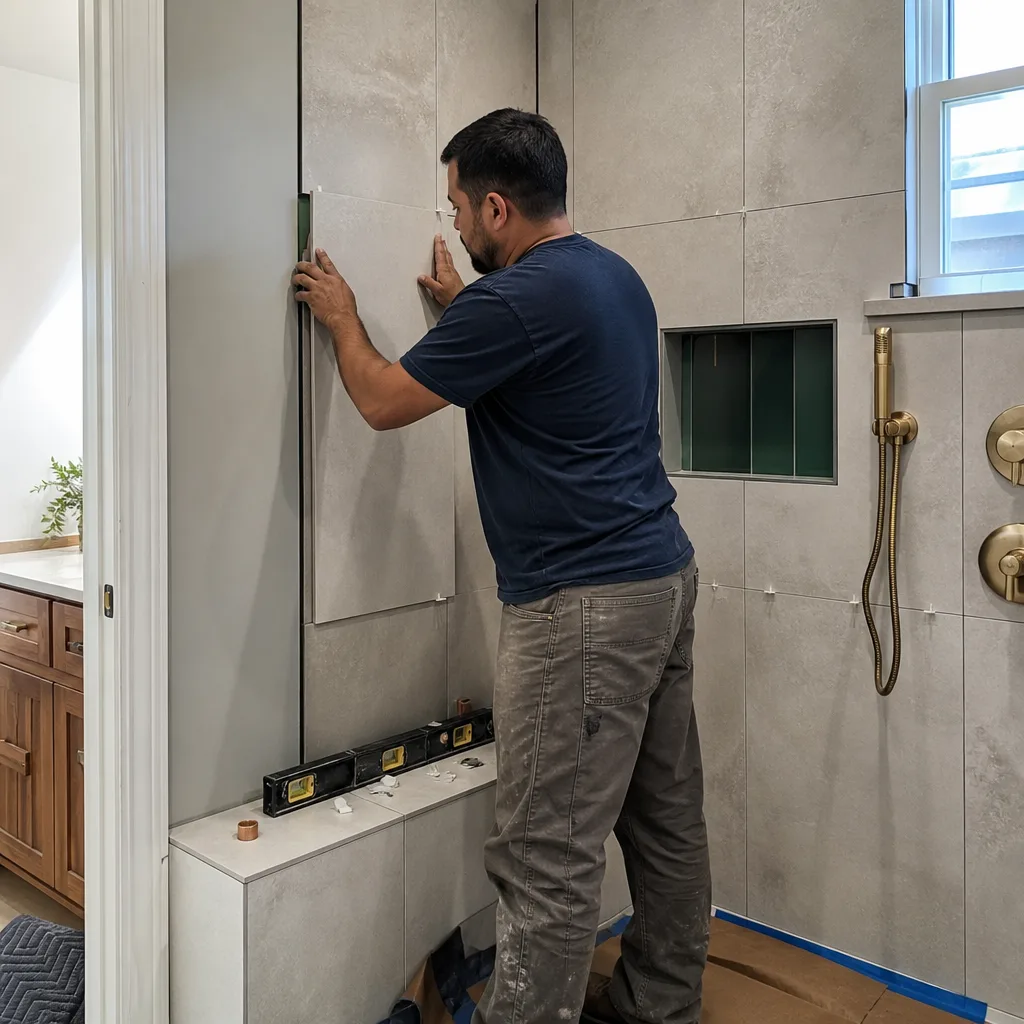
- Missing or compromised waterproofing. Depending on the system used, a shower needs either a bonded membrane (products like Schluter Kerdi are common) or a properly sloped mud pan with a liner. Skip either, and water gets into the assembly.
- Improper slope on the shower pan. Water that doesn’t flow to the drain sits under the tile. Tile stays wet, mortar breaks down, and the musty smell starts.
- No movement joints. Tile expands and contracts with temperature and moisture. Where two planes meet – wall to floor, wall to wall – you need a flexible joint, not rigid grout. Grout cracks there first, every time.
Here’s how to document what you’re seeing for a conversation with your contractor:
- Photograph each crack or hollow spot with a ruler or coin for scale.
- Tap gently across the tile field and note the hollow-sounding areas in a sketch.
- Log the date each issue first appeared and whether it’s growing.
- Note any smell, discoloration, or efflorescence along with a photo.
- Keep any correspondence with your contractor in writing, not by phone.
That documentation is the difference between a faster resolution and a debate. If a contractor pushed back, those photographs and dates do more work than any phone call. This is also why Barrett & Sons Construction Santa Rosa home puts every scope item in writing before work starts; if the conversation ever gets to this stage, the paper trail is already there.
Diagnosing a Slow Drain: P-Trap, Venting, or Slope
A slow drain in a newly remodeled bathroom usually points at one of three things, and only one of them is a homeowner fix. Here’s how to tell them apart before you call anyone.
P-trap clog (you can likely fix this). The drain is slow only in the sink or tub that’s affected, and it gurgles. The trap under the fixture has hair or soap scum in it. Remove the trap arm, clear it, and you’re done. This is safe and doesn’t require opening anything.
Venting problem (needs a plumber). The drain runs slow, and you hear gurgling in an adjacent fixture when you use the sink. Smells come up from the drain. A blocked or improperly run vent will keep the drain from flowing correctly even after you clear the trap. Diagnosing venting means getting on the roof or into the attic, and that’s a licensed plumber’s job.
Drain slope error (needs a plumber, and probably tile removal). The drain was slow from the day the remodel finished, and it hasn’t improved. The drain line under the floor isn’t pitched at the required fall (roughly 1/4 inch per foot for most drain sizes in residential work). Fixing this means opening the floor. Catching it during the build is much less painful than catching it after the tile is in.
If you’re in Santa Rosa and the shower drain has been slow since day one, call the contractor before the warranty period closes. Waiting rarely improves the answer.
Exhaust Fans That Still Leave Fog on the Mirror
When a brand-new bath fan leaves the mirror foggy after a shower, the issue is almost never the fan’s size. It’s what happens to the air after it leaves the fan. In our experience, three ducting problems account for most of these calls:
- Too long a duct run. The fan is rated for a specific airflow, and pushing it through thirty feet of flexible duct reduces that airflow well below what the fan can move in a lab. The fan runs hard, the mirror stays foggy.
- Flexible duct with kinks. A kink in flex duct cuts flow by half. Every bend adds resistance. Short, smooth, and rigid is the right way to move air out of a bathroom.
- Terminated into the attic instead of outside. This is a serious moisture problem. Air that should leave the house gets dumped into the attic, where it condenses on the roof decking and eventually stains ceilings in the rooms below.
Here’s how to verify your fan is doing its job:
- Run the fan and hold a piece of toilet paper near the grille. It should suck tight and stay. If it flutters or falls, flow is weak.
- Trace the duct from the fan housing. If you can’t reach it, look for a wall or roof vent outside – a properly vented bathroom has one.
- Check the outside vent flapper. It should open freely when the fan runs. Stuck or missing flaps usually mean venting problems.
- Look in the attic above the bathroom after a hot shower. Damp attic framing points at a duct dumping into the attic instead of outside.
An undersized fan is a real thing too, especially in bathrooms where the original fan was sized for a much smaller room. Modern fans from American Standard and similar brands are quieter and move more air than older units. If your existing fan is quiet, small, and old, upgrading is worth the conversation.
Waterproofing Failures That Hide for 18 Months
Waterproofing problems are the most expensive thing we see in bathroom remodels, and they announce themselves late. The tile looks perfect. Then, somewhere between 12 and 24 months, a small stain shows up on a ceiling below, or a baseboard in the adjacent room starts to buckle, or a musty smell settles in and won’t leave after a deep clean.
In Santa Rosa, we see this pattern in older homes more than new ones. Original 1940s and 1950s bathrooms were often built with tile set directly on drywall or mortar beds with no membrane, and a remodel that keeps that substrate while installing modern fixtures usually fails in the first two years. The climate contributes: Santa Rosa’s wet winters and dry summers mean the bathroom cycles through expansion and contraction far more than a steady climate would, and a marginal waterproofing job will fail faster here than it would in, say, Phoenix.
Signs that you’re looking at a waterproofing failure, not a cosmetic one:
- Efflorescence at any grout line (white mineral powder that keeps coming back)
- Musty smell that returns within days of cleaning
- Bubbling paint or soft drywall on the wall opposite the shower
- Tile that sounds hollow when you tap it near the shower pan
- A ceiling stain in the room directly below
If any of these are present, stop cleaning and start documenting. A moisture meter on a tiled shower wall costs under forty dollars and tells you within seconds whether the wall is dry. If it reads wet, you have a rebuild, not a repair.
Caulk, Paint, and Hardware: The Quick Fixes
We don’t want to send every homeowner into a panic. Plenty of bathroom problems are the boring kind, and a homeowner can handle most of them in an afternoon. Here’s our short list, in order of how often we field the call:
- Caulk pulling away at the tub edge. Even the best caulk shrinks slightly as it cures. Scrape it out, clean with rubbing alcohol, and recaulk with a 100% silicone kitchen and bath caulk. Let it cure twenty-four hours before you shower.
- A hinge that squeaks or a door that won’t sit flush. Tighten or replace the hinge. Cabinet doors sound off because a screw is loose in the framing behind, not because the door is bad.
- Touch-up paint after installation. Drywall patching from a plumbing access panel often needs a coat within three months. Proper prep (seal the patch, sand smooth, primer then paint) is the whole job.
- A wobbly toilet. Snug the bolts at the base and check the wax ring. A wobble that keeps coming back means the flange under the floor is cracked or set too low, and that’s a plumber-grade job.
These are the problems good contractors come back for without a fight. A written change order or a callback policy spells out the difference, and that’s why we put the promise on every contract. If you’re planning a bathroom remodel in Santa Rosa and you want to know how we handle post-hand-off issues before you sign anything, look at how we handle Home Additions & ADU in Santa Rosa – same policy, bigger scope.
The 90-Day Done Right Promise in a Bathroom Context
The 90-Day Done Right Promise is written on every contract – not buried in fine print – and it’s the standard we hold when a bathroom calls us back. In practice, that means:
- Cosmetic issues tied to our installation: caulk we applied that pulled away, paint we sprayed that bubbled, hardware we set that loosened. We come back and make it right.
- Installation that doesn’t match the written scope: a fixture set at the wrong height, a tile pattern that shifted, a fan that doesn’t flow. We come back and make it right.
- Work that fails inspection on a job we pulled permits for: we handle the inspector, not you. Permits get pulled and inspections get signed on every eligible job because the last contractor many customers used told them permits were optional. The permit inspector works for you, not for us – that’s why we like him.
What the promise does not cover is damage caused by conditions outside the scope. A tile crack from a leaky shower valve installed by a plumber you hired separately, or a slow drain that started after a hair clog, or water damage from a toilet supply line that split two years after the remodel – those are separate issues. The promise covers the work. It doesn’t cover everything that happens in a house.
If a repair is over two hundred dollars, the standing $40 Off Any Repair Over $200 credit applies. And if you have a written estimate from another contractor you’re not sure about, Free Second Opinion on Any Written Estimate is a standing offer, not a sales tactic – bring the paper, we’ll read it with you.
Maintenance That Keeps Warranties Valid
Warranties on tile, fixtures, and fans assume you keep the bathroom in reasonable condition. The homeowner maintenance that keeps those warranties intact is short and not exciting:
- Recaulk annually. Every twenty-four months at minimum, and once a year in bathrooms that get heavy use. Scrape, clean, recaulk with silicone. Don’t over-caulk; a thick bead under a thin one hides the joint you need to see.
- Run the fan for twenty minutes after every shower. Not five. Not until the mirror clears. Twenty minutes past the end of the shower dries the wall cavity behind the tile. A timer switch wired for twenty minutes costs about what a decent lunch costs, and it saves shower walls.
- Check caulk joints quarterly. A two-minute walk around the tub and the shower corners with a flashlight. Catching a crack the day it opens saves the repair.
- Keep the drain clear. A screen over the shower drain catches the hair that would otherwise start a clog. Empty it weekly.
- Document any leak immediately. A slow drip from a supply line, if caught inside a week, is a repair. Inside a month, it’s often a rebuild on the floor below.
None of this is glamorous, and every item earns you the warranty coverage you paid for. If you’re remodeling a bathroom in Santa Rosa and want to know what the finish schedule looks like alongside a Fence Installation in Santa Rosa or Driveway & Pavers in Santa Rosa project, we’re glad to map it out – sequencing is one of the things we handle as crews move through a property.
Common Mistakes to Avoid
- Skipping the permit because a contractor said it wasn’t needed. Permits get pulled and inspections get signed on every eligible job. The permit inspector works for you, not for the contractor, and on a bathroom remodel it catches plumbing, electrical, and venting problems that show up years later.
- Paying a deposit to hold a “phone quote.” A phone quote is a guess. A written estimate with line items is a commitment. Every scope change on a Barrett & Sons job arrives as a written change order before the work happens.
- Letting the tile go in without checking the subfloor. Tapping the floor joists before tile goes down and verifying deflection is a five-minute check that prevents most grout cracks two years later.
- Terminating a bath fan into the attic. This is common in older Santa Rosa homes and it’s one of the fastest ways to introduce mold into the roof structure. If the fan doesn’t have a wall or roof vent, it’s not vented.
- Using pre-mixed adhesive in a wet area. Tub surrounds and shower walls need the right setting materials for their substrate. Drywall mastic has no place in a finished shower.
- Overlooking the allowance line in the contract. An allowance that isn’t on paper is a surprise waiting for a date. If the tile allowance says “don’t exceed $X” and the tile you want costs more, that conversation needs to happen before demo day, not after.
- Ignoring the first crack. A single crack in a shower corner isn’t cosmetic. It’s a signal, and the earlier you look, the cheaper the fix.
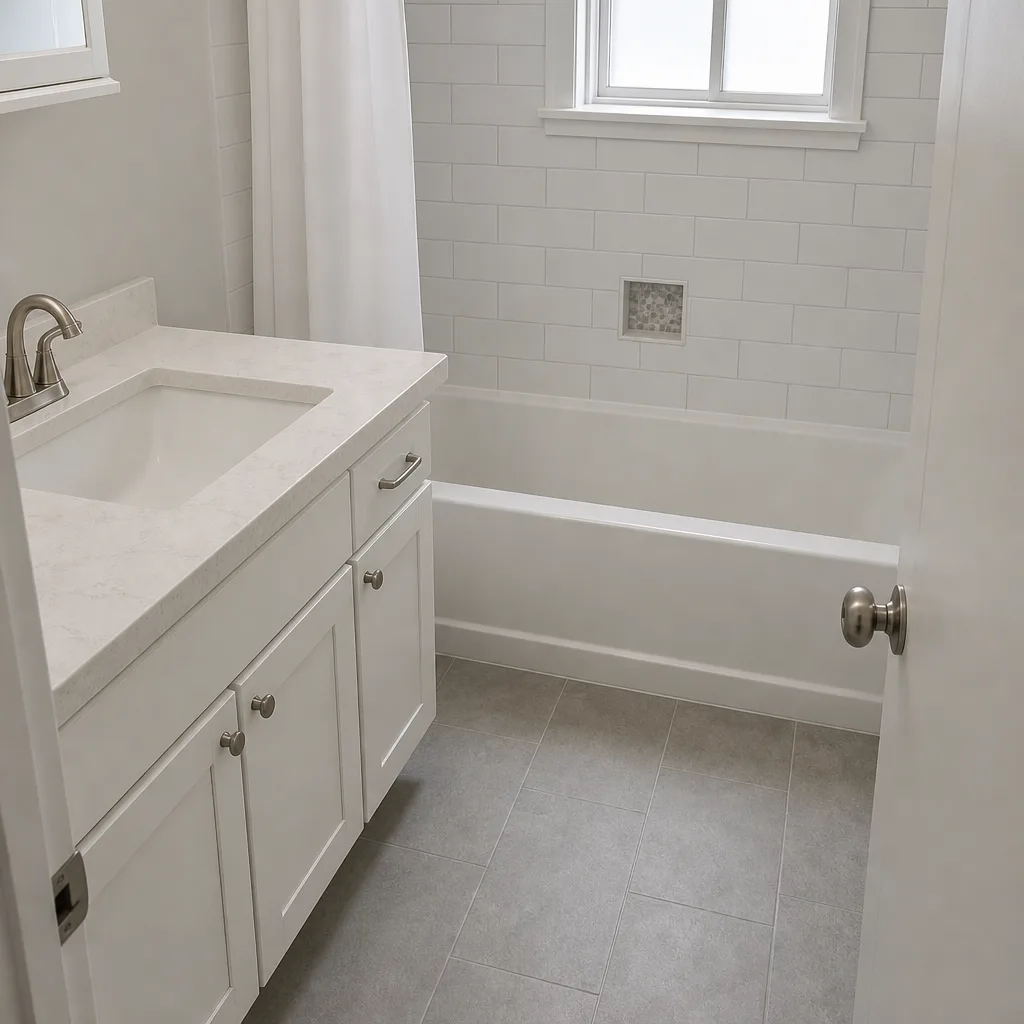
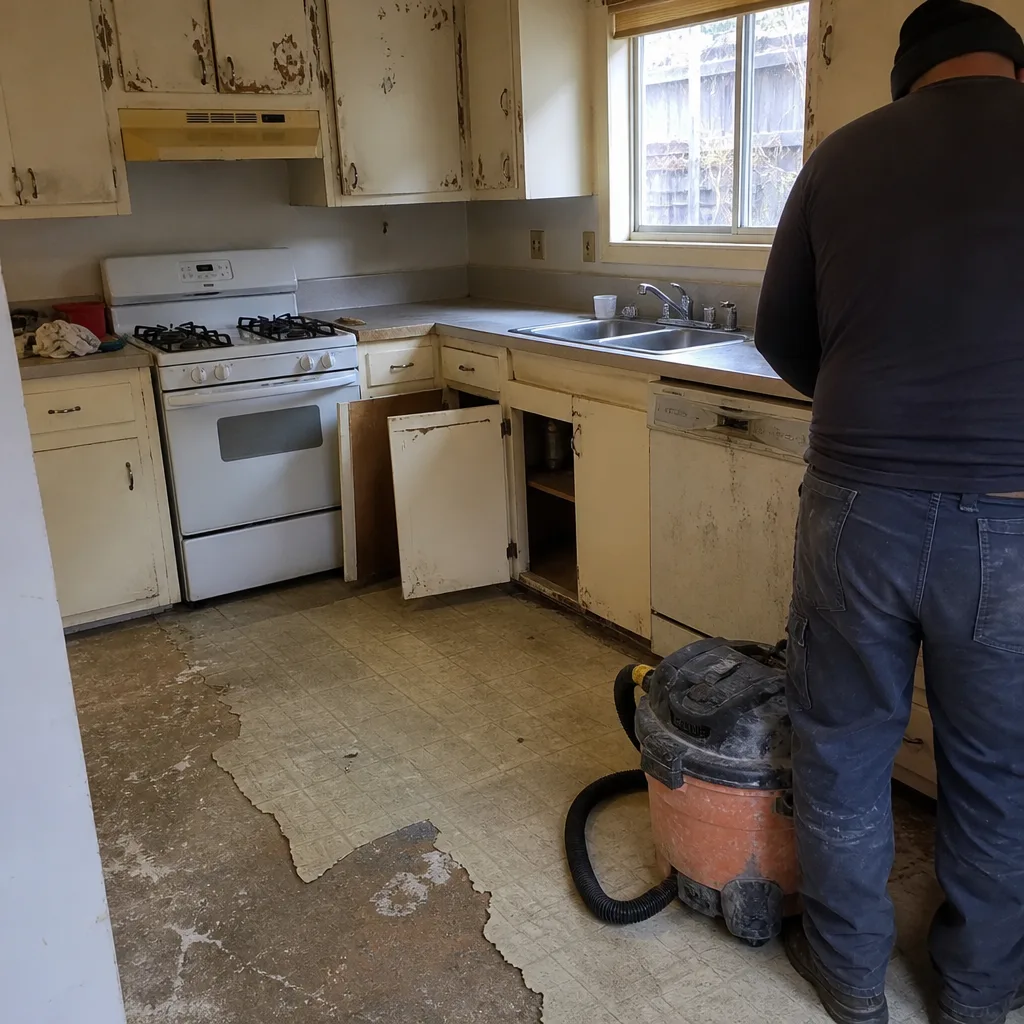
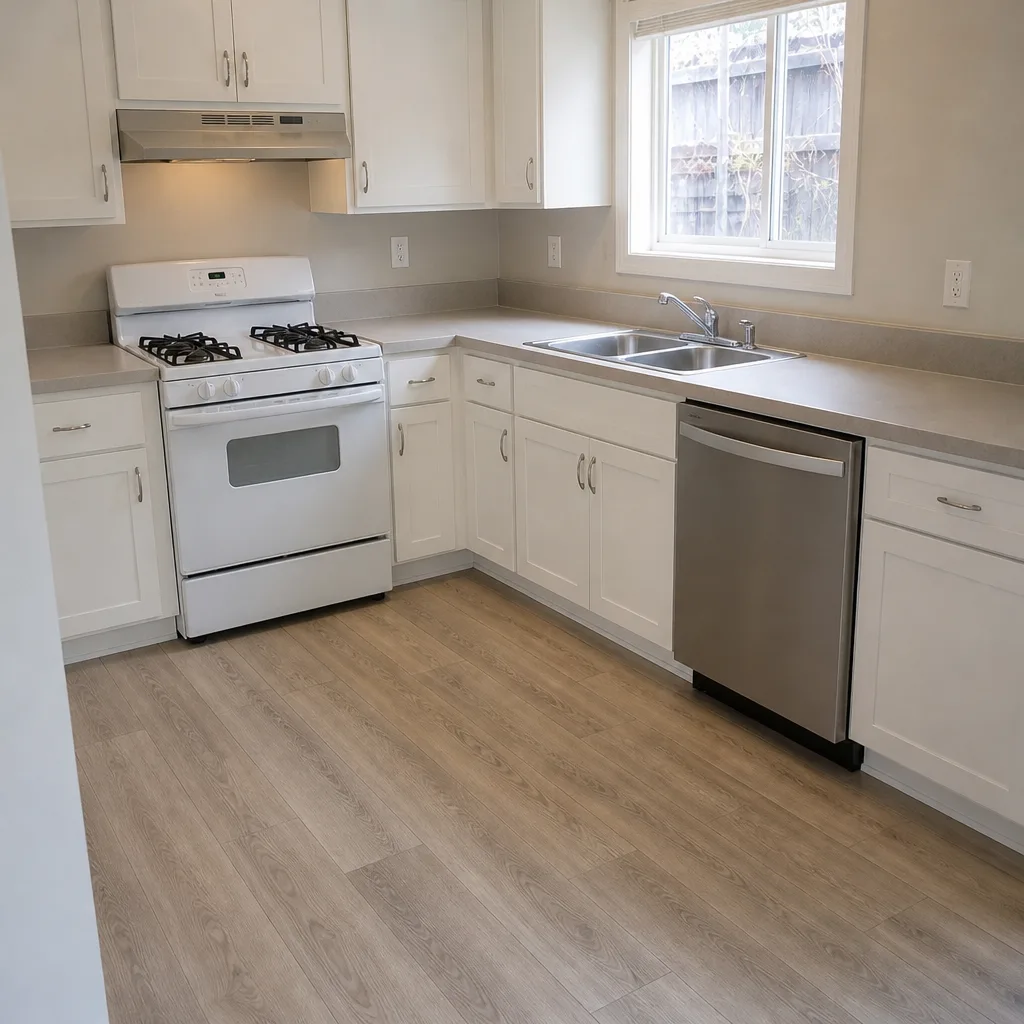
See the difference
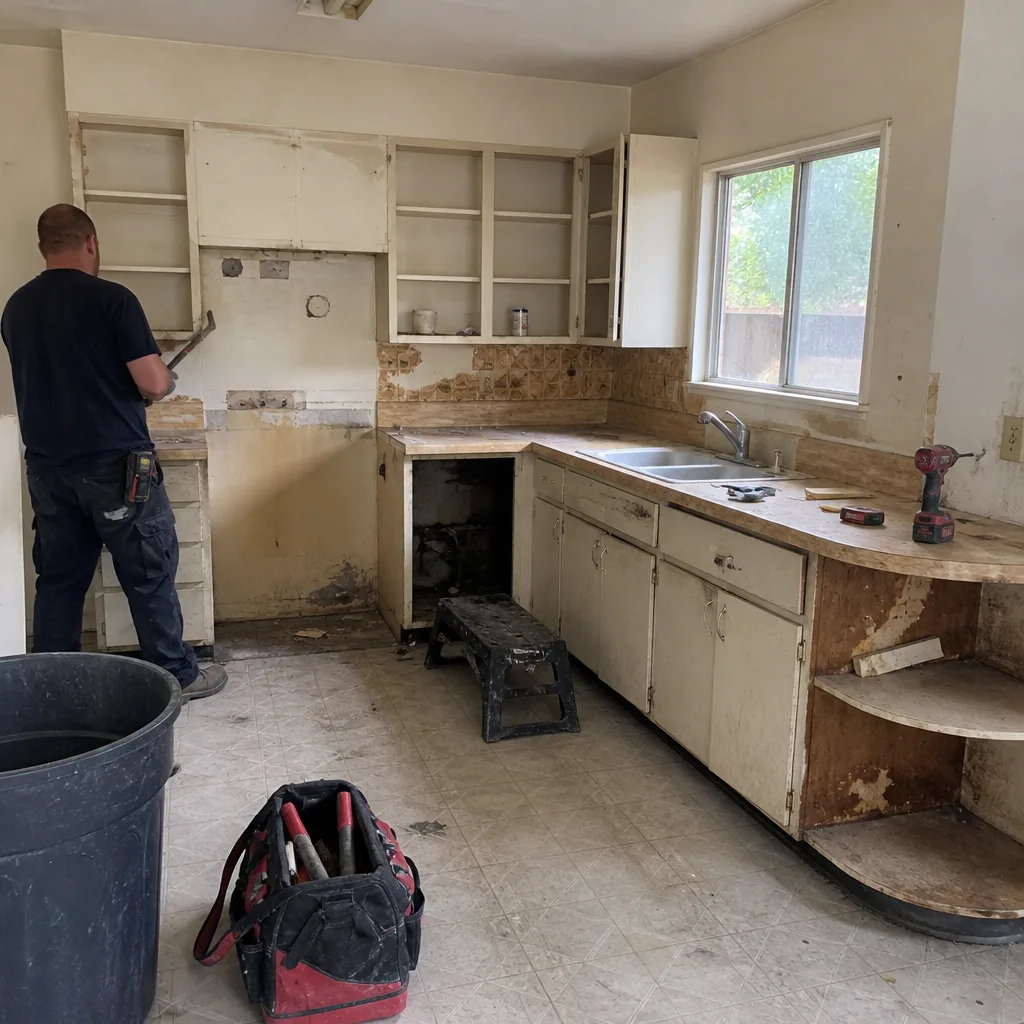 Before
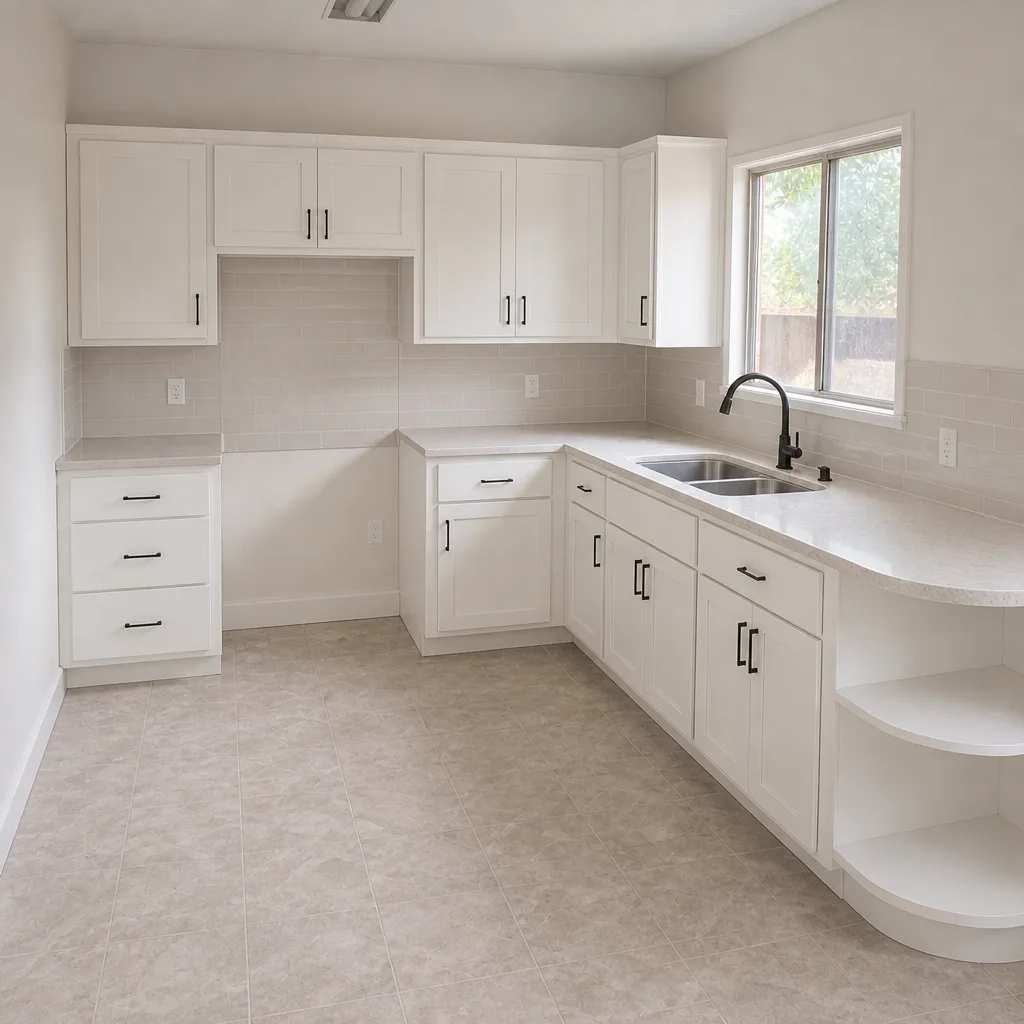 After
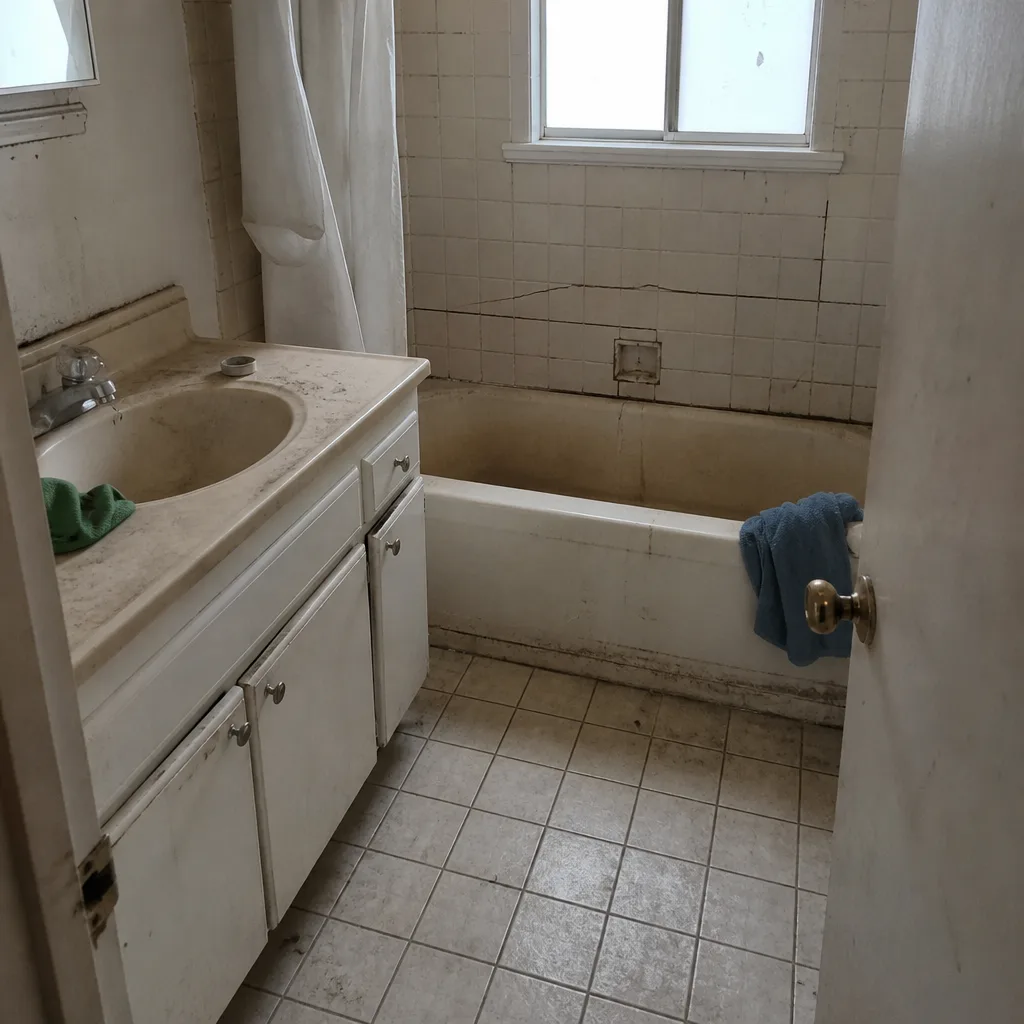 Before
 After
 Before
 After
When to Call a Professional
Call a contractor when the symptoms point at substrate, waterproofing, or code. That means grout cracking in the first year, tile that sounds hollow, a shower floor that flexes, a musty smell that keeps returning, a slow drain that never improved after the remodel, or anything wet behind a tiled wall. On the electrical side – adding a circuit for a heated floor, rewiring a new fan, replacing a light fixture over a shower – a licensed electrician is the right call, not a handyman. Same for plumbing that requires opening a wall or replacing a valve. The cost of catching these problems during the warranty window is nothing compared with the cost of a rebuild two years later.
Barrett & Sons Construction Santa Rosa offers free estimates in Santa Rosa – call (866) 864-4083. A live person answers, day or night. If you’re outside the county, ask about the no trip charge when you call. A bathroom problem is worth a second look before it becomes a rebuild.
Frequently Asked Questions
Grout cracking in a new shower within the first year almost always means the substrate under the tile is moving or wet. The grout is doing what it should – telling you there’s a problem underneath. Regrouting is a delay tactic, not a fix. Have the contractor document where the cracks are, then open up a small section of the shower floor joist bay or a shower wall to check for moisture. Call (866) 864-4083 for a free second opinion on a written estimate if you already have one.
Listen for gurgling at a neighboring fixture. If the drain gurgles and the smell comes up through it, it’s a vent problem. If the drain was slow from day one and stayed slow, it’s a slope problem. A homeowner can clear a P-trap on a fixture; venting and slope need a licensed plumber. Call (866) 864-4083 for a free estimate on diagnosis and repair in Santa Rosa.
A localized repair where the failure is confined to one wall or one pan can run $1,800 – $4,500 depending on tile, fixture, and access. A full shower rebuild – tile, membrane, and pan – typically runs $6,000 – $14,000. A rebuild that includes taking out the shower entirely and redoing the walls behind it can run higher. Costs shift with material selections and existing plumbing. Call (866) 864-4083 for an exact quote – estimates are free.
Yes, and you should. Caulk shrinkage is a homeowner fix, not a contractor callback. Scrape out the old caulk, clean with rubbing alcohol, and apply a 100% silicone kitchen-and-bath caulk in one smooth bead. Let it cure twenty-four hours before you use the shower. If the caulk is pulling away and the area under it is wet, stop – that’s the waterproofing conversation, not a caulk conversation. Call (866) 864-4083 for a free second opinion.
Sometimes, but usually not first. In many cases the fan is fine and the duct is the problem – kinked flex duct, a run that’s too long, or a duct terminating into the attic instead of outside. The duct is the fix about half the time. If the duct is clean and short and the fan still leaves fog, upgrade the fan. Call (866) 864-4083 and we can walk through what to check before you spend money on a fan you didn’t need.
The promise covers workmanship on our installation: caulk, paint, hardware, tile set, and fixture installation that don’t match the written scope. It’s written on the contract, not fine print – one call brings us back. It doesn’t cover damage from other trades, clogs, or plumbing failures outside the scope. If a repair is over $200, the $40 Off Any Repair credit applies. Call (866) 864-4083 and mention the promise when you call – we’d rather hear about a problem than miss it.
The Bottom Line
Bathroom remodel problems come in two speeds. The cosmetic ones – caulk, paint, hardware – show up fast and fix fast. The systemic ones – grout cracking in the first year, musty smells, slow drains that never improved, damp walls behind tile – show up late, announce themselves quietly, and get more expensive the longer you wait. In Santa Rosa’s wet-winter-dry-summer cycle, marginal waterproofing fails faster than it would in a steady climate, which is why we plan for it on every job. Diagnose before you repair. Document with photographs and dates. Put every scope change in writing before the work happens, because an allowance that isn’t on paper is a surprise waiting for a date. That’s the whole playbook, and it works whether you hire us or someone else.
Have a bathroom problem in Santa Rosa you’re not sure how to sort? Call Barrett & Sons Construction Santa Rosa at (866) 864-4083 for a free estimate. A live person answers, and we’re glad to look at what’s going on.
Written by the team at Barrett & Sons Construction Santa Rosa.