Last updated November 18, 2026





Free written scope consultation - allowances, timeline, and change-order rules on paper before a single trade is scheduled
Windows & Doors Troubleshooting: Common Problems and How to Fix Them
Condensation trapped between double-pane glass isn’t a cleaning problem. It’s a failed seal, and no amount of wiping, vinegar, or glass cleaner will touch it. That single misdiagnosis sends thousands of homeowners down the wrong repair path every year, spending money on the wrong fix before anyone has identified the actual cause. Windows and doors almost always fail for a small, findable reason, and the draft, the sticking, or the fogging you’re noticing is a symptom pointing somewhere else. This guide works backwards from what you’re experiencing to what’s actually wrong, with the Santa Rosa climate and housing stock in mind.
Quick Answer
Most window and door problems come down to one of four root causes: a failed seal, a hardware or hinge fault, a frame that has shifted with seasonal moisture, or water that’s already gotten behind the trim. The right fix depends entirely on which one you have. Fogging between panes means the insulated glass unit (IGU) has failed and needs replacing. A door that sticks only in certain seasons usually points to wood-frame movement, not a broken door. Drafts and daylight gaps are often weatherstripping or adjustment, not replacement.
Styles & brands we work with
- Kitchen remodeling
- Bathroom remodeling
- Home additions & ADU
- Roofing
- Windows & doors
- Driveway & pavers
- Fence
Table of Contents
- Symptom-First Diagnostic Index: Trace the Problem to Its Source
- Failed IGU vs. Failed Frame Seal: The Distinction That Changes the Cost
- Door Alignment in Wood-Frame Santa Rosa Homes
- Hardware Failure vs. Frame Failure: A 10-Minute Fix or a Foundation Conversation?
- Caulk and Weatherstripping: Real Fix or Masking Water Intrusion?
- Drafts and Daylight Gaps You Can Actually See
- Rattling Windows and Doors: What’s Loose and Why
- When Repair Stops Making Sense
Symptom-First Diagnostic Index: Trace the Problem to Its Source
Before you call anyone or buy anything, match what you’re seeing to what it usually means. Here’s the index we walk through with homeowners across Santa Rosa, from Rincon Valley to Coffey Park, when they describe a problem over the phone.
- Drafts around a closed window or door: usually failed weatherstripping, a worn sweep, or a frame that has racked slightly. Rarely the glass itself.
- Sticking or dragging door: seasonal wood movement, a loose or worn hinge, or a striker plate that’s out of alignment. Foundation involvement is possible but less common than people fear.
- Condensation on the room-side glass: a humidity and ventilation issue inside the home, not a window defect. Santa Rosa’s wet winters and tight modern construction make this common.
- Condensation or fogging between the panes: a failed IGU seal. The glass unit needs replacing.
- Rattling in wind: loose glazing stops, worn weatherstripping, or a sash that no longer seats properly in its track.
- Daylight visible around a closed door: misalignment, a worn threshold, or a frame that’s shifted. Fixable with adjustment in most cases.
Notice the pattern: the fix lives upstream of the symptom. If you chase the draft with a tube of caulk before checking the weatherstripping and the frame, you’ll be back at the same window next winter. In our experience, the cost difference between diagnosing first and guessing first runs into the hundreds, sometimes thousands, of dollars.
Failed IGU vs. Failed Frame Seal: The Distinction That Changes the Cost
This is the single most expensive misdiagnosis in window repair, and it comes up constantly in Santa Rosa homes built in the 1980s and 1990s where the original dual-pane units are now past their expected life.
An IGU is the sealed glass assembly itself: two panes, a spacer, and a desiccant-filled perimeter that keeps the space between them dry. When that perimeter seal fails, moisture gets in and you see fogging or a milky haze between the panes. The fix is to replace the glass unit, which a glass shop can often do without touching the frame. That keeps the cost in the hundreds for a typical unit, not the thousands you’d spend on a full window replacement.
A failed frame seal is different. That’s the seal between the window frame and the rough opening in the wall. When it fails, you get air and water intrusion around the perimeter, not between the panes. Symptoms include drafts at the edges, water staining on interior trim, soft or bubbling drywall near the corners, and caulk that keeps cracking no matter how many times you redo it. Fixing that usually means removing and resetting the window or replacing the whole unit, and it’s a bigger job.
If you’re unsure which one you have, look at where the moisture is. Fog between the glass is the IGU. Staining or softness around the frame is the frame seal. Getting this wrong by replacing a whole window when only the IGU failed is one of the most common ways homeowners overspend.
Door Alignment in Wood-Frame Santa Rosa Homes
Santa Rosa’s wet winters and dry summers move wood. That’s not a defect, it’s physics, and wood-frame homes here shift predictably with the seasons. A door that drags in January and swings free in July is showing you the pattern. Understanding it saves you from panicking about a foundation problem that doesn’t exist.
Here’s a simple way to think about what’s happening:
- Winter swelling: Moisture swells the door slab and jamb, so the door binds along the strike side or the top. This is the most common seasonal complaint in Santa Rosa.
- Summer shrinkage: The wood dries and the door may rattle or show a daylight gap that wasn’t there in spring.
- Chronic, one-direction sticking: If a door sticks the same way year-round and gets worse over years, that’s structural movement, and it deserves a closer look.
An exterior door on a west-facing wall in Santa Rosa takes the worst of both, baking in summer and swelling in winter. If the jamb itself is out of square, adjusting the hinge won’t fix it; the door needs to be rehung or the frame corrected. Our crews with up to 28 years of experience see this pattern constantly in older Santa Rosa neighborhoods, and knowing the difference between seasonal movement and structural shift is what keeps the repair proportionate to the problem.
Hardware Failure vs. Frame Failure: A 10-Minute Fix or a Foundation Conversation?
A sticking interior door usually has one of two causes, and they sit at opposite ends of the cost and worry spectrum. Hardware failure is the cheap, common one. Frame failure is the rare, serious one. Here’s how to tell them apart before you call anyone.
Signs it’s hardware: the door is square in its opening, the top gap is even, the hinges look worn or loose, or the strike plate has chewed into the jamb. Those are all adjustment jobs, and a hinge or strike plate fix often takes a competent handyperson ten minutes.
Signs it’s the frame or structure: the top gap is visibly uneven corner to corner, the door won’t stay open or keeps swinging itself, cracks appear above the door corners, or the same door has been re-adjusted repeatedly and keeps binding. Those are the ones we want to see before assuming the worst, because the foundation conversation and the hinge conversation solve two completely different problems.
Do this check yourself first: open the door halfway and look at the gap at the top and along the hinge side. Even gaps point to hardware. A wedge-shaped gap, wider on one side than the other, points to a frame that has moved. That one look tells you which call to make.
Caulk and Weatherstripping: Real Fix or Masking Water Intrusion?
Caulk and weatherstripping are genuine fixes when the problem is a worn gasket or a small, surface-level breach. They’re a masking job – and sometimes a cover-up – when water has already gotten behind the trim. The difference matters because water sitting inside the wall is a slow, expensive problem that a bead of caulk will hide for one more season.
Here’s how to tell which situation you have:
- Surface seal only: the gap is at the exterior face, the caulk is cracked or peeled, and the trim and drywall inside are dry and firm. Re-caulk and replace weatherstripping, and you’re done.
- Water already in the wall: interior paint or drywall near the window feels soft, shows staining, or smells musty, or the exterior trim is soft or paint is blistering. Those signs mean water is already in, and caulk on the outside won’t get it out.
In a wet-climate town like Santa Rosa, water behind the trim is a real risk, not a theoretical one. If you see soft drywall, bubbling paint, or rot in the sill, that’s a contractor call, not a caulk call. Patching the outside while the inside is wet traps the moisture and accelerates the damage. We’ve walked into Santa Rosa homes where a homeowner re-caulked the same window three winters in a row before the trim finally rotted through.
Drafts and Daylight Gaps You Can Actually See
A draft you can feel and a gap you can see are two different problems, and the fix for one won’t solve the other. A draft around a closed window usually comes from failed weatherstripping, a worn door sweep, or a frame that has shifted just enough to break the seal. Daylight around a door is usually alignment, a worn threshold, or a slab that’s warped.
Here’s the order we recommend for narrowing it down:
- Close the window or door and hold a piece of tissue or your hand near each edge in turn. Where it flutters or feels cold tells you where the leak is.
- Check the weatherstripping: look for compressed, torn, or missing gaskets along the sash and frame. Worn strips are the most common cause.
- For doors, look at the sweep at the bottom and the threshold. A gap there is often the biggest leak and the cheapest fix.
- If the gaps are even and the weatherstripping is intact, the frame has likely shifted and needs adjustment.
Replacing worn weatherstripping and sweeps solves most of these in an afternoon for a modest cost. But if you find that the caulk and stripping keep failing in the same spot every year, don’t ignore the pattern. It’s a sign the frame is moving, and that’s when a quick repair turns into a bigger one if it’s not addressed. Santa Rosa’s older homes, particularly in neighborhoods with original wood-frame construction, see this recurrence routinely.
Rattling Windows and Doors: What’s Loose and Why
Rattling in wind is usually not the glass moving. It’s the hardware, the glazing, or the sash that’s no longer seating firmly in its frame. Here’s what’s typically behind it:
- Loose glazing stops or retainers: the small trim pieces holding the glass in place loosen over time, letting the unit chatter in wind.
- Worn or missing weatherstripping: the sash no longer sits snug, so wind finds the gap and the sash flexes.
- Worn locks, latches, or operators: a loose lock lets the sash shift. Tightening the hardware often quiets the rattle.
- Screws backing out of the hinge or frame: common in sliding doors and casement windows that see a lot of use.
A rattle that only appears on windy days is usually a snug-up-and-tighten job. A rattle that shows up year-round and comes with a draft or a visible gap is worth a closer look at the frame. In Santa Rosa, where 30-plus mph wind gusts come off the coast a few times a year, a small rattle you’ve been meaning to fix is the one that will remind you. Address it before the wind finds it.
When Repair Stops Making Sense
Not every problem is worth chasing. There comes a point where patching the same window or door a third time costs more in labor and frustration than replacing it, especially if the unit is original to a Santa Rosa home built 30 or more years ago.
The signs that repair has run its course:
- Repeated IGU failures on the same unit within a few years, which usually means the frame itself is failing.
- Rot in the sill, jamb, or frame that’s gone beyond a small repair.
- Drafts and leaks that return right after the weatherstripping is replaced.
- Windows so far out of alignment that hardware adjustment no longer holds.
We install Andersen and Marvin windows because these are products you can look up and verify, not mystery brands off a truck. But replacement is the more expensive path, and we’d rather fix the small thing and send you on your way than sell you a window you don’t need. When replacement is the honest answer, we say so, and the scope arrives in writing before any work starts. If you want to see how window and door work fits into the bigger picture of a home, our Barrett & Sons Construction Santa Rosa home page lays out the trades we handle. Exterior projects like walkways and patios that often get tackled alongside window upgrades are covered on our Driveway & Pavers in Santa Rosa page, and if a failed door or window has led you to think about a larger addition, our Home Additions & ADU in Santa Rosa work is worth a look.
Common Mistakes to Avoid
- Wiping the fog between the panes. It won’t clear, because the moisture is sealed inside a failed IGU. Call a glass shop for a replacement unit instead of buying more cleaner.
- Caulking over a window that’s wet behind the trim. Santa Rosa’s wet winters make this tempting and it traps moisture. Check the inside drywall for staining or softness before you touch the exterior.
- Assuming a sticking door means a foundation problem. Most of the time it’s a hinge or a striker plate. Look for even versus wedge-shaped gaps before you panic.
- Replacing a whole window when only the IGU failed. That’s a thousands-of-dollars mistake when a glass unit replacement would have solved the fogging.
- Buying weatherstripping without finding the leak first. The tissue test takes five minutes and tells you exactly where to focus.
- Ignoring a rattle that only shows up in wind. It usually tightens up easy now and gets worse (and more expensive) later.
- Letting anyone start work without a written scope. The allowance that isn’t on paper is a surprise waiting for a date. Get the scope, and any change order, in writing before a nail moves.
See the difference
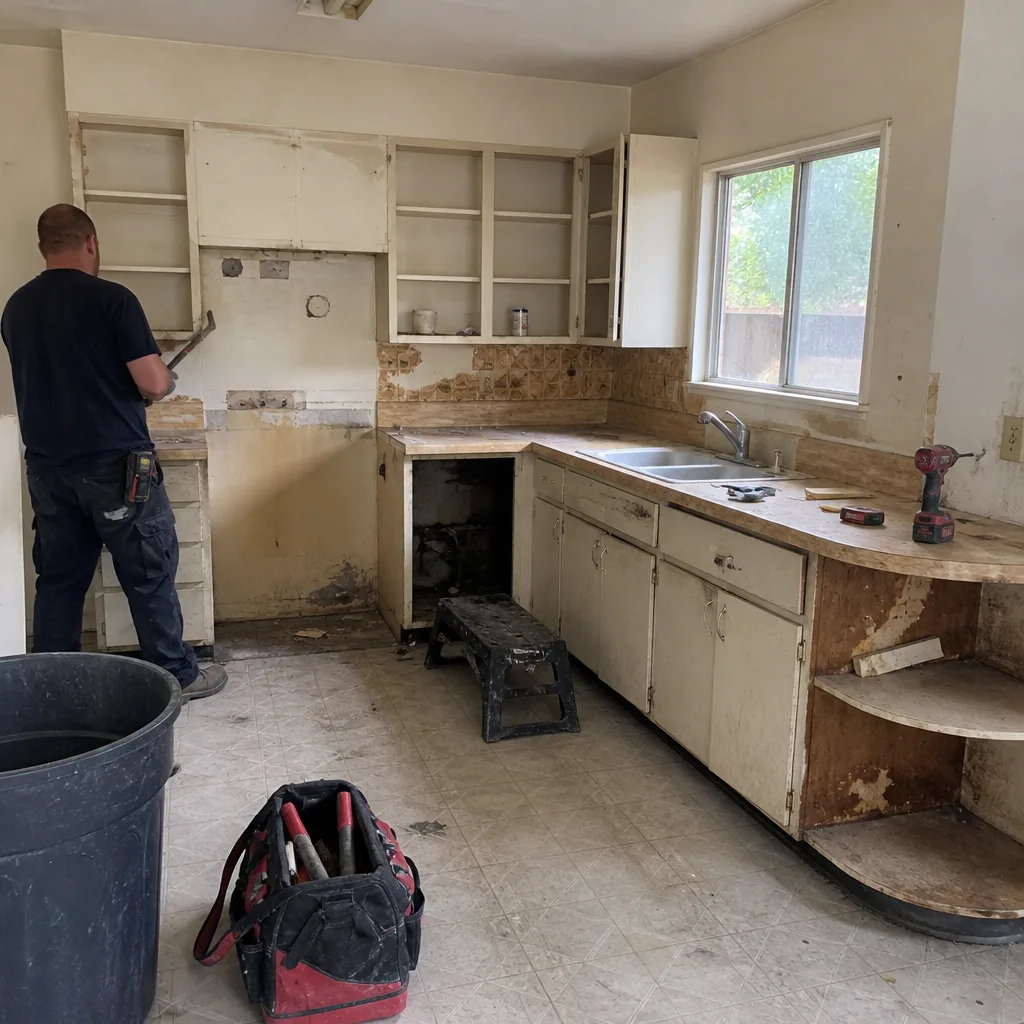 Before
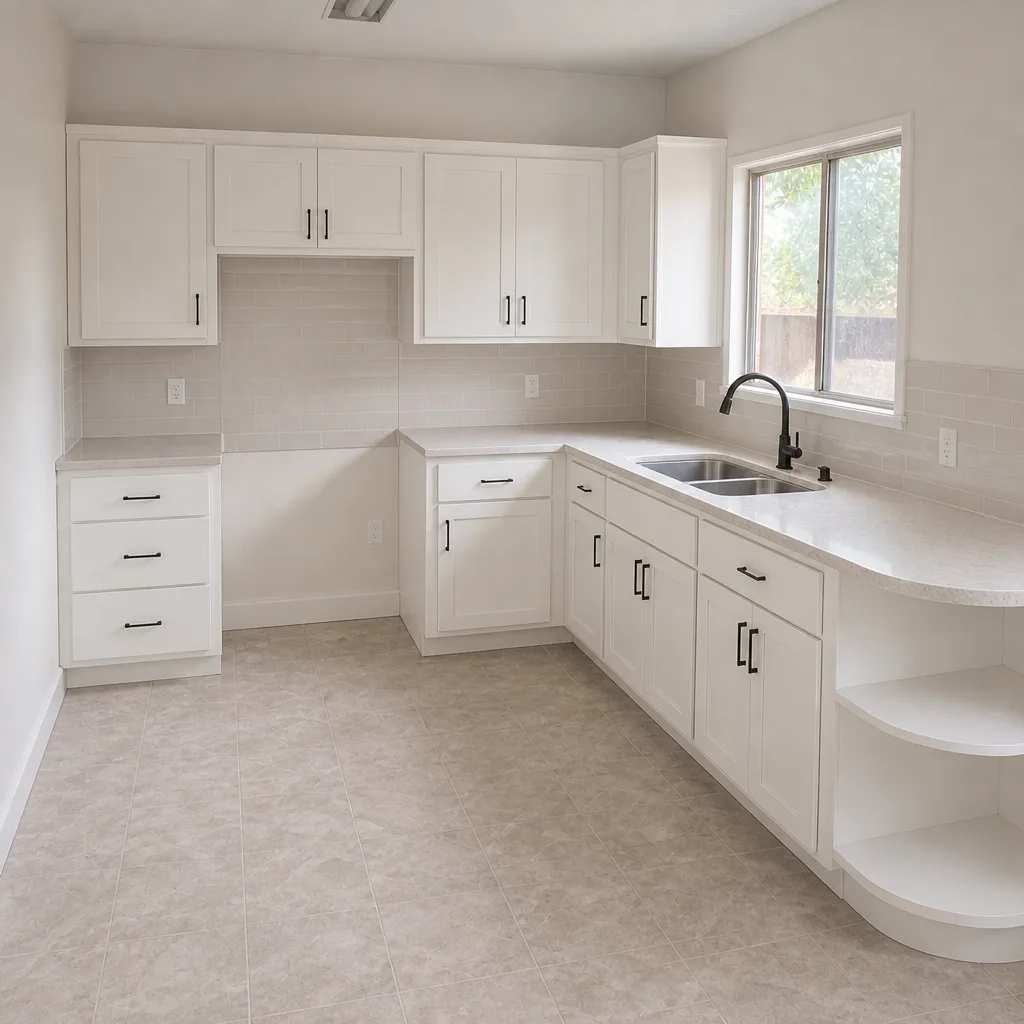 After
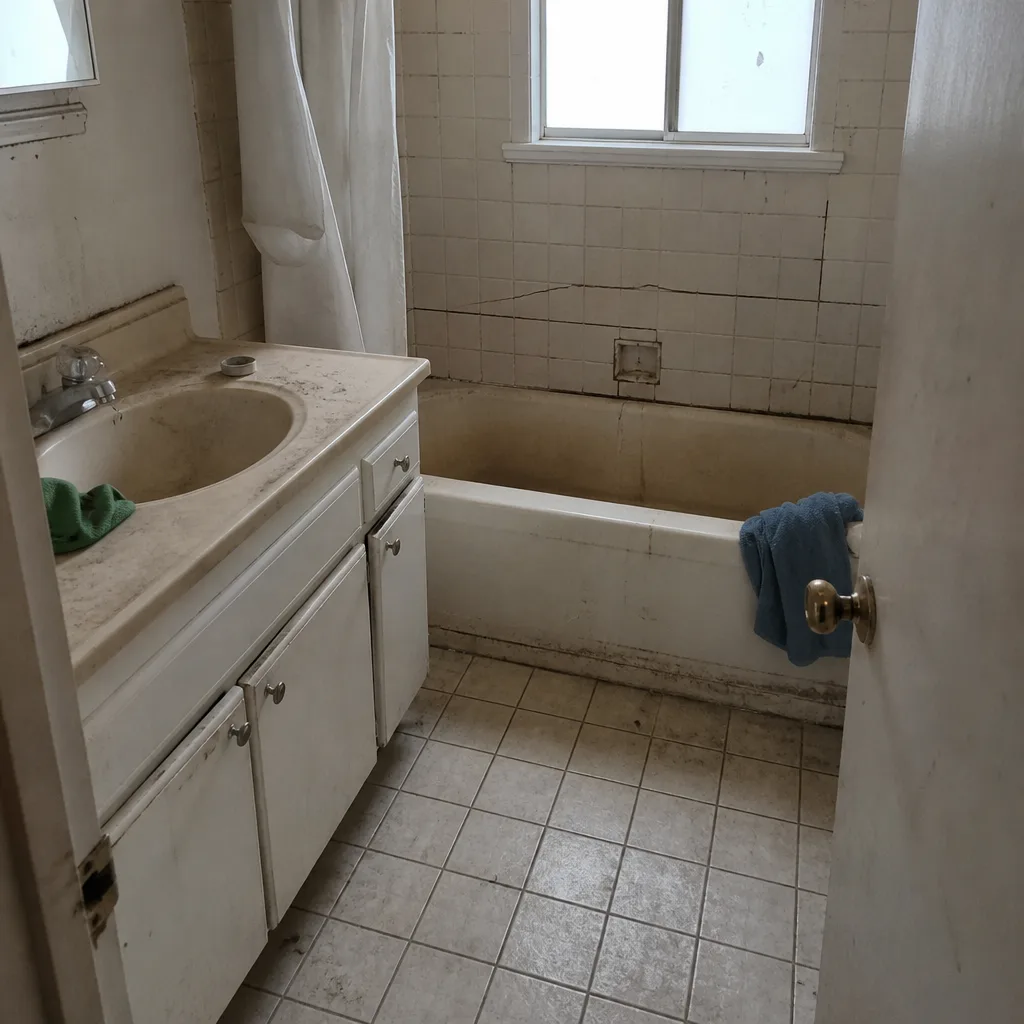 Before
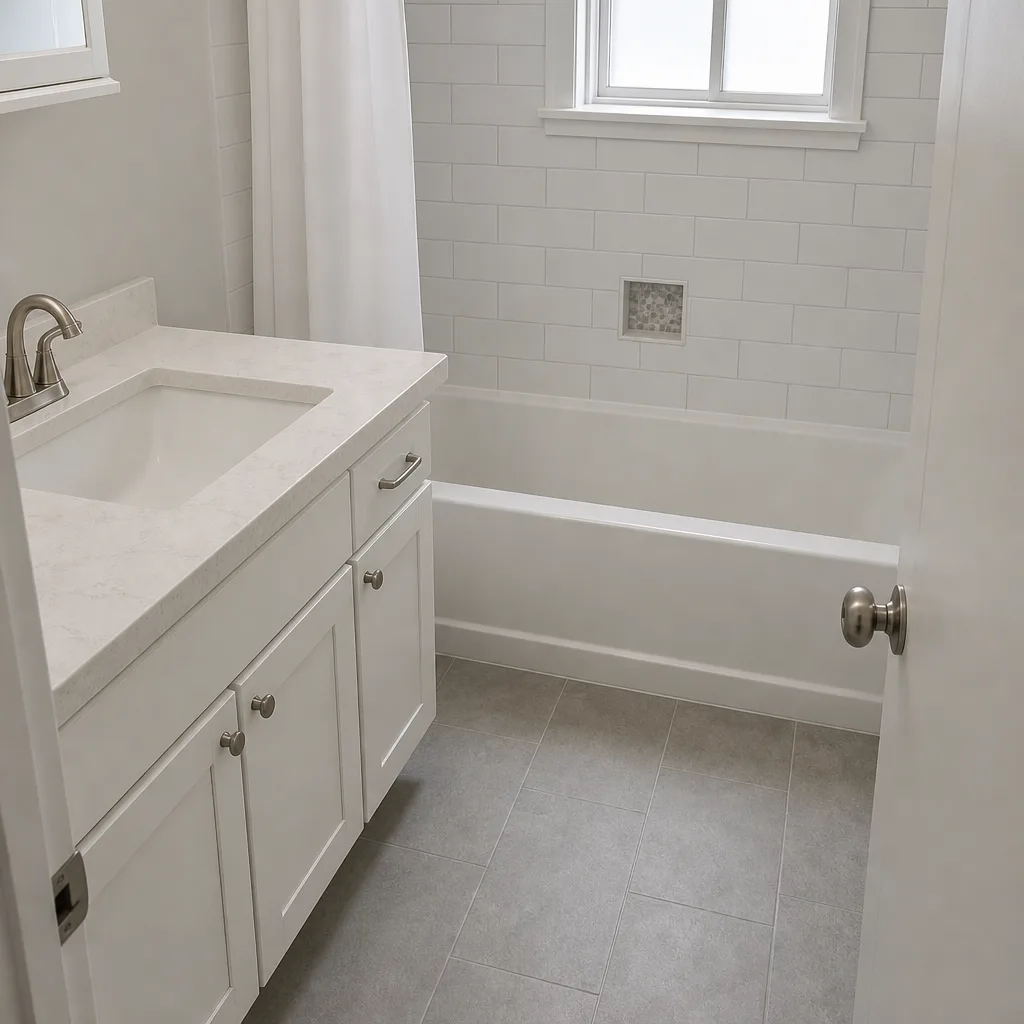 After
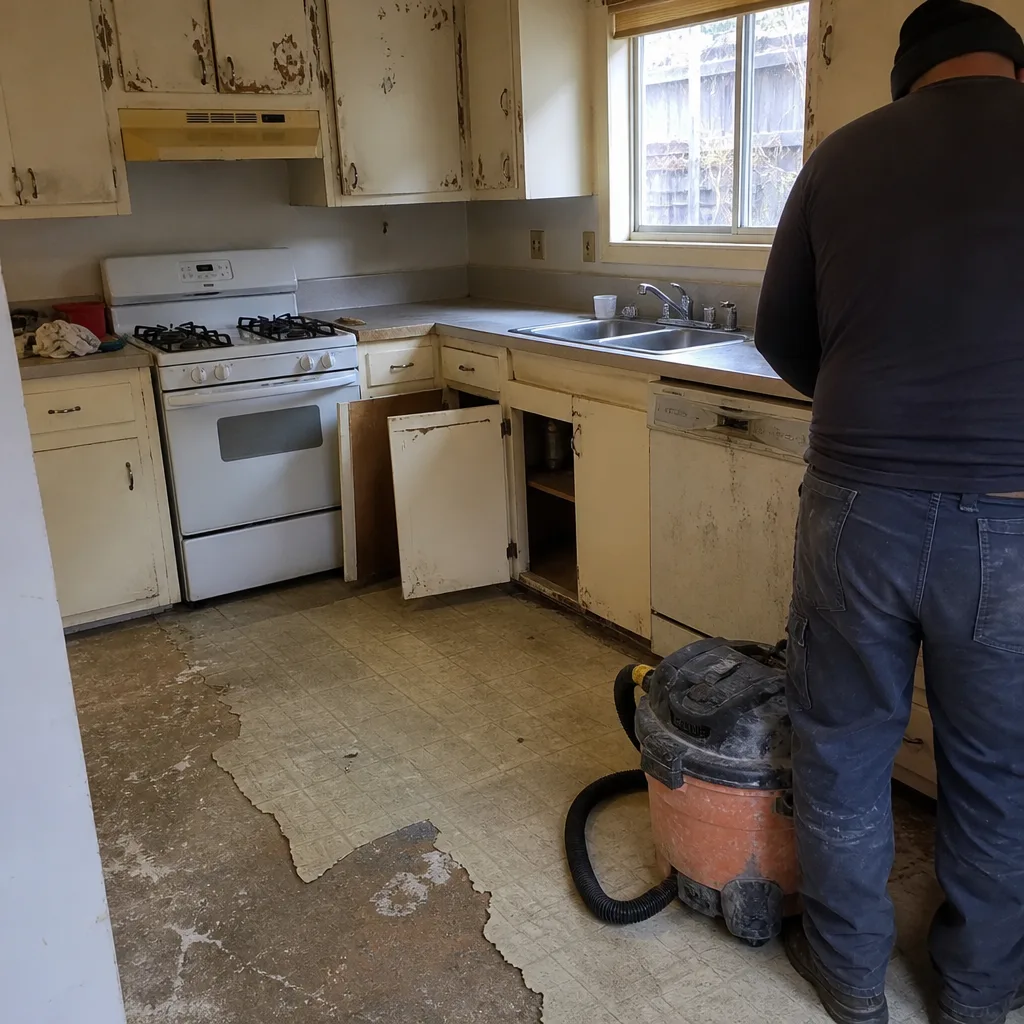 Before
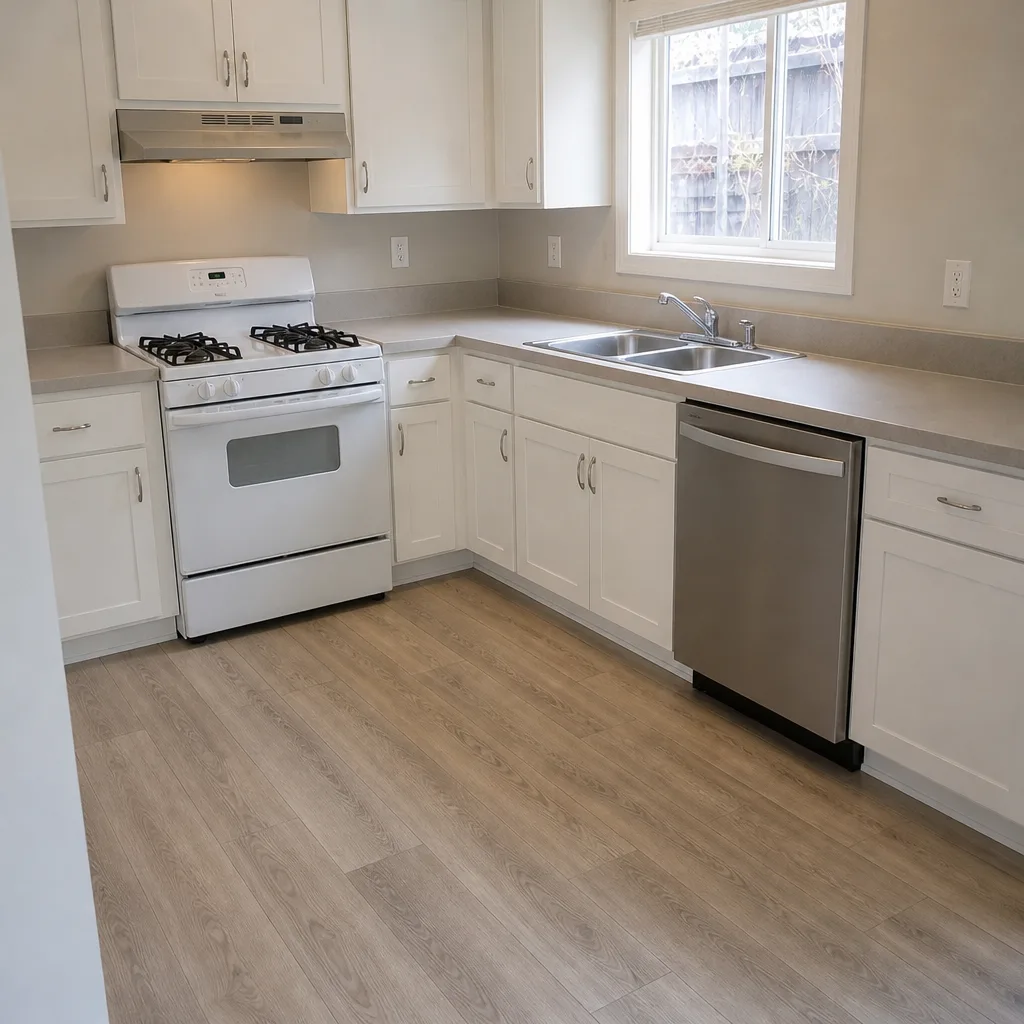 After
When to Call a Professional
Call in a pro when you see water staining or soft drywall near a window, rot in a sill or jamb, or a sticking door that’s been re-adjusted and keeps binding. Also call when a draft or leak keeps coming back after you’ve replaced the weatherstripping twice, and when an exterior door frame is out of square. Those are the cases where a maintenance fix turns into a contractor job if you keep patching. If you’re on the fence, a free second opinion on any written estimate gives you a straight read on what’s actually wrong. Barrett & Sons Construction Santa Rosa offers free estimates in Santa Rosa – call (866) 864-4083.
Frequently Asked Questions
No. Fog between the panes means the insulated glass unit (IGU) seal failed, and usually only the glass unit needs replacing, not the whole window. A glass shop can often replace the IGU without touching the frame, keeping the cost in the hundreds instead of thousands. Call (866) 864-4083 for an exact quote – estimates are free.
Wood-frame homes in Santa Rosa move with seasonal moisture, so the door slab and jamb swell in winter and shrink in summer. That’s normal movement, not a defect. If the sticking is one-directional and gets worse over years, it’s worth a look for frame or structural movement.
Simple fixes like new weatherstripping, sweeps, or a hinge adjustment usually run a few hundred dollars or less, while IGU replacement runs more and frame resealing runs higher still. Exact pricing depends on the diagnosis, so the money move is to find the cause first. Call (866) 864-4083 for a free estimate with the line items in writing.
Only if the leak is a surface-level caulk or gasket failure and the interior trim is dry and firm. If you see staining, soft drywall, or bubbling paint inside, water is already in the wall and caulk traps it. That’s a contractor call. Call (866) 864-4083 for a free second opinion on any written estimate.
Not without your signature. Every scope, allowance, and price change comes to you in writing before any work happens. If the job turns up something we didn’t see, you get a written change order before we proceed – no surprise invoices at the end.
On eligible jobs, yes. Permits are pulled and inspections signed, because the permit inspector works for you, not for the contractor. If someone tells you permits are optional on a project like this, get a second opinion. Call (866) 864-4083 to talk it through.
The Bottom Line
Fix the source, not the symptom. Fog between the panes is a failed IGU. A sticking door is usually hardware or seasonal wood movement. A draft is usually weatherstripping or a shifted frame. Water staining inside is the one that means stop patching and call for a proper look. Diagnose first, repair the small thing, and replace only when the window or door has genuinely run its course. That order saves Santa Rosa homeowners real money, and it’s the same order we walk through on every job. Our crews pull every eligible permit and back every completed job with the written 90-Day Done Right Promise.
Ready to get a real diagnosis and a written scope? Call Barrett & Sons Construction Santa Rosa at (866) 864-4083 for a free estimate. Take $40 off any repair over $200, get a free second opinion on any written estimate, pay no trip charge inside the county, and ask about the permanent 10% senior and veteran discount. Fence and exterior questions can go to our Fence Installation in Santa Rosa page, where we handle repairs that run alongside window and door work.
Written by the team at Barrett & Sons Construction Santa Rosa.