Last updated November 18, 2026
Free written scope consultation - allowances, timeline, and change-order rules on paper before a single trade is scheduled
DIY vs Professional Home Additions & ADU: What’s Safe to Do Yourself
Here’s the part most YouTube videos skip: in California, you can legally pull your own permit to build an addition as an “owner-builder.” What they don’t tell you is that the owner-builder permit comes with a signed liability declaration, and that permit gets looked at differently by lenders, title companies, and buyers down the road. In a Santa Rosa market where resale scrutiny has been sharp since the 2017 fires, that scrap of paper matters more than most folks realize. This guide is about the honest math: which work actually saves you money, which work is a trap, and where the line sits. We’ve seen both sides of it on jobs across Sonoma County.
Quick Answer
Finish work – painting, trim carpentry, landscaping, flooring, fixtures – is safe to do yourself and genuinely saves money. Structural framing, electrical rough-in, plumbing rough-in, gas lines, and anything that touches the building envelope or load path should be done by a licensed professional on a permitted job. The dividing line isn’t your skill level; it’s what California law allows an unlicensed owner to pull a permit for, what an inspector will sign off on, and what a future buyer’s lender will accept.
Styles & brands we work with
- Kitchen remodeling
- Bathroom remodeling
- Home additions & ADU
- Roofing
- Windows & doors
- Driveway & pavers
- Fence
Table of Contents
- What a California Owner-Builder Permit Actually Allows
- The Liability Declaration You Sign as an Owner-Builder
- How DIY Permits Affect Resale and Insurance in Santa Rosa
- The Trades Where DIY Is Legal, Inspectable, and Worth It
- Where DIY Isn’t Just Illegal – It Stops the Whole Job
- The Real Cost of a Hidden Mistake Behind Drywall
- Working With a Licensed GC While Doing Your Own Finish Work
- When to Call a Professional
What a California Owner-Builder Permit Actually Allows
An owner-builder permit lets a homeowner who lives in (or will live in) the home act as their own general contractor on their own property. That means you can pull the permit in your name, hire licensed subcontractors to do specific trades, and legally do some of the work yourself. What it does not do is turn you into a licensed contractor, and it does not remove any code requirement from the plan.
Here’s what we tell folks who ask us about this at the lumber yard in Santa Rosa: the owner-builder permit is a real, workable path. It just comes with a list of responsibilities that most people underestimate.
Under California law, the owner-builder can:
- Pull the building permit for their own residence
- Hire licensed tradespeople (electrician, plumber) to do their portions
- Perform some construction work with their own hands
- Schedule and attend inspections
- Accept legal responsibility for code compliance
What the owner-builder cannot do is hire an unlicensed person to do work that requires a license, and cannot sell or rent the home for a period after completion without additional disclosure. That last piece – the resale disclosure requirement – is where most buyers and sellers run into trouble.
The Liability Declaration You Sign as an Owner-Builder
When you pull an owner-builder permit in Santa Rosa or anywhere in Sonoma County, you sign a declaration under penalty of perjury that you are doing the work for your own use and occupancy, that you understand the work must meet code, and that you accept full legal and financial responsibility for any defects, injuries, or code violations. It’s not a formality. It goes on the record with the building department.
What that declaration actually means in practice:
- You shoulder the entire warranty. A licensed GC’s 90-Day Done Right Promise doesn’t apply to your own work; no one is coming back to fix your framing if a corner sags.
- Your homeowner’s insurance may not cover owner-builder defects. Many carriers treat owner-builder work as a known risk and either exclude it or charge a premium. Call your carrier before you start – not after.
- You can be personally liable if a future owner is injured. A railing that gives way three years after you installed it is your problem, not the next owner’s.
- You may be required to disclose the owner-builder permit at sale. California Civil Code §1102.6 requires disclosure of any improvements made without permits and of any work done as an owner-builder for a defined period before sale.
We’ve watched Santa Rosa homeowners discover this at the closing table. It’s a hard conversation to have with a buyer’s agent who wants clear, permitted paper trail on every structural line item.
How DIY Permits Affect Resale and Insurance in Santa Rosa
Santa Rosa is a market where buyers and their agents ask hard questions about permits. The 2017 Tubbs Fire and the rebuild that followed put a fine point on documentation: in Coffey Park, Fountaingrove, and surrounding neighborhoods, every inspection record is read closely. A permitted addition with signed-off inspections is an asset. An owner-builder addition with no final inspection is a liability that shows up on the seller’s disclosure.
Three practical effects we’ve seen on listings in Santa Rosa:
- Appraisal: Lenders require appraisers to verify permitted square footage. Unpermitted or owner-builder square footage that hasn’t been signed off may not count toward the appraised value.
- Insurance: Many carriers will decline to write a policy, or will exclude coverage, on additions that lack a final inspection record.
- Title and escrow: A buyer’s title company will flag open permits. Any open permit has to be closed, sometimes by re-inspection, sometimes by tearing out and redoing the work.
If you plan to stay in the home for 20 years and never sell, the resale math matters less. If you plan to move in the next decade, that owner-builder permit on the record needs to be finished right – with every inspection signed – or the price tag comes off your sale.
The Trades Where DIY Is Legal, Inspectable, and Worth It
Here’s the rewarding list. These are the trades where an experienced homeowner can save real money, the work is inspectable (or doesn’t require a permit), and a mistake is contained rather than catastrophic.
- Interior painting. No permit, no inspection, no safety risk. Materials are cheap enough that a redo isn’t painful.
- Finish carpentry – trim, baseboards, interior door trim, cabinet hardware. Non-structural, no permit, and easy to fix if you don’t like the miter.
- Flooring installation over an existing level subfloor (LVP, tile underlayment over a flat slab, engineered hardwood). Requires care but not a license.
- Landscaping around the addition – soil prep, plantings, non-structural hardscape. No permit for garden work.
- Exterior painting and staining. No permit; the work is visible and correctable.
- Fence staining and gate hardware swaps. If you’re already planning a fence, fence installation in Santa Rosa is another area where quality installation matters more than the stain you pick.
- Fixture install with permit exempt replacement – swapping a like-for-like faucet, a light fixture on an existing circuit, or a bathroom vanity top. Direct swap only, no new wiring runs.
Finish carpentry and painting are, in our experience, where DIY actually pencils out on an addition. If you can save $6,000 to $12,000 in finish labor on a 400 sq ft addition and put it toward the structural budget, that’s real money in your pocket.
Where DIY Isn’t Just Illegal – It Stops the Whole Job
Structural framing, electrical rough-in, plumbing rough-in, gas line work, HVAC, and anything that affects the building envelope or load path is where DIY goes from expensive to catastrophic. And here’s the piece most people miss: it’s not just a licensing question. It’s an inspection sequencing question.
On a permitted addition in Santa Rosa, inspections happen in a fixed sequence: foundation, framing, rough-in electrical, rough-in plumbing, rough-in mechanical, then insulation, then drywall. Any failed inspection on any one of those stops the entire project until it’s corrected and re-inspected. A DIY electrical rough-in that fails means:
- The framing inspection can’t be scheduled.
- The drywall can’t go up.
- The trades lined up behind that point sit idle or move to other jobs.
- You pay re-inspection fees.
- The correction may require opening walls and redoing work – sometimes weeks of delay.
Structural is a step further. A load path that doesn’t pass framing inspection means the work has to come out. We’ve seen this in Santa Rosa on additions where the owner did their own framing to save money and had to redo the entire beam-and-post arrangement after the inspector flagged the header size. The savings disappeared and the schedule doubled.
There’s also the safety piece. High-voltage electrical, gas line work, and structural support aren’t just technical problems – they can injure or kill someone if done wrong. A licensed electrician and a licensed plumber carry the insurance, the code knowledge, and the liability that comes with that. That’s what you’re paying for. Ask us how we handle trades on a permitted addition – it’s part of how we build.
The Real Cost of a Hidden Mistake Behind Drywall
A standalone DIY project – a small shed, a paint job, a fence repair – fails visibly. You see the sag, you hear the drip, you fix it in a weekend. An addition is different. Errors hide behind drywall, under flooring, inside wall cavities. And they don’t surface until an electrician is chasing a short, a plumber is angling through a wall cavity, or a buyer’s inspector puts a moisture meter against the baseboard and finds a wet spot from a drip pan that wasn’t sloped correctly four years ago.
In our experience, the most common hidden-mistake scenarios on homeowner-built additions are:
- Missing or improperly installed flashing at the roof-to-wall transition – water intrusion shows up two winters later
- Unsealed vapor barrier joints at the foundation plate – moisture accumulates behind insulation
- Electrical junction boxes buried in wall cavities – the next electrician can’t access them
- Framing that “looks fine” but carries a load path to a foundation that wasn’t designed for it
The repair cost of a hidden mistake in an addition typically runs two to four times the cost you would have paid a licensed trade the first time. And in a Santa Rosa sale, the discovery at inspection either kills the deal or hands the buyer a discount – plus a disclosure issue you have to explain. The math rarely comes out in your favor.
Working With a Licensed GC While Doing Your Own Finish Work
There’s a middle path that works well for many homeowners, and it’s one we’ve structured many times on additions and ADUs in Santa Rosa and Sonoma County: you hire a licensed general contractor to run the structural, permitted scope, and you do the finish work yourself under a clear written agreement. The GC pulls the permit, carries the inspections, and closes out the structural scope. You handle painting, trim, flooring, and landscaping after the punch list.
Here’s what has to be in writing for that arrangement to protect everyone:
- Scope boundary – exactly which work the GC is responsible for and which work is yours. Not “finish work” as a category; a written list of tasks.
- Inspection responsibility – who is on-site for the final inspection, and who handles any correction the inspector flags. If a punch-list item falls in the homeowner’s scope, the GC isn’t the one to fix it.
- Warranty carve-outs – the GC’s warranty covers their work, not yours. Get that in the contract.
- Schedule and turnover – the date the GC hands the site back to you and the state it should be in.
- Change order process – if scope changes mid-job, how is it priced and approved? On our jobs, every scope change arrives as a written change order before any work happens. An allowance that isn’t on paper is a surprise waiting for a date.
This hybrid arrangement can save $15,000 to $40,000 on a permitted addition by cutting finish labor out of the GC’s contract. It also requires a GC willing to sit down and write it out clearly, with no gray zones. When it’s set up right, it works well. When it’s vague, both sides end up frustrated.
Common Mistakes to Avoid
- Pulling an owner-builder permit without calling your insurance first. Many carriers will not cover owner-builder work; get the answer in writing before the first nail.
- Assuming “no permit needed” because someone on YouTube said so. Structural, electrical, plumbing, gas, and envelope work all require permits in Santa Rosa and Sonoma County, regardless of whether you’re a licensed contractor or a homeowner.
- Doing your own framing to save money and then failing the framing inspection. The redo typically costs more than hiring a professional would have.
- Leaving an open permit at time of sale. Title and escrow will flag it; the buyer’s agent will price it in. Close every permit or the sale gets complicated.
- Hiding a rough-in mistake behind drywall. Access panels and correct installation are cheaper than opening a wall two years later.
- Not putting the hybrid scope in writing. If it’s not on paper, it doesn’t exist, and the GC’s warranty doesn’t cover your finish work.
- Underestimating the sequencing. A failed rough-in inspection stops the entire project. Schedule the inspections, and leave time for corrections.
See the difference
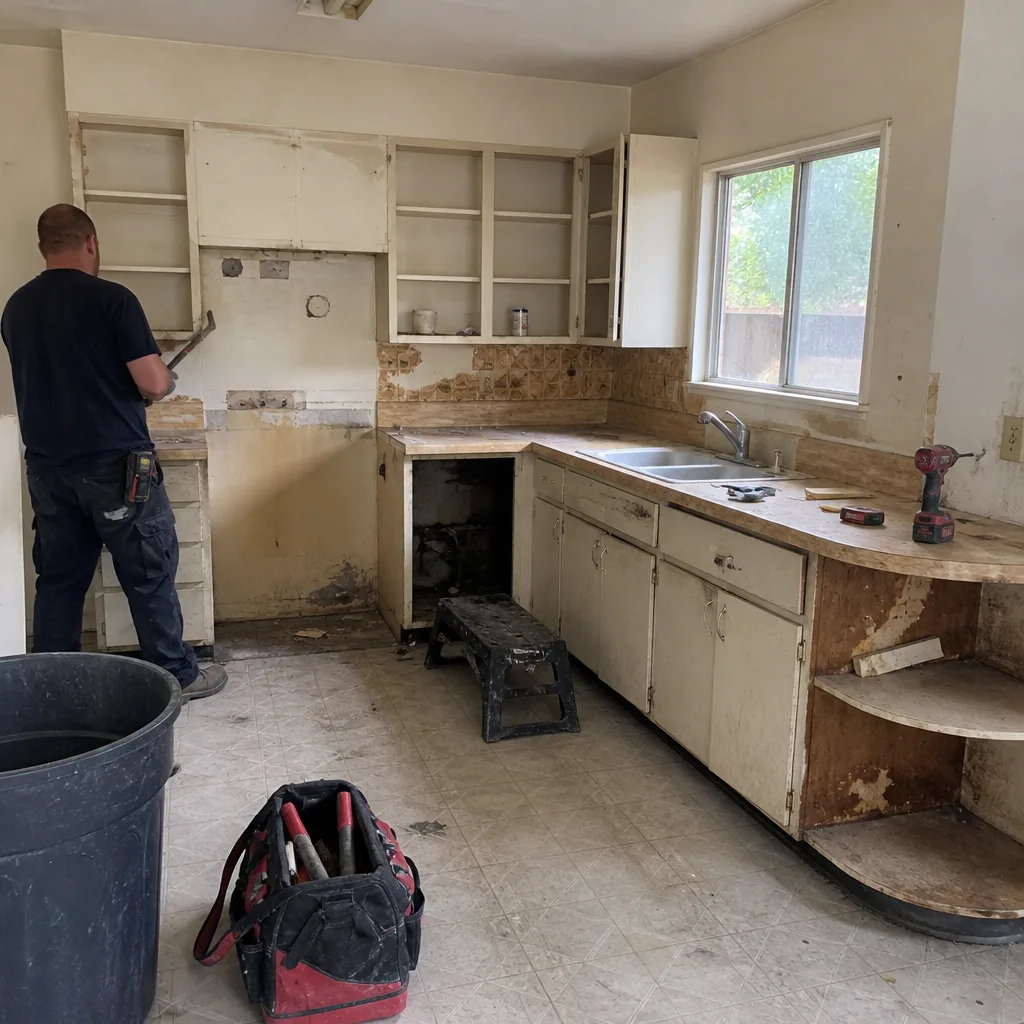 Before
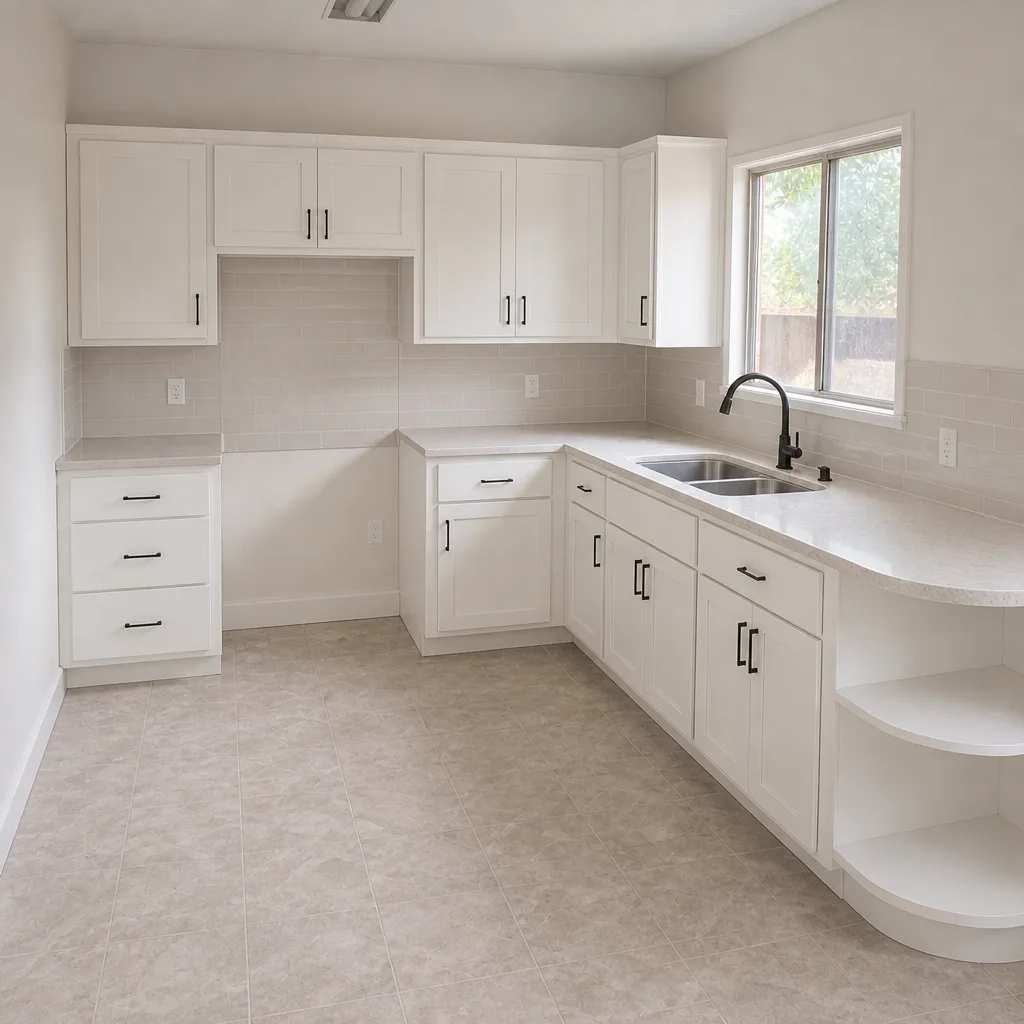 After
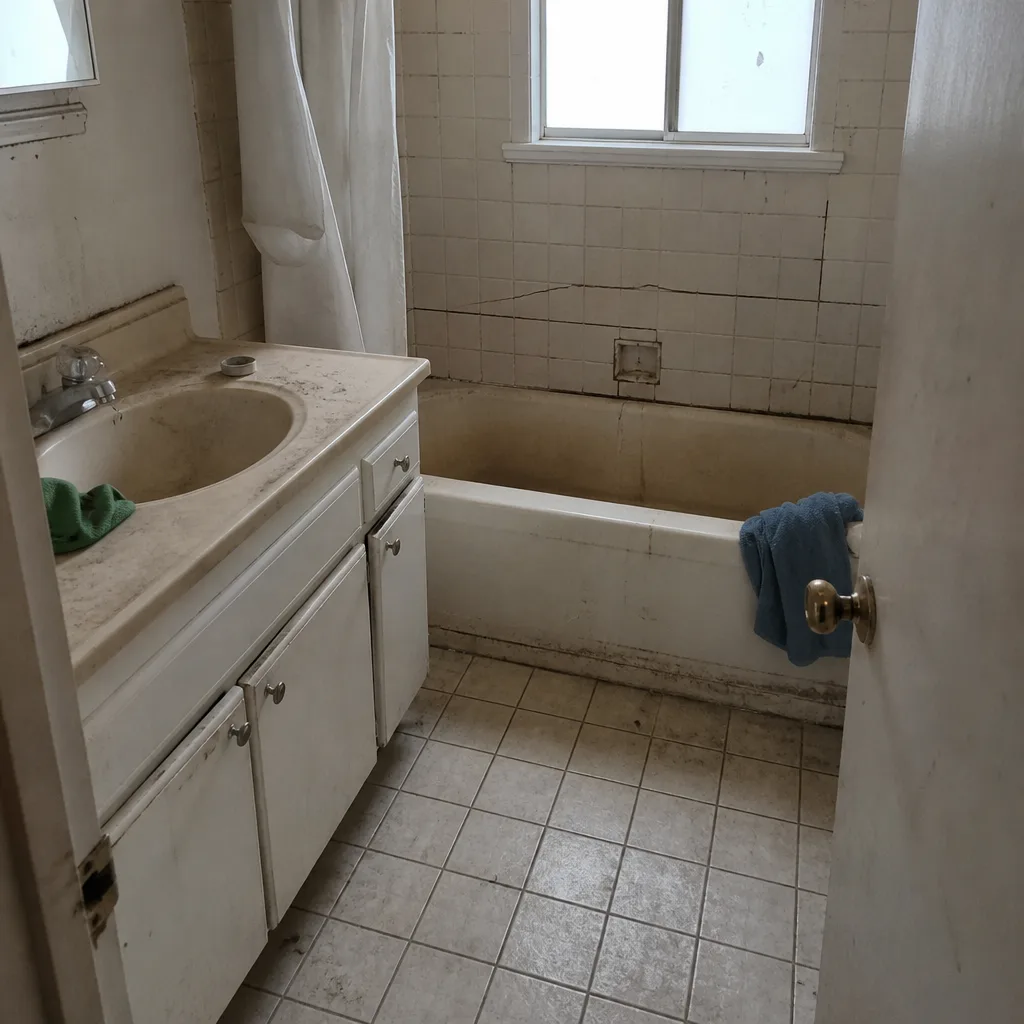 Before
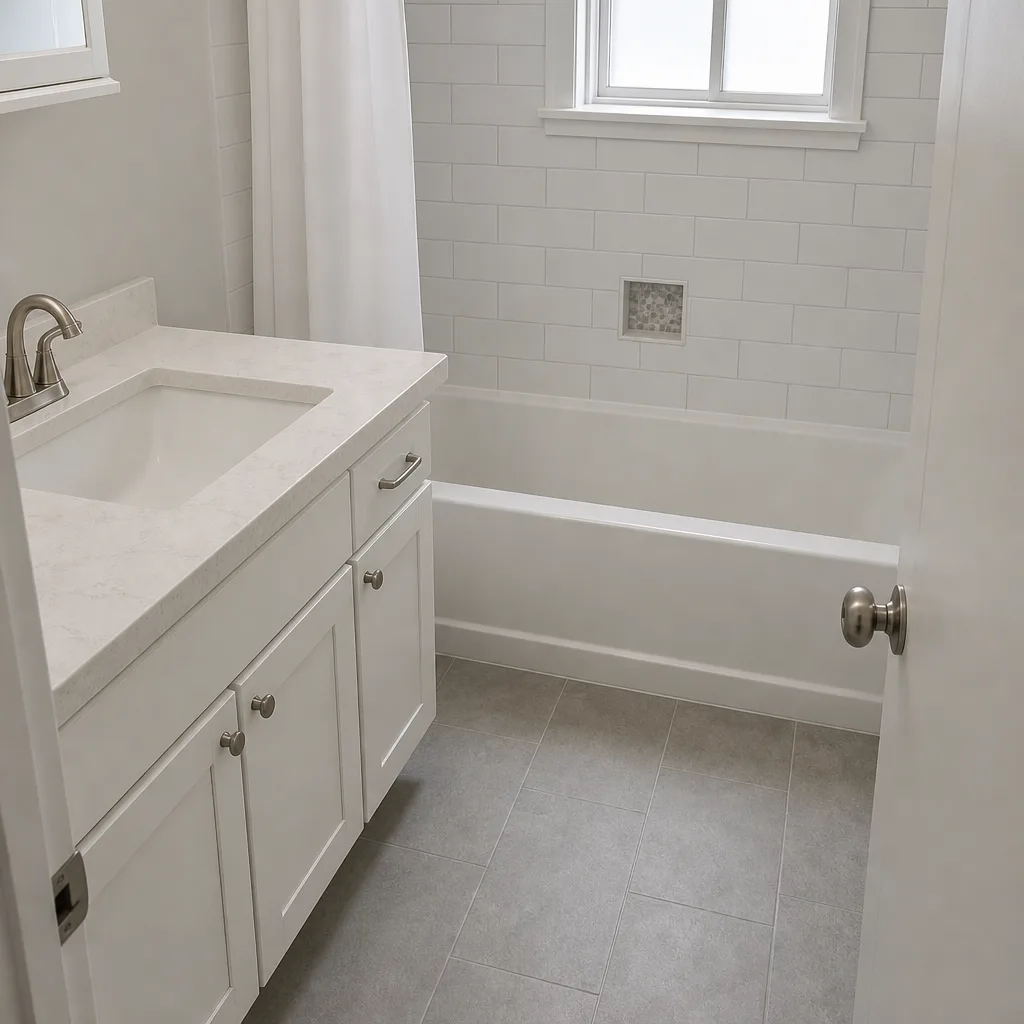 After
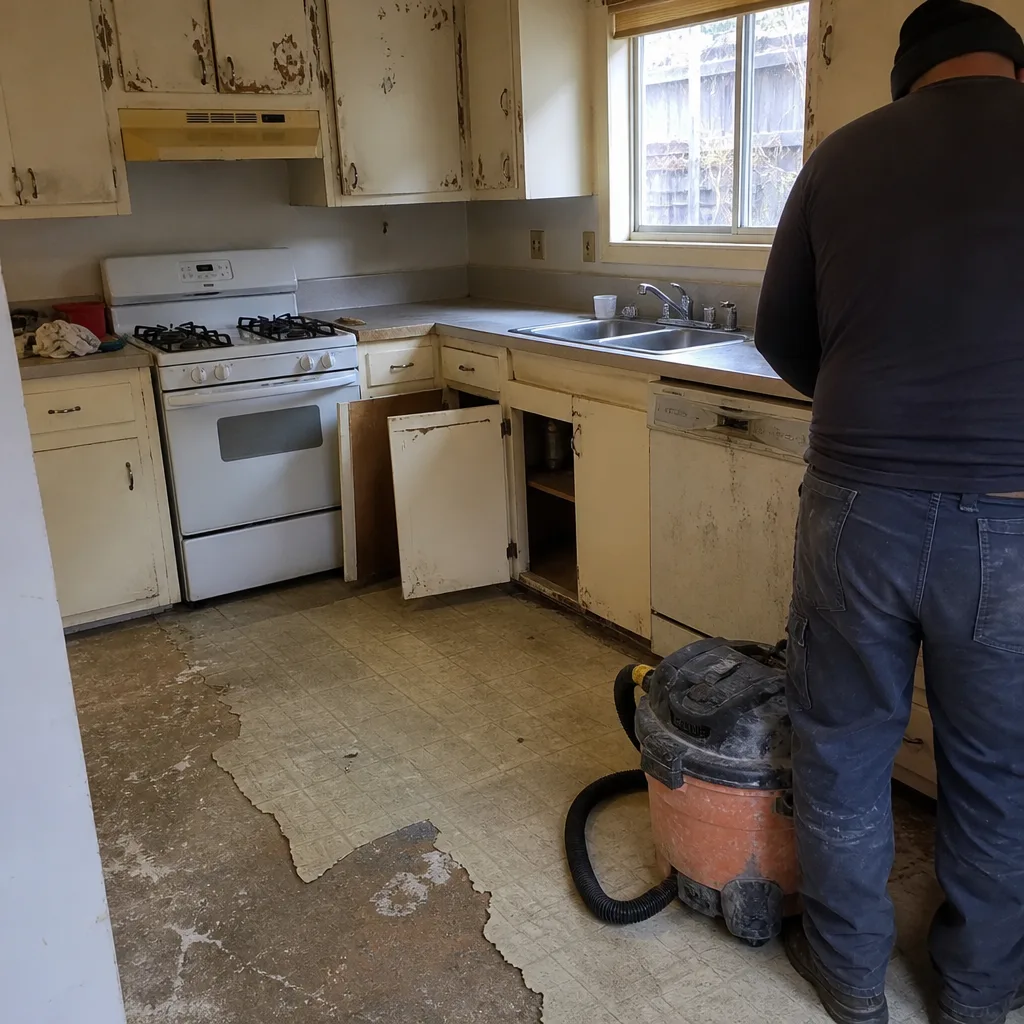 Before
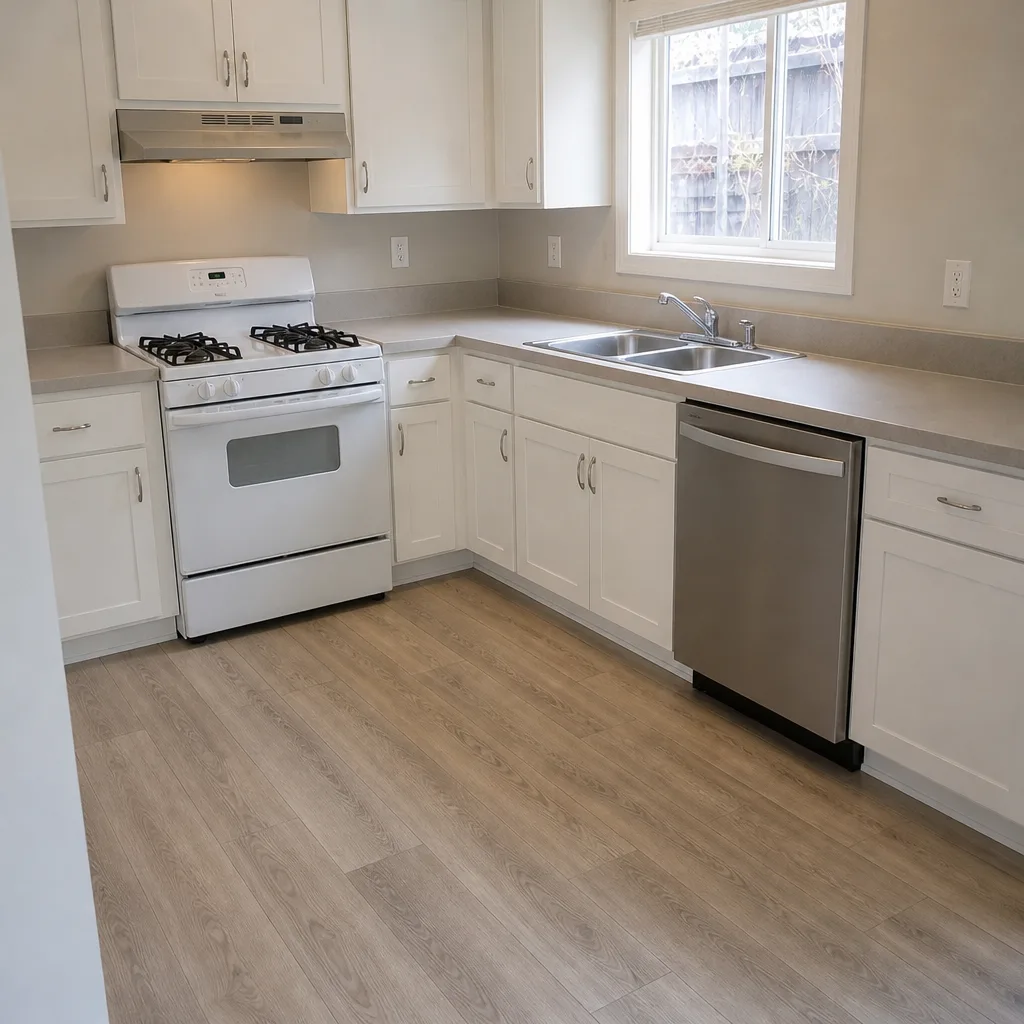 After
When to Call a Professional
Call a licensed professional when the work touches structure, permits, gas, or the building envelope. That means framing, foundation, roof, electrical rough-in, plumbing rough-in, gas lines, HVAC, and any addition or ADU that needs an owner-builder or GC permit. Call when you plan to sell or refinance within ten years. Call when an inspector has flagged something on your owner-builder work. Call when your homeowner’s insurance carrier won’t confirm coverage. And call when you’d be guessing at a code requirement – a guess on framing is a guess that gets torn out. We handle the full scope on home additions & ADU in Santa Rosa, permits pulled and inspections signed, with a written 90-Day Done Right Promise on every job. Barrett & Sons Construction Santa Rosa offers free estimates in Santa Rosa – call (866) 864-4083.
Frequently Asked Questions
Yes – California law allows a homeowner to pull a building permit as an owner-builder on their own residence, hire licensed subcontractors for specific trades, and perform some work themselves. The catch is that you sign a declaration accepting full liability for code compliance, and the arrangement has to be disclosed at sale. For an addition or ADU, most of the work is still done by licensed trades; you legally cannot hire an unlicensed person to perform work that requires a license. Call (866) 864-4083 for a free second opinion on your plan before you pull a permit.
Finish work: painting, trim carpentry, interior door installation, flooring over an existing subfloor, landscaping around the addition, exterior painting, and fixture swaps on existing circuits or plumbing. These trades carry no permit requirement, no inspection sequence, and a contained cost if something goes wrong. Finish labor typically accounts for 15 to 25 percent of an addition’s budget, so it’s real, honest savings. Call (866) 864-4083 to schedule a free estimate on the parts you’re not doing yourself.
Yes, and significantly in this market. Lenders require appraisers to verify permitted square footage, and title companies flag open permits at escrow. In Santa Rosa, buyers and their agents have become especially diligent about permit documentation since the 2017 fires and the rebuild that followed. An owner-builder addition with every inspection signed is a clean asset; one with open permits is a discount on the sale price. Call (866) 864-4083 for a written estimate to finish or correct an owner-builder project.
The entire project stops. In Santa Rosa and across Sonoma County, inspections happen in sequence: framing, rough-in electrical, rough-in plumbing, rough-in mechanical, insulation, then drywall. A failed rough-in means the drywall can’t go up, the trades behind that point sit idle, re-inspection fees apply, and any corrections may mean opening walls and redoing work. It’s a schedule problem as much as a cost problem. Call (866) 864-4083 for a free second opinion on your inspection report.
Yes, and it’s a smart path when the scope is written down clearly. The GC pulls the permit, runs the structural scope, and closes out inspections; you handle painting, trim, and landscaping after turnover. The written agreement has to spell out the exact task list, who’s present for the final inspection, how warranty carve-outs work, and the change order process. Vague scope is where these arrangements break down. Call (866) 864-4083 for a free estimate on the permitted scope of your addition or ADU.
Only for finish work. On an addition, the structural, electrical, plumbing, gas, and envelope work isn’t where DIY saves – it’s where a mistake costs two to four times the licensed-trade price, plus schedule delays, plus resale issues. Finish work is where the math pays off. If you want to know exactly where the line sits on your project, call (866) 864-4083 for a free estimate and a line-item written quote.
The Bottom Line
The honest answer to “is DIY worth it on an addition” is: yes, for finish work, and no, for anything that touches structure, permits, gas, or the building envelope. California’s owner-builder permit gives you real options, but it also puts real liability on your name – and in Santa Rosa’s post-fire resale market, unpermitted or incomplete work shows up at the closing table. The savings on finish labor are real and worth pursuing. The savings on rough-in and framing look good on paper until an inspection fails and the project stalls. We’re happy to walk through the scope with you either way. If you’d like a consultant’s opinion on your own project – whether it’s a driveway & pavers in Santa Rosa installation or an addition – we’re easy to reach.
For anything structural, licensed, or permitted, Barrett & Sons Construction Santa Rosa home is here to help. We’ve been doing this since 1998, every scope and every allowance is written, and every eligible job carries a 90-Day Done Right Promise. Call Barrett & Sons Construction Santa Rosa at (866) 864-4083 for a free estimate.
Written by the team at Barrett & Sons Construction Santa Rosa.