Last updated November 18, 2026
Free written scope consultation - allowances, timeline, and change-order rules on paper before a single trade is scheduled
How Long Does Fence Installation Take? Timelines and What to Expect
A six-panel wood fence can go up in a single day. But the homeowners who call us frustrated aren’t upset about the install day itself. They’re upset that nobody told them the posts would take two weeks to arrive, or that Sonoma County required a permit they didn’t know about, or that the utility company needed three days’ notice before anyone could dig. The real timeline for fence installation runs four to eight weeks from first call to final walk-through, and almost none of that is hammering. In this guide, we’ll break the schedule into its actual phases, explain what triggers a Santa Rosa permit, and show you what a contractor’s written schedule should look like before you sign.
Quick Answer
Fence installation in Santa Rosa typically takes four to eight weeks from signed contract to finished fence. The physical installation of a standard six-foot wood fence takes one to three days on its own, but the full schedule includes permit approval (two to four weeks when required), utility locating (three to ten business days), material lead times (three days to six weeks depending on fence type), and post-setting cure time. Vinyl and metal fences usually run longer than wood because of manufacturing and shipping. A contractor who quotes you “one day” is quoting the install, not the project.
Styles & brands we work with
- Kitchen remodeling
- Bathroom remodeling
- Home additions & ADU
- Roofing
- Windows & doors
- Driveway & pavers
- Fence
Table of Contents
- The Four Phases of a Fence Project
- When Does a Fence Need a Permit in Sonoma County?
- Utility Locating: The Step Nobody Mentions
- Material Lead Times by Fence Type
- How Many Days Does the Actual Install Take?
- Why Soil and Cure Time Matter in Santa Rosa
- What a Legitimate Written Schedule Should Include
- Common Mistakes to Avoid
The Four Phases of a Fence Project
Most timeline confusion comes from collapsing everything into “installation day.” The honest schedule has four phases, and only one of them is the part where the fence goes in the ground.
- Design, HOA approval, and permitting. If your neighborhood has an HOA, expect two to four weeks for design review before you even break ground. If the fence is in a required setback, exceeds height limits, or sits on a corner lot, the city or county gets involved too. Permitting alone can add two to four weeks.
- Utility locating. California law requires a call to 811 before any digging. The free service marks gas, water, electric, and communications lines. In our experience, the response window in Santa Rosa runs three to ten business days, and busy spring months push toward the longer end.
- Material lead time. This is the phase that surprises people most. Cedar, treated pine, vinyl, and metal all have different clocks. We cover specifics in the section below, but the short version: wood is fast, vinyl and ornamental metal are not.
- Installation and post cure. Wood fence install runs one to three days for a typical residential run. Vinyl and metal can be one to two days because panels arrive pre-built. But posts set in concrete need 24 to 48 hours before you hang weight on them, and skipping that window is the number one reason fences lean within a year.
If you’re comparing a fence to a larger exterior project, the same four-phase logic applies to a Driveway & Pavers in Santa Rosa job, which also depends on permits, material lead times, and soil conditions. Different trade, same discipline: everything is scheduled, nothing is improvised.
When Does a Fence Need a Permit in Sonoma County?
Here’s the part most guides skip: in Santa Rosa and unincorporated Sonoma County, a fence permit depends on where the fence sits, how tall it is, and what it’s made of. These are the thresholds we work with:
- Height. Front-yard fences over three feet and side or rear-yard fences over six feet generally require a permit. Six feet is the default residential maximum in most of the county.
- Setbacks and visibility triangles. Fences inside a front setback or within a driveway sight triangle at an intersection often need review even at lower heights, because they can block a driver’s view.
- Corner lots. Corner properties have two “fronts” for setback purposes, so a fence that would be fine mid-block can require review at the corner.
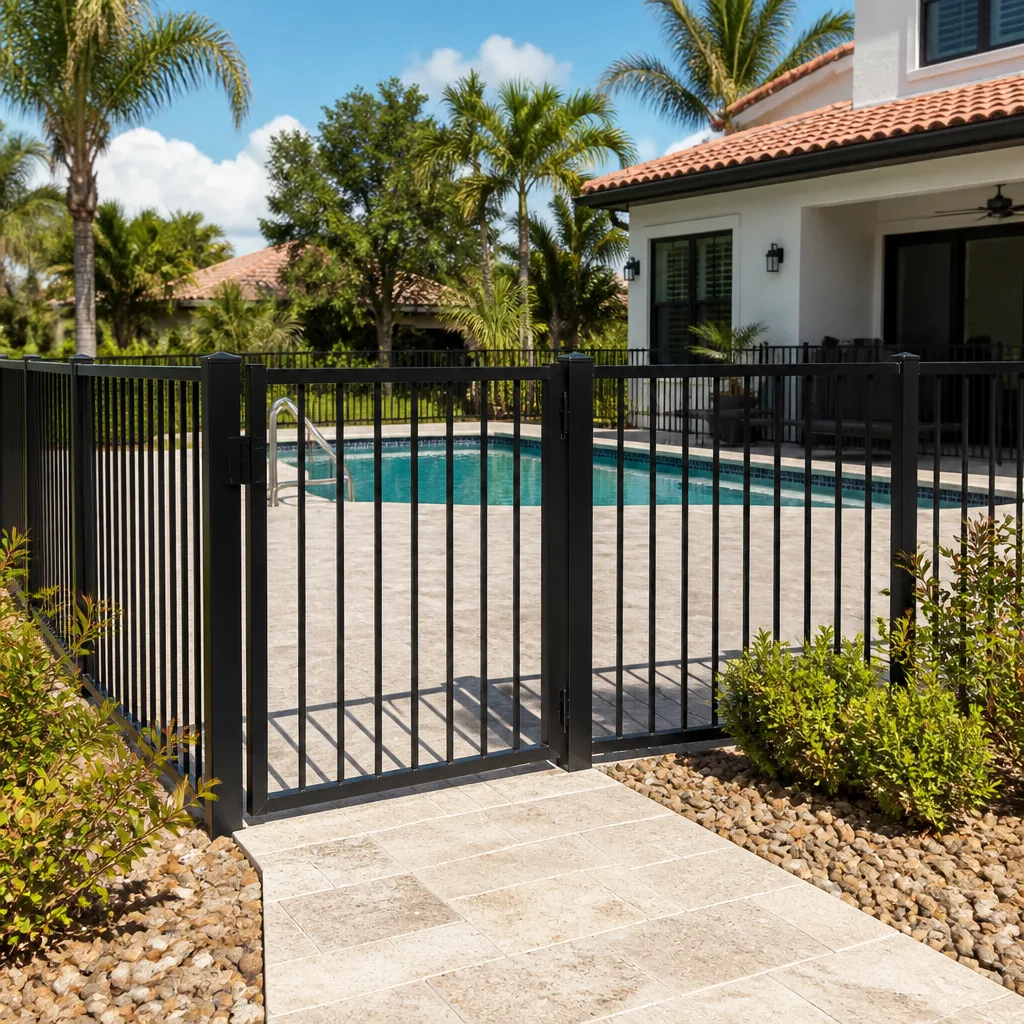
- Material and wind load. Solid-panel fences like tall vinyl and masonry walls trigger engineering review above certain heights, because they catch more wind than a wood picket fence does.
- Hillside and grading. A fence on a slope that requires retaining or significant grading usually requires a permit regardless of height.
- Historic and design-review districts. Parts of downtown Santa Rosa and designated historic neighborhoods add a design review layer on top of the base permit.
When a permit is required, plan on two to four weeks for plan review, plus inspection scheduling at post-set and final. A contractor who tells you permits are “not needed for a fence” is a red flag. The permit inspector works for you, not for us. That’s why we like him. When we pull a permit, you get an independent check that your fence was set to code and built where it’s allowed. And when a fence happens to be the first step toward a bigger exterior plan, the same permitting discipline carries over to a Home Additions & ADU in Santa Rosa, where permits are never optional.
Utility Locating: The Step Nobody Mentions
Every fence install begins with a call to 811. It’s free, it’s required by California law before anyone punches a shovel or an auger into the ground, and it takes real time off the calendar.
The process runs in three steps:
- We call 811 and file a locate request with the address, the dig area, and the proposed post line. The request is filed two to three business days ahead of the dig date as the legal minimum, but we schedule with buffer because delays happen.
- Utility crews mark the lines with spray paint and small flags. Response times vary by utility and workload. In Santa Rosa’s suburban neighborhoods, expect a three-to-ten business-day window in spring and summer. Rural county properties can run longer because some utilities schedule out further.
- We verify the marks on site and plan post spacing around them. If a gas or water line runs through the fence line, we shift post positions, hand-dig near the mark, or in some cases redesign the fence run entirely. Adjustments made now cost nothing. Adjustments made after the fence is cut apart cost plenty.
If you have private utilities on your property (irrigation lines, landscape lighting, a well line, a septic leach field), 811 doesn’t mark those. You need to know where they are and tell us before we dig. On older rural properties, that information often lives with the previous owner or in county records. A little digging through paperwork now saves a lot of digging through turf later.
Material Lead Times by Fence Type
This is where fence projects get stuck for weeks, and it’s the part that gets left off the phone quote. Here’s what we see in the North Bay:
- Cedar (Western Red Cedar, common for privacy fences). Three to ten business days from North Bay lumber yards in a normal market. During the spring and summer fence season, popular board sizes and heights occasionally run short. We order early and confirm the pickup date in writing.
- Treated pine. Two to five business days. Widely stocked and rarely a bottleneck.
- Vinyl and composite panel systems. Two to four weeks. Panels are manufactured to order in specific colors, heights, and styles, and shipping runs from out-of-state plants to the North Bay. Colors outside the standard stock palette can add a week or more.
- Ornamental metal and aluminum. Three to six weeks. Powder-coated panels are fabricated to spec, and custom heights or gate hardware add time. This is the fence type most likely to move a start date.
- Welded wire and chain link. Two to seven business days. Generally available locally.
- Gate hardware and custom gates. One to three weeks on their own. A custom metal gate can outlast the fence in the lead-time race if you don’t order it in parallel.
One more thing that used to be invisible and now isn’t: post availability. A 4×4 or 6×6 post that’s normally on the yard can be a week out if the yard is running through spring demand. When a contractor quotes a start date without a written material confirmation, that date is a guess.
How Many Days Does the Actual Install Take?
Once permits, locates, and materials are in hand, the install itself is the fastest part of the schedule. A typical residential privacy fence in Santa Rosa breaks down like this:
- Demo of the old fence (if there is one): half a day to a full day for 100 to 150 feet, depending on how the existing posts are set. Concrete footings on old posts slow this down.
- Layout and string lines: one to two hours. Every post gets marked and checked for square before anyone digs.
- Post holes and setting: one to two days for 100 to 150 feet. Posts are set in concrete, plumb and aligned, and left to cure.
- Rails, boards or panels, and gate hang: one day for wood, half a day to one day for vinyl and metal panels.
- Cleanup, final walk-through, and punch list: one to two hours.
So a wood privacy fence on a typical Santa Rosa lot runs one to three working days of actual install, plus a cure window before weight goes on the posts. Vinyl and metal panels move faster once they arrive because the panels come pre-assembled. Concrete footings also need a day of cure before heavy panels hang, so a “one-day vinyl fence” claim is nearly always a scheduling shortcut, not a real plan.
Why Soil and Cure Time Matter in Santa Rosa
Santa Rosa’s soils are a mixed bag, and soil type is one reason a fence that stood straight in Petaluma may start leaning on the west side of town. Much of Santa Rosa sits on clay-heavy soils, particularly in the older neighborhoods and the flatter areas near the creeks. Clay holds water after rain, swells slightly, then shrinks and shifts as it dries. That seasonal movement works on fence posts every wet-to-dry cycle.
What this means for your timeline and your fence:
- Post depth matters more in clay. Posts set too shallow, or in a hurry with insufficient concrete, will lean within one or two rainy seasons. Deeper holes, wider footing bells, and proper depth are scheduled, not improvised.
- Concrete cure time is real. Standard fast-setting concrete reaches reasonable strength in 24 hours, and 48 hours is safer before you hang heavy panels or swing a gate. Skipping that window puts stress on a post that hasn’t cured, and the lean shows up a year later. It’s not a shortcut, it’s a delay waiting to happen.
- Wet-season scheduling. We try to set posts in dry or moderately dry soil. Setting in standing water weakens the concrete. In a wet Santa Rosa winter, a start date may move a few days for the ground to drain. Better a two-day shift than a fence with a lean in year two.
- Hillside properties. Fences on slopes need stepped post placement and sometimes a small retaining element. That’s a different scope, and it changes both the schedule and the cost.
If you’re also planning hardscape in the same season, soil and grading get folded into the same planning conversation. It’s the kind of sequencing we handle on Driveway & Pavers in Santa Rosa projects where drainage and base prep make or break the finished work.
What a Legitimate Written Schedule Should Include
A written schedule is the single most useful document you’ll get from a fence contractor, and the one most likely to be missing from a cheap quote. Here’s what ours includes, and what you should ask every bidder to show you:
- A start window, not a hard date. Honest contractors give a range, because permits and material deliveries have real variability. A contractor who promises an exact install date six weeks out is guessing.
- Permit responsibility spelled out. Who pulls the permit, who pays the fee, and who schedules the inspections. On every eligible job, we pull the permit and schedule the inspections ourselves, and we list both in the scope.
- Utility locate responsibility. Who calls 811, when, and what happens if a line conflicts with a post location. Any contractor who says “we don’t bother with 811” should be shown the door.
- Material order date and confirmed lead time. The specific fence material, color, and the confirmed delivery or pickup date, in writing. An allowance that isn’t on paper is a surprise waiting for a date.
- Cure window. When the posts go in, how long they cure before panels go up, and whether a second visit is scheduled. If a contractor can’t answer this, they don’t have a schedule, they have an aspiration.
- Change order language. How a scope change mid-project gets priced and approved. Every price change should be written down and signed before work moves.
- Final walk-through and warranty. The punch-list process and the warranty term in writing. Our fence work is covered by the same written 90-Day Done Right Promise that covers every construction and remodeling job we do. If something isn’t right, one call brings us back.
If a contractor can’t produce a written schedule with those items, treat it as a preview of how the whole job will go. Your time and your patience are already on the clock. On fence jobs and every other project, our technicians have up to 28 years of experience reading these schedules and making them hold. For a broader picture of who we are and how we work, start at the Barrett & Sons Construction Santa Rosa home page.
Common Mistakes to Avoid
- Treating “one day install” as “one day project.” The physical install is one to three days. The project around it runs weeks. Plan your schedule around the project, not the install.
- Forgetting the HOA. A surprising number of Santa Rosa homeowners sign a fence contract before checking HOA rules on height, material, and color. That’s a fast way to rebuild or repaint at your own cost. Get HOA approval in writing first.
- Skipping the permit because “it’s just a fence.” Height, setback, and corner-lot rules trigger permits in Santa Rosa, and a fence built without one can be ordered removed. The permit inspector works for you.
- Not telling the contractor about private utilities. 811 doesn’t mark your irrigation, landscape lighting, or septic leach field. If those lines aren’t flagged before digging, day one becomes week one with a repair bill attached.
- Ordering vinyl or metal too late in the season. Manufacturing runs two to four weeks, and North Bay yards don’t keep every color in stock. Late spring orders can push past summer start dates.
- Installing panels before the concrete cures. This is the number-one reason posts lean in clay-heavy Santa Rosa soil. If a crew sets posts and hangs panels the same afternoon, ask why.
- Paying the deposit before the schedule is in writing. A written schedule with permit responsibility, material confirmations, and cure windows is a trust document. No schedule, no deposit.
See the difference
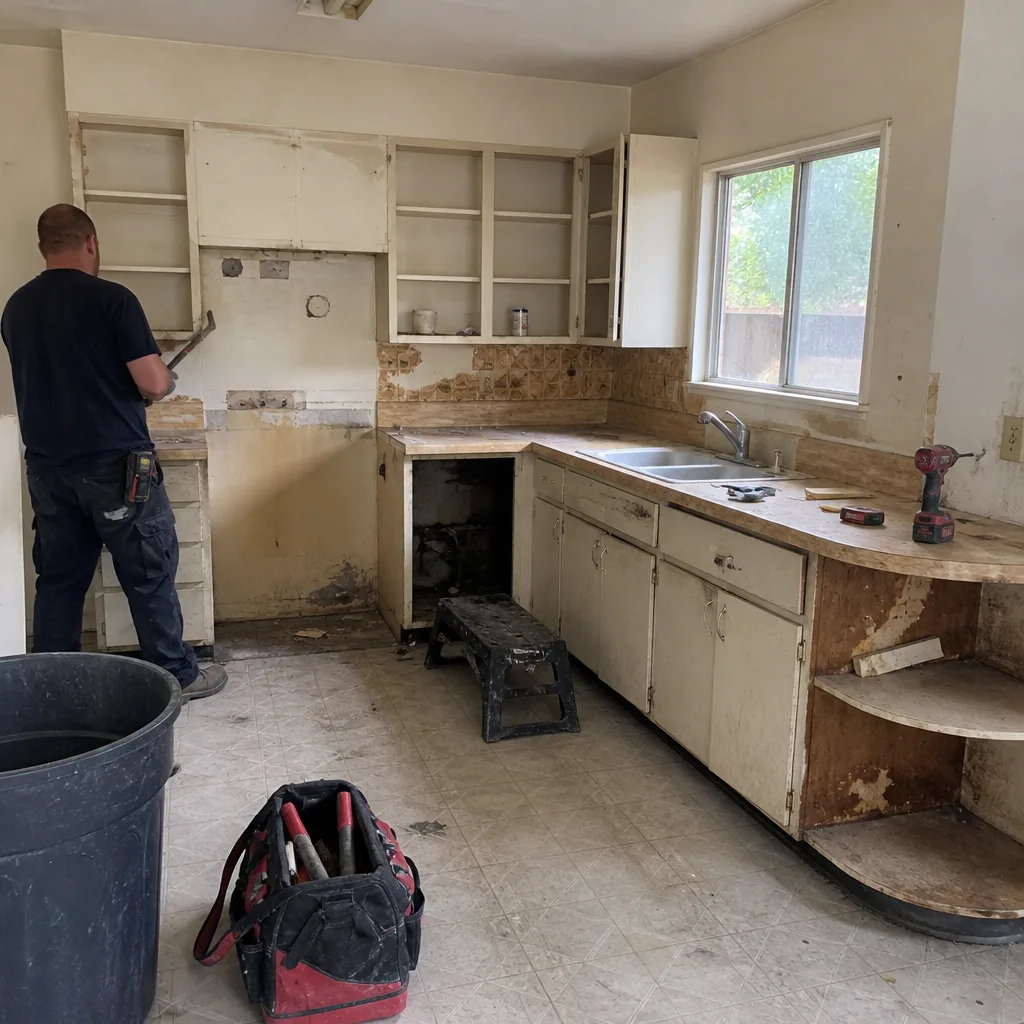 Before
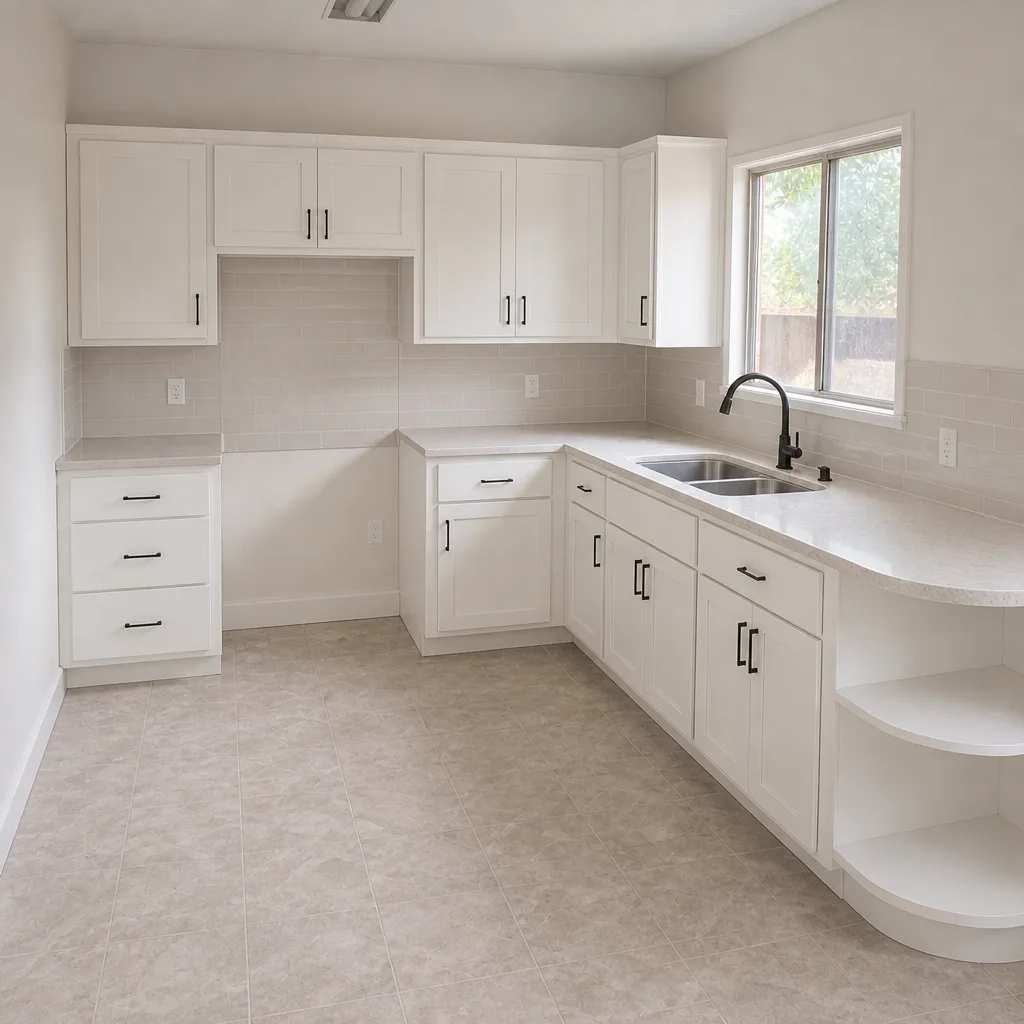 After
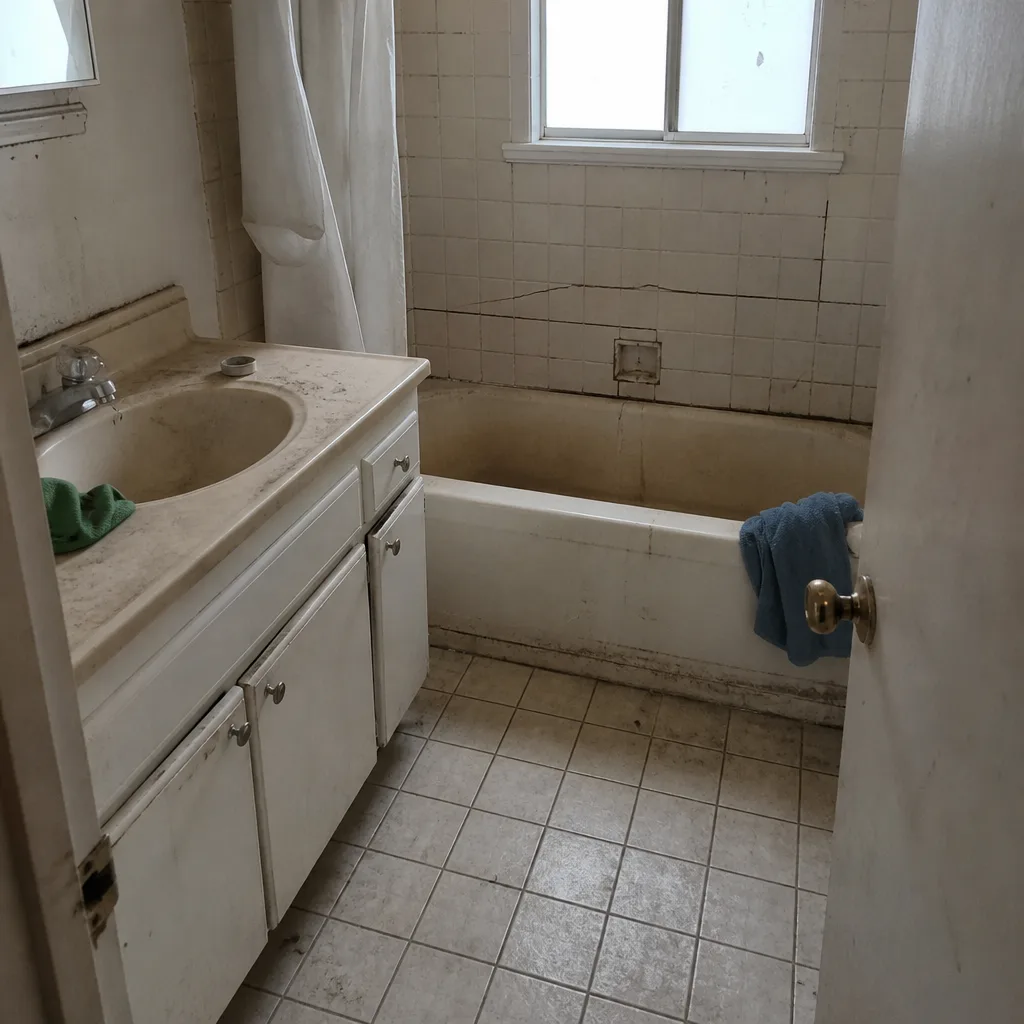 Before
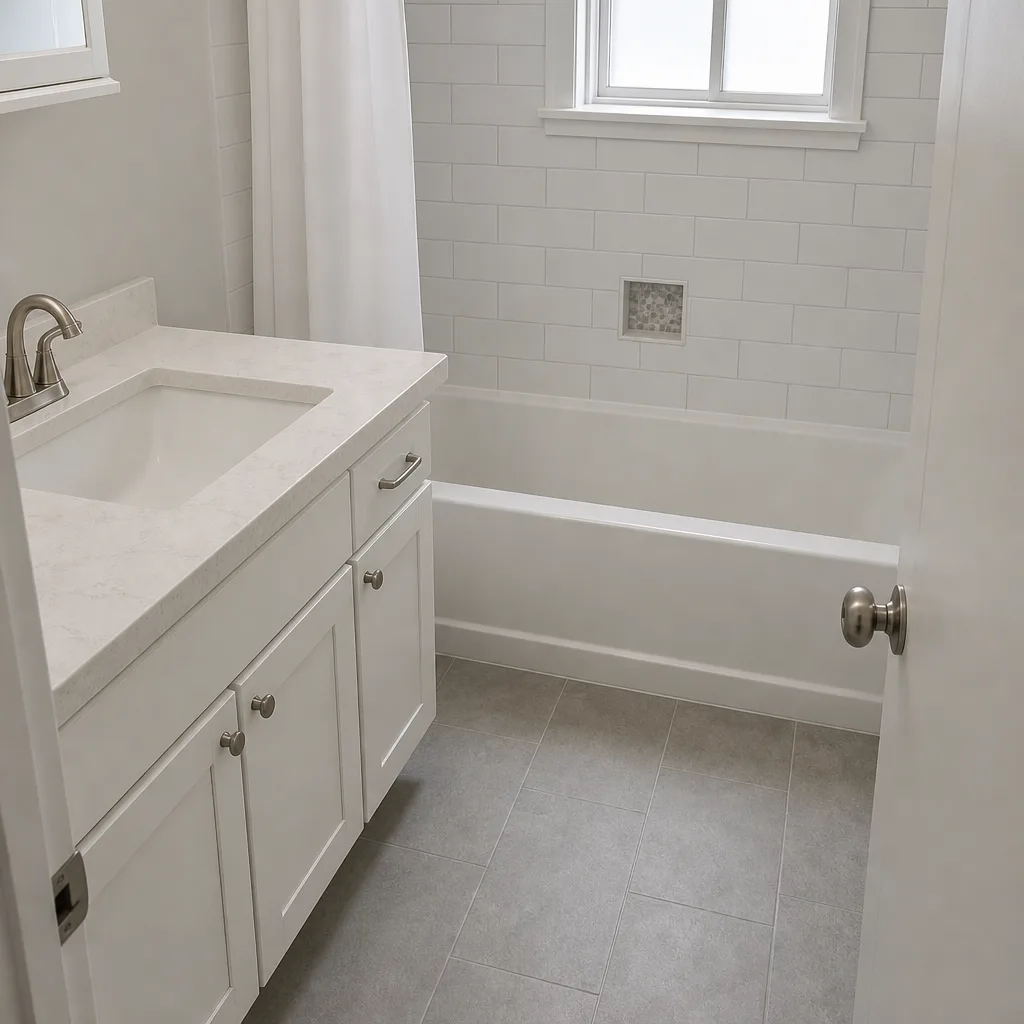 After
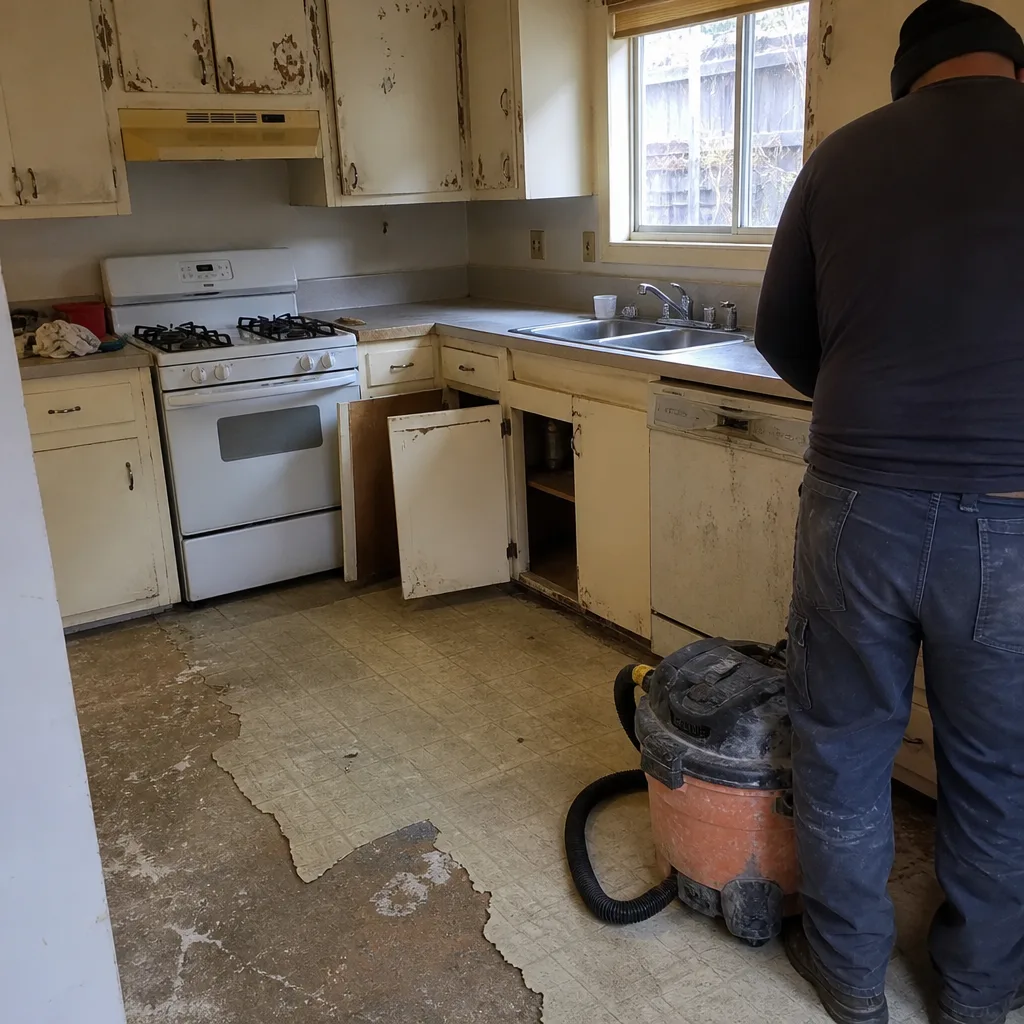 Before
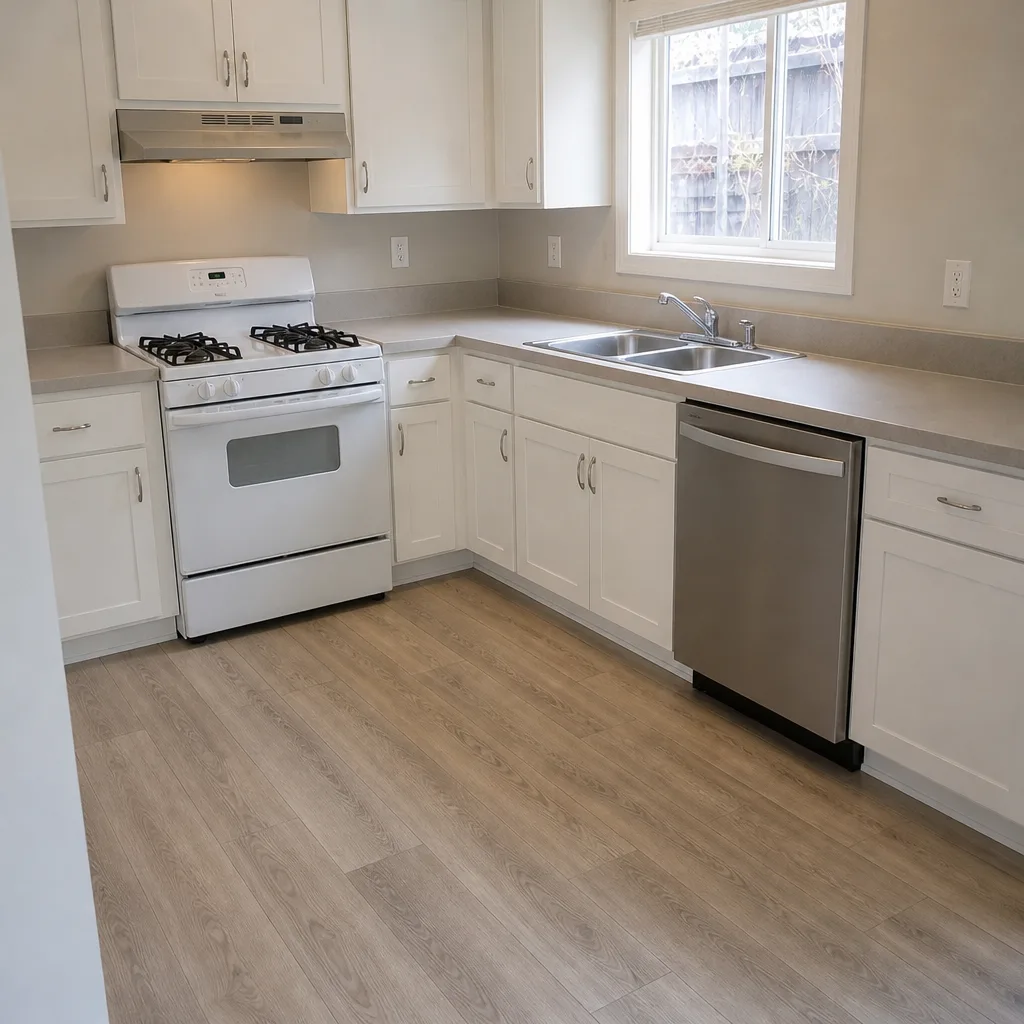 After
When to Call a Professional
Some fence work is weekend-friendly. Replacing a few pickets, staining a fence, rehanging a gate, small repairs on a wood run that’s otherwise sound. Other fence work involves real risk, real code, and real digging, and it’s where a professional earns their keep. Call in a pro when any of the following is true: the fence is over six feet, the fence sits on a corner lot, setback, or front-yard line, your property has a slope or drainage concern, you have private utilities in the proposed dig line, the fence is adjoined to a retaining wall, the old fence has concrete footings that need extraction, or the fence is going up as part of a larger exterior plan that requires coordination across trades. If you’re not sure which bucket you’re in, ask. A short phone call now saves a longer one after a fence goes in wrong.
Barrett & Sons Construction Santa Rosa offers free estimates in Santa Rosa. Call (866) 864-4083 to schedule a walk-through of your fence line, and we’ll put the schedule in writing before you sign anything. Every estimate is free, no trip charge inside the county, and your second opinion on any other written estimate is free too.
Frequently Asked Questions
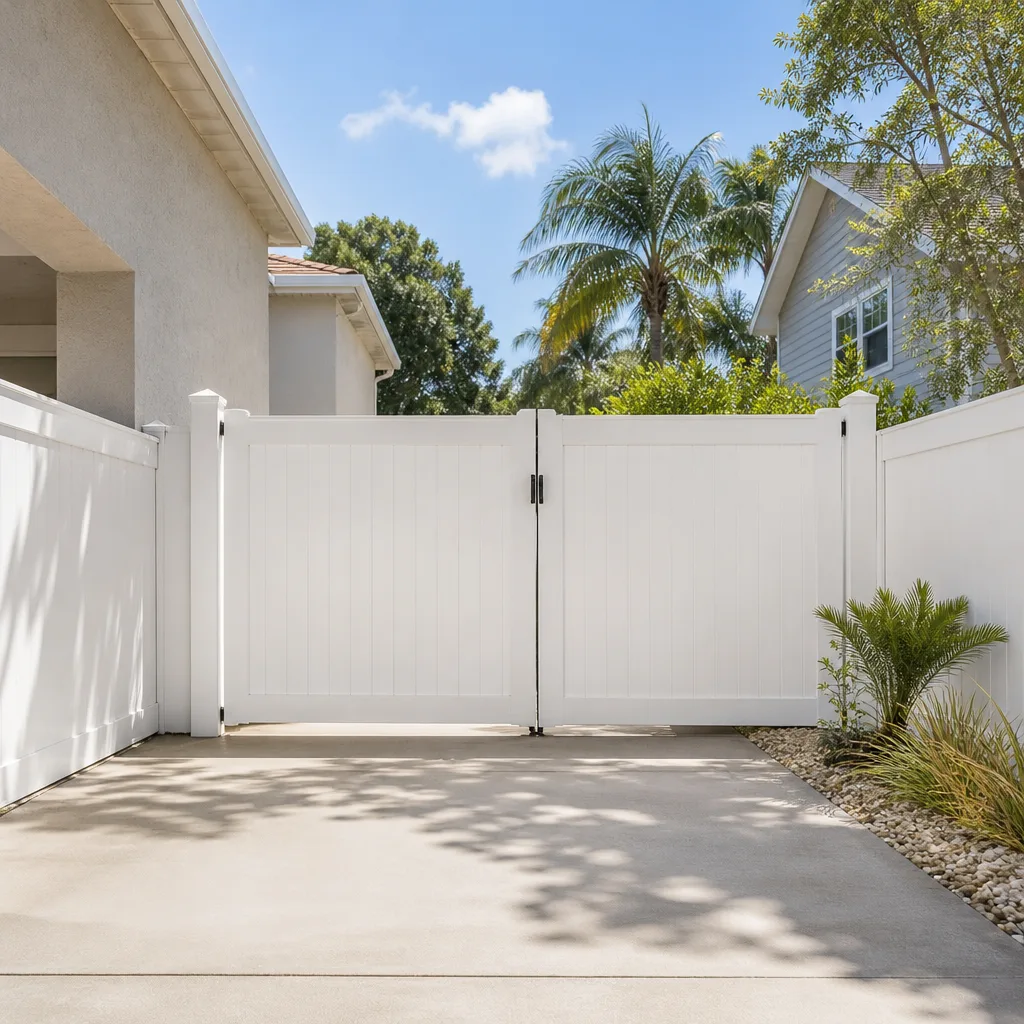
Fence installation in Santa Rosa typically takes four to eight weeks from signed contract to finished fence. The actual install days run one to three for a standard six-foot wood privacy fence. The rest of the timeline is permits (two to four weeks when required), utility locating (three to ten business days), material lead times (three days for wood to six weeks for ornamental metal), and post cure. Call (866) 864-4083 for a free estimate with a line-item schedule.
Sometimes. In Santa Rosa and the surrounding county, a fence generally needs a permit when it exceeds three feet in the front yard or six feet in the side and rear yards, when it sits inside a required setback or corner-lot sight triangle, when it’s on a slope that requires grading, or when it’s a solid high-wind-load panel like a tall masonry or composite wall. HOA rules can add a layer on top. We pull permits and schedule inspections on every eligible job. Call (866) 864-4083 for a free estimate that spells out the permit status on your specific lot.
Yes. That’s normal and it’s the right sequence. Concrete needs 24 to 48 hours to cure before weight goes on the posts. Waiting the cure window is what keeps posts from leaning after the first wet winter, especially in Santa Rosa’s clay-heavy soils. Same-day set-and-hang is a scheduling shortcut, not a savings. Call (866) 864-4083 for a free estimate that includes the cure window in the schedule.
Cedar and treated pine from North Bay lumber yards usually arrive in three to ten business days. Vinyl and composite panels run two to four weeks because they’re manufactured to order. Ornamental metal and aluminum panels run three to six weeks, and custom gates can add another week. Spring and summer demand can stretch any of these. Call (866) 864-4083 for a free estimate and we’ll confirm your material lead time before you sign anything.
Not without a written change order signed before the work happens. Every scope, every allowance, and every price change arrives as a written change order first. An allowance that isn’t on paper is a surprise waiting for a date. Our written 90-Day Done Right Promise covers every construction and remodeling job, and it’s printed on the contract, not buried in fine print. Call (866) 864-4083 for a free estimate with line-item pricing and change order terms.
A well-installed wood privacy fence typically lasts 12 to 20 years in Santa Rosa with routine maintenance, and vinyl and ornamental metal commonly last longer because they don’t rot. The two biggest variables are post depth and cure time. Posts set shallow or installed before cure are the most common reason fences fail early. The climate here is gentle compared to coastal fog zones, but our wet winters and dry summers do work on posts every year. Call (866) 864-4083 for a free estimate that walks through footing depth and material choice for your lot.
The Bottom Line
The real timeline for fence installation in Santa Rosa is four to eight weeks, and the install itself is one to three days. The phases that stretch the calendar are permits (when triggered), utility locating, material lead times, and post cure time. A written schedule that names each phase, the responsible party, and the change order process is the difference between a smooth project and a half-built fence sitting for a month. Ask any contractor for that schedule in writing before you sign. And if you want the schedule, the line-item price, and the promise all on one document, we’re glad to provide it. Our crews work in Santa Rosa and the surrounding county, we pull our permits, and we stand behind the work with a written 90-Day Done Right Promise.
Call (866) 864-4083 for a free estimate and a written schedule for your fence project. We answer the phone with a live person, and we’ll walk your fence line with you, no trip charge inside the county.
Related Reading
- Fence Installation in Santa Rosa
- Driveway & Pavers in Santa Rosa
- Home Additions & ADU in Santa Rosa
- Barrett & Sons Construction Santa Rosa home
Written by the team at Barrett & Sons Construction Santa Rosa.