Last updated November 18, 2026



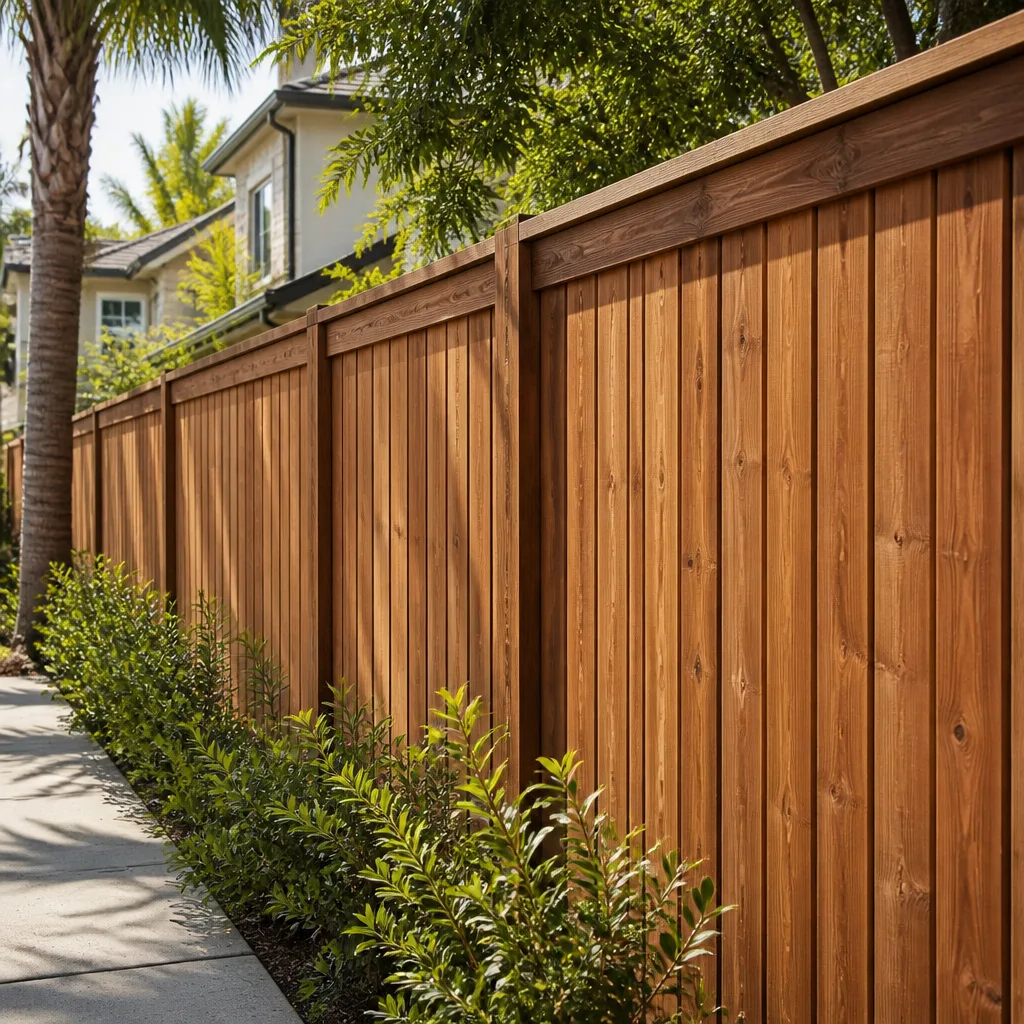
Free written scope consultation - allowances, timeline, and change-order rules on paper before a single trade is scheduled
Construction Emergency Preparedness Guide for Santa Rosa Homes
During the Tubbs Fire, the homes that survived on streets where everything else burned almost always shared one thing: ember-resistant vents, no wood decking within six feet of the structure, and no gap at the roofline where embers could accumulate. None of it was luck. All of it was construction. In Santa Rosa, the line between emergency preparedness and remodeling runs through your roofline, your fence, and the vents under your eaves. This guide walks you through the construction decisions that actually change outcomes, the audit Cal Fire inspectors use, and what to do the day after an event.
Quick Answer
Home emergency preparedness in Santa Rosa means treating your home’s construction as life-safety equipment: ember-resistant vents, Class A roofing, non-combustible cladding within five feet of the structure, and defensible space zones maintained year-round. Structural upgrades in the highest-impact categories typically run $1,800 to $12,000 depending on scope, and many qualify for Sonoma County fire-hardening rebates and insurance discounts.
Styles & brands we work with
- Kitchen remodeling
- Bathroom remodeling
- Home additions & ADU
- Roofing
- Windows & doors
- Driveway & pavers
- Fence
Table of Contents
- Why Embers, Not Flames, Destroy Santa Rosa Homes
- The Six Construction Upgrades That Matter Most in Sonoma County
- How to Audit Your Own Home the Way Cal Fire Does
- After the Fire, Flood, or Quake: Step-by-Step Re-Occupancy
- The Contractor Scam Pattern That Follows Every Disaster
- Fire-Hardening Rebates, Insurance Credits, and Resale Documentation
- Santa Rosa Neighborhood Realities
- Your Year-Round Preparedness Calendar
Why Embers, Not Flames, Destroy Santa Rosa Homes
The Tubbs Fire didn’t march through Coffey Park as a wall of flame. It arrived as a wind-driven ember storm moving faster than any fire front, and the homes that ignited were lit from the inside out. An ember the size of a thumbnail slips through a standard attic vent, lands on combustible material, and the house burns from the roof down while the fire front is still a mile away. This is the single most important fact in Santa Rosa wildfire preparedness, and it’s the one most general guides skip.
IBHS (the Insurance Institute for Business & Home Safety) Wildfire Prepared Home standard focuses hard on this mechanism. Their research, and the post-fire assessments from Sonoma County’s own 2017 and 2019 seasons, point to the same short list of vulnerabilities:
- Attic and crawlspace vents with openings larger than 1/8 inch, or without ember-resistant screens.
- Roof-to-wall and eave gaps where embers collect and smolder.
- Wood decking attached to the structure, especially within the first five feet.
- Single-pane windows that shatter under radiant heat and admit fire into the interior.
- Combustible fencing running right up to the house, which acts as a wick.
- Gutter debris and roof valleys where a single ember has a long, slow burn.
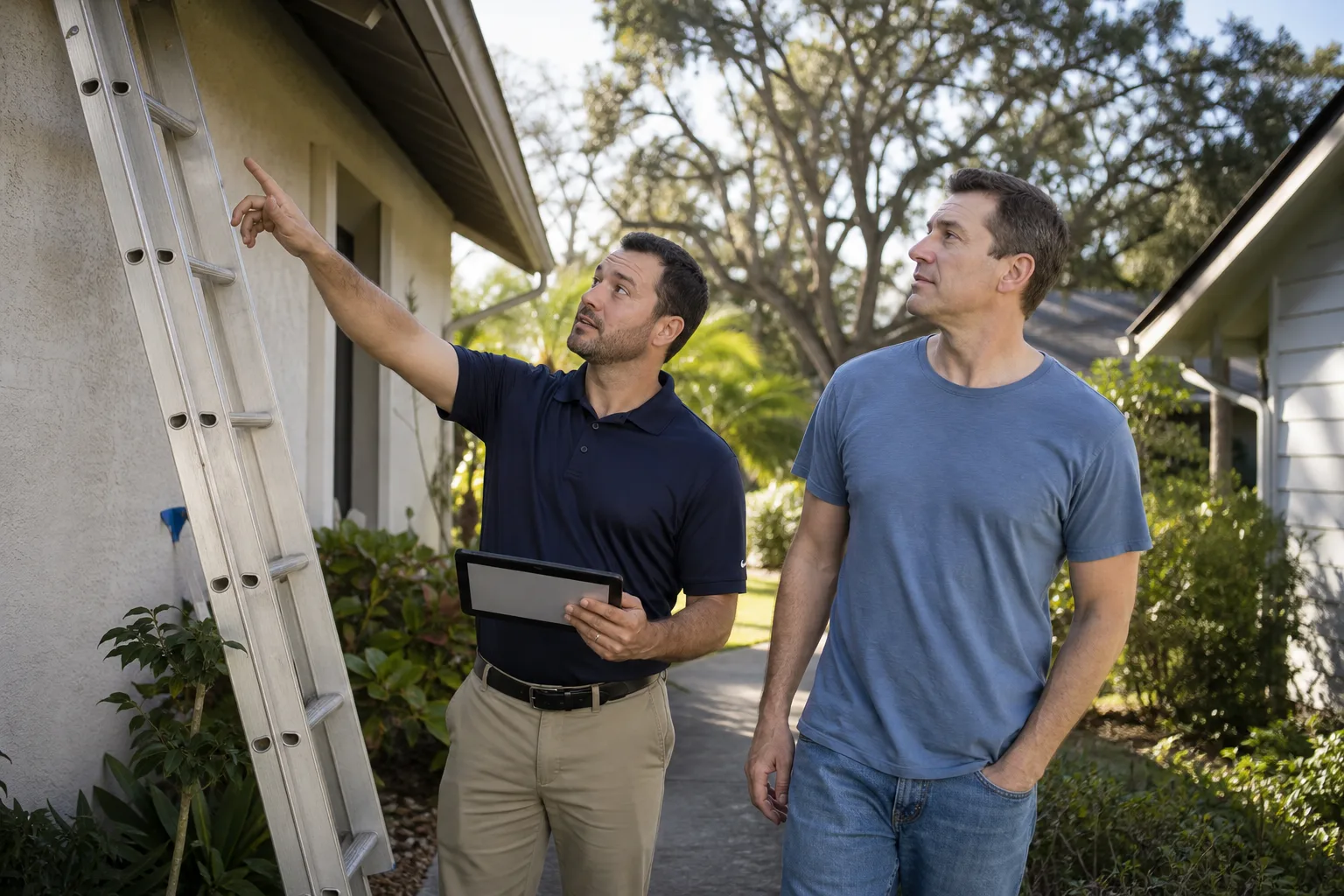
In our experience, when we inspect a Santa Rosa home’s vulnerability, we’re looking at the roofline first and everything else second. If a client’s roof has a gap at the fascia board where the sheathing meets the sub-fascia, that gap is a chimney for embers regardless of what the roof is made of. This is exactly why we started walking homeowners through construction upgrades before a fire ever threatens.
The Six Construction Upgrades That Matter Most in Sonoma County
Not every upgrade is worth the money. Here’s the short list, ordered by impact-per-dollar for the conditions we actually see in Santa Rosa – low humidity, seasonal winds from the northeast, and a wildland-urban interface that reaches right into city neighborhoods.
- Ember-resistant vent screens. Replace standard 1/4-inch mesh with 1/8-inch stainless steel mesh and screened vent covers. Cost is modest, impact is enormous.
- Class A roofing assembly. Asphalt, metal, and tile all qualify if installed with the right underlayment and edge metal. GAF and CertainTeed products are what we install; we’ll walk you through which specific assembly meets the standard.
- Non-combustible cladding within five feet. The first five feet from the ground to the roofline should be fiber cement, stucco, or metal. Wood siding within this zone is a liability.
- Multi-pane, tempered windows. Dual-pane tempered glass resists radiant heat far better than single-pane. Therma-Tru and ViewLux both offer fire-rated options worth asking about.
- Deck replacement or retrofit. Composite or metal decking, or a non-combustible skirt at the deck perimeter, removes a common ignition path.
- Fence attachment detail. Metal fences or non-combustible panels at the last five feet before the house, using Barrette or Master Halco steel systems, eliminate a very common wick.
These are the same categories IBHS scores in the Wildfire Prepared Home designation, and they’re the same ones that Sonoma County’s fire-hardening rebate documentation asks about. For components that touch the house structurally, like decks and cladding, that work often overlaps with larger Home Additions & ADU in Santa Rosa projects – and getting it right during the build is cheaper than a retrofit later.
How to Audit Your Own Home the Way Cal Fire Does
You can run this audit in about 90 minutes with a clipboard and a pair of binoculars. The checklist mirrors what a Cal Fire inspector will use on a defensible-space inspection, so you’ll know your weak spots before they do.
- Walk the perimeter at ground level. Note the first five feet from the structure out. Any combustible material – mulch, firewood, wood fencing, planters, or shrubbery touching the wall – gets flagged.
- Look up at the roofline. Binoculars help. Identify gaps where the fascia meets the roof edge, then check that gutters are clear.
- Inspect every vent. Attic, eave, foundation, and dryer vents need 1/8-inch or finer stainless mesh. Fines for larger mesh in high-fire zones are common.
- Examine the windows on the side facing prevailing winds. In Santa Rosa, that’s usually the northeast or east-facing side. Single-pane glass is a flag.
- Check the deck. Where does it attach? What’s it made of? Are the under-deck areas enclosed or open to ember accumulation?
- Assess the fence line. If a wood fence runs flush to the house, that’s the highest-priority fix on most Santa Rosa properties we see.
- Photograph everything. Date-stamp the photos and keep them with your insurance file. Documentation is half the audit.
This same audit is a good moment to look at your driveway and walkway clearing – a wide, non-combustible approach helps arriving equipment and gives firefighters usable space. That’s part of why we take Driveway & Pavers in Santa Rosa projects seriously: the drive isn’t just a driveway when the county needs to reach your house.
After the Fire, Flood, or Quake: Step-by-Step Re-Occupancy
When a fire has passed near your home or a quake has shaken the structure, the sequence of who you call and in what order matters. Making the wrong calls in the wrong order costs you insurance dollars and, in the worst cases, puts you inside a home that isn’t safe yet.
- Do not re-enter until cleared. Utility shutoffs (gas, power) should happen before you walk back in. If you smell gas, leave and call the utility from outside.
- Photograph and video the exterior first. Then interior. Date-stamp and back up. Insurance adjusters ask for this within days.
- Call your insurer to open a claim. Get a claim number and the name of your assigned adjuster in writing.
- Get a structural assessment. This is where a licensed contractor earns the fee. Check for: foundation cracks, roof deflection, compromised framing, and any signs of smoke intrusion into the attic.
- Wait for the adjuster’s scope. Do not sign a contractor’s scope-of-work that conflicts with the adjuster’s findings before you’ve read both side by side.
- Document remediation work meticulously. Every dollar spent on emergency repairs should be tracked with receipts and photos.
That third and fourth step is where most homeowners get into trouble. We’ve seen Santa Rosa homes patched quickly by an out-of-area crew and then need a full tear-out six months later because the attic wasn’t assessed. Getting the structural story right the first time is cheaper than getting it fast.
The Contractor Scam Pattern That Follows Every Disaster
Every major Sonoma County disaster has been followed by the same scam, and it always follows the same script. A truck with out-of-state plates shows up within 48 hours. The crew offers a “neighbor rate.” They want a deposit in cash. They ask you to sign a scope they wrote on a napkin. Within two weeks the phone number is disconnected.
Here’s how to verify credentials under pressure:
- Ask for the license number and look it up. California’s CSLB database is public, free, and instant. If a contractor won’t hand over the number or the number doesn’t match the company name, walk away.
- Require a written change order. Any legitimate contractor issues change orders in writing before work proceeds, not after. If you’re told it’s “not necessary,” it’s necessary.
- Never pay more than a modest deposit upfront. For remediation-sized work, a reasonable deposit is normal, large cash payments to strangers are not.
- Insist on permits. If a proposed scope would require a permit and the contractor says permits aren’t needed, they either don’t know the code or they’re avoiding inspection. Either way, that’s your signal.
- Verify insurance and bond. Ask for the certificate of insurance, call the carrier, and confirm the policy is current.
When we show up at a Santa Rosa home after a fire, our written scope and the change-order paperwork is exactly what protects the homeowner from the pattern. It’s why we say the permit inspector works for you, not for us – that inspection is an independent check on the work.
Fire-Hardening Rebates, Insurance Credits, and Resale Documentation
Sonoma County and the state of California have both run fire-hardening rebate programs in the years since the 2017 fires, and the coverage has shifted. Two things are stable: the documentation required, and the way insurers credit hardened homes at renewal.
The documentation that matters, whether for a rebate or a premium credit:
- Photographs of each upgraded component, date-stamped, taken before and after installation.
- Manufacturer spec sheets for every material installed (this is why we install named brands – GAF, CertainSanded, Therma-Tru – not generic materials with no paper trail).
- Building permits and final inspection sign-offs. A permit pulled and closed is worth more than a receipt for materials.
- Contractor invoice with a line-item breakdown of the hardening work.
Keep these in one file, physical and digital, and hand a copy to your insurance agent at renewal. We’ve had Santa Rosa clients see premium reductions after documented hardening, and the file is also useful at resale – a buyer’s inspector will ask what’s been upgraded, and “documented and permitted” answers the question cleanly. This is also the point where a Fence Installation in Santa Rosa project becomes more than curb appeal: a non-combustible fence line, installed and permitted, is a documented hardening upgrade, not just a boundary.
Santa Rosa Neighborhood Realities
Preparedness looks different depending on where you are in Santa Rosa. The city’s fire history is not evenly distributed, and the construction realities vary neighborhood to neighborhood.
Coffey Park and the Fountaingrove area are the neighborhoods most associated with the 2017 fires, and the homes rebuilt since then are generally the most hardened in the city because the rebuild required it. That’s not automatic, though. We’ve inspected newer homes in these areas where a standard production vent was installed instead of a fire-rated one, because the production crew used what was on the truck.
Northwest Santa Rosa, including the neighborhoods up toward the Russian River Valley, sits in a high wildland-urban interface zone. Defensible space is more likely to be formally inspected here, and structural hardening shows up most clearly on insurance filings.
Rincon Valley and Bennett Valley have more mid-century construction, single-pane windows, and wood-framed decks attached to the roofline. These are the homes where the six construction upgrades above pay back most directly. We regularly see the roofline gaps in these neighborhoods because the construction era used detailing that hasn’t held up.
Downtown and the older core face a different risk profile: earthquake and utility-related rather than wildfire. That means foundation bolting, water heater strapping, and flexible gas connections are where emergency dollars go before any fire hardening. If you’re not sure what your home needs, start with the audit in the section above, then look at your homeowner’s insurance declarations page for the risks your carrier is already rating you on.
Your Year-Round Preparedness Calendar
A home is either maintained into readiness or neglected into vulnerability, and the difference is mostly calendar. Here’s the cadence we recommend for Santa Rosa homes, adapted from what we’ve seen actually get done versus what gets ignored.
- Spring (April-May): Clear gutters and roof valleys. Inspect vent screens. Photograph the exterior for insurance documentation before fire season.
- Early summer (June): Complete defensible space clearing. Check roof condition, look for lifted shingles or failed flashing.
- Mid-summer (July-August): Re-check any gaps at the roofline. Schedule any structural upgrades that need a permit before the fall rush.
- Fall (September-October): This is Santa Rosa’s highest fire-risk window because of the northeast winds. Confirm your defensible space is maintained, confirm your emergency contact list, and verify windows and doors seal correctly.
- Winter (November-March): Rainy-season window – inspect for water intrusion, address any deferred structural work, and get the roof inspected. If a fence or deck needs replacing, this is the season to do it with an eye on the next fire year.
The homes that come through fire events intact, in our experience, are the ones where somebody did the boring calendar work year after year. It’s the same discipline as hiring a contractor who puts the scope in writing – the small print is the difference.
Common Mistakes to Avoid
- Treating “fire-resistant” as a single product. There is no fireproof house in Santa Rosa. Preparedness is a stack of small details – vents, gaps, cladding, windows – and each one lowers the odds of ignition.
- Skipping the roofline inspection. Most homeowners audit the yard and never look at the eaves. Embers don’t care about your landscaping if the roof gap is open.
- Installing hardening upgrades without permits. A vent or deck upgrade without a permit is invisible to your insurer and your future buyer. It also can’t be verified when you file a claim.
- Trusting a “no permit needed” claim from a disaster-response contractor. That’s the single most common scam line. It’s also the most expensive mistake we get called to fix.
- Paying a large deposit in cash to a crew with out-of-state plates. Every Santa Rosa fire has produced these crews. Verify the license number before you hand over anything.
- Not keeping documentation. A hardening upgrade you can’t document is worth nothing at renewal or at resale. Date-stamped photos, permits, and spec sheets go in one file.
- Ignoring the deck-to-house connection. A wood deck attached within six feet of the structure is a wick. Composite or metal decking, or a non-combustible skirt, closes that path.
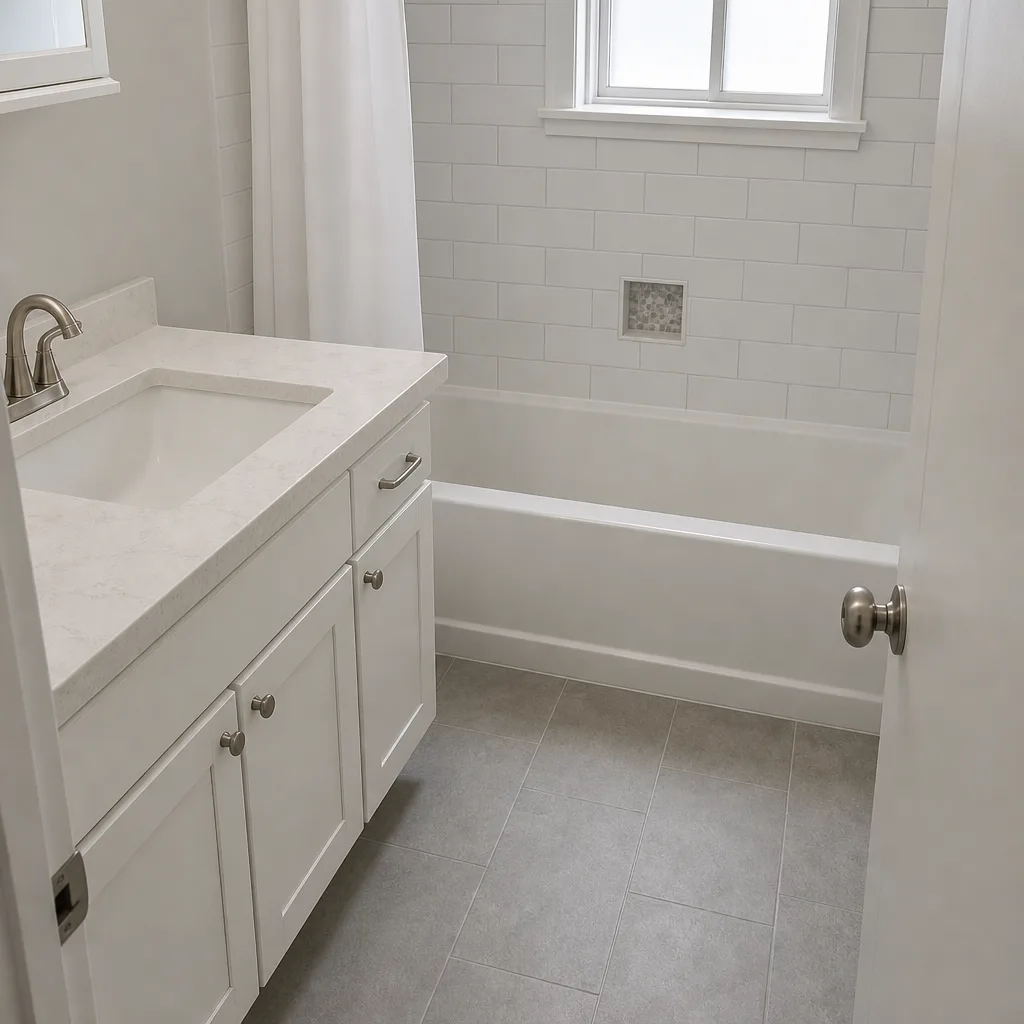
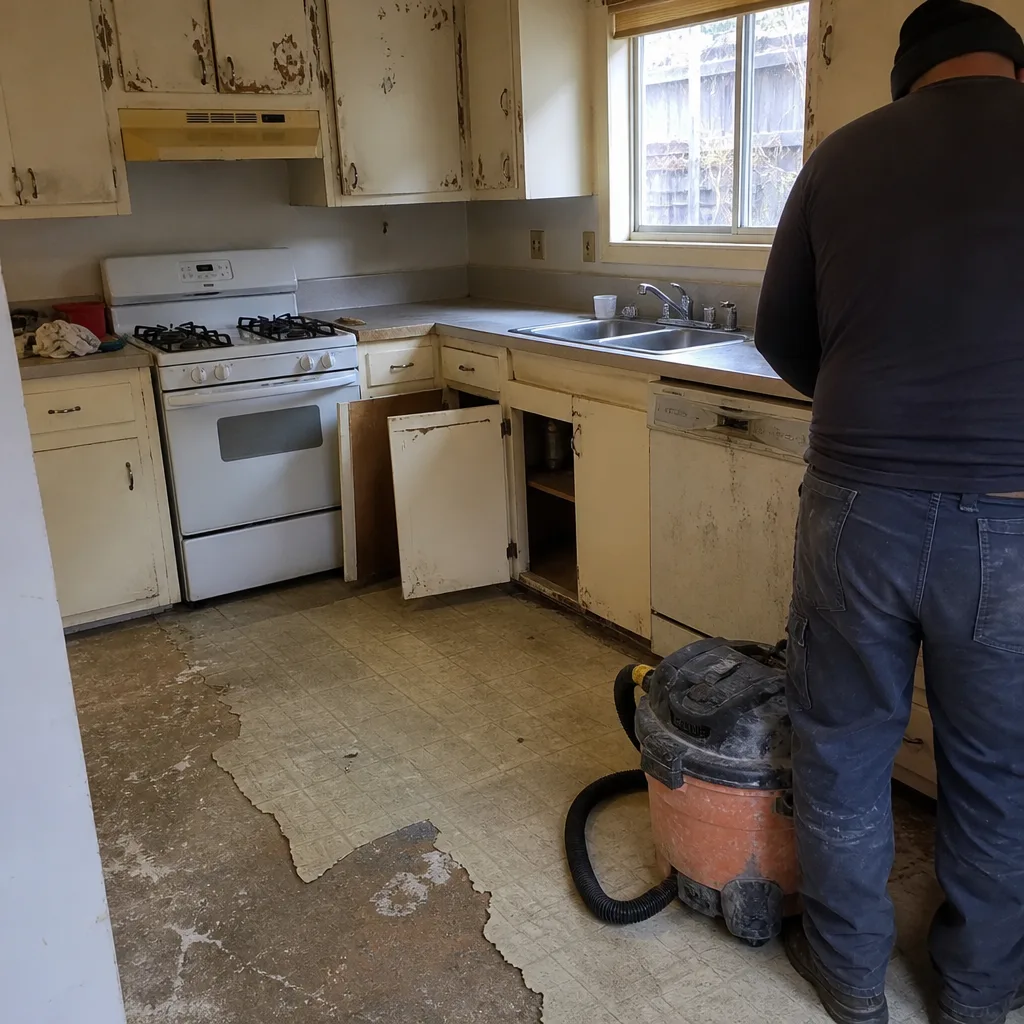
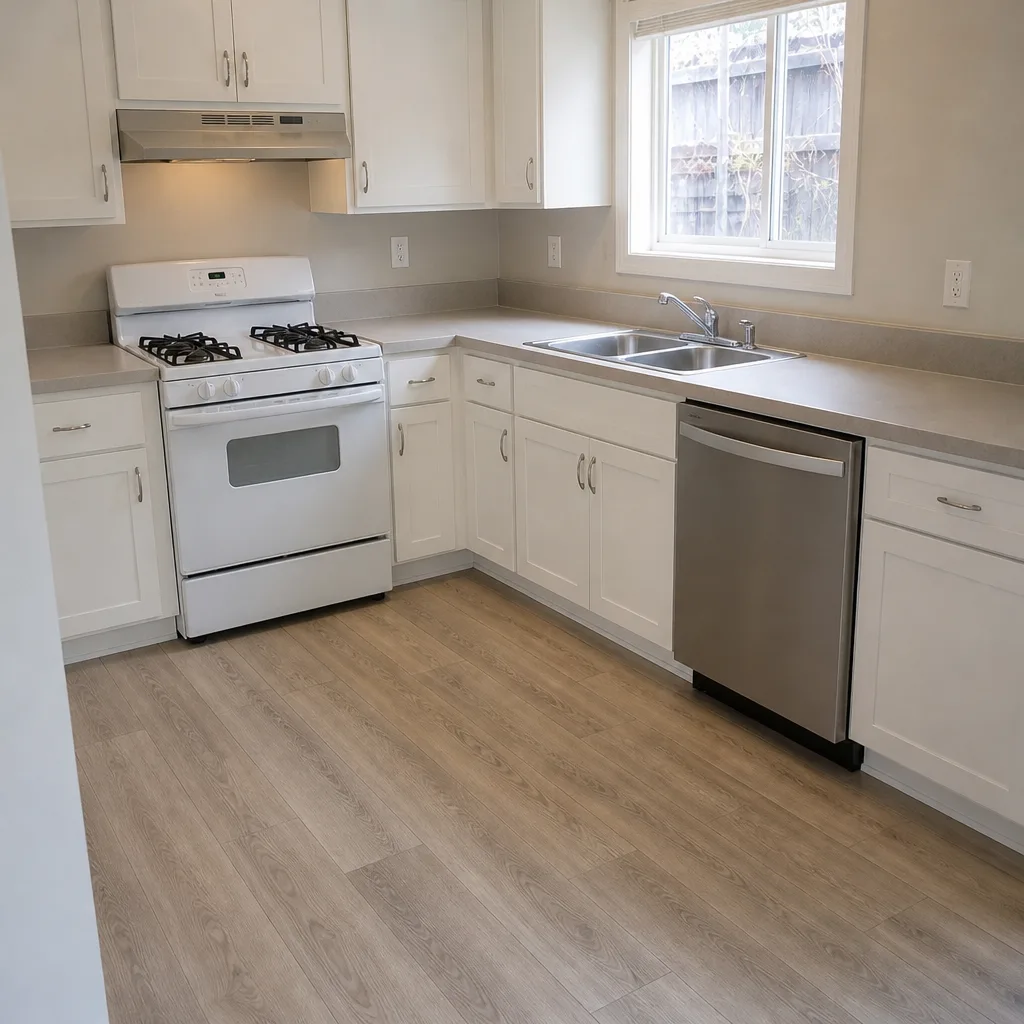
See the difference
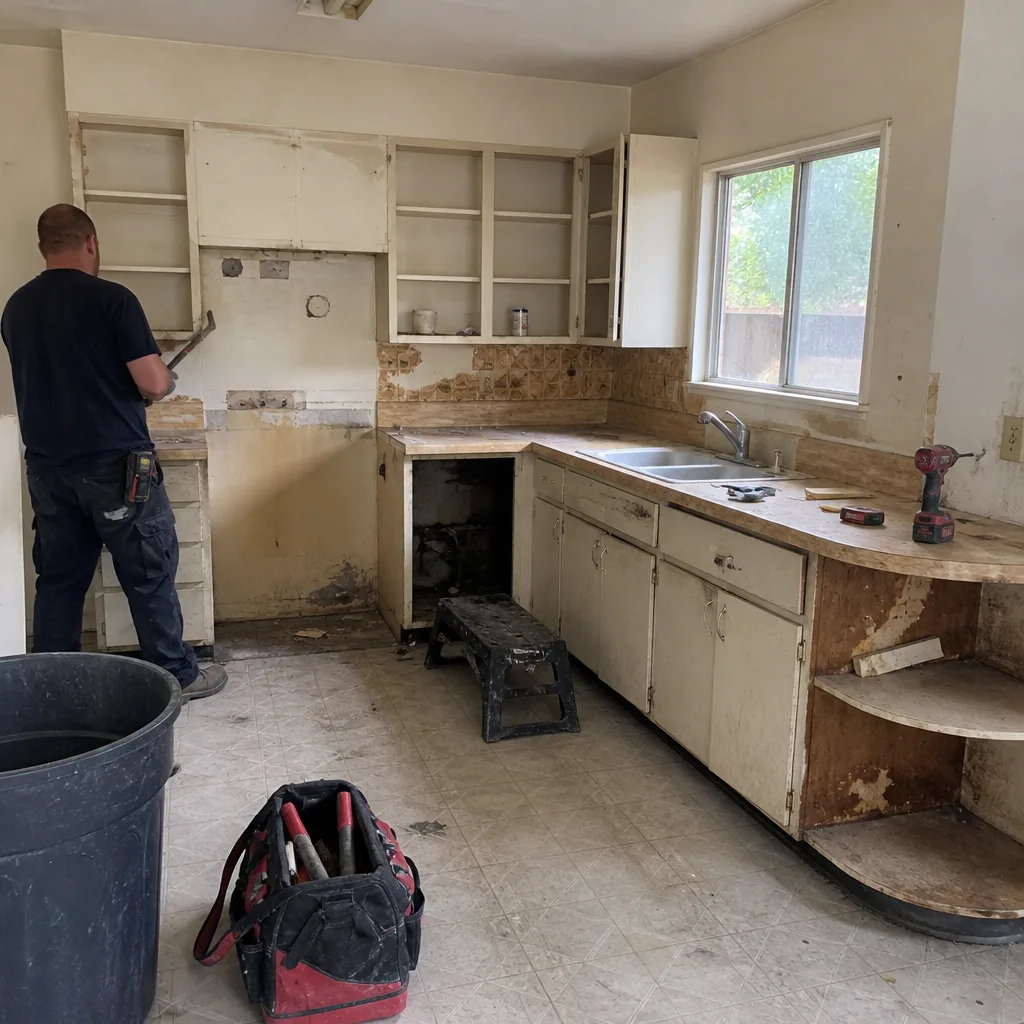 Before
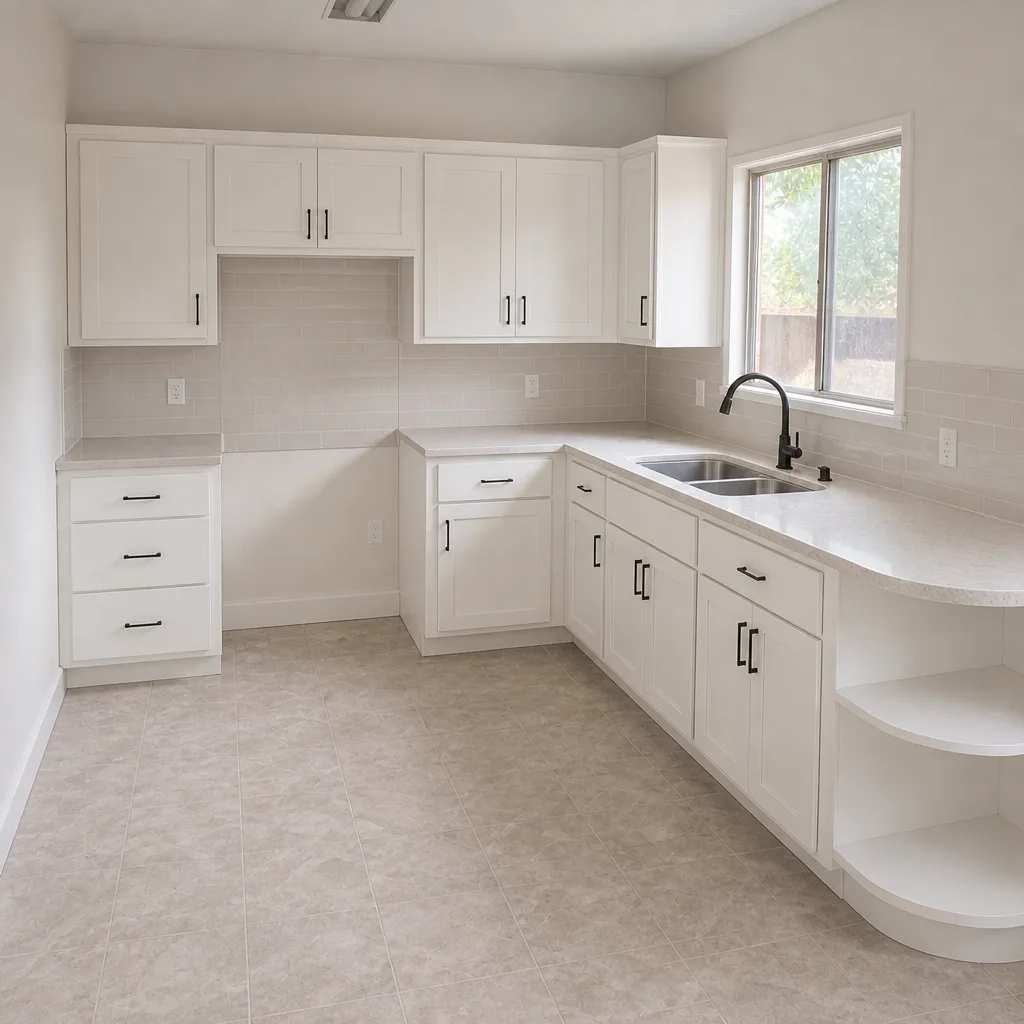 After
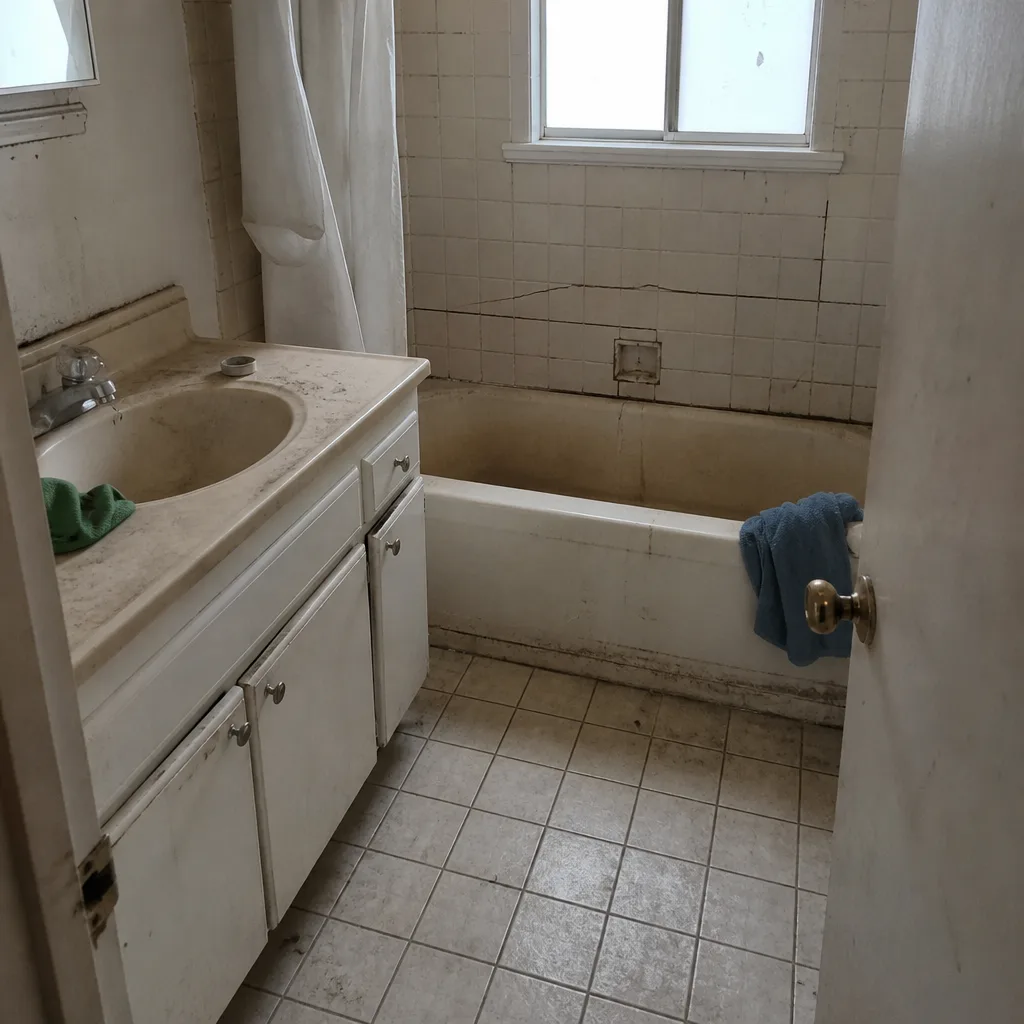 Before
 After
 Before
 After
When to Call a Professional
Some of this work is inspectable by any careful homeowner. But there are specific moments when a licensed contractor should be on site: any structural assessment after a fire, flood, or quake; any work that touches the roof or roofline; any deck replacement or attachment; vent replacement where the attic assembly has to be opened; and any hardening project you intend to document for a rebate or an insurance credit. If you’ve been burned by an out-of-area contractor after a disaster, a second opinion on the previous work is often worth the call. Barrett & Sons Construction Santa Rosa offers free estimates in Santa Rosa and a free second opinion on any written estimate you’ve already received. Call (866) 864-4083 to schedule yours.
Frequently Asked Questions
Ember-resistant vent screens are the highest impact per dollar. They’re cheap, fast to install, and they close the most common pathway for an ember to ignite a home’s attic. Followed closely by roofline gap sealing and non-combustible cladding within the first five feet.
Documented hardening can reduce premiums, and some carriers require it in high-risk zones. The key word is documented – permits, spec sheets, and date-stamped photos in one file, given to your agent at renewal. Call (866) 864-4083 to talk through what documentation a hardening project produces.
Utility shutoff and safety check first, then your insurer for a claim number, then a licensed contractor for a structural assessment. Don’t sign any contractor’s scope before you’ve compared it to the adjuster’s findings. A free second opinion on a written estimate is available by calling (866) 864-4083.
Three quick checks: the license number (look it up on CSLB before you sign anything), the change-order policy (legitimate contractors issue them in writing before work), and the permit posture (any “permits aren’t needed” answer is a red flag). Cash-only, no-paper crews with out-of-state plates are the pattern.
Zone 0 (0-5 feet) is strictly non-combustible – no wood mulch, no planters against the wall, no wood decking. Zone 1 (5-30 feet) is lean, clean, and green. Zone 2 (30-100 feet) reduces fuel and ladder vegetation. In Santa Rosa, Zone 0 detailing is where construction and landscape overlap, and where the biggest difference is made.
Vent screens alone are typically a one-day job. Roofline gap sealing can be a day or two in the attic. Cladding within the first five feet, deck replacement, and window upgrades are each multi-day projects depending on scope. A full hardening package run in sequence is often a few weeks of calendar time. Call (866) 864-4083 to get a scope and timeline in writing before any work begins.
The Bottom Line
Santa Rosa homes survive fires because of the details that live in the construction – vent screens, roofline gaps, deck attachment, cladding material, window type – not because of a single hero product or a last-minute scramble. Run the audit, document what you find, and put the highest-impact fixes in the calendar. The same discipline applies to post-event recovery: verify credentials, insist on permits, get the scope in writing, and keep the paperwork. Our crews have up to 28 years of experience in this work, and every job we run comes with a written scope, written change orders, permits pulled, and the 90-Day Done Right Promise – the same standard we’d want on our own homes. If you’re ready to look at your own property’s vulnerabilities, start at our Barrett & Sons Construction Santa Rosa home page, then call for the walk-through.
Home emergency preparedness is a construction problem before it’s a shopping problem. Do the audit, make the list, and call us at (866) 864-4083 for a free estimate. We’ll come out, look at your roofline first, and put a written scope in front of you before anything else happens.
Written by the team at Barrett & Sons Construction Santa Rosa.