Last updated November 18, 2026
Free written scope consultation - allowances, timeline, and change-order rules on paper before a single trade is scheduled
Construction Cost Breakdown: The Santa Rosa Homeowner’s Reference for 2026
In 2025, the average permitted bathroom remodel in Sonoma County cost about 22% more than the California state average. Not because contractors are gouging. Because Sonoma County permit fees, post-fire reconstruction pressure on licensed trades, and the premium for skilled sub-trades all stack in ways no national calculator accounts for. If you’ve plugged your project into a cost tool and gotten a number that felt low, it probably was. This guide breaks down what construction actually costs in Santa Rosa in 2026, line by line, so you can read any bid you receive and know whether it’s built on real local numbers or national averages that don’t apply here.
Quick Answer
Construction costs in Santa Rosa in 2026 run roughly 15-25% above California state averages for most project types, with a mid-range kitchen remodel landing around $85,000-$140,000, a bathroom remodel $32,000-$65,000, and a roof replacement $18,000-$38,000 depending on pitch and material. Permit fees alone add $1,500-$8,500 depending on scope. The single biggest variable isn’t material choice; it’s whether your contractor’s bid reflects current Sonoma County labor rates and supplier pricing, or outdated benchmarks from a national database.
Styles & brands we work with
- Kitchen remodeling
- Bathroom remodeling
- Home additions & ADU
- Roofing
- Windows & doors
- Driveway & pavers
- Fence
Table of Contents
- Sonoma County Permit Fees: How to Calculate Yours Before You Bid
- Labor Rates in Santa Rosa: What Licensed Trades Actually Charge
- How to Read a Contractor’s Line-Item Bid
- Permitted vs. Unpermitted Work: The Real Cost Difference
- Which Santa Rosa Projects Cost the Most More Since 2022
- Kitchen and Bathroom Costs in Santa Rosa
- Exterior Work: Roofing, Fencing, and Driveways
- Additions and ADUs: The Santa Rosa Cost Picture
Sonoma County Permit Fees: How to Calculate Yours Before You Bid
Most homeowners first learn their permit cost when the contractor’s number arrives with a permit line item they can’t verify. You can calculate it yourself in about twenty minutes, and you should, because a bid that shows a $400 permit for a $60,000 addition is either a typo or a red flag.
Sonoma County building permit fees are calculated on project valuation using a fee schedule published by Permit Sonoma. The formula isn’t flat. It’s tiered by valuation band, with separate charges for plan review, inspections, and any applicable fire or school district fees.
A rough working guide for Santa Rosa projects in 2026:
- Bathroom remodel (valuation $30,000-$60,000): typically $1,500-$2,800 in combined permit and plan review fees.
- Kitchen remodel (valuation $50,000-$120,000): typically $2,200-$4,500.
- Roof replacement (valuation $15,000-$35,000): typically $600-$1,400. Roofing permits are cheaper because inspection scope is narrower.
- Room addition or ADU (valuation $150,000-$400,000): typically $5,000-$12,000, plus school district fees that scale with square footage.
- Fence installation: a permit is typically required above 6 feet in height. Fees run $200-$500.
Plan review is the wildcard. A straightforward bathroom permit in Santa Rosa can clear plan review in two to three weeks. An addition with structural changes or hillside grading can sit for eight to twelve weeks, and some projects require separate review from the fire district if you’re in a wildland-urban interface zone. Those zones cover a lot of Santa Rosa’s eastern and northern edges.
Ask your contractor for the permit fee as a pass-through line item with the actual receipt attached after pull. A number that’s rounded to a suspiciously convenient figure usually wasn’t calculated from anything.
Labor Rates in Santa Rosa: What Licensed Trades Actually Charge
The labor rate you see on a bid is not what the tradesperson takes home. It’s a blended rate covering their wage, payroll taxes, workers’ compensation insurance, liability insurance, and the overhead of running a licensed business in Sonoma County. When you see $95 an hour for a finish carpenter, the carpenter isn’t pocketing $95.
Here’s what licensed trades in Santa Rosa were billing in 2026 for residential work, based on what we see in bids and what our own crews and sub-trades quote:
- Framing crews: $65-$95 per hour, or $18-$32 per square foot of floor area for new construction framing.
- Licensed electricians: $110-$165 per hour for service work, $85-$120 per hour for rough-in on larger projects.
- Licensed plumbers: $120-$185 per hour for service calls, $95-$135 per hour for rough-in.
- Finish carpenters: $85-$125 per hour.
- Tile setters: $75-$110 per hour, or $12-$28 per square foot installed depending on material complexity.
- Concrete crews: $95-$145 per hour, or $12-$20 per square foot for a standard slab.
Why are these numbers higher than what you’d find in a national cost guide? Three reasons. The post-fire reconstruction years pulled a large share of licensed trades into rebuilding work that paid premium rates, and the market hasn’t fully normalized. Sonoma County’s cost of living pushes wages up across every trade. And the pool of licensed, insured, background-checked tradespeople is genuinely smaller than the demand, which is simple supply and demand.
One consequence: any bid that lists electrician labor at $60 an hour is using a rate that doesn’t exist in Santa Rosa. That bid will either miss scope, cut corners on licensing, or arrive at the end with a change order to make up the difference.
How to Read a Contractor’s Line-Item Bid
A one-page bid with a single number is not a bid. It’s a wish. The line-item bid is where you can see whether the numbers were built from actual Sonoma County supplier quotes and current labor rates, or pulled from a national estimating database that hasn’t been updated since 2021.
Here’s a method for reading any bid you receive:
- Check that every trade has its own line. Demolition, framing, electrical, plumbing, drywall, finish, and paint should be separate. A bid that lumps “labor and materials” into one number gives you nothing to check.
- Compare material lines to current Santa Rosa supplier pricing. Pull two or three local quotes for the same window, cabinet, or roofing product. If the bid’s material line is significantly below what you’re seeing at a Sonoma County supplier, the contractor is either using a different product or pricing from a catalog that doesn’t match reality.
- Look for named brands. A bid that says “windows: per allowance” without a brand is asking you to trust something you can’t verify. A bid that says Andersen 400 Series, or Marvin Essential, or a specific Boral or PGT product, is one you can look up.
- Check the allowance lines. Allowances are placeholders for materials not yet chosen. Every allowance should be a stated dollar figure, with a written change order mechanism if the actual selection exceeds it. An allowance that isn’t on paper is a surprise waiting for a date.
- Find the labor rate. If the bid shows labor hours multiplied by a rate, check the rate against the range above. A wildly low rate is a warning.
- Confirm the permit is included or explicitly excluded. Ask which, in writing.
- Ask what happens to the schedule if inspections fail. The bid should answer this.
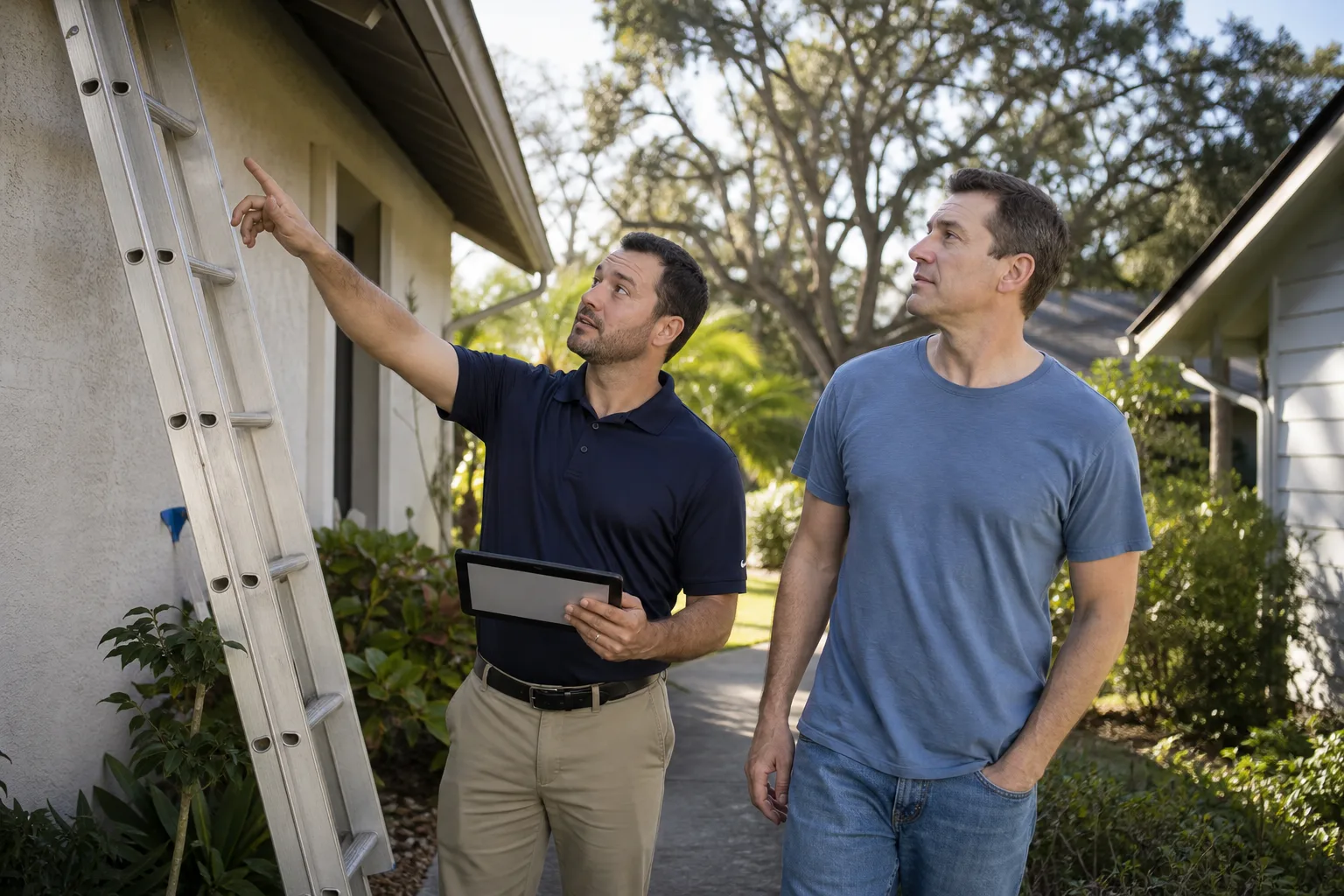
If a contractor can’t or won’t provide a line-item bid, that tells you something. Our crews work off itemized scopes where every material and every labor hour is on paper, and we pull permits and schedule inspections on every eligible job. Not every contractor does. The ones who balk at line items are usually the ones whose final invoice surprises people.
Permitted vs. Unpermitted Work: The Real Cost Difference
This is the section that costs people the most money, and it’s the one that national cost guides never cover.
At the moment of construction, unpermitted work is cheaper. Usually by 10-20%. A contractor who skips the permit avoids the fee, avoids the plan review wait, and avoids the inspection schedule that forces quality control. If that’s the only cost difference you ever face, unpermitted looks like a deal.
It isn’t, and here’s where the math flips:
- At time of sale, an unpermitted addition or converted garage can stall a transaction entirely. Buyers’ lenders often won’t finance the purchase if there’s undisclosed unpermitted square footage, and in Santa Rosa, where the housing stock includes plenty of 1950s and 1960s homes with additions done over the years, a title search will find it.
- Retroactive permitting can run three to five times the original permit fee, plus the cost of opening walls so inspectors can see what was done. Sometimes what was done has to be torn out and rebuilt.
- Insurance claims often exclude damage originating in an unpermitted structure. If a fire starts in an unpermitted electrical subpanel, or water damage originates from an unpermitted bathroom, the carrier can deny the claim and you’re paying out of pocket.
- Property tax reassessment can also catch up to you when the county discovers the improvement, sometimes with penalties.
For perspective: a 300-square-foot unpermitted addition might have saved $6,000 in permit costs at construction. At sale, the same addition might cost $30,000-$80,000 to legalize, or reduce your sale price by more. That’s a very expensive $6,000.
The permit inspector works for you, not for me. That’s why we like him. Every eligible job we touch gets a permit pulled and every inspection gets signed. Look up the permit history on any contractor’s past jobs before you hire them; you can check Permit Sonoma records yourself.
Which Santa Rosa Projects Cost the Most More Since 2022
Not every trade moved the same way since 2022, and knowing which categories have outpaced inflation helps you understand why your 2026 bid is higher than the one your neighbor got three years ago.
Roofing has seen the sharpest increases, roughly 30-45% since 2022. Three drivers: asphalt shingle and underlayment supply costs rose through 2022-2023 and haven’t fully retreated, labor got tighter as post-fire demand pulled roofing crews toward large reconstruction projects, and Sonoma County’s Class A roofing requirements in wildfire zones push homeowners toward steel or composite materials that cost more than standard architectural shingles. A GAF or CertainTeed architectural shingle roof that ran $14,000 in 2022 is typically $20,000-$24,000 in 2026.
Concrete is up roughly 25-35%. Portland cement prices climbed steadily, and ready-mix delivery in Sonoma County adds a premium compared to rates closer to the Bay Area. A standard driveway replacement that cost $11,000 in 2022 now runs $15,000-$18,000. Pavers have moved less – Boral and Belgard products have seen price increases, but the labor differential between pavers and poured concrete remains roughly the same. Our Driveway & Pavers in Santa Rosa page breaks down the per-square-foot math.
Electrical has seen significant increases, driven by code updates that require more from a panel upgrade or a kitchen remodel than they did five years ago. A basic 200-amp panel upgrade that ran $2,800 in 2022 is typically $4,000-$5,500 in 2026, and demand from EV charger installations and rooftop solar interconnections has tightened the licensed electrician pool. Santa Rosa’s aging housing stock means many older homes need service upgrades to support modern loads, which is often the hidden cost inside a kitchen bid.
General framing moved the least, up roughly 15-20%. Lumber prices spiked dramatically in 2021 and then retreated through 2022-2024, so framing material costs in 2026 are actually lower than their 2021 peak. Labor offset some of that reduction.
Kitchen and Bathroom Costs in Santa Rosa
These two projects come up more than any others, and the ranges are wide enough that a single national number is useless.
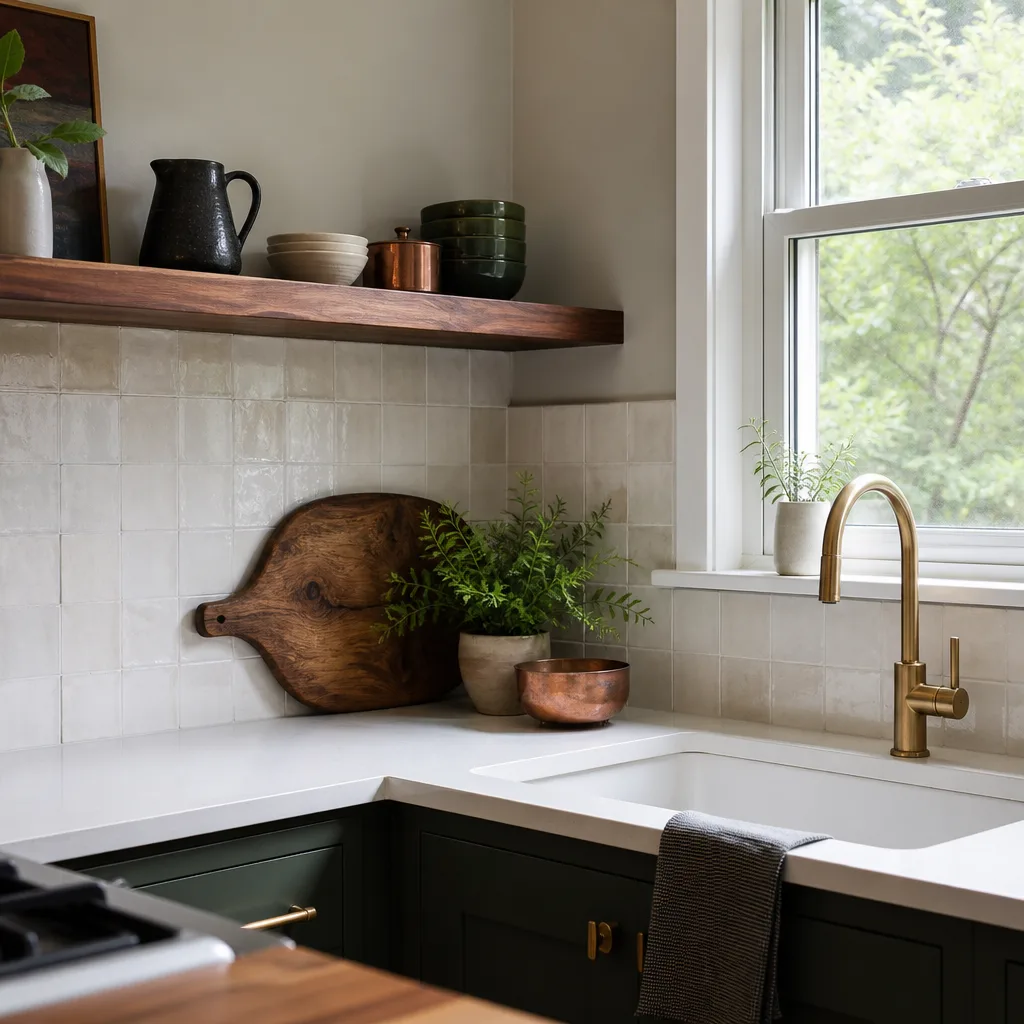
Mid-range kitchen remodel in Santa Rosa in 2026: $85,000-$140,000. This covers new semi-custom cabinets (KraftMaid and similar tier), quartz countertops (Cambria, Silestone), new appliances in a mid-tier, electrical work including a panel upgrade if needed, and a full tile floor. The variables that swing the number hardest: whether walls come down, whether plumbing relocates, and whether the electrical needs a service upgrade. Moving the sink from one wall to another can add $6,000-$12,000.
High-end kitchen remodel: $150,000-$275,000. Custom cabinetry, stone countertops with complexity (mitered edges, waterfall ends), high-end appliances, structural changes.
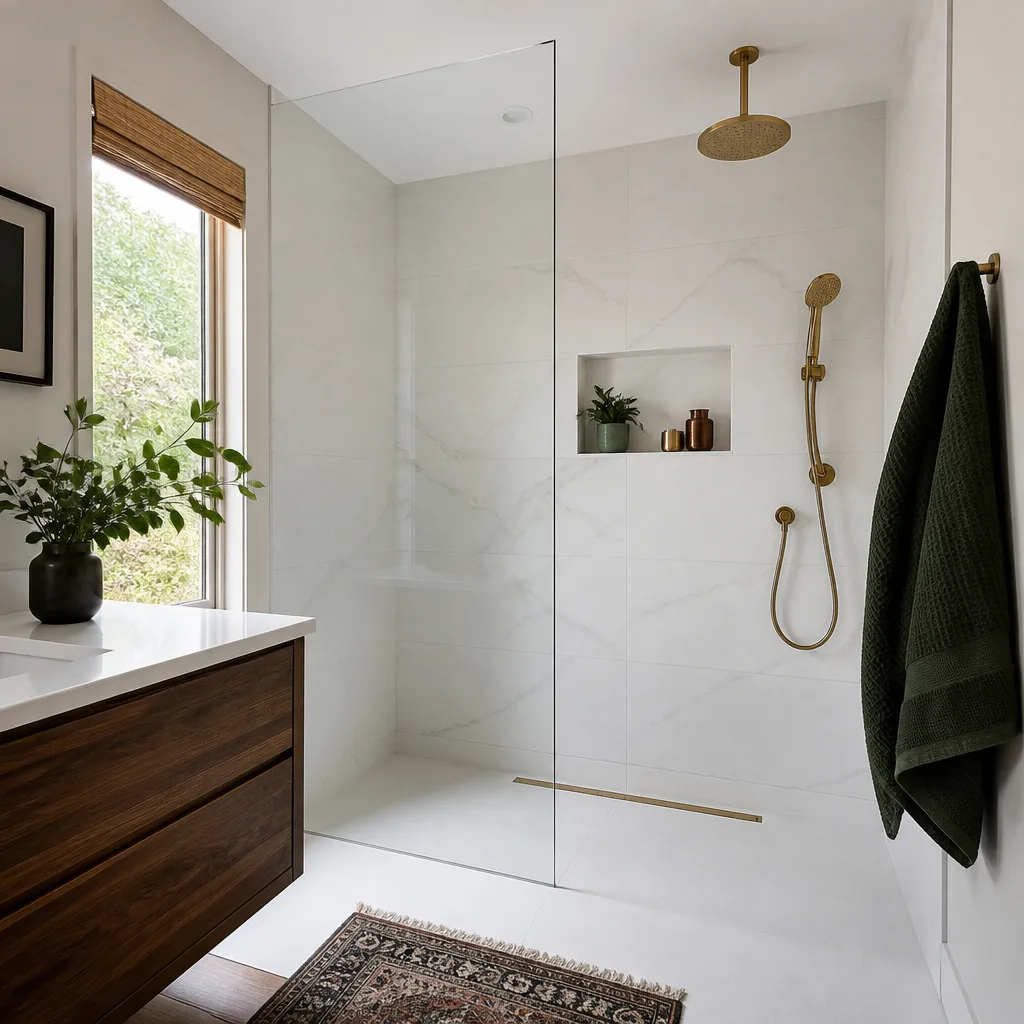
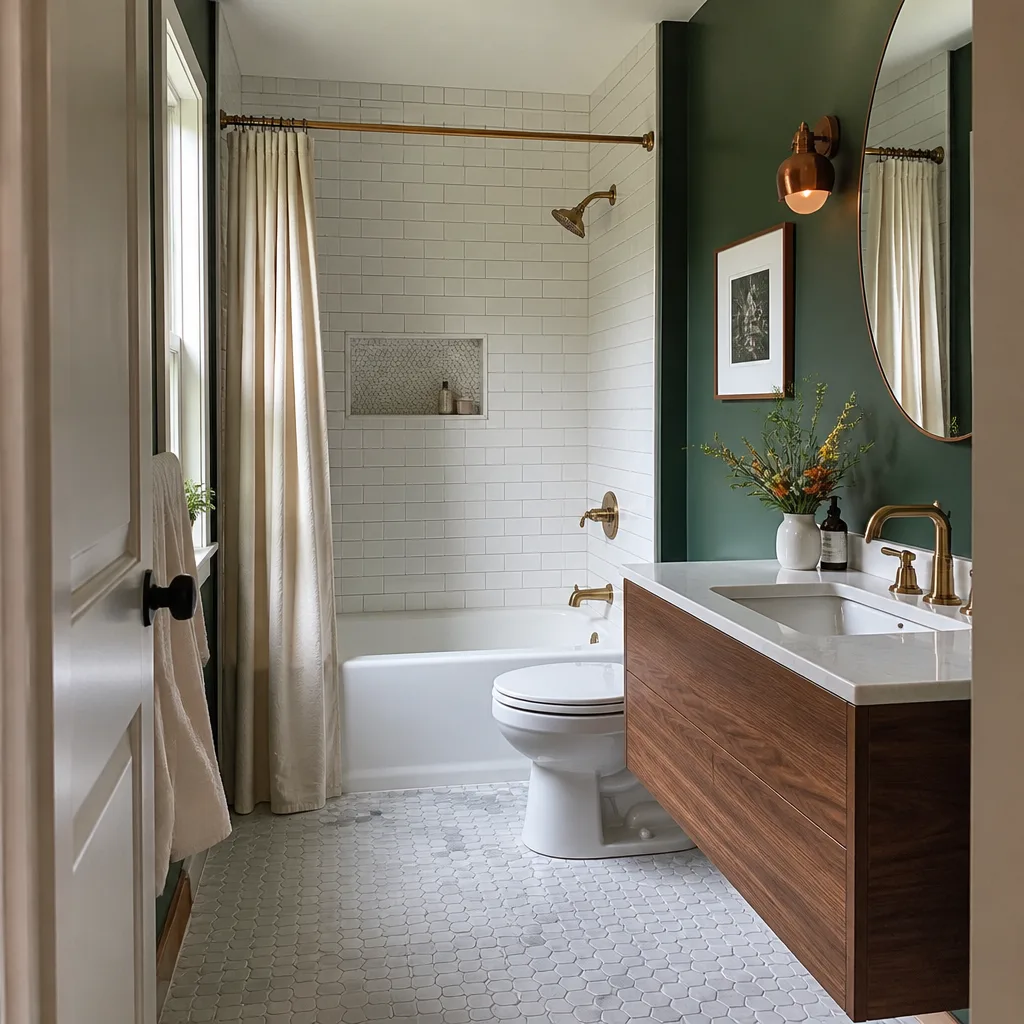
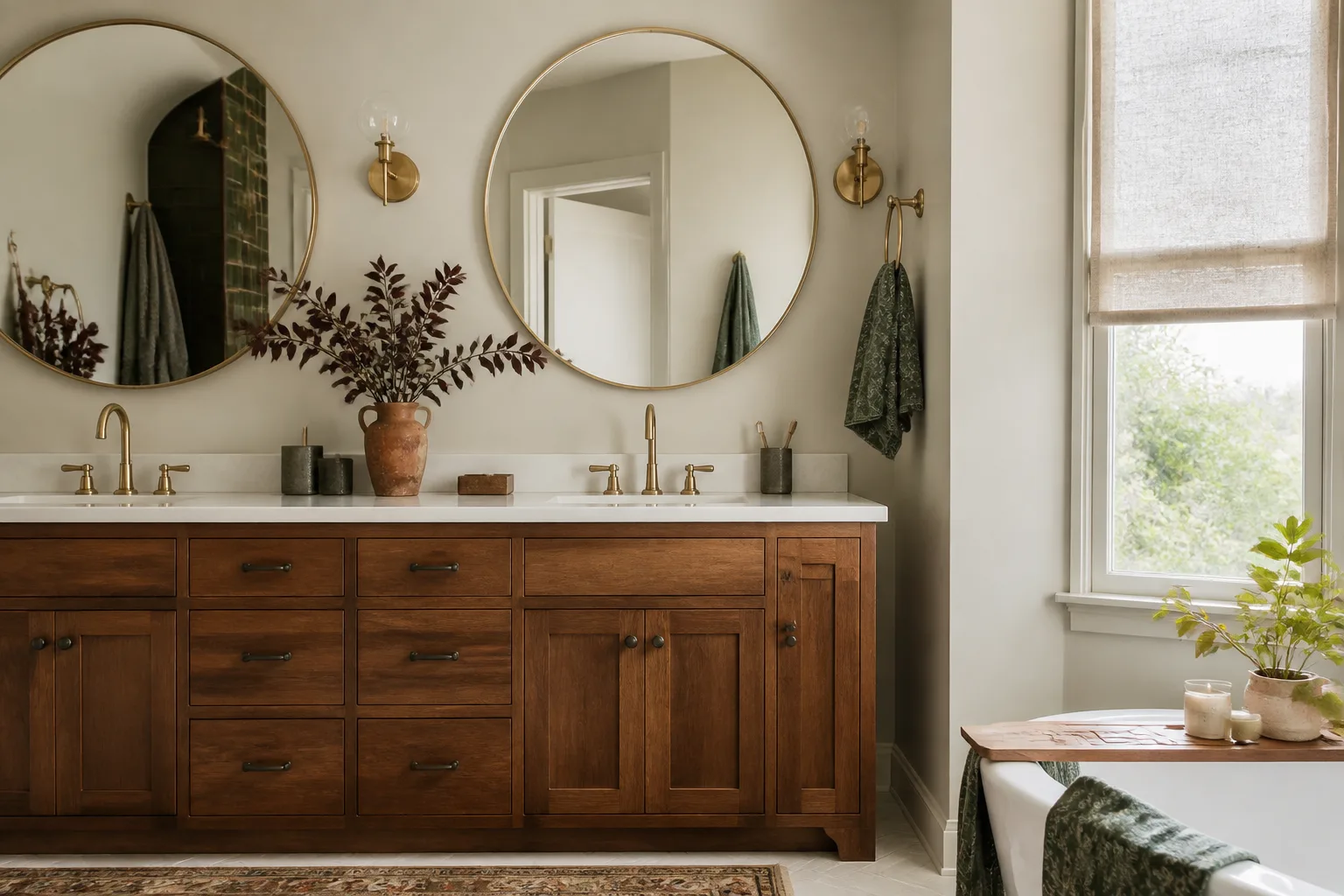
Bathroom remodel in Santa Rosa in 2026: $32,000-$65,000 for a full primary bath, $18,000-$32,000 for a standard hall bath. Tile, plumbing fixtures, vanity, lighting, and waterproofing are the major line items. Showers with curbless entry and custom tile work run toward the top of the range. A full permit is typically required for any bathroom remodel that involves plumbing relocation or electrical work.
Two things to watch in older Santa Rosa homes: asbestos in pre-1980 tile and drywall, and aluminum wiring from the 1960s and 1970s. Both add cost when discovered. A pre-renovation inspection is usually $400-$800 and can save you a far larger surprise. Our Barrett & Sons Construction Santa Rosa home page walks through how we approach older home remodels.
Exterior Work: Roofing, Fencing, and Driveways
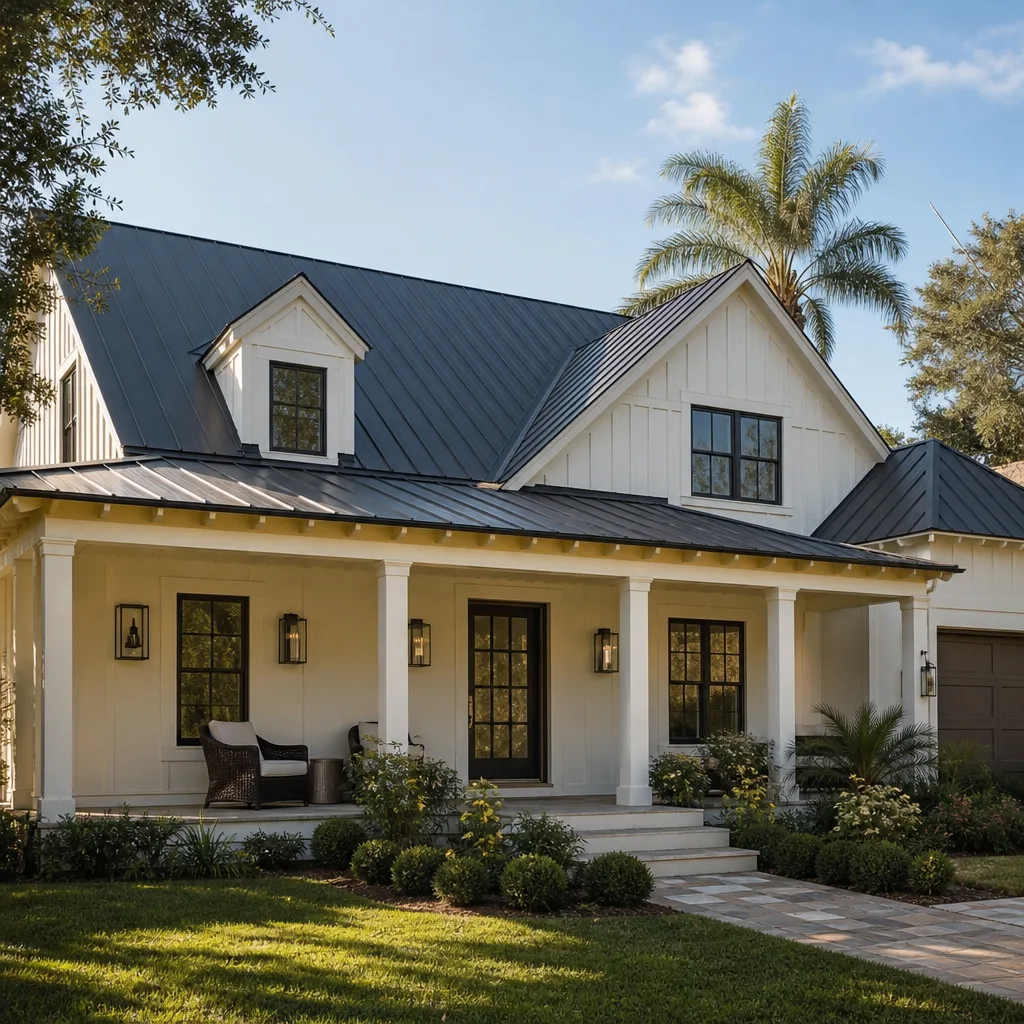
Roof replacement in Santa Rosa in 2026: $18,000-$38,000 for a typical 1,800-2,500 square foot home at standard 4/12 to 6/12 pitch, depending on material. Architectural asphalt shingles land at the bottom of the range. Standing seam metal and Class A composite materials land at the top. Pitch adds cost fast: a 9/12 or steeper roof adds $4,000-$8,000 in labor for fall protection and staging. One-story homes are cheaper than two-story for the same square footage.
Santa Rosa’s fire risk zones matter here. Certain areas require Class A roofing assemblies to maintain insurability, and some insurers will decline coverage on wood shake roofs regardless of permit status. Check your insurance policy before choosing a material.
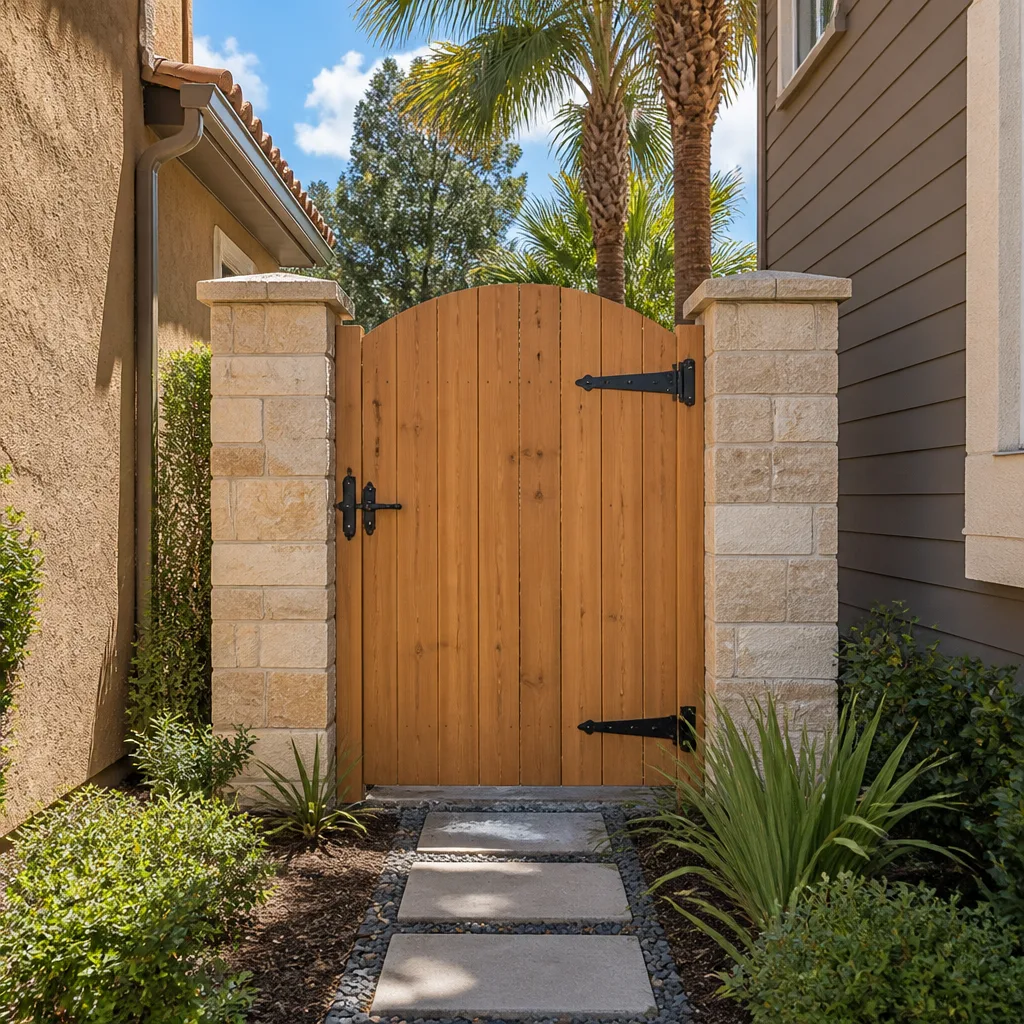
Fence installation in Santa Rosa in 2026: $35-$75 per linear foot for a standard 6-foot wood privacy fence, $55-$110 per linear foot for composite, and $70-$140 per linear foot for ornamental metal. Site conditions swing the number hard. Hillside properties with slope changes, existing fence removal, and rocky soil all add cost. Our Fence Installation in Santa Rosa page covers the variables.
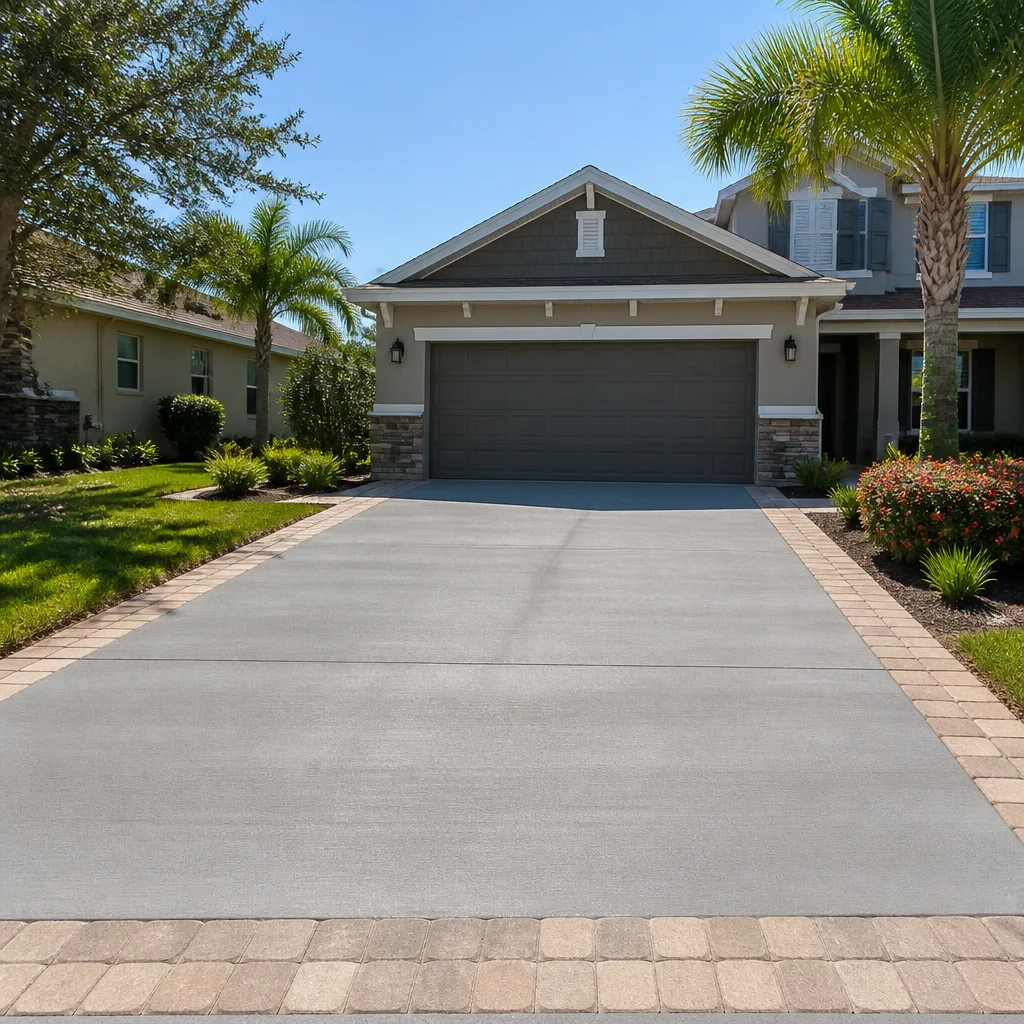
Driveway and pavers: $10,000-$22,000 for a 1,000-square-foot poured concrete driveway including demolition and base prep. Pavers run $18,000-$32,000 for the same area with Belgard or Techo-Bloc products. The base prep is where cheap bids hide cost: inadequate base prep leads to cracking and settling within five years, and by then the original installer is long gone.
Additions and ADUs: The Santa Rosa Cost Picture
Room additions in Santa Rosa in 2026: $275-$425 per square foot for a standard addition, so a 400-square-foot primary bedroom addition runs $110,000-$170,000. That covers framing, mechanical, electrical, plumbing, finishes at a mid-grade level, and permits. Site access, foundation type, and whether existing systems can carry the added load all move the number.
ADUs: $225-$375 per square foot for a detached ADU, so a 600-square-foot ADU runs $135,000-$225,000. Conversions of existing space (garage, basement) often cost less per square foot but require foundation and structural work that can eat the difference. Santa Rosa’s ADU regulations have loosened considerably since 2020, and you can check current allowances through Permit Sonoma directly. Our Home Additions & ADU in Santa Rosa page walks through the full process.
The line item most often missing from low bids: site work. Grading, drainage, utility runs, and landscaping restoration after the build can add $15,000-$40,000 to an ADU project and $5,000-$20,000 to an addition. Confirm the bid includes these or explicitly excludes them with a stated price.
Common Mistakes to Avoid
- Comparing bids without comparing scopes. A $45,000 bathroom bid and a $62,000 bathroom bid are not the same project unless the line items match. The cheaper bid usually leaves out tile work, waterproofing, or permit.
- Accepting a verbal allowance adjustment. Allowances are placeholders. If your contractor adjusts one after the fact without a written change order, you have no recourse. Every change must arrive in writing before work proceeds.
- Assuming a national cost calculator applies to Santa Rosa. If your number came from an app, subtract a margin of error and add 20%. Better yet, get three local bids for the same written scope and use those.
- Skipping the permit to save money. The permit fee is the cheapest part of the project. The cost of legalizing unpermitted work, or losing an insurance claim, is not.
- Not asking about scheduling inspections. A contractor who skips inspections is either skipping the permit or hiding from the inspector. Both are warning signs.
- Choosing the lowest bid without checking that the bid includes site cleanup and haul-away. Debris disposal in Sonoma County runs $800-$2,500 for a typical remodel, and a cheap bid often leaves it for you.
- Forgetting the 10% contingency. Every remodel finds something unexpected once walls are open. Homes built before 1970 almost always do.
See the difference
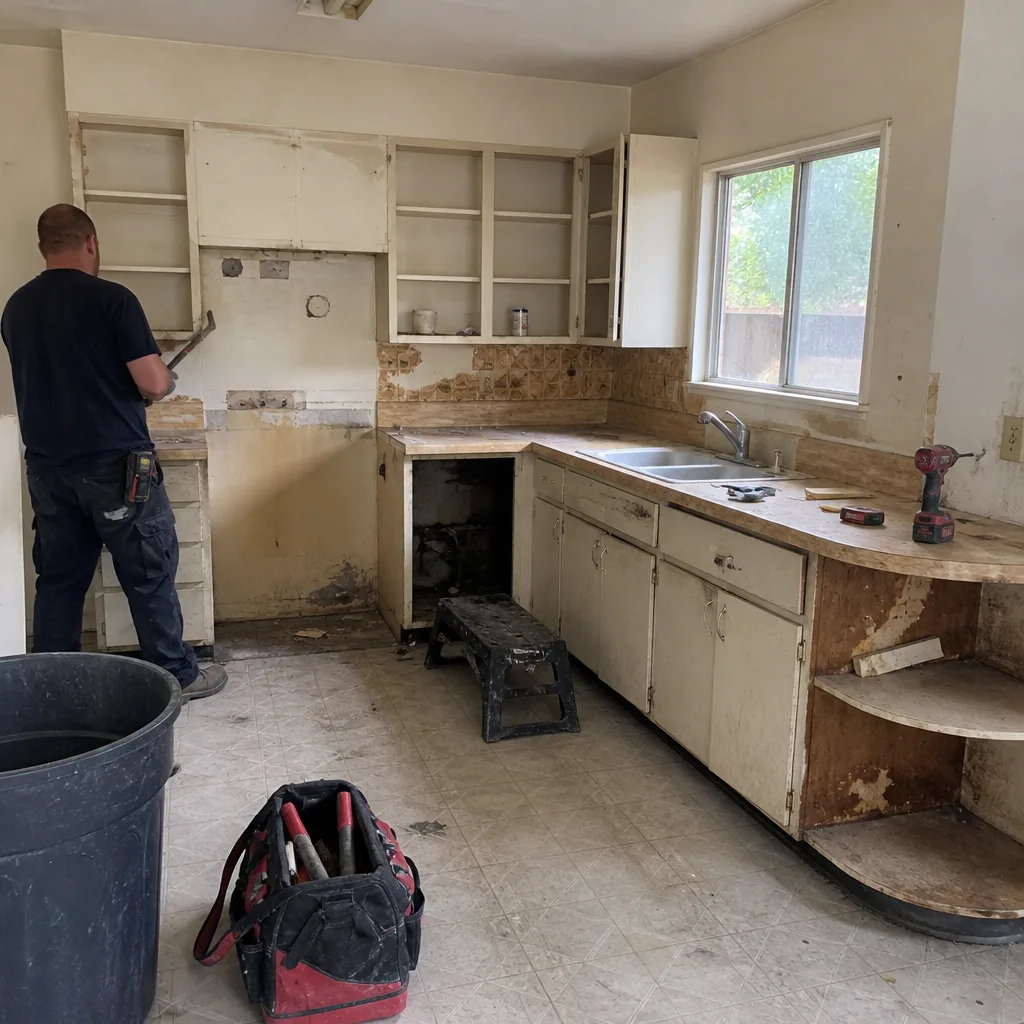 Before
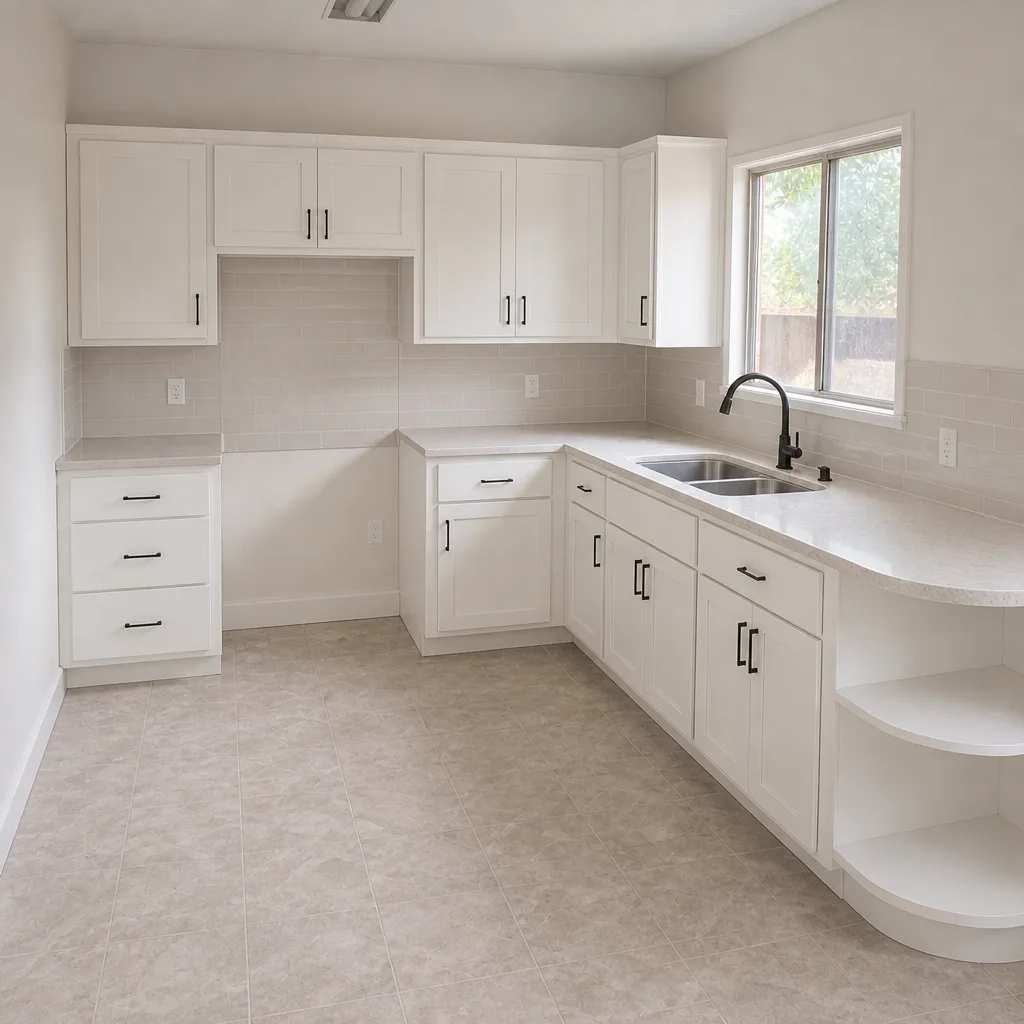 After
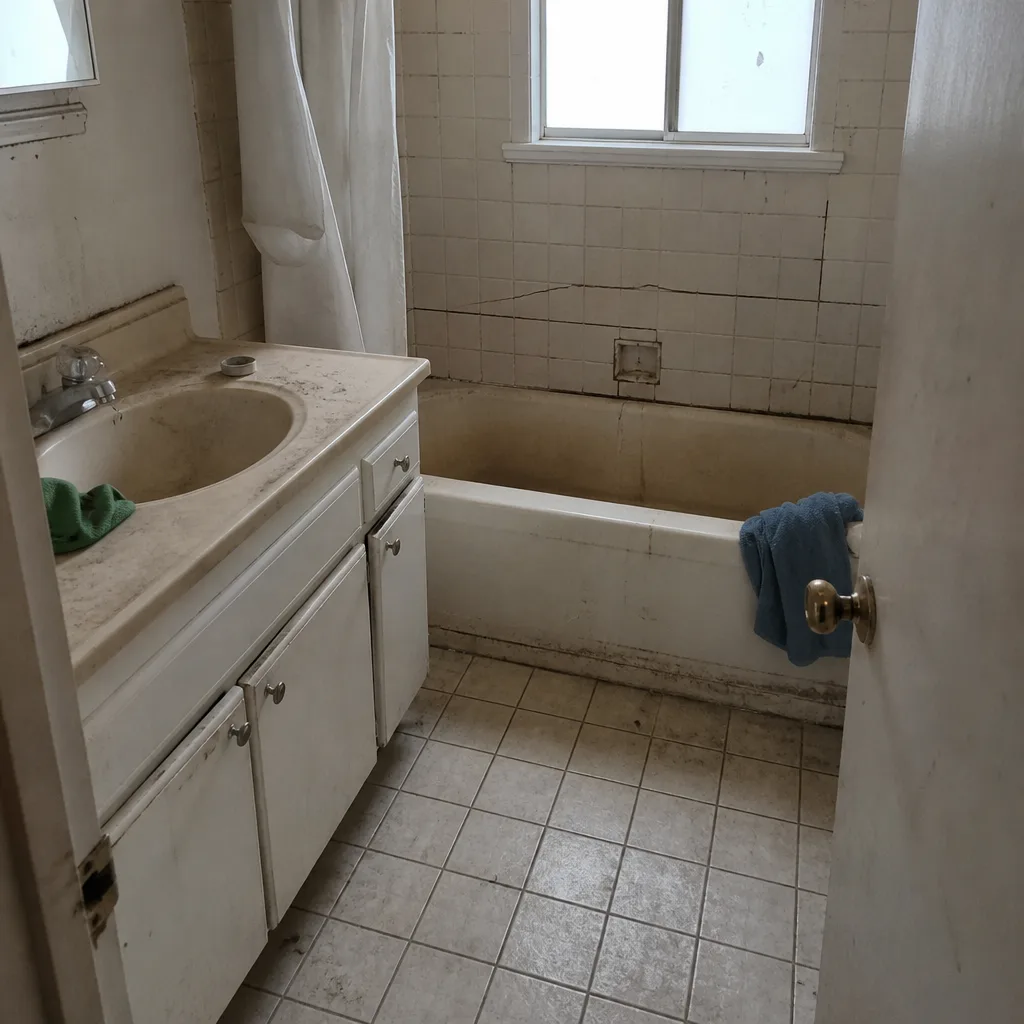 Before
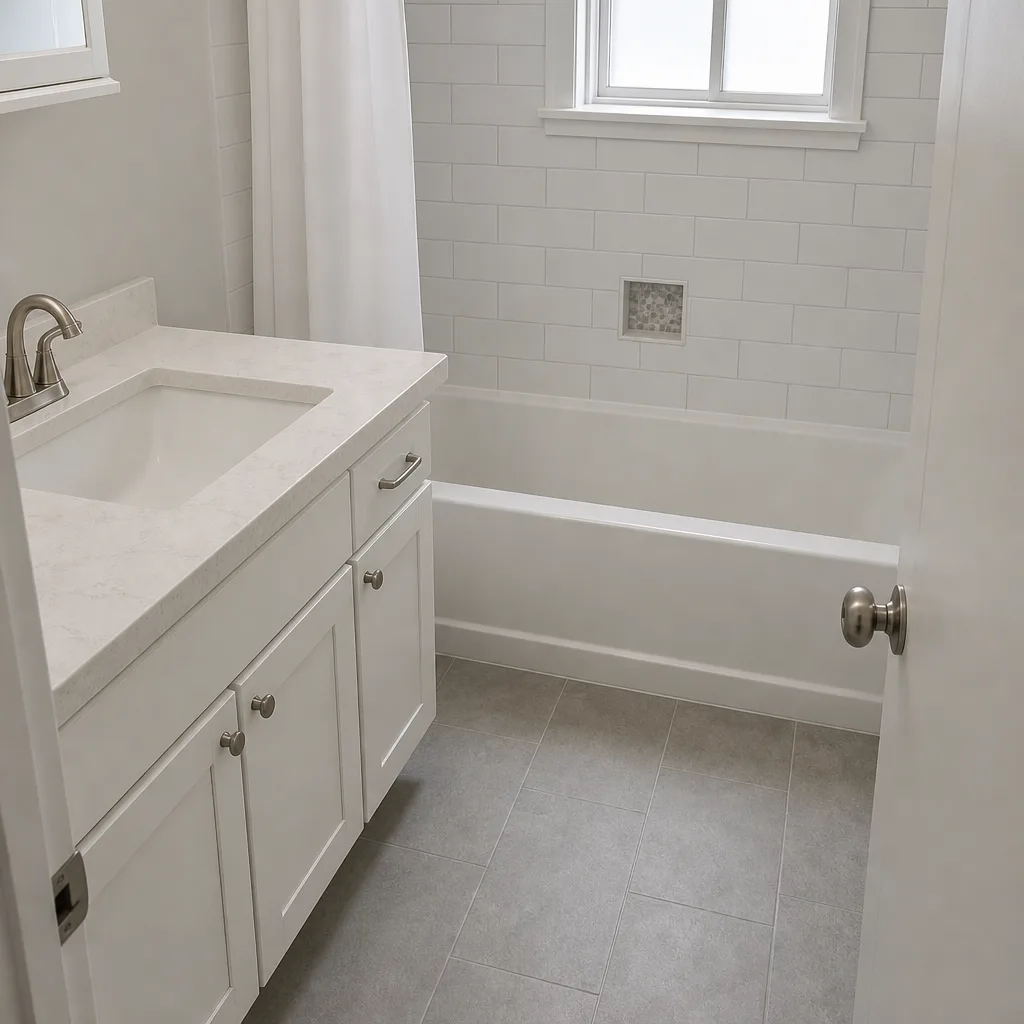 After
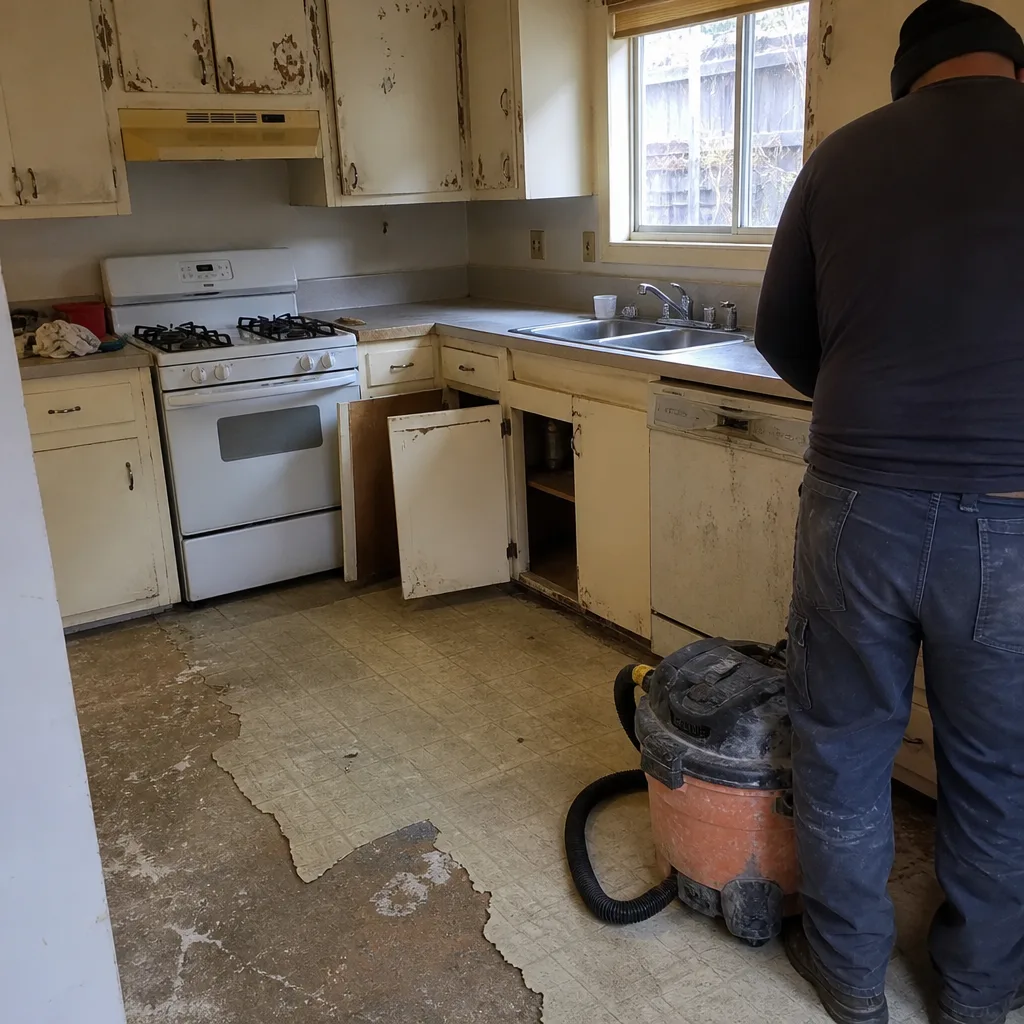 Before
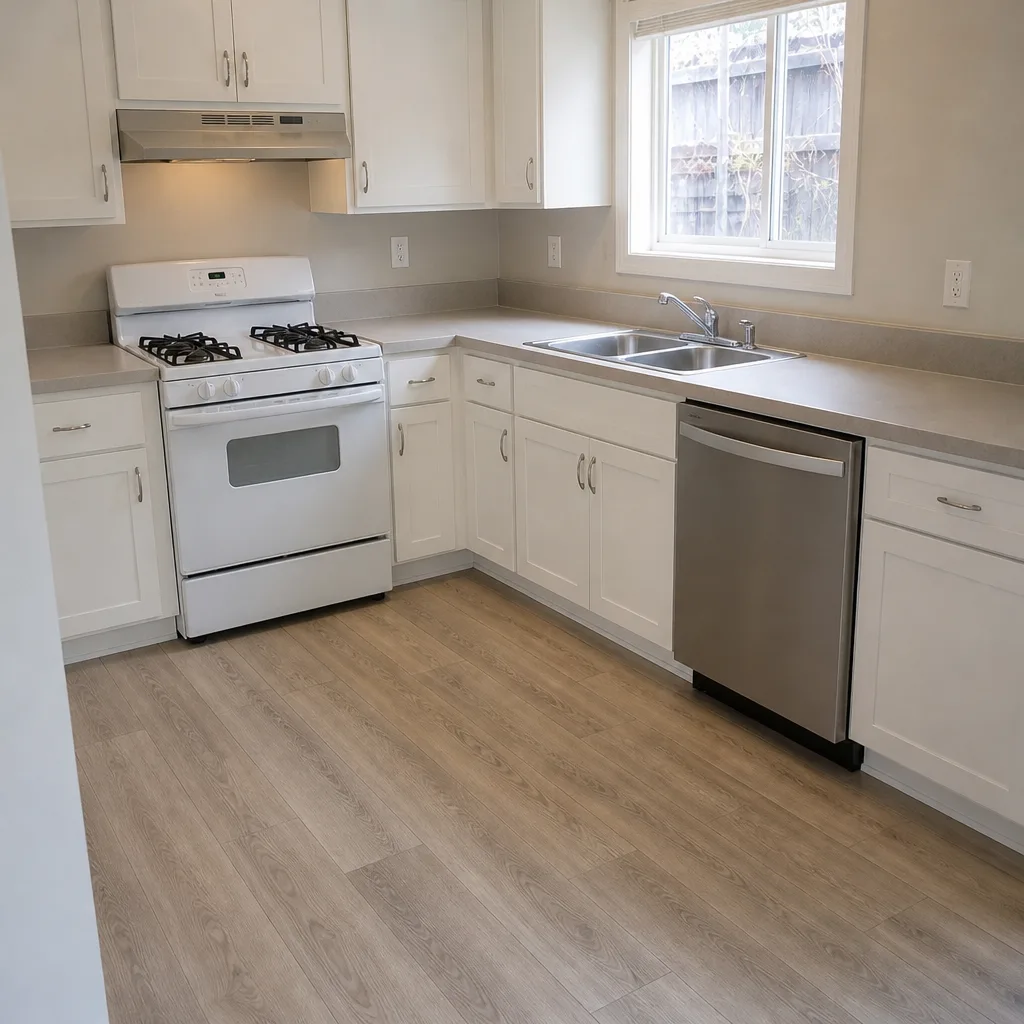 After
When to Call a Professional
Some projects are genuine do-it-yourself territory: painting, basic landscaping, fence repair on a few sections. Others aren’t, and the line is clearer than people think. Electrical panel work, gas line work, structural changes, roof replacement, and anything requiring a permit belongs with a licensed professional. The cost of doing it wrong is not just money; it’s safety, insurability, and resale value. If your project involves moving walls, relocating plumbing, upgrading electrical service, or touching anything that will be inspected, call a licensed contractor and get a line-item bid before you start. Barrett & Sons Construction Santa Rosa offers free estimates in Santa Rosa: call (866) 864-4083.
Frequently Asked Questions
A mid-range kitchen remodel in Santa Rosa in 2026 runs $85,000-$140,000, and a high-end remodel runs $150,000-$275,000. The variables that swing the number hardest are whether walls come down, whether plumbing relocates, and whether the electrical panel needs an upgrade. Call (866) 864-4083 for an exact quote; estimates are free.
Sonoma County costs run 15-25% above the state average for most project types because of three factors that stack: permit fees that scale with project valuation, higher labor rates driven by the post-fire reconstruction period and elevated cost of living, and a smaller pool of licensed trades relative to demand. National cost guides don’t account for any of these.
Not without a written change order signed before work proceeds. Every scope, allowance, and price change should arrive in writing before a nail moves, and any contractor who works differently is one where surprise invoices are common. Ask your contractor to show you their change order process before signing anything.
Yes. Every eligible job gets a permit pulled and every inspection signed. Skipping the permit saves 10-20% at construction and can cost 3-5 times that at legalization or insurance claim time. The permit inspector works for you, not for us, and that’s a good thing.
A full bathroom remodel typically takes 6-10 weeks from demolition to final inspection, depending on material lead times and permit review speed. Plan review alone can add 2-3 weeks in Santa Rosa for straightforward projects and longer for anything with structural changes.
For most homeowners here, remodeling is cheaper than moving when the project brings the home up to current needs. A $120,000 kitchen remodel costs less than a move to a comparable Santa Rosa home at current prices plus transaction costs, and it doesn’t reset your property tax basis. The math flips if the remodel can’t solve your space problem; that’s when an addition becomes worth pricing.
The Bottom Line
Santa Rosa construction costs in 2026 run above national averages for reasons that are specific to Sonoma County: permit fees, labor rates, and post-fire pressure on licensed trades. None of that shows up in a national cost calculator. What you can do: calculate your permit fee before you bid, verify labor rates against the ranges above, demand line-item bids with named products, and never skip a permit to save money. The bids that follow those rules are the ones you can trust. The ones that don’t are the ones that will cost you more later. Call (866) 864-4083 for a free, line-item estimate on your Santa Rosa project. Estimates are free, change orders arrive in writing, and every completed job is backed by our written 90-Day Done Right Promise.
Written by the team at Barrett & Sons Construction Santa Rosa.