Last updated November 18, 2026
Free written scope consultation - allowances, timeline, and change-order rules on paper before a single trade is scheduled
How Long Does Driveway & Pavers Take? Timelines and What to Expect
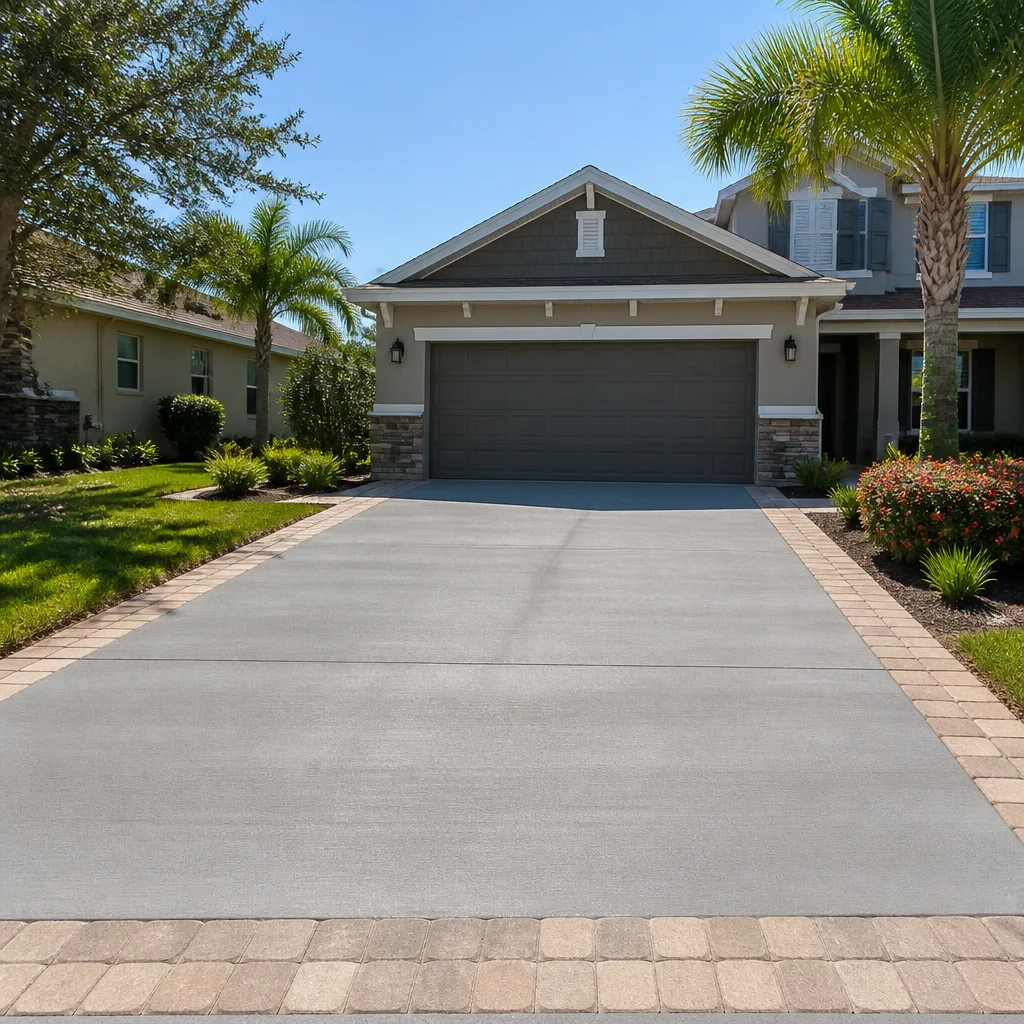
Here’s the part that catches most homeowners off guard: on a paver driveway, the crew working in your front yard is not the last step. After the pavers are set, the polymeric sand needs 24 to 72 hours of dry weather to cure before you can drive on it. In a Santa Rosa October, that cure window can turn into a week-long pause nobody warned you about. We’ve watched homeowners plan garage access around a “three-day job” that quietly stretched to nine days once weather and inspections entered the picture. This guide breaks the real timeline into its four honest phases so you know what each one depends on, which ones you control, and which ones nobody does.
Quick Answer
A driveway paver project in Santa Rosa typically takes 2 to 4 weeks from signed contract to drive-on-ready, and the work itself (excavation through installation) usually runs 5 to 10 working days for a standard two-car driveway. The rest of the calendar is eaten by permit approval, material lead time, and the dry-cure window for the sand. A complex job with drainage rework, a steep grade, or a special-order paver can push the full timeline to 5 or 6 weeks.
Styles & brands we work with
- Kitchen remodeling
- Bathroom remodeling
- Home additions & ADU
- Roofing
- Windows & doors
- Driveway & pavers
- Fence
Table of Contents
- The Four Phases of a Paver Driveway Timeline
- How Long Do Permits Take in Santa Rosa?
- Material Lead Times: Why Belgard and Techo-Bloc Aren’t Always on the Shelf
- The Weather Windows That Actually Matter
- What to Do in the Days Before the Crew Arrives
- Red Flags in a Contractor’s Timeline Estimate
- What Installation Day Actually Looks Like
- What a Paver Driveway Costs in Santa Rosa
The Four Phases of a Paver Driveway Timeline
Most contractors quote you a single number: “about a week.” That number is the labor part only. The full calendar has four phases, and two of them you don’t control. Here’s the honest breakdown for a typical Santa Rosa driveway.
- Permit approval – 3 to 10 business days. Santa Rosa and Sonoma County require a permit for new driveway aprons, changes to grade, and anything that touches the public right-of-way. Plan review is where the uncertainty lives. A clean application with a simple drainage plan moves fast; one that needs a grading detail or a stormwater note gets kicked back for revisions and adds a week.
- Material lead time – 3 days to 4 weeks. Standard colors and patterns that local suppliers stock move in days. Special-order Belgard or Techo-Bloc in a low-volume color can run 3 to 4 weeks from a Southern California distributor.
- Excavation and base – 2 to 4 working days. This is the phase that makes or breaks the driveway. Removing old asphalt or concrete, hauling it off, grading, and compacting the aggregate base in lifts. Saturated ground extends this phase because compaction can’t be done right when the soil is wet.
- Installation and cure – 3 to 6 working days plus 24 to 72 hours. Laying the pavers, cutting the edges, and sweeping in polymeric sand. Then the cure window before you park on it.
Add it up on a normal job and you’re looking at 2 to 4 weeks end to end. When people tell you their driveway “took forever,” they’re almost always describing the permit phase or a material delay, not the crew staring at the pavers.
How Long Do Permits Take in Santa Rosa?
In Santa Rosa’s current permit environment, a straightforward driveway permit with a clear drainage plan runs about one to two weeks from submittal to approval. Complicated or incomplete applications take longer, and that’s the honest answer.
Here’s what makes a permit slow down rather than speed up:
- Grade changes that affect runoff. Santa Rosa’s stormwater rules care about where water leaves your property. If your new driveway changes the drainage pattern toward a neighbor’s lot, expect a review comment and a revision.
- Work touching the public right-of-way. The apron where your driveway meets the street is city jurisdiction. That piece gets its own scrutiny and sometimes its own inspection.
- Missing or vague site plans. The most common cause of a two-week slip is a plan that doesn’t clearly show slopes, downspout locations, and where water goes. Inspectors aren’t being difficult; they’re reading a drawing that doesn’t tell them enough.
This is why we pull permits and get the drawings right the first time. The permit inspector works for you, not for the contractor. An approved permit and a signed inspection are the difference between a driveway that’s legal and one that a future buyer’s inspector flags during a home sale. If a contractor tells you permits are optional on a driveway, ask yourself what else they’re skipping. You can read more about how we handle driveway & pavers in Santa Rosa on our service page.
Material Lead Times: Why Belgard and Techo-Bloc Aren’t Always on the Shelf
The pavers you fall in love with in a showroom photo may not be sitting in a Santa Rosa yard. Material availability is the second phase nobody controls, and it’s a real source of timeline creep. In our experience, here’s how it breaks down.
- In-stock, locally available: Common Belgard patterns in popular colorways and standard Techo-Bloc blends often ship within a few days from regional suppliers.
- Stocked but limited quantity: A popular color in a pattern that suddenly everyone wants can sell out. We call the supplier before quoting you a start date for exactly this reason.
- Special order: A low-volume color, a custom size, or a newer Techo-Bloc line can ship from a Southern California distributor with a 3 to 4 week lead time. That lead time is real and it starts when the order is placed, not when you sign.
We carry premium brands so you’re not guessing at some mystery product off a van, but “premium” and “instantly available” aren’t the same thing. When we quote a start date, we’ve already checked the supplier, not assumed. If you’re also planning fencing around the driveway, fence installation in Santa Rosa can be sequenced at the same time so you’re not tearing up the yard twice.
The Weather Windows That Actually Matter
Weather affects a paver driveway more than most homeowners expect, and the reason is base compaction. The aggregate base under the pavers is what carries the weight of your car. It only compacts correctly when the soil beneath it is at the right moisture level. Do it in saturated ground and you get a base that settles and a driveway that ruts within a season.
So the phases split this way:
- Excavation and base: Wants dry ground. A heavy rain event mid-excavation can pause the job for days while the subgrade dries. Winter is when Santa Rosa projects slow down for this reason, not because crews are lazy but because you can’t compact mud.
- Installation: Can proceed in cool, dry conditions. Light mist is usually fine once the base is in.
- Cure: Polymeric sand needs 24 to 72 hours of dry weather before traffic. Rain during the cure window can wash sand out of the joints and force a re-sweep.
In Santa Rosa, the sweet spot runs roughly April through October. A fall project is doable, but we plan it with a weather eye and set expectations about potential pauses. If a contractor promises you a rain-proof winter driveway schedule, ask how they’re handling saturated subgrade. There’s usually no good answer.
What to Do in the Days Before the Crew Arrives
You can lose a day of the schedule before anyone touches a shovel. A little homework on your end keeps the crew moving on Day 1.
- Plan where the cars go. A driveway project means no driveway for several days. Clear a spot on the street, in the garage, or at a neighbor’s. Don’t assume the parking happens on its own.
- Know your utility lines. Call 811 before excavation, and locate any private lines like irrigation, septic, or landscape lighting. If a line is hit, everything stops while it’s repaired.
- Move what’s in the way. Planters, potted trees, hoses, and anything near the work zone should be out of the way the night before.
- Talk to the neighbors. Staging equipment and a dumpster or debris pile often touches the street edge. A heads-up goes a long way, especially in the smaller communities around Santa Rosa where everyone knows everyone.
- Clear garage access. If the crew needs to run power or stock materials near the garage, make sure the path is open.
Do these and Day 1 starts with excavation, not with you hunting for the hose shutoff valve while the crew waits.
Red Flags in a Contractor’s Timeline Estimate
A schedule that sounds too tight probably is. Here’s what to watch for when a contractor quotes you a timeline.
- “We can start Monday” with no permit mention. That sometimes means they’re planning to skip the permit. Permits take time. A contractor who can start immediately on a driveway that needs one is either telling you permits are optional or hasn’t checked.
- A week, flat, for everything. If excavation, base, installation, and cure are collapsed into a single number, someone is leaving out weather or cure time. Ask them to break it out by phase.
- No material availability check. If they haven’t called the supplier, the start date is a guess. Ask which paver brand and color they’ve confirmed in stock.
- Vague change-order language. A timeline assumes a scope. An allowance that isn’t on paper is a surprise waiting for a date. Insist on a written scope with allowances spelled out before the schedule means anything.
- No mention of cure time. If they tell you to park on it the same evening, ask what the sand manufacturer says. The cure window is real.
We write the scope, the allowances, and the change orders down before work starts, so the timeline has something solid to sit on. If a scope change comes up mid-job, the price and any schedule impact arrive in writing before anyone moves a paver.
What Installation Day Actually Looks Like
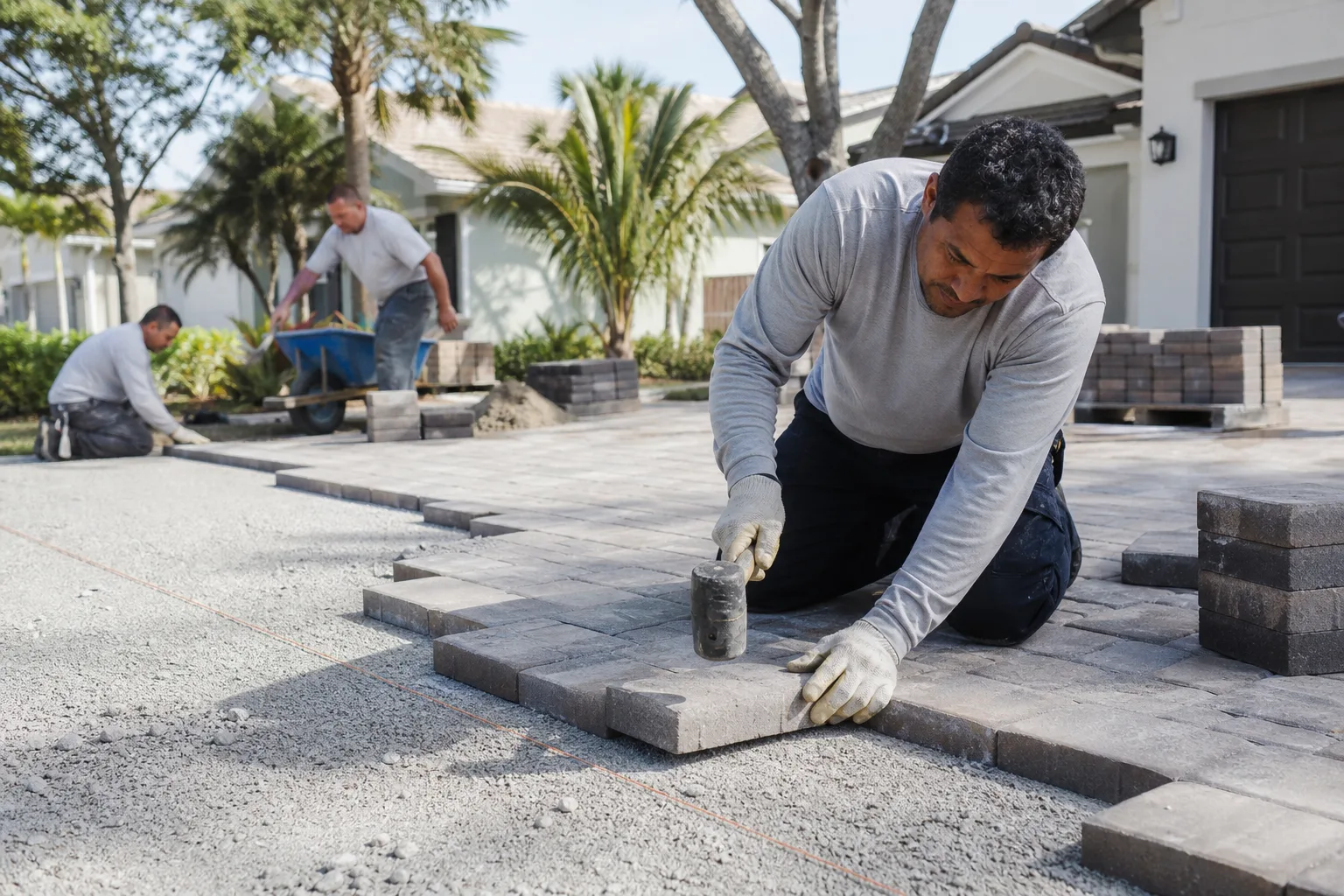
Once the base is down and compacted, the installation phase is the visible part. For a standard two-car Santa Rosa driveway, plan on 3 to 6 working days from first paver to final sweep, depending on complexity and cuts.
- Setting the edge restraint and screeding the bedding sand. The pavers sit on a thin, level bed of sand over the base. Screeding is the step that keeps the surface flat.
- Laying the pavers. The pattern goes in, courses run true, and every paver is set tight.
- Cutting the borders and edges. Angles, curves, and tight spots get cut to fit. This is where a driveway looks sharp or looks rushed.
- Compacting. A plate compactor seats the pavers into the bedding sand and locks the surface.
- Sweeping in polymeric sand. Sand goes into the joints, gets misted, and then cures over 24 to 72 hours. This is the phase that can stretch on a wet week.
Complexity adds days. A steep grade, a drainage swale, an apron rework, or a lot of intricate cutting all push the count toward the higher end. Flat, simple driveways run faster.
What a Paver Driveway Costs in Santa Rosa
Pricing and timeline travel together, so here’s a realistic look at what a driveway project runs in the Santa Rosa market. These are ranges, and every job gets a free written estimate before anything is quoted firm.
- Standard concrete paver driveway, two-car: roughly $12 to $18 per square foot installed, including demolition, base, pavers, and polymeric sand.
- Premium Belgard or Techo-Bloc with a custom pattern: roughly $18 to $26 per square foot installed.
- Drainage rework or a drainage swale: add roughly $1,500 to $4,500 depending on the run and the tie-in to existing stormwater handling.
- Apron work touching the public right-of-way: add roughly $800 to $2,500 plus the permit.
- Permit: typically a few hundred dollars, less than most homeowners expect.
A typical two-car driveway lands somewhere between $10,000 and $22,000 depending on size, pattern, and how much base work the site needs. We give you a written line-item estimate so you can see where every dollar goes, plus a free second opinion on any written estimate you already have. Our permanent 10% Senior & Veteran discount applies.
Common Mistakes to Avoid
- Booking around a start date you didn’t verify. If the material isn’t confirmed in stock, the start date is a wish. Ask for the supplier confirmation before you move your cars.
- Skipping the permit because someone said it’s optional. In Santa Rosa, driveway work touching grade or right-of-way often needs one, and an unpermitted driveway can surface during a home sale. The permit inspector works for you, not for the contractor.
- Compacting the base in wet ground. It’s the single most common reason a paver driveway ruts within a season. If the ground is saturated, wait for a dry window.
- Parking on it too soon. The polymeric sand needs its cure window. Driving on it early washes sand out of the joints and forces a re-sweep.
- No parking plan for the project days. Families in Santa Rosa who live on cul-de-sacs or narrow streets need to sort street parking a week ahead, not the morning of.
- Not sequencing fence and landscape work. Doing the driveway and then tearing it up again for fence posts wastes days and hauling. Sequence them together.
- Accepting a verbal scope. A timeline and a price are only as good as the written scope underneath them. Get it in writing, allowances included.
See the difference
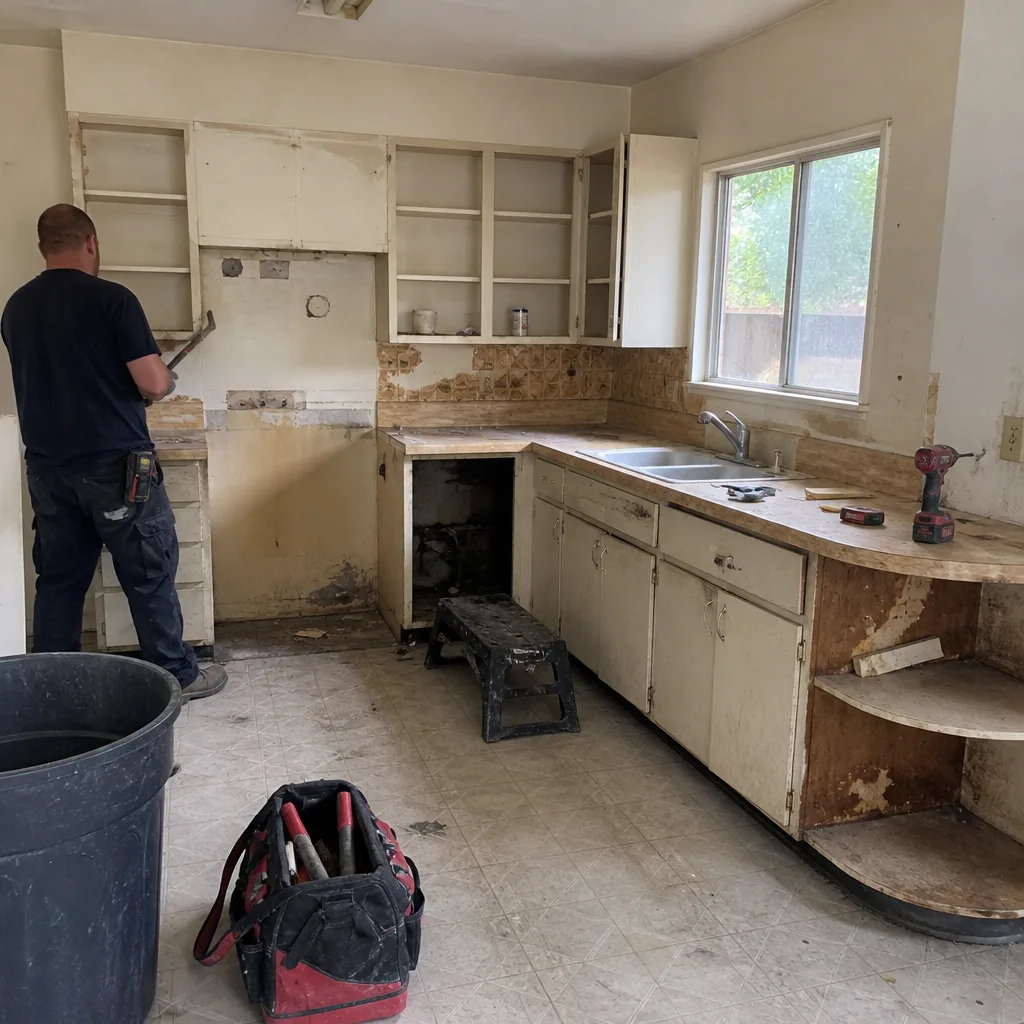 Before
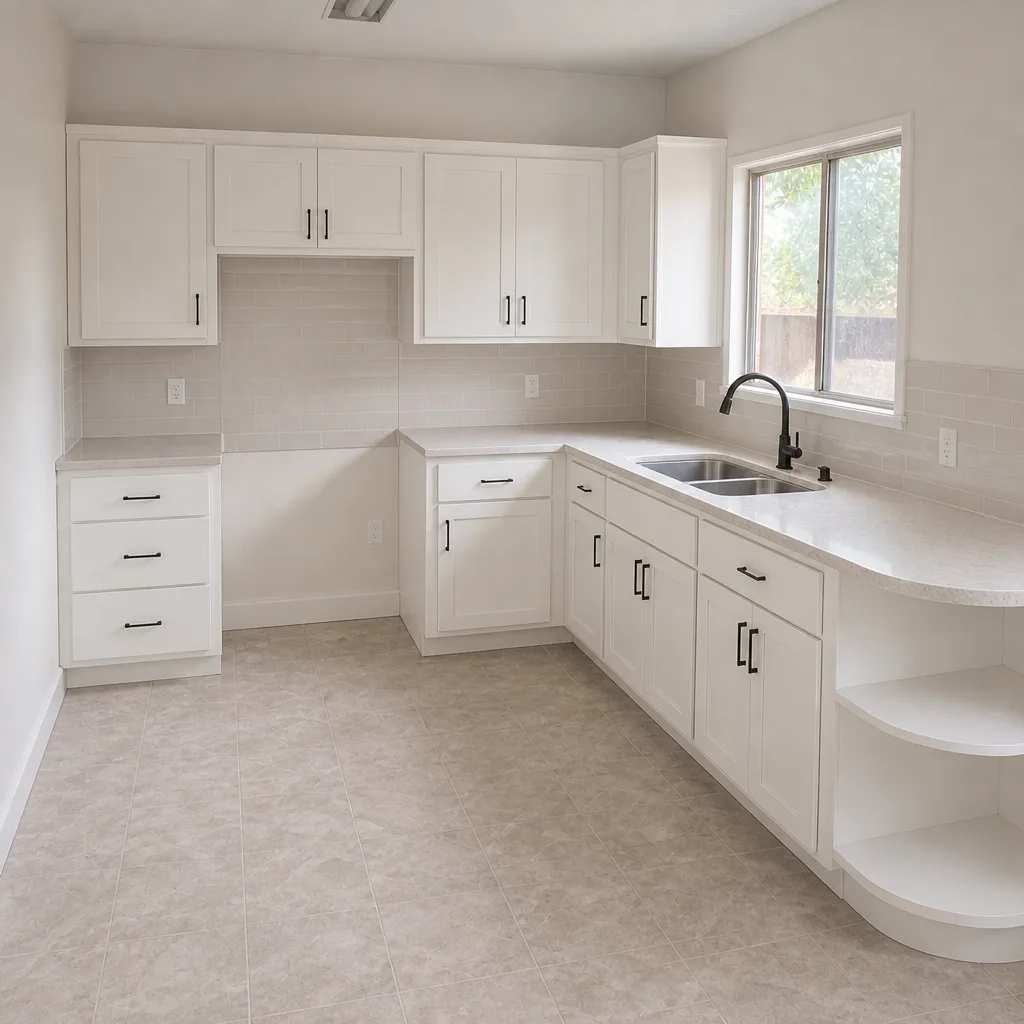 After
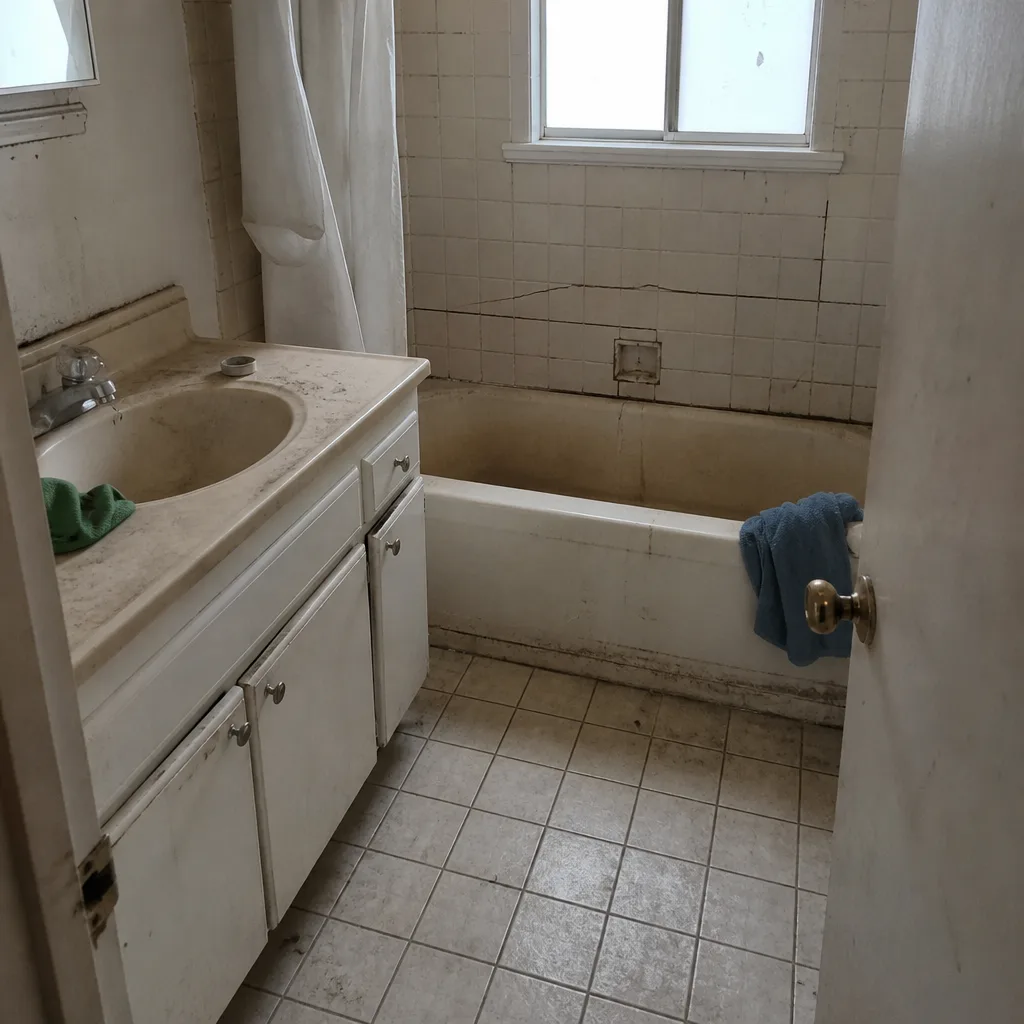 Before
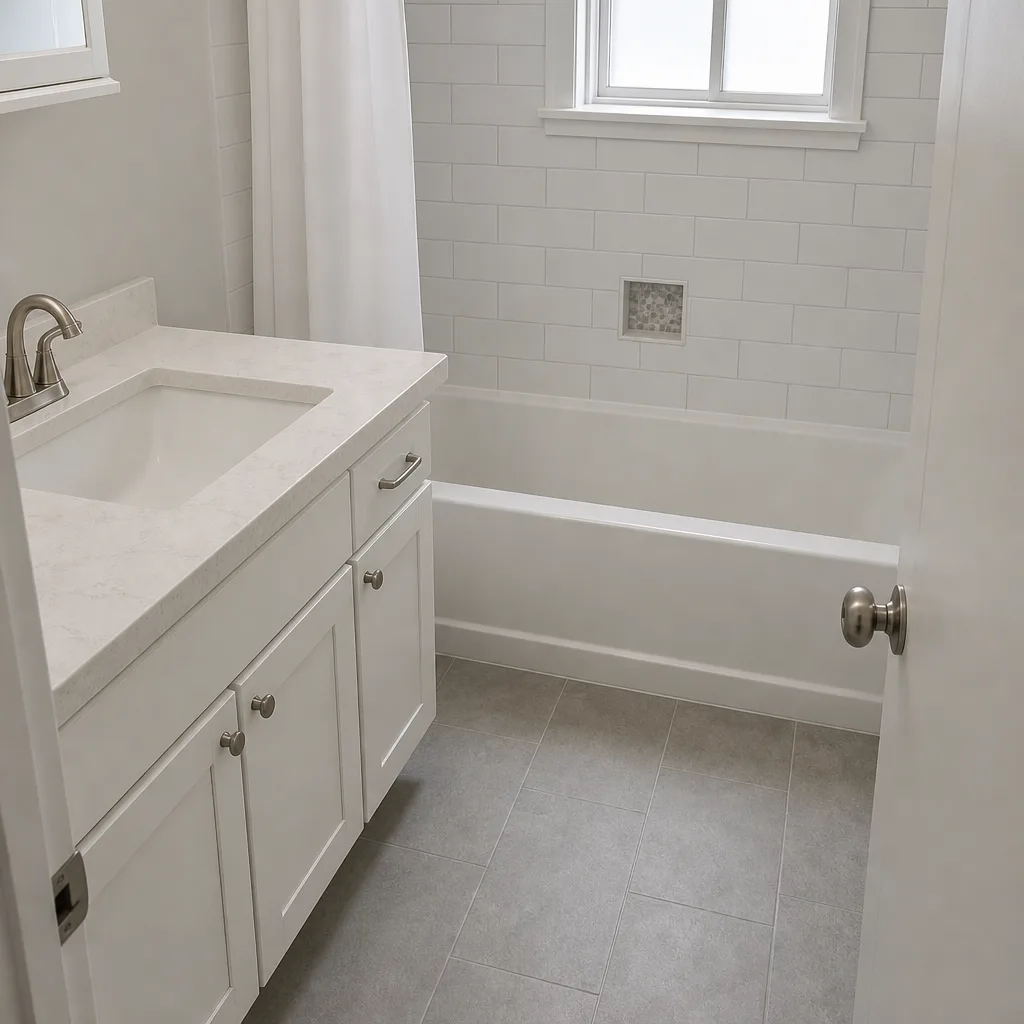 After
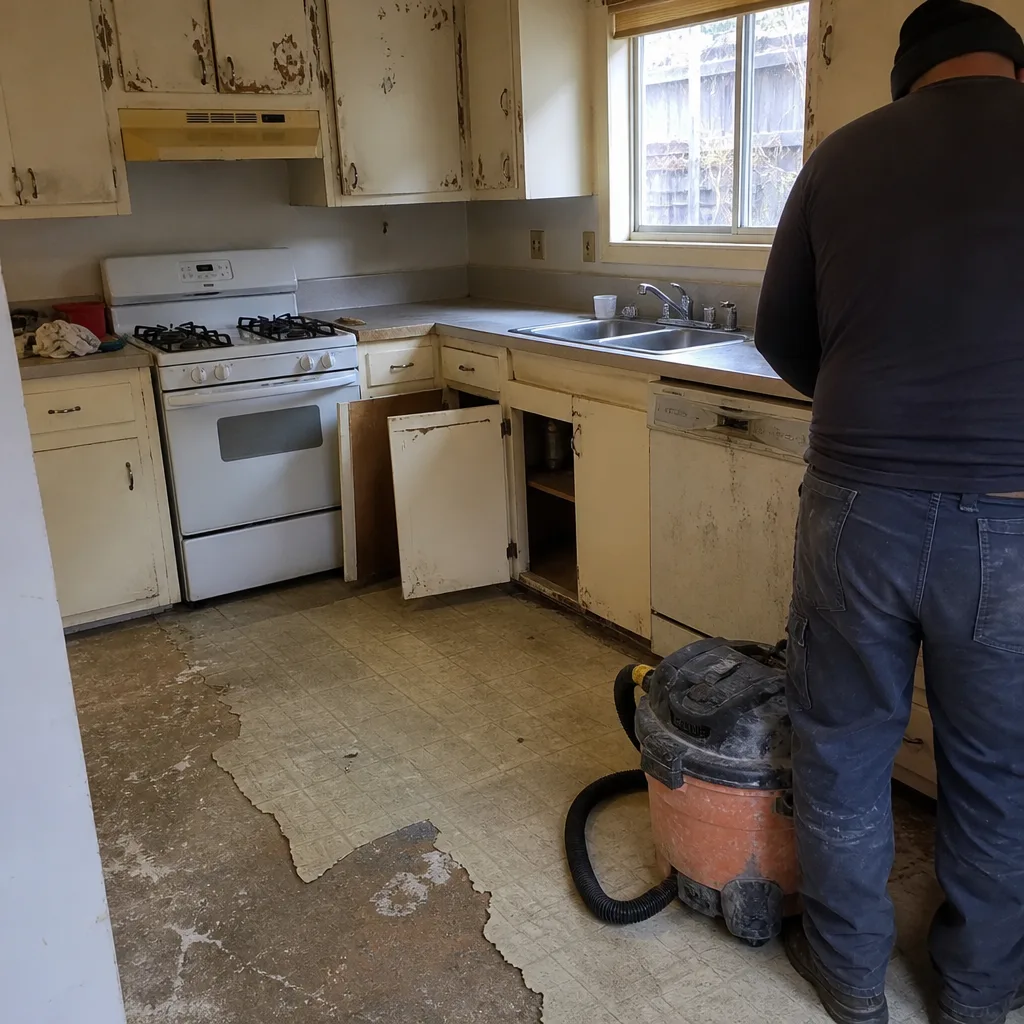 Before
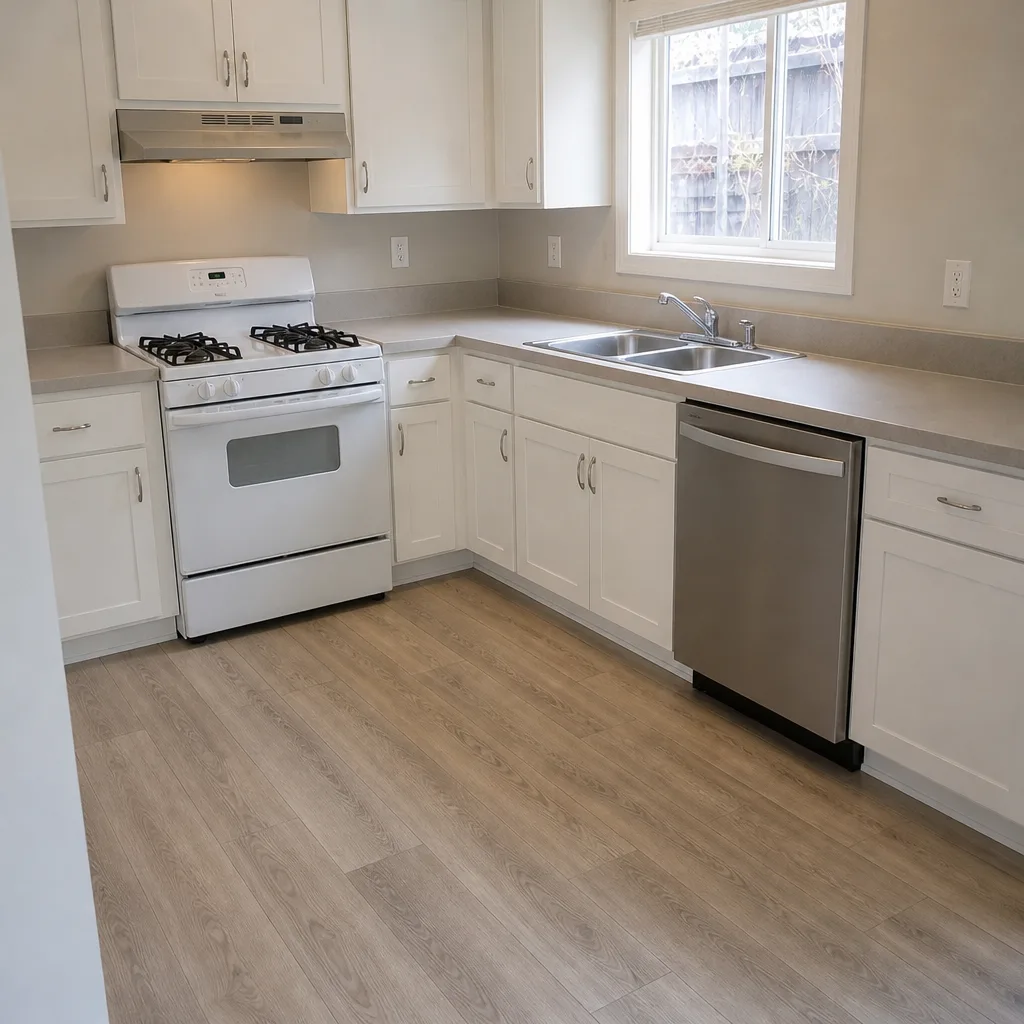 After
When to Call a Professional
Some driveway jobs are genuinely a phone call away from being worth it. If you’re changing grade, reworking drainage, tying into the public right-of-way, or replacing failed base under an old driveway, this is professional work. The base under a driveway carries the weight of every vehicle that will ever park on it, and getting it wrong is expensive to fix. A saturated subgrade that compacts poorly, a permit application that needs a proper drainage plan, or a paver pattern with a lot of cutting all benefit from an experienced crew. Barrett & Sons Construction Santa Rosa offers free estimates in Santa Rosa – call (866) 864-4083 to schedule yours. We give you a written line-item estimate, pull the permits, and back the work with our 90-Day Done Right Promise.
Frequently Asked Questions
Plan on 2 to 4 weeks from signed contract to drive-on-ready, with 5 to 10 working days of actual installation for a standard two-car driveway. The rest of the calendar covers permit approval, material lead time, and the dry-cure window. Call (866) 864-4083 for an exact timeline based on your driveway and paver choice – estimates are free.
Usually yes, if you’re changing grade, replacing the apron, or touching the public right-of-way. Simple patio-style work may not need one, but driveway work that affects drainage typically does. We pull permits and get inspections signed on every eligible job. Call (866) 864-4083 and we’ll tell you what your project needs before you commit.
No. The polymeric sand needs 24 to 72 hours of dry weather to cure before traffic. Driving on it early washes sand out of the joints and forces a re-sweep. Foot traffic is usually fine sooner; vehicles wait. Call (866) 864-4083 to get the exact cure window for your chosen paver.
April through October is the reliable window, mostly because excavation and base compaction want dry ground. Winter projects are doable, but plan for weather pauses. Call (866) 864-4083 to schedule around a dry window – the free estimate includes a realistic seasonal timeline.
Not without a written change order. Every scope change and allowance adjustment comes to you in writing before any work proceeds. No surprise invoices at the end. Call (866) 864-4083 for a free written estimate and a second opinion on any estimate you already have.
Standard concrete pavers run roughly $12 to $18 per square foot installed, and premium Belgard or Techo-Bloc with a custom pattern runs roughly $18 to $26 per square foot. A typical two-car driveway lands between $10,000 and $22,000. Call (866) 864-4083 for a free line-item estimate.
The Bottom Line
A paver driveway in Santa Rosa is a 2- to 4-week project, and most of that isn’t the crew laying pavers. The honest timeline breaks into four phases: permit approval, material lead time, excavation and base, then installation and cure. Two of those phases depend on weather and inspection scheduling no one controls. The best thing you can do is get a written scope, confirm material availability, and plan around dry ground. If you’re also considering home additions & ADU in Santa Rosa, the driveway is worth sequencing early. Start from our Barrett & Sons Construction Santa Rosa home page to see how we work.
Get a Free Estimate in Santa Rosa
We’ve been building in this community since 1998, and we’ve seen what happens when a timeline gets promised before the base work and the weather are actually checked. Call (866) 864-4083 to schedule your free estimate. You’ll get a written line-item quote, a real timeline by phase, permits pulled, and our 90-Day Done Right Promise on the work. A live person answers the phone. Ask us anything.
Written by the team at Barrett & Sons Construction Santa Rosa.