Last updated November 18, 2026
Free written scope consultation - allowances, timeline, and change-order rules on paper before a single trade is scheduled
DIY vs Professional Bathroom Remodeling: What’s Safe to Do Yourself
The most expensive DIY bathroom mistake in Sonoma County isn’t a botched tile job. It’s unpermitted electrical or plumbing that a future buyer’s inspector finds and forces you to tear out. We’ve watched Santa Rosa homeowners spend $9,000 on a self-installed shower only to rip out the pan, the drain, and half the wall because the rough-in never got signed off. The question isn’t really “can I do this myself.” It’s which parts you can do without voiding permits, failing inspections, or creating headaches for the licensed contractor who follows you. This guide draws that line honestly, trade by trade, and tells you where sweat equity actually pays and where it quietly costs you.
Quick Answer
You can safely handle demolition, painting, finish tile over a properly prepared substrate, hardware swaps, vanity installation, and accessory work yourself. You should not touch drain line relocation, new electrical circuits, waterproofing membranes, gas lines, or structural changes. In Santa Rosa, most of those “don’t” items require a permit and licensed trades by California law, and DIY work often voids the warranties of any contractor who touches the job later.
Styles & brands we work with
- Kitchen remodeling
- Bathroom remodeling
- Home additions & ADU
- Roofing
- Windows & doors
- Driveway & pavers
- Fence
Table of Contents
- Where the DIY Line Actually Falls
- Homeowner-Friendly Trades: What You Can Do Yourself
- Trades You Should Never DIY in a Bathroom
- California Permit Triggers: What Requires a Licensed Contractor in Santa Rosa
- The Sequencing Trap: How DIY Demo Can Void a Contractor’s Warranty
- How Partial DIY Affects a Contractor’s Fixed Bid
- The Real Cost Math: Sweat Equity vs. Contractor Efficiency
- What to Disclose Upfront to Get an Accurate Quote
Where the DIY Line Actually Falls
The line isn’t about difficulty. Plenty of able homeowners can lay tile. The line is about consequences: what happens if it’s wrong, who’s liable, and whether it’ll pass inspection down the road. A slightly crooked tile you’ll notice for twenty years. A shower pan that leaks into the subfloor? That’s a $12,000 problem discovered three years later by someone else.
Here’s the split that matters:
- Cosmetic work is almost always safe. Paint, trim, hardware, mirrors, towel bars, and (with care) floor tile over a sound substrate.
- Waterproofing and rough-in are almost never safe. Shower pans, membranes, drains, supply and drain lines, and electrical runs behind the wall. These fail invisibly and often won’t pass inspection.
- Anything behind a finished surface is expensive to fix later. If your finished wall has to come off to correct it, the labor cost dwarfs whatever you saved.
In Santa Rosa homes – especially the older bungalows in neighborhoods like Cherry Street and the Junior College area – we regularly see the wall behind the original tub contains galvanized supply lines past their useful life. That’s not a DIY line to cross. It’s the line where you call in a licensed plumber before the tile goes up.
Homeowner-Friendly Trades: What You Can Do Yourself
These trades pay the best in sweat equity, and they don’t create a warranty or inspection problem downstream. If you’re planning a bathroom remodel in Santa Rosa and you want to keep costs down, this is where to spend your weekends.
1. Demolition (with rules)
Tearing out the old vanity, toilet, tub, and tile is genuinely doable. But before swinging a sledge, confirm the water is shut off, the electrical is off at the panel, and you know what’s behind the wall. If you find asbestos-era materials (common in pre-1980 Santa Rosa homes), stop and call an abatement pro.
2. Painting
Bathroom paint fails fast in Sonoma County’s damp winters if you get it wrong. Use a bathroom-grade semi-gloss or satin and prime first. This is one of the highest-return DIY projects on the whole job.
3. Finish tile over a prepared substrate
Laying floor tile over cement backer board that someone else installed and waterproofed is a real DIY job. Setting tile on a shower wall over a membrane you installed? That’s where things go sideways. Floor tile is forgiving; a shower wall isn’t.
4. Vanity and hardware installation
Swapping a vanity, replacing a faucet on existing supply and drain lines, hanging a mirror, installing towel bars and a showerhead. All genuinely doable. But if the new vanity requires moving the drain stub-out, that crosses into the plumbing permit territory below.
5. Accessories and trim
Baseboard, door casings, exhaust fan grilles, a new toilet on an existing flange (if the wax ring is set right). Nothing here fails an inspection or voids a warranty.
Trades You Should Never DIY in a Bathroom
These are the trades where a mistake is invisible until it isn’t, and where the fix usually means undoing work you’ve already paid for.
- Shower pan and waterproofing membrane. One pinhole in the liner and the pan leaks for years before you notice the subfloor soft underfoot. Membranes have specific slope, thickness, and seam requirements that fail silently.
- Drain line relocation. Adding a drain for a freestanding tub or moving a toilet stack requires cutting into the drain system, setting the correct slope (a quarter inch per foot, minimum), and passing rough-in inspection. That’s a permit item.
- New electrical circuits, GFCI changes, or in-wall lighting. Bathrooms require GFCI protection for all receptacles and specific placement relative to water sources. Wires inside wet walls need to be right the first time.
- Gas lines for a gas fireplace or heater. Obvious to most people, but still worth saying. Gas is a licensed trade, period.
- Structural changes. Removing a wall, moving a window, enlarging a bathroom by bumping into a closet. Any of that needs engineering and a permit.
- Wet-wall or subfloor repairs. If the deck is rotten, you’re already past cosmetic. That has to be rebuilt right before new tile goes down.
We’ve seen the aftermath in Santa Rosa more times than we’d like: a homeowner’s DIY shower pan that looked fine for two years, then one day the kitchen ceiling below starts sagging. The repair cost – new pan, new backer, new tile, drywall below – ran three times what a licensed rough-in would have cost upfront.
California Permit Triggers: What Requires a Licensed Contractor in Santa Rosa
California building code differs from the rest of the country in ways that catch homeowners by surprise. Here’s what triggers a permit in Santa Rosa specifically, and what requires a licensed tradesperson to perform or sign off.
Permit-required work in Santa Rosa:
- Moving or adding plumbing fixtures (drains, supply lines, gas)
- Adding or extending electrical circuits, moving outlets, adding lighting within the wet area
- Any structural change – removing walls, widening doorways, changing window sizes
- Replacing or adding a shower pan and any associated waterproofing that touches the framing
- Adding ventilation (new exhaust fans tied to exterior)
Work that requires a licensed contractor by law (not just a permit):
- Electrical beyond swapping an existing fixture (California Business & Professions Code limits unlicensed electrical work)
- Plumbing beyond like-for-like fixture swaps
- Gas line work, period
- Structural work above certain thresholds
What you can do without a permit: painting, tile over an approved substrate, finish carpentry, hardware, cosmetic vanity swaps (like-for-like location), and accessory installation. If you’re working with a contractor on the licensed portions, they pull the permits and inspect-signed on every job. The permit inspector works for you, not for the contractor, and every Santa Rosa building inspector would rather catch a problem pre-tile than post.
The Sequencing Trap: How DIY Demo Can Void a Contractor’s Warranty
This is where we see the most expensive mistake, and it’s not about skill. It’s about sequencing. A homeowner decides to save money by doing the demo themselves, hires a contractor for the rough-in, then decides to hang the tile too, and calls the contractor back to do the trim.
That sequence almost always voids the contractor’s workmanship warranty. Here’s why. When a contractor does a rough-in (rough plumbing, rough electrical, and waterproofing), they sign their name to the substrate as it was when they left it. If someone else removes backer, drills a hole, or installs tile over a membrane the contractor didn’t see installed correctly, that contractor can no longer stand behind the waterproofing.
The result is a warranty of silence. If the shower leaks a year later, the contractor points to the tile they didn’t set, and the homeowner has nobody to call. The 90-Day Done Right Promise any reputable contractor offers is contingent on the tile, membrane, and rough-in being under one contract, one crew, and one set of signatures.
If you want to do your own demo, do it before anyone arrives. Disclose it, get it in writing, and let the contractor start clean.
How Partial DIY Affects a Contractor’s Fixed Bid
The fastest way to turn a fixed bid into a scary range is to hand a contractor a job with mixed scopes. Here’s what happens behind the estimate.
What contractors do with a fully scoped job: measure, quote materials, price labor from comparable jobs, add a reasonable contingency, and hand you a number with a written scope and allowances on paper.
What they do with a mixed-DIY job: they add a contingency for the unknown. They can’t see the tile they didn’t install. They can’t vouch for the membrane they didn’t set. They don’t know whether the demo removed framing they’d need or left something they’d have to fix. The bid gets padded, and the price goes up quietly. That’s not gouging – it’s an honest contractor pricing the risk of work they can’t see.
In our experience in Santa Rosa, a homeowner who clearly delineates the DIY scope upfront – demo only, painting only, hardware only – actually gets a cleaner bid than if they’d tried to negotiate it mid-job. The contractor knows what they own and what they don’t.
The Real Cost Math: Sweat Equity vs. Contractor Efficiency
Here’s the trade-off nobody puts in a spreadsheet. In a typical Santa Rosa bathroom remodel:
- DIY demo saves: roughly $800 to $1,500 in labor on a mid-size job.
- DIY painting saves: $400 to $900 (small bathroom, two coats).
- DIY floor tile saves: $600 to $1,800 in labor on 40 square feet of tile.
- DIY hardware and vanity swap saves: $200 to $500.
Total realistic DIY savings on a $20,000 bathroom: somewhere between $2,000 and $4,700, if nothing goes wrong.
Now the other side:
- DIY shower pan failure: $4,000 to $9,000 to correct (new pan, tile, subfloor, drywall below).
- DIY plumbing that fails inspection: $1,500 to $3,500 to redo, plus permit re-filing and a delay in the schedule.
- DIY electrical that won’t pass: $800 to $2,000 to correct, plus the risk of an unpermitted-work disclosure when you sell.
- Unpermitted work found at resale: $5,000 to $25,000, plus a buyer who’s now nervous about every other improvement on the property.
The math only favors DIY when it’s limited to the trades on the safe list. Once you cross into the “nope” list, you’re not saving money – you’re borrowing against future repairs at terrible interest rates.
What to Disclose Upfront to Get an Accurate Quote
If you’re planning a bathroom remodel in Santa Rosa and you want a fixed bid, not a range, tell the contractor everything upfront. It goes in the contract, on the schedule, and on the written scope.
- What you’re doing yourself and when. “I’m doing demo on May 12-13, before your crew arrives.” Put a date on it.
- Whether permits are already pulled. If you pulled a permit for your portion, hand over the number. The contractor’s own work still needs its permit, but the inspector needs to see the whole picture.
- What’s behind the current finishes. If you’ve already opened a wall, photograph it. If you haven’t, tell the contractor what year the home was built – a 1955 Santa Rosa ranch house has very different plumbing from a 1995 build.
- Any prior work in the bathroom. A previous DIY shower pan, a 15-year-old unpermitted electrical add – disclose it. The contractor will plan around it or price to fix it.
- Whether the new tile is over a substrate you installed. This is the big one. If yes, the contractor’s warranty likely won’t cover the tile portion.
- What materials are on hand. If you’ve already bought the vanity, the mirror, the tile, the fixtures, list them. Materials on hand change the allowance sheet and the schedule.
Get every scope, every allowance, and every price change in writing before any work happens. An allowance that isn’t on paper is a surprise waiting for a date. If you eventually hire a contractor for the licensed portions, this disclosure is what separates a clean fixed bid from a job that blows the budget in week two. For the bigger remodel picture, our Barrett & Sons Construction Santa Rosa home lays out the trades we handle. When a bathroom upgrade grows into a larger structural project, our Home Additions & ADU in Santa Rosa page walks through what those projects require.
Common Mistakes to Avoid
- Tiling a shower you waterproofed yourself. Even if the tile job is flawless, an unverified membrane behind it means the whole assembly carries no warranty. Skip this one.
- Pulling electrical inside a wet wall without inspection. Any electrical buried in a shower wall that isn’t inspected is a resale liability in Santa Rosa. Permits are cheap; failed disclosures aren’t.
- Doing demo after the contractor’s rough-in is done. This voids the workmanship warranty and hands the contractor a reason to walk away from any future problem. Do your demo first, and in writing.
- Skipping the permit because “the last contractor said it wasn’t needed.” We can’t count how many Santa Rosa bathrooms we’ve opened up where the last guy waved off a permit. It always, always comes back at resale or at inspection.
- Buying a freestanding tub before confirming the drain location. Changing the drain stub-out means a permit and a licensed plumber. Measure first, buy second.
- Installing tile over greenboard instead of cement backer. Greenboard isn’t approved as a tile substrate in wet areas, and Sonoma County’s damp winters find every shortcut. This is a job for the contractor.
- Mixing DIY and contractor work without a written scope. Verbal agreements about “who’s doing what” lead to invoices nobody expected and disagreements nobody wins.
See the difference
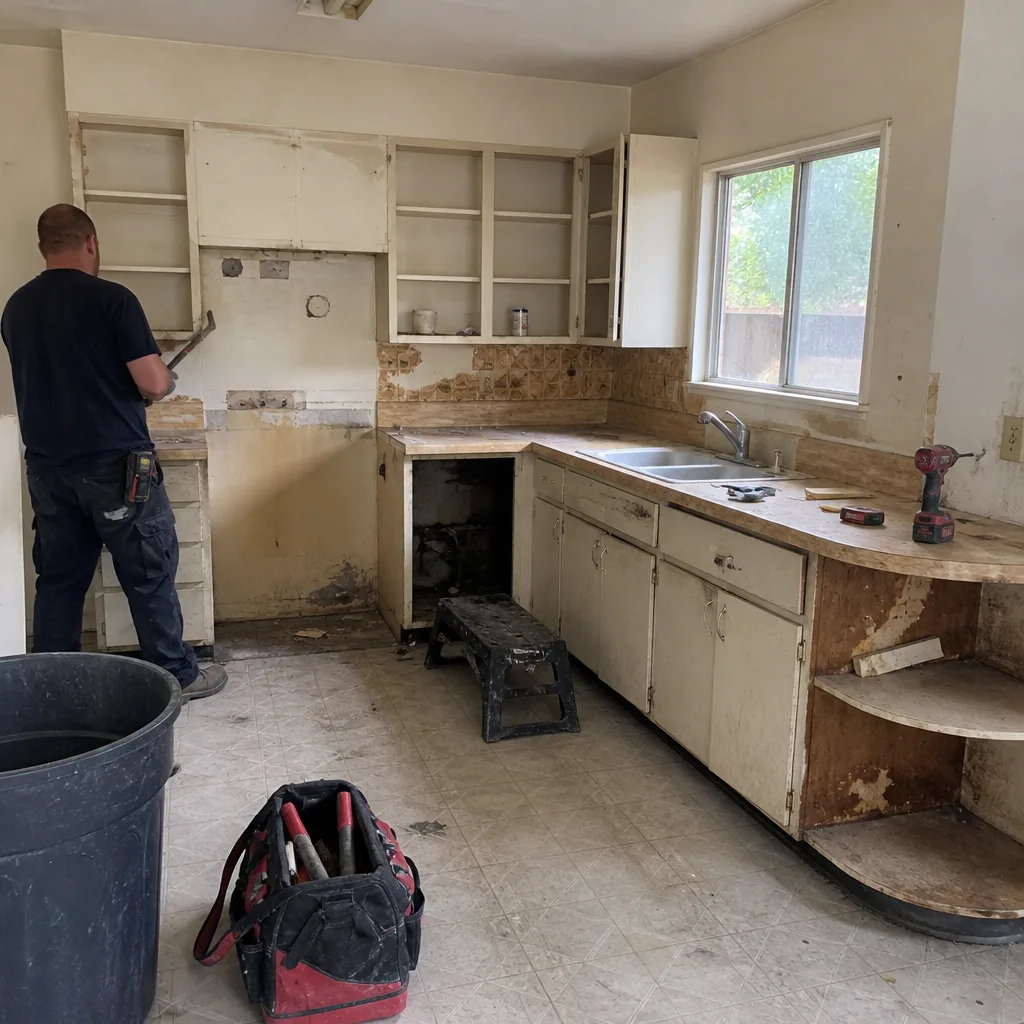 Before
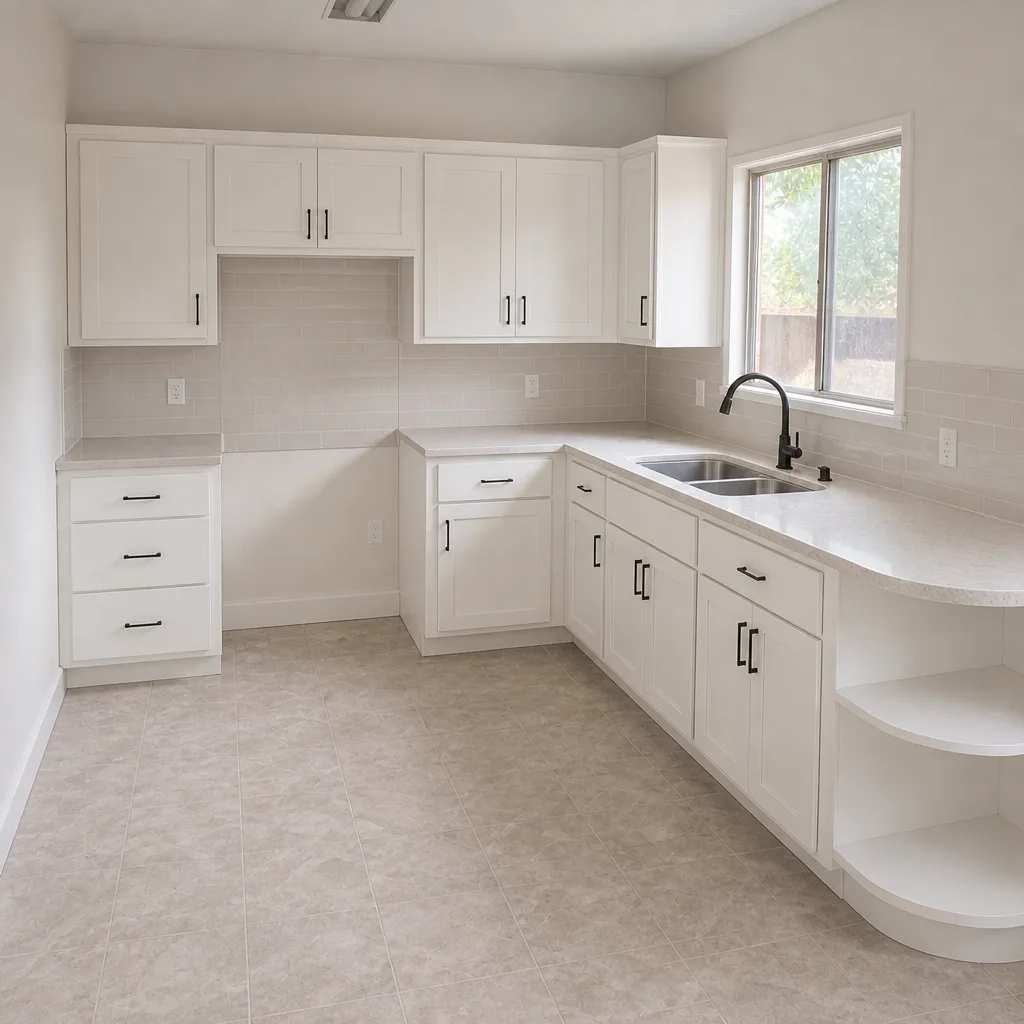 After
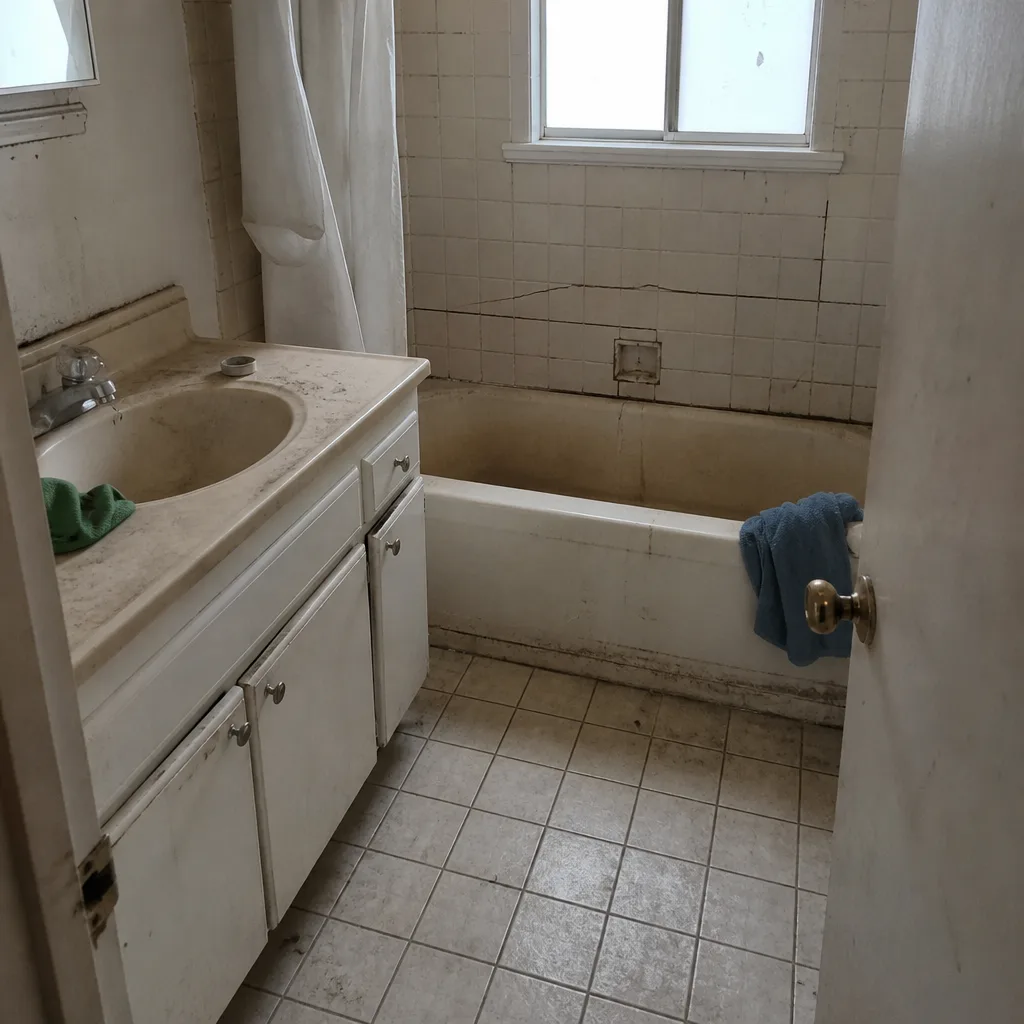 Before
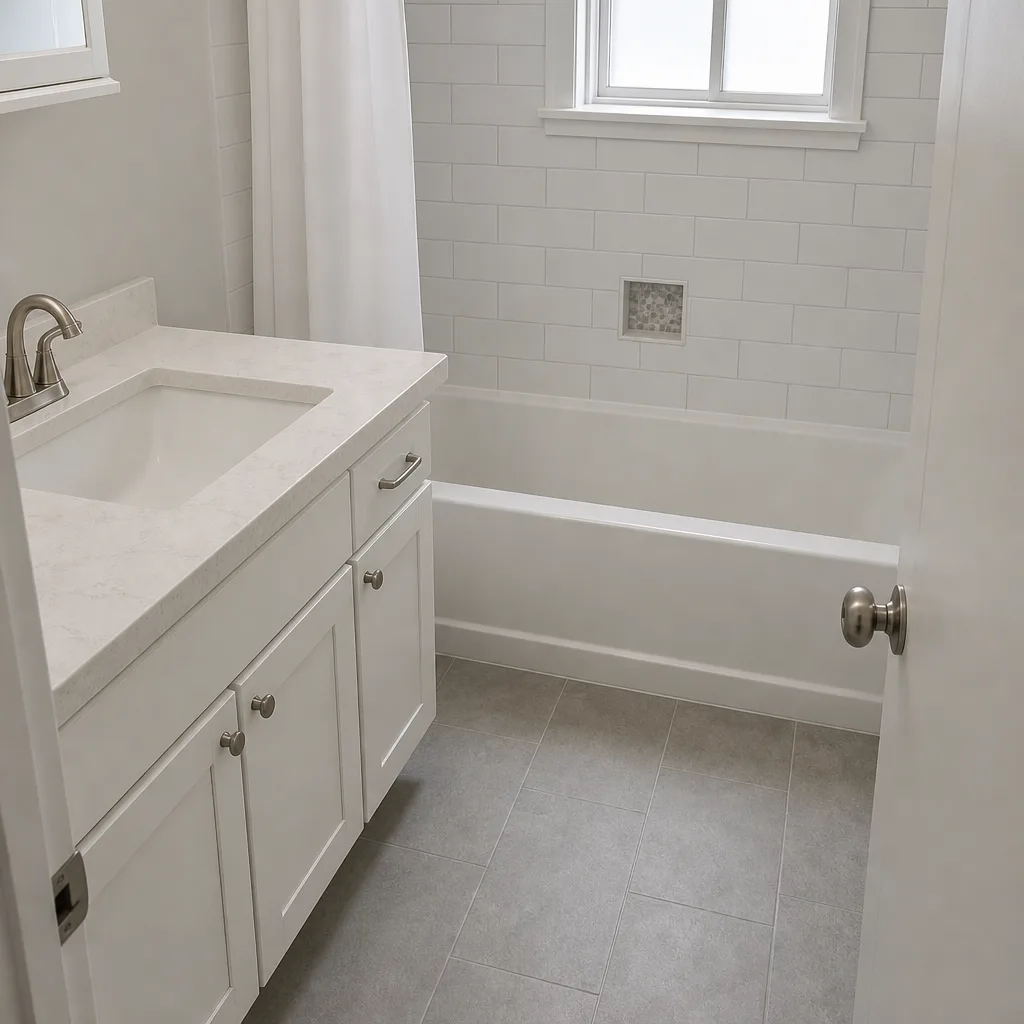 After
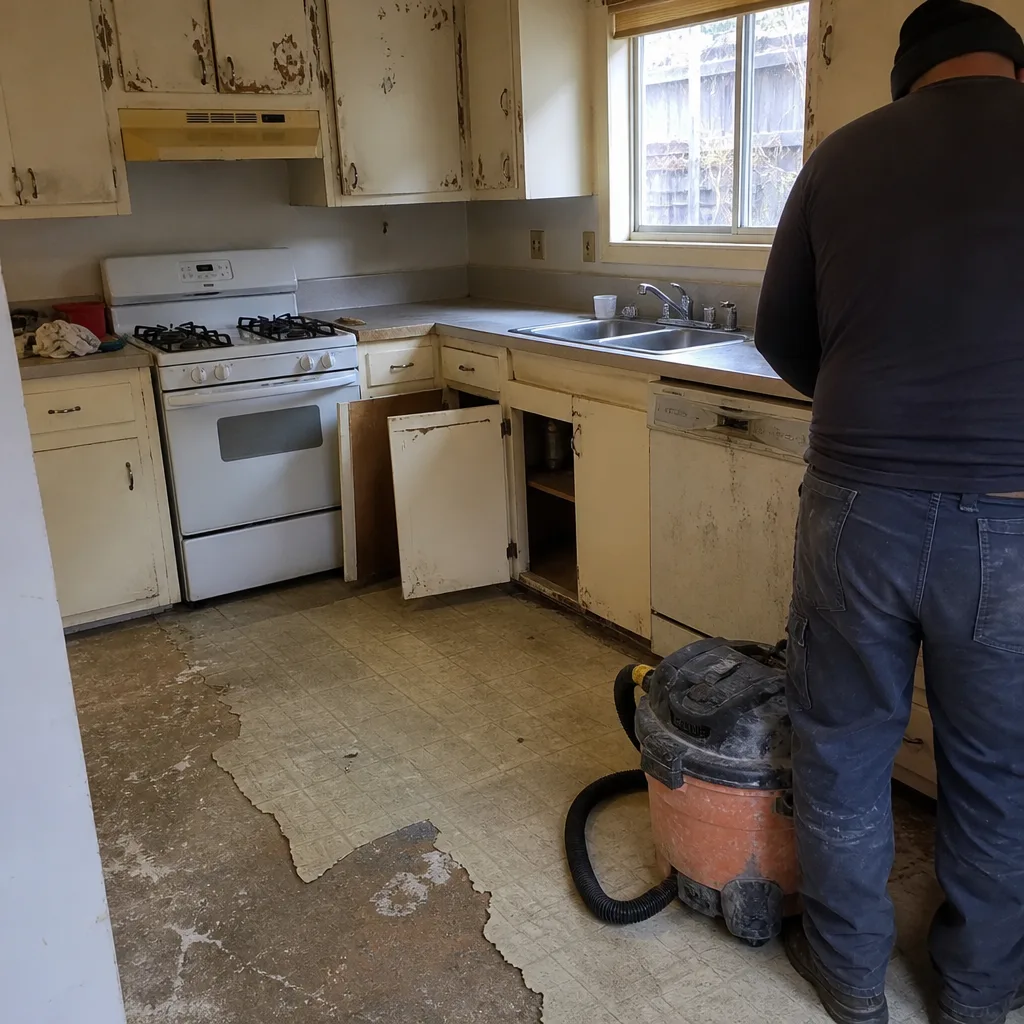 Before
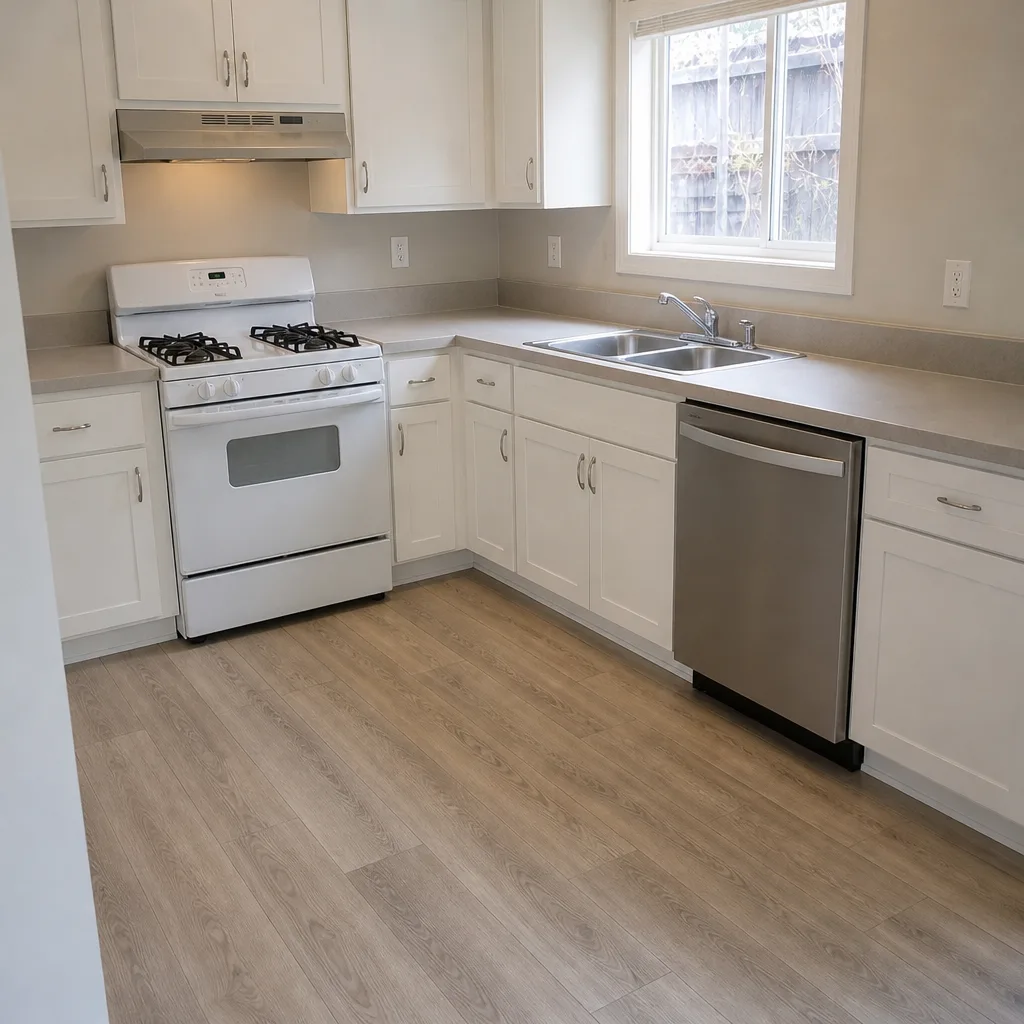 After
When to Call a Professional
Call a licensed professional when the work involves anything behind the finished surface, anything the city of Santa Rosa requires a permit for, or anything that could void a warranty. That means every drain and supply line change, every new electrical circuit, every shower pan and membrane, every structural change, and every gas line. It also includes any moment you find rot, asbestos, or a previous unpermitted install behind the wall. And if you’re planning to sell within five years, call a professional even for cosmetic work – the disclosure trail matters.
If you’re mixing DIY with contractor work, call before you start demo so the scope, sequencing, and warranty boundary can be written down. Barrett & Sons Construction Santa Rosa offers free estimates in Santa Rosa – call (866) 864-4083. We pull permits and sign inspections on every eligible job, and every price change comes as a written change order before work starts.
Frequently Asked Questions
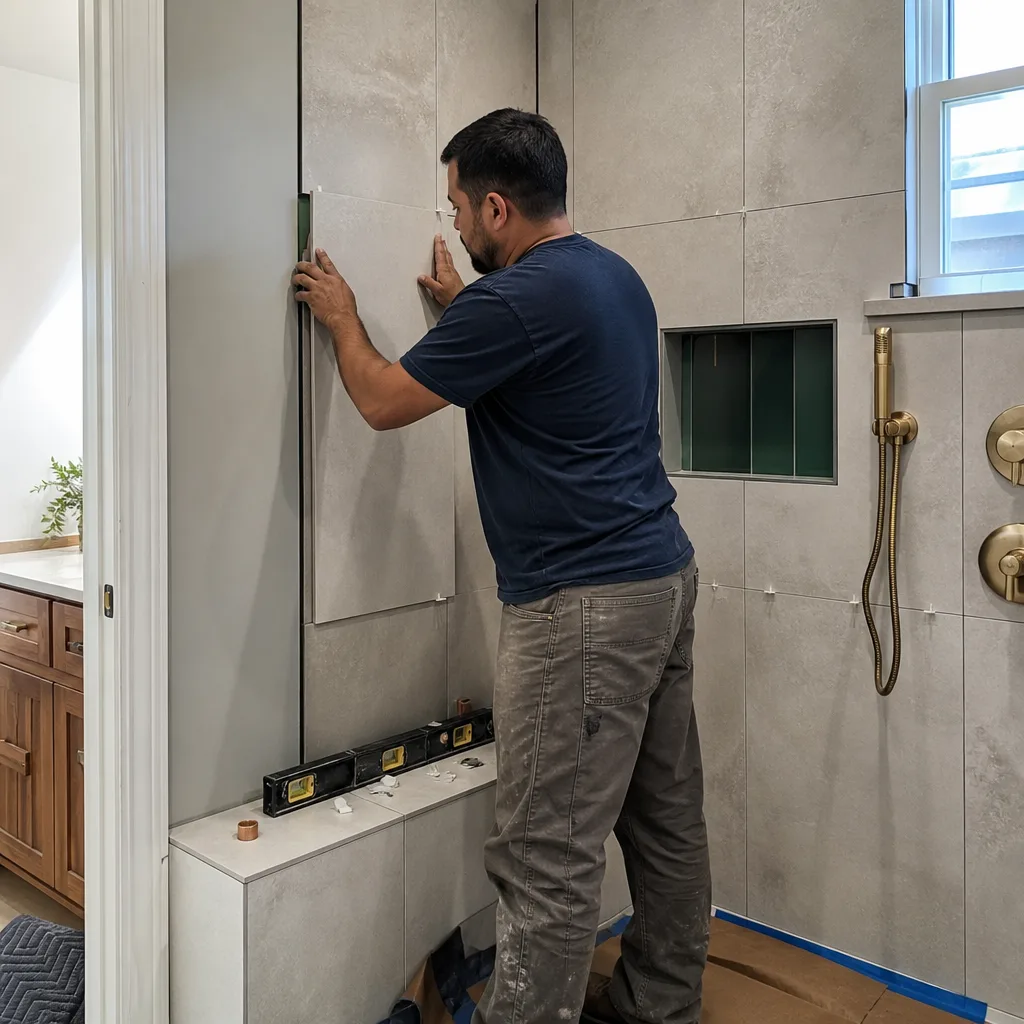
Yes, demo is a safe DIY trade, provided you’ve shut off water and power, confirmed there’s no asbestos in materials from pre-1980 homes, and disclosed the demo scope to any contractor you hire afterward. Do demo before the contractor arrives, not after the rough-in, so their workmanship warranty stays intact.
Any work that moves plumbing fixtures, adds or changes electrical circuits, touches structural framing, or replaces a shower pan requires a permit in Santa Rosa. Cosmetic work (paint, tile over an approved substrate, hardware, like-for-like vanity swaps) generally does not. If a contractor tells you permits are optional on a plumbing or electrical change, get a second opinion.
You can physically do it, but doing so typically voids the contractor’s waterproofing warranty. The contractor signed off on the membrane as it was when they left. Once you set tile over it, they can’t vouch for what happened next, and any future leak falls on you. Keep tile and rough-in under one contract to preserve the warranty.
Unpermitted work often surfaces at resale, when a buyer’s inspector catches it, or when a future permit pull discovers it on the property record. Santa Rosa homeowners have paid anywhere from $5,000 to $25,000 to correct unpermitted plumbing, electrical, and structural work discovered at sale. The original savings rarely survive the correction cost.
Yes, if you stick to the safe list. Realistic savings from DIY demo, painting, floor tile, and cosmetic work run $2,000 to $4,700 on a mid-range Santa Rosa bathroom. Once you cross into plumbing rough-in, electrical, waterproofing, or structural work, the potential cost of correction more than wipes out the savings.
Yes, if you disclose the DIY scope upfront in writing, including what you’re doing, when, and what you’ve already done. Contractors pad bids when they can’t see the work you did. A clear scope and a written change order policy is what keeps the bid fixed and the budget honest. Call (866) 864-4083 to schedule a free estimate and we’ll walk the scope with you.
When the project grows past the bathroom, our team also handles Driveway & Pavers in Santa Rosa and Fence Installation in Santa Rosa – both done with premium brands like Techo-Bloc and Tremron that you can look up yourself before you commit.
The Bottom Line
The DIY line in a Santa Rosa bathroom isn’t about skill. It’s about consequences. Demo, painting, floor tile over an approved substrate, hardware, and cosmetic vanity swaps are genuinely yours to do and can save $2,000 to $4,700 on a mid-range job. Drain lines, electrical circuits, shower pans, waterproofing, gas, and structural work are not yours to do – not because you couldn’t, but because unpermitted and unbonded work fails inspections, voids warranties, and comes back as a resale problem that costs more than the whole remodel. Draw the line honestly, disclose the scope in writing, and let the licensed portions stay under one contract with one crew and one set of signatures. That’s how the sweat equity pays off without the surprise invoice six months later.
Barrett & Sons Construction Santa Rosa brings up to 28 years of technician experience, premium brands across every trade, permits pulled and inspections signed on every eligible job, and written change orders before any scope change touches the work. The 90-Day Done Right Promise is on every contract, and a live person answers the phone 24 hours a day. Call (866) 864-4083 for a free estimate and a free second opinion on any written estimate you already have. If you’re in Santa Rosa and the bathroom is ready to plan, we’ll walk the scope with you before anything gets opened up.
Written by the team at Barrett & Sons Construction Santa Rosa.