Last updated November 18, 2026






Free written scope consultation - allowances, timeline, and change-order rules on paper before a single trade is scheduled
Home Additions & ADU Maintenance Schedule: What to Do and When
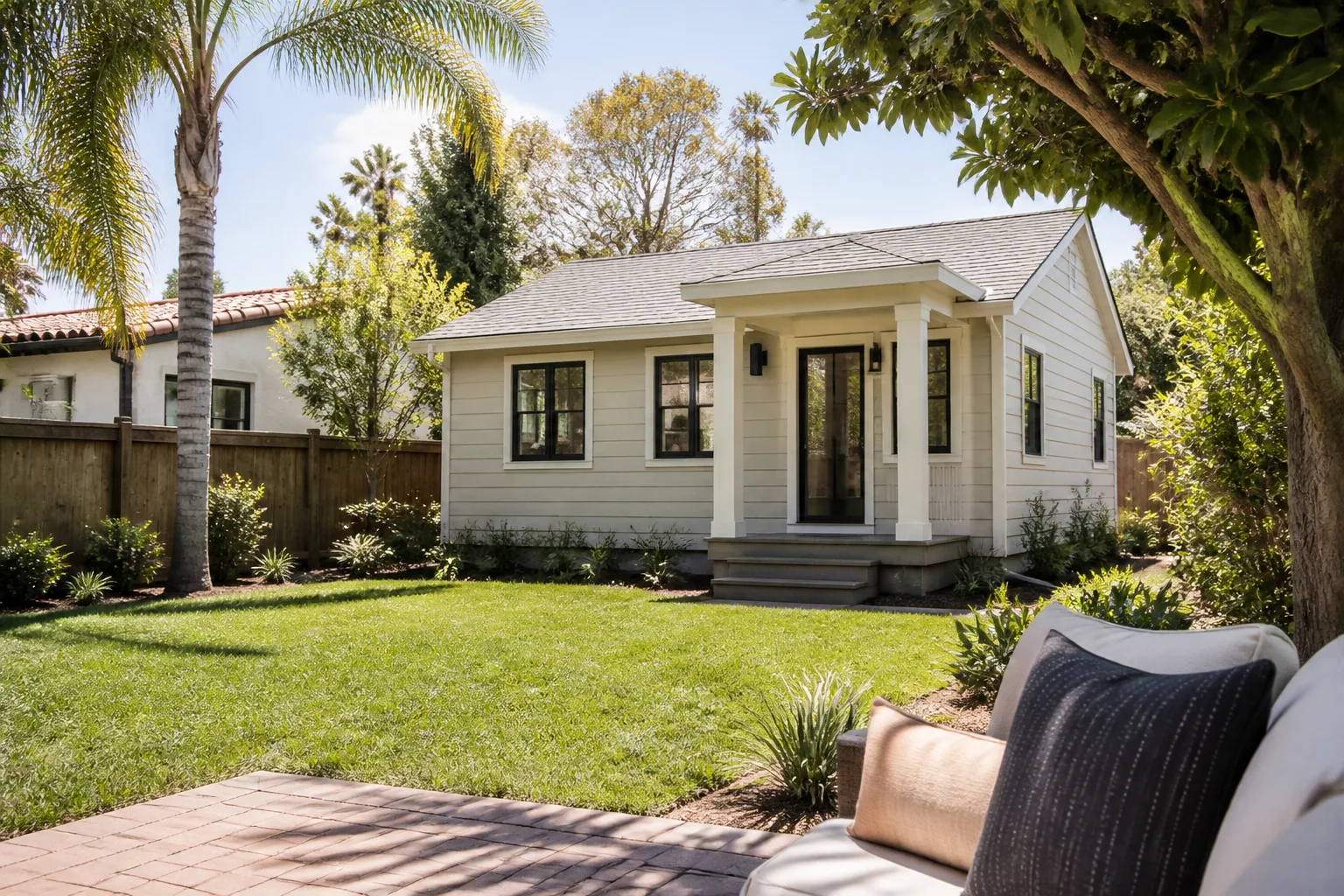
Most homeowners maintain the new part and forget the junction. The flashing where your 1960s roof meets your new addition roof is doing more work than any other square foot on that structure, and it needs eyes on it every single year. Here’s the counterintuitive part: the old-to-new seam fails faster than either structure alone because two rooflines, two foundations, and two wall assemblies move at different rates. In Santa Rosa, where summers run hot and dry and winters dump rain in concentrated bursts, that seam is the first place trouble shows. This guide walks you through what to check in year one, year three, and year five, and what stays on our side of the handoff.
Quick Answer
Check the transition zone between your addition or ADU and the original house once a year, every year, and inspect it closely at the one-year, three-year, and five-year marks when materials settle and cure. That means roof flashing, foundation tie-ins, siding seams, and plumbing connections. Everything inside the new unit follows normal maintenance, but the seam is the one thing standard homeowner checklists leave out. In Santa Rosa, that annual habit is what keeps a $180,000 addition from turning into a $12,000 water-damage repair.
Styles & brands we work with
- Kitchen remodeling
- Bathroom remodeling
- Home additions & ADU
- Roofing
- Windows & doors
- Driveway & pavers
- Fence
Table of Contents
- Why the Old-to-New Transition Zone Matters Most
- Year-One, Year-Three, and Year-Five Maintenance Milestones
- Santa Rosa Climate: What Heat and Rain Do to New Construction
- ADU-Specific Systems: Water Heaters, Mini-Splits, and Meters
- The Annual Inspection Walkthrough
- The 90-Day Done Right Promise: What We Cover and What You Own
- Seasonal Checklist for Santa Rosa Homeowners
Why the Old-to-New Transition Zone Matters Most
An addition or ADU is a new structure grafted onto an older one. The two parts move differently. The original house in a Santa Rosa neighborhood like Bennett Valley or Rincon Valley has been settling for decades; the new foundation is still finding its level. They don’t share the same thermal expansion, they don’t share the same moisture profile, and they don’t share the same lumber that’s still drying out. Four places absorb that difference, and every one of them is a water-entry candidate if you ignore it.
1. Roof Flashing
Where the new roofline meets the old wall or roof plane, valley flashing and step flashing are doing the hardest work on the whole structure. Any gap, lift, or failed sealant here lets water run behind siding and into framing. We’ve seen it in a Coddingtown-area addition where a single lifted step-flash rusted out a header inside four winters.
2. Foundation Tie-Ins
The seam where two foundations meet is also where two drainage planes meet. Look for cracks wider than a hairline, efflorescence (that white chalky staining), or soil that’s settled away from the new slab. If the addition’s downspouts discharge toward the old foundation, fix that first.
3. Siding Seams
Stucco to wood, wood to fiber cement – every joint uses a different backer and sealant. The sealant shrinks. Repaint and recaulk before winter rain, not after.
4. Plumbing Connections
Where the new unit ties into your main water and waste lines, the junction points are buried in the crawlspace or slab. Check for dampness, corrosion, or pressure drops once a year. Water damage inside a crawlspace is easy to miss and expensive to fix.
The transition points we cover in every Home Additions & ADU in Santa Rosa build are designed to shed water for decades – but only if someone looks at them annually. That’s the maintenance habit most homeowners miss.
Year-One, Year-Three, and Year-Five Maintenance Milestones
Materials settle and cure on their own timeline. Knowing what to expect when saves you the panic of a new hairline crack or a drywall nail popping out. Here’s what we’ve seen across Santa Rosa builds.
Year One
- Drywall and trim: Nail pops and hairline drywall cracks are normal. Framing lumber dries and shrinks about 5-8% in the first year. Patch and touch up at month twelve, not month two.
- Foundation: Small shrinkage cracks up to 1/16 inch are typical. Note their size and watch for growth.
- Roof: Sealants that were fresh at completion cure and can contract slightly. Get the flashing inspected at 12 months. This is the single most important maintenance appointment on this list.
- Siding and caulk: Recaulk exterior joints late in year one, once the siding has finished moving.
- HVAC: Change the mini-split filter every 30-60 days. Replace the water heater’s anode rod? Not yet; year three.
Year Three
- Foundation: Check tie-in again. Cracks that have widened or multiplied need a foundation inspection.
- Roof flashing: Second close inspection. Any granule loss on the new shingles is normal; lifted flashing is not.
- Water heater: Replace the anode rod in a tank-style unit if you have one, or flush a tankless system according to manufacturer spec.
- Caulk: Full exterior recaulk pass on the new siding and window trim.
Year Five
- Gutters and downspouts: Clear and check slope. Add downspout extensions where they discharge near the old foundation.
- Roof: Have a roofing contractor look at the entire assembly. If your new roof uses GAF or CertainTeed products, the manufacturer warranty timeline starts to matter around year five, and a professional inspection keeps it enforceable.
- Paint and stain: Exterior paint on wood siding typically needs a fresh coat every 5-7 years in Santa Rosa’s climate.
- Mini-split: Full professional service, not just a filter change.
Santa Rosa Climate: What Heat and Rain Do to New Construction
Santa Rosa is a good place to build an addition, and a demanding place to maintain one. Two forces work against the old-to-new seam here, and knowing them puts you ahead of the curve.
Summer dry-heat expansion. Santa Rosa summers regularly push into the upper 90s and low 100s. Wood, stucco, and sealant all expand during the day and contract at night, thousands of cycles a season. That cycle is what opens the smallest gaps in exterior caulk lines first. It’s also why the north- and east-facing seams are often the ones that look fine while the west-facing seam is quietly failing.
Winter moisture intrusion. Santa Rosa gets most of its rain between November and March, sometimes in concentrated multi-inch events. Water doesn’t need a big gap to get in; a 1/16-inch separation at flashing or a hairline seam is enough to saturate framing over a season. That’s why the fall inspection matters more than the spring one. Look before the rain, not after.
Diablo wind events. When the Diablo winds blow through Sonoma County in October, they bring dry heat and high wind. On new roofing, that’s a stress test for flashing and ridge venting. If you hear a new rattle or find granules in the gutter after a wind event, get the roof checked. Do not go up there yourself. Roof work is dangerous, and a professional inspection is cheap compared to a fall.
We always pull a permit and pass inspection on every addition we build, and the inspectors we work alongside in Santa Rosa are thorough about flashing details for exactly this reason. The permit inspector works for you, not for us. That’s why we like him.
ADU-Specific Systems: Water Heaters, Mini-Splits, and Meters
An ADU is a fully independent dwelling, and its systems behave like a small house. Some brands we install on ADU builds – think CGi, CWS, and ECO Window Systems – hold up well over the long haul, but all systems need a schedule. Here’s the cadence.
Tankless Water Heater Service
Flush the heat exchanger with vinegar annually or every 12-18 months, more often if Santa Rosa’s moderately hard water is scaling your unit. Clean the inlet filter every six months. This isn’t a do-it-yourself job on most tankless models; the manufacturer’s spec is specific about which trade should do the flush.
Mini-Split Filter Schedule
- Every 30 days during heating and cooling season: rinse or vacuum the indoor filter.
- Every 6 months: check the outdoor condenser coils for leaves and dust, and rinse gently with a hose.
- Every 12 months: professional service. That’s the appointment that keeps the equipment under warranty.
Separate Utility Meter Reads
If your ADU is utility-submetered, walk the meter once a month and compare it against the renter’s usage or your own. A sudden spike with no corresponding usage means a running toilet, a leaking irrigation line, or a failing water heater. Catching that early is a $30 fix; catching it late is a $600 water bill and a rotted subfloor. Same goes for a separate electric meter – read it monthly.
Doors, Windows, and Weather Sealing
ADU tenants come and go, and every turnover is a chance for a door sweep or weatherstripping to get beaten up. Ten minutes with a screwdriver and a roll of foam tape in Santa Rosa’s shoulder season saves real money on heating and cooling.
The Annual Inspection Walkthrough
Set aside two hours, on a dry morning, in late September or early October before the first real rain. This is the single best habit any Santa Rosa homeowner with an addition can build. Print it out, walk it once, and file the notes.
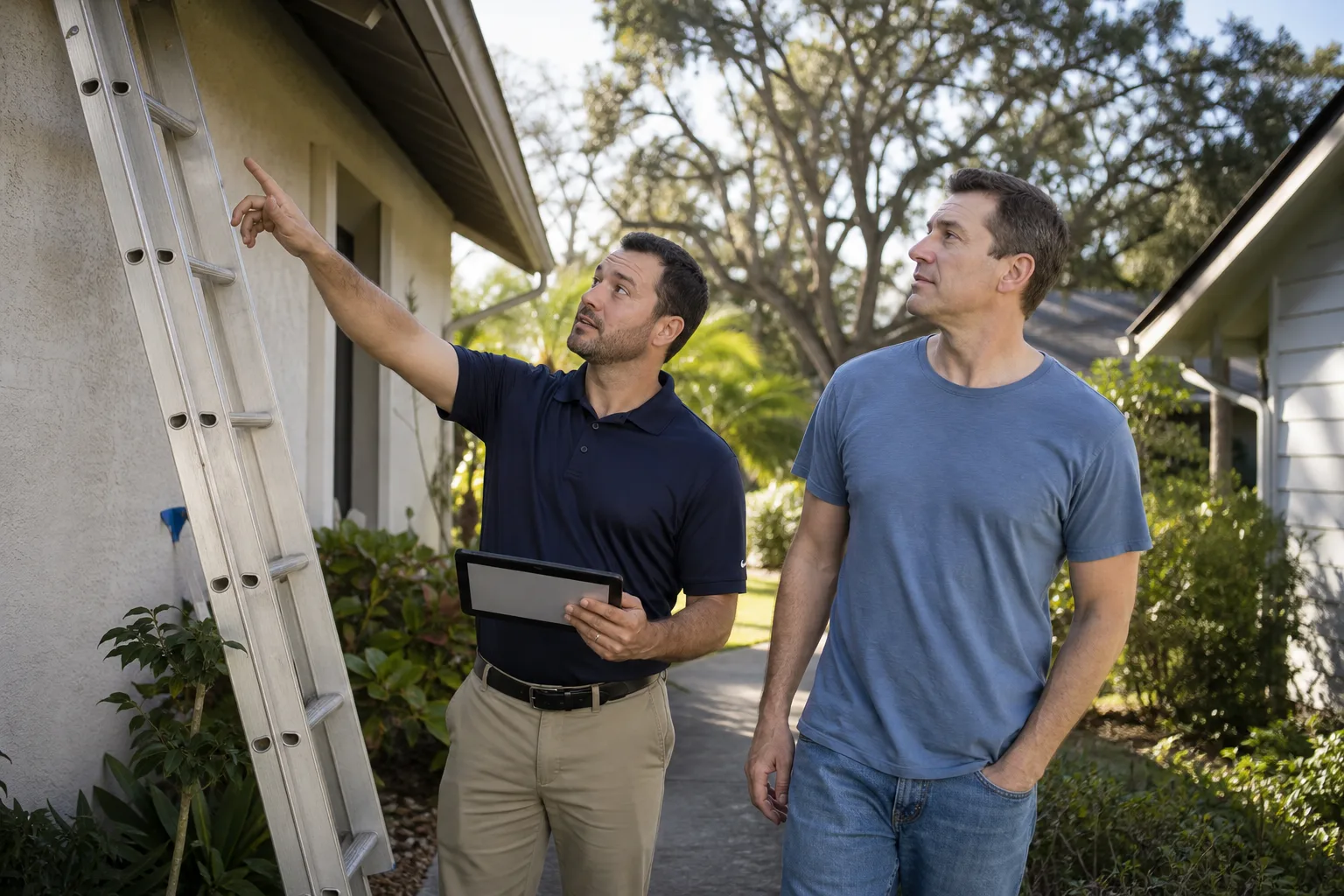
- Start on the roof, at the flashing. Use binoculars from the ground. Look for lifted or separated step-flashing, rust stains, or anything that sits unevenly. If anything looks wrong, call a roofer. Do not climb up there yourself.
- Walk the exterior seam. Every siding joint, every window flashing on the new wall, every caulk line. Feel for soft spots with the back of a fingernail. Note anything chalky, cracked, or loose.
- Check the foundation tie-in. Look for new cracks, efflorescence, or soil that’s pulled away. Confirm downspouts on the addition discharge away from the old house.
- Go inside. Look at the ceiling and walls near the seam for water stains or bubbling paint. Check inside the crawlspace for dampness.
- Test plumbing connections. Run the ADU sinks and showers. Check under the sinks. Turn on the water heater and the mini-split. Listen for new sounds.
- Read the meters. Compare the sub-meter against this month last year.
- Write it down. Date your inspection and note anything new. Photos help. When a contractor asks “how long has this been going on,” you’ll have an answer.
Seasonal Checklist for Santa Rosa Homeowners
Along with the annual inspection, a short seasonal rhythm keeps the small things from becoming big ones.
- Spring: Check roof and gutters after winter rain. Rinse mini-split condenser coils. Open exterior vents and check screens.
- Summer: Watch for caulk cracking from heat expansion. Keep the water heater and HVAC service appointment on the calendar.
- Fall: Do the annual inspection walkthrough. Recaulk exterior seams. Clean gutters. Trim any tree limbs near the new roof.
- Winter: Check interior ceilings near the seam after heavy rain. Keep an eye on the crawlspace. Read the sub-meter.
Around the rest of the property, the same rhythm pays off – a well-kept Driveway & Pavers in Santa Rosa or a painted Fence Installation in Santa Rosa tells you at a glance whether drainage is behaving, and it’s usually the first sign that the seam at the house needs attention.
The 90-Day Done Right Promise: What We Cover and What You Own
When we hand off an addition or ADU, the boundary between “our job” and “your maintenance” needs to be plain. Here’s how it works on every Barrett & Sons job.
What the 90-Day Done Right Promise covers. The written guarantee on every construction and remodeling job: if any part of the work we performed is done wrong, you call us and we come back and fix it. No arguments, no invoice. That covers things like a leaking flashing detail, a plumbing connection that’s seeping, a door that doesn’t close the way it should, a caulk joint that failed at the seam, or a shingle that wasn’t set correctly. If the problem is our workmanship or materials we installed, the promise applies. One call brings Tom back.
What falls into owner maintenance. Everything that comes from normal use and settling: nail pops, hairline drywall cracks from lumber drying, caulk shrinking at exterior seams, filter changes, water heater flushes, and the annual inspection itself. Those aren’t defects – they’re the normal aging of a structure in a Santa Rosa climate, and they’re scheduled above.
The gray zone. A hairline crack in the drywall that grows over a year, or a flashing that lifts after two seasons, is worth a call, not a shrug. Sometimes it’s normal settling. Sometimes there’s a real problem behind it. The written change order process we use means every scope, every allowance, and every price change reaches you in writing before work moves, and the handoff is documented the same way.
If your addition was built by someone else and you’re wondering what’s normal aging versus what’s a defect, the Barrett & Sons Construction Santa Rosa home team offers a free second opinion on any written estimate – a good moment to get a professional’s read on the seam.
Common Mistakes to Avoid
- Skipping the flashing inspection. The flashing is the single most important transition point on your build, and it’s the one most homeowners never look at. Put a reminder on the calendar every September, the same week every year.
- Caulking over a crack without finding the cause. If a siding seam keeps opening, filling the gap with fresh caulk buys you a season at most. The real problem is usually movement somewhere else, and it needs eyes on it.
- Waiting for the first rain to check the flashing. By the time water shows up inside, it’s often been running behind the siding for a season. In Santa Rosa, the fall inspection is the one that matters.
- Treating the ADU like a separate project. The ADU shares plumbing, electrical service, and drainage with your house. If the meter spins and the ADU is empty, you’ve got a leak.
- Ignoring the first-year drywall cracks. Mostly they’re normal, but some are a signal of a settling issue at the tie-in. Note the size and location, check again in a month, and call if they grow.
- Skipping the mini-split filter. Santa Rosa dust and pollen will clog a filter in a few weeks. That’s not a warranty issue; it’s the number one reason a mini-split underperforms.
- Forgetting the water heater flush. Tankless units scale fast in Sonoma County water, and manufacturer warranties nearly always require an annual or biennial flush to stay valid.
See the difference
 Before
 After
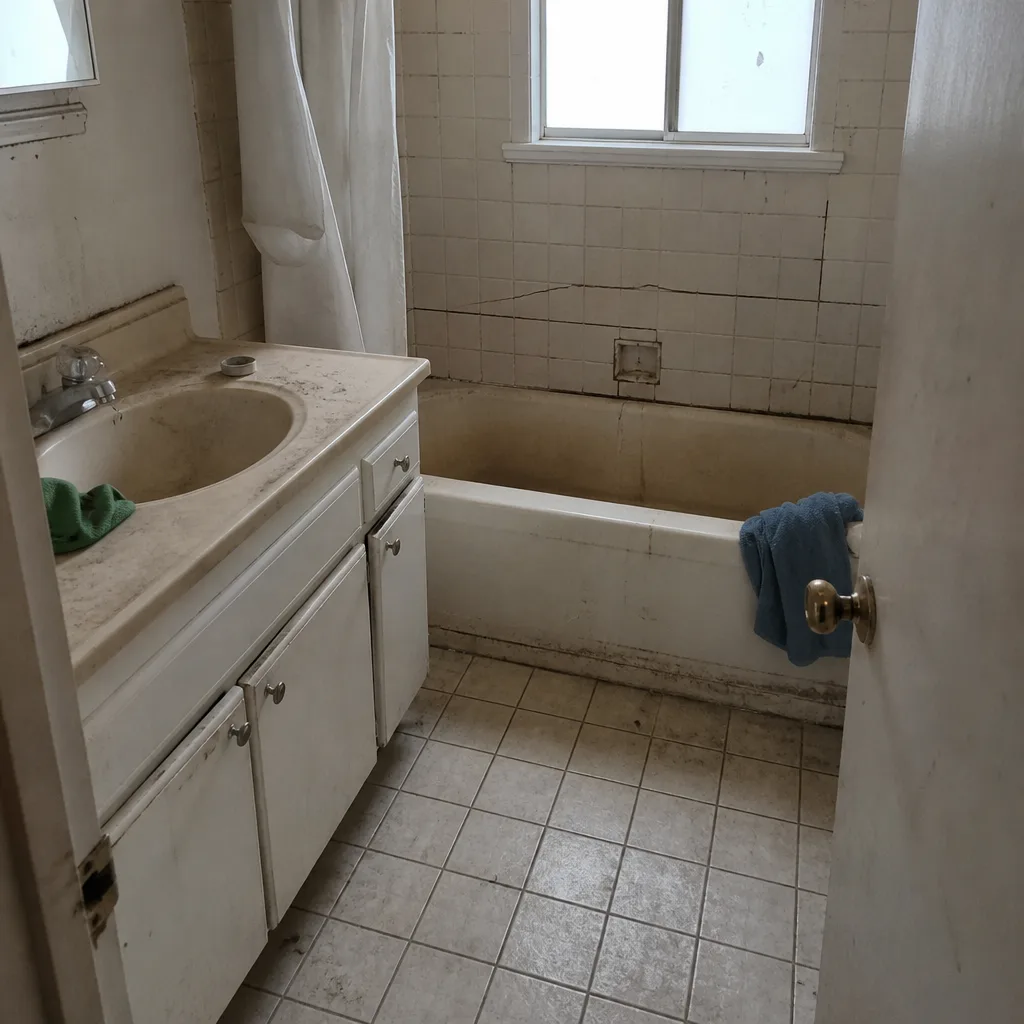 Before
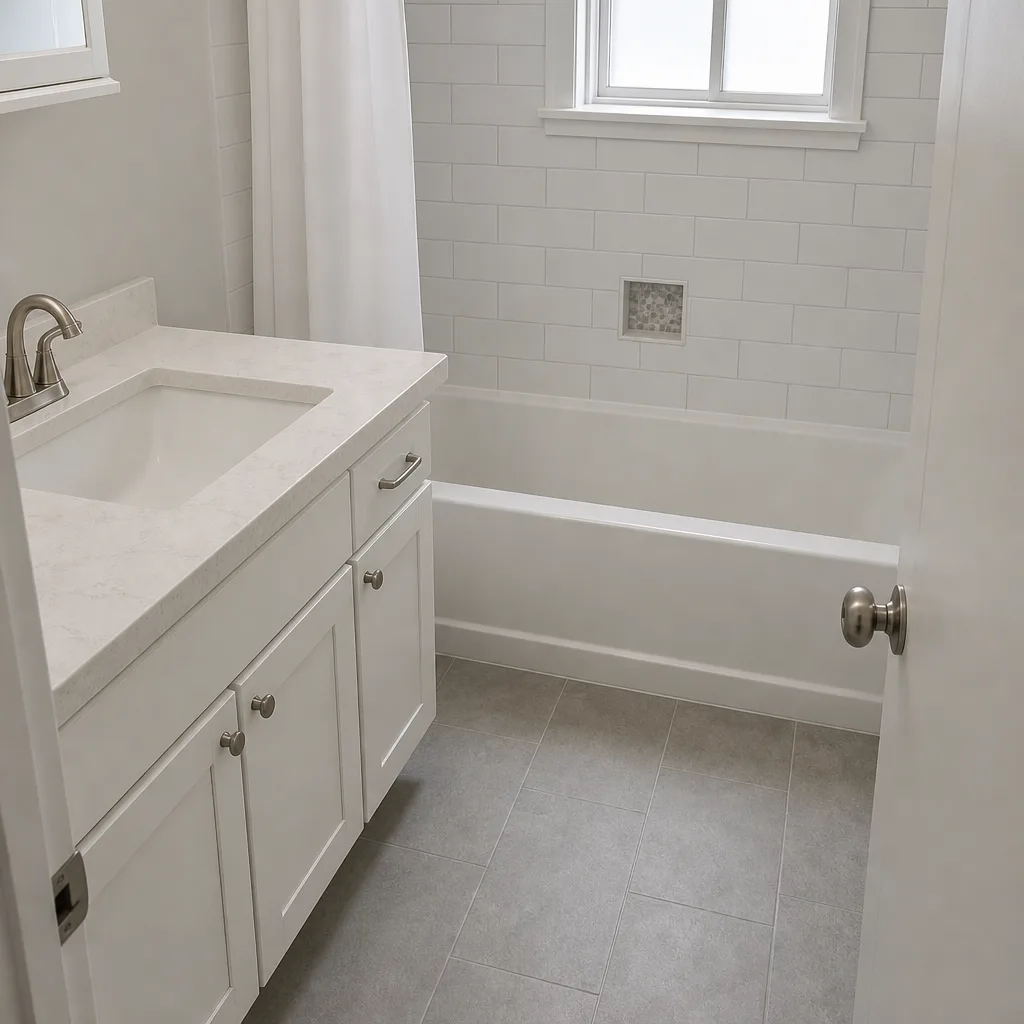 After
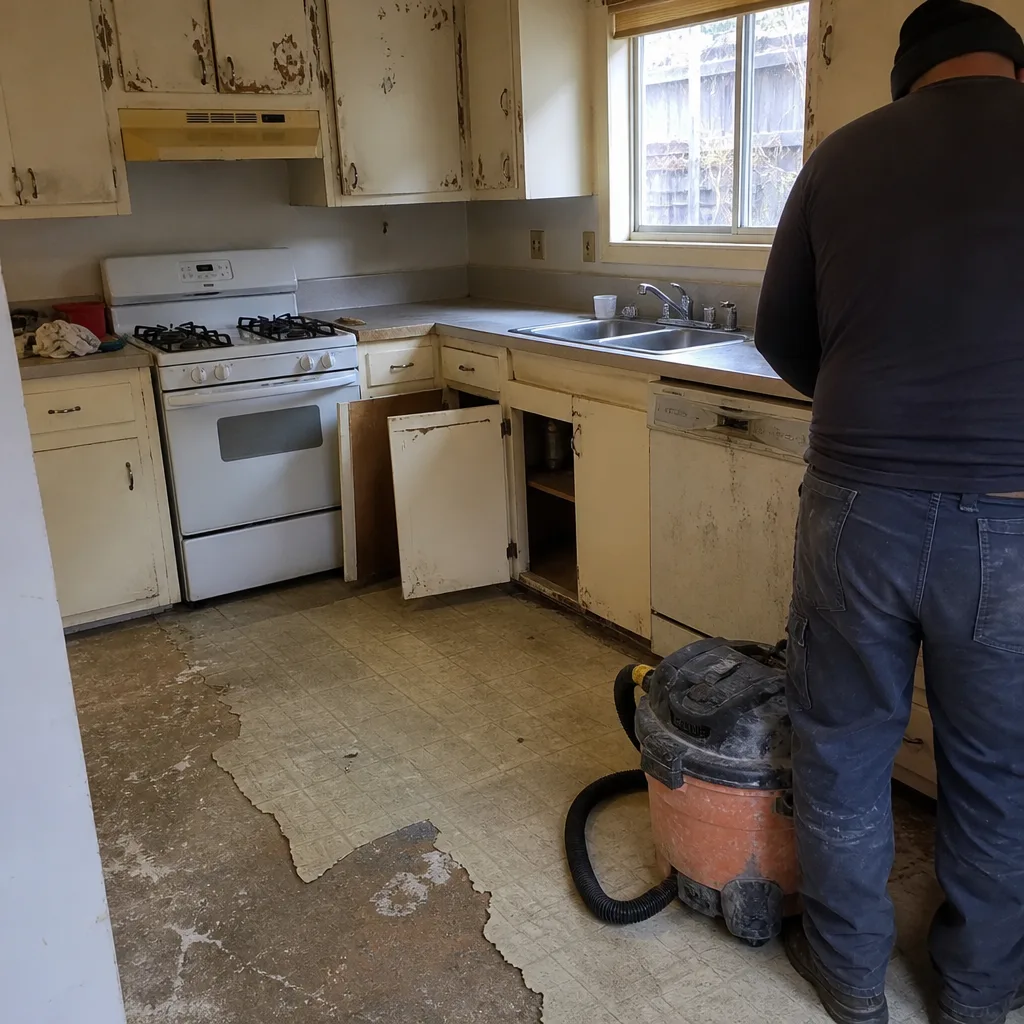 Before
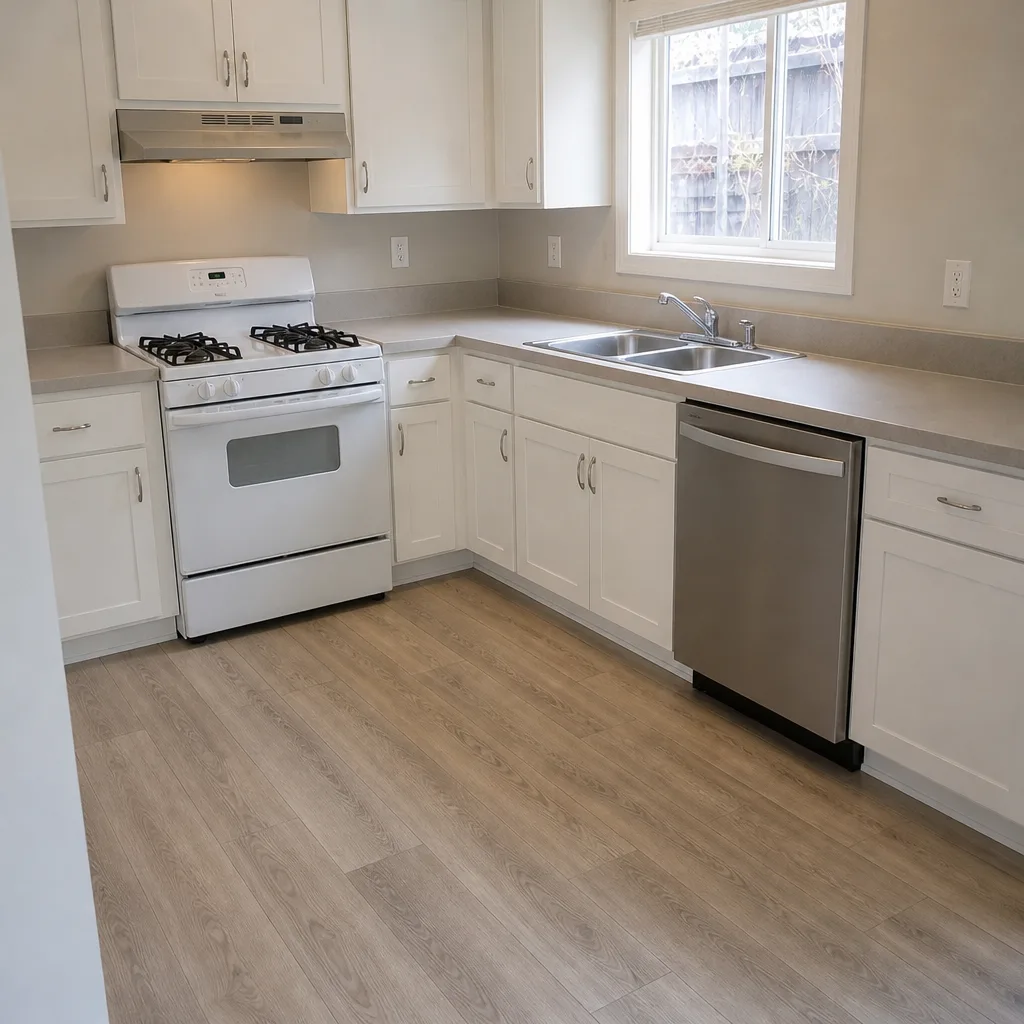 After
When to Call a Professional
Some maintenance you do yourself with a checklist and a screwdriver. A few things are worth calling in a trained trade. Call a professional if you see water stains at the seam on a ceiling or wall, a flashing detail that’s lifted or rusted, cracks at the foundation tie-in that have widened over a season, a water heater making new noises, a mini-split that isn’t cooling or heating the way it used to, or a plumbing connection you can’t reach safely in the crawlspace. When in doubt, get a professional’s opinion – not a YouTube tutorial. You’re not the one who has to fix it if it goes wrong. Barrett & Sons Construction Santa Rosa offers free estimates in Santa Rosa – call (866) 864-4083. Every eligible job comes with permits pulled and inspections signed, written change orders before any scope shift, and the 90-Day Done Right Promise in writing.
Frequently Asked Questions
Every year, without exception. Do a close visual inspection in late September or early October, before Santa Rosa’s rainy season starts, and have a roofer look at it professionally at the one-year mark and again at year five. A 10-minute check prevents a $10,000 repair. Call (866) 864-4083 for a free estimate if anything looks off.
Most of them, yes. Framing lumber shrinks in the first year, and that shows up as hairline drywall cracks and popping nail heads. Note the size and location at twelve months, patch and touch up, and call if a crack grows or widens. The team at (866) 864-4083 can take a look and tell you whether it’s settling or something more.
Once a year, or every 12-18 months if your Santa Rosa water is on the softer side. Hard water scales the heat exchanger faster, and most manufacturer warranties require the annual flush to stay valid. A qualified plumber handles the flush; this isn’t a homeowner job on most models. Call (866) 864-4083 for a free estimate on service.
Read it monthly and compare it to the same month last year. A sudden spike with no occupancy change means something’s running when it shouldn’t – a failing water heater, a stuck irrigation timer, or a tenant running the mini-split on high through a heat wave. Early detection is a $30 fix; late detection is a $600 bill. Call (866) 864-4083 if you can’t find the source.
Any part of the work we performed that’s done wrong. If a flashing detail leaks, a plumbing connection seeps, or a door we installed doesn’t close the way it should within that window, one call brings us back and we make it right. The promise is written into every contract. Owner maintenance – filter changes, caulk shrink, drywall from settling – is on your side of the line. Call (866) 864-4083 to schedule the handoff walkthrough on your project.
Usually not, but it’s the best stress test a new roof will get in its first year. After an October or November wind event, walk the yard and check the gutters for granules and any loose hardware. If anything looks wrong, don’t go up there – have a roofer inspect. Santa Rosa’s wind events are unpredictable, so the fall inspection should account for them. Call (866) 864-4083 for a free estimate on an inspection.
The Bottom Line
The transition zone between your addition or ADU and the original house is the most important real estate on the property when it comes to water. Inspect it every September before the rain, expect settling at year one, re-inspect closely at years three and five, and put the ADU’s systems on a schedule: annual water heater flush, monthly mini-split filter, monthly sub-meter read. Do that and a Santa Rosa addition will serve you for decades. Skip it and the seam will quietly tell you what you missed. If you’d rather have a professional put eyes on it, Barrett & Sons Construction Santa Rosa offers free estimates – call (866) 864-4083 to schedule yours. Every eligible job comes with permits pulled and inspections signed, written change orders before any scope shift, and the 90-Day Done Right Promise in writing.
Written by the team at Barrett & Sons Construction Santa Rosa.