Last updated November 18, 2026
Free written scope consultation - allowances, timeline, and change-order rules on paper before a single trade is scheduled
The Complete Home Additions & ADU Guide for Santa Rosa Homeowners
After the 2017 fires, Sonoma County rewrote large chunks of its ADU and addition ordinance, and the results are a mixed bag. Some of those changes are genuinely homeowner-friendly: looser size caps, faster reviews, fewer parking headaches. Others add real costs that out-of-area contractors simply don’t know to ask about, like water connection fees and utility upgrades that can swing a budget by tens of thousands. Santa Rosa sits right in the middle of this, which is why a generic California ADU guide will steer you wrong. This guide covers what actually applies here, what the real cost drivers are, and how to sequence a project so nothing surprises you after you sign.
Quick Answer
In Santa Rosa, a detached ADU typically pencils out between roughly $180,000 and $350,000 depending on size, site conditions, and utility work, while a stick-built room addition generally lands between $300 and $550 per square foot. Permits, school impact fees, and PG&E service upgrades are the three line items that catch most homeowners off guard. Before you sign anything, confirm the current ADU size limits, setback rules, and owner-occupancy requirements with the city, and get every allowance and fee spelled out in writing.
Styles & brands we work with
- Kitchen remodeling
- Bathroom remodeling
- Home additions & ADU
- Roofing
- Windows & doors
- Driveway & pavers
- Fence
Table of Contents
- What Are Santa Rosa’s ADU Rules Right Now?
- How Do Fire Rebuild Zones Affect Additions and ADUs?
- What Do Additions and ADUs Really Cost in Santa Rosa?
- The Fee Stack Most Guides Skip
- Design Choices That Earn Rent vs. Choices That Just Cost More
- The Permit-to-Foundation Sequence (and Why It Protects You)
- How to Choose a Contractor in Santa Rosa
- Common Mistakes to Avoid
What Are Santa Rosa’s ADU Rules Right Now?
Santa Rosa’s ADU rules are, on the whole, more permissive than what most California cities allow, but they come with local wrinkles. State law sets the floor: an ADU must be approved ministerially if it meets basic standards, and cities can’t impose owner-occupancy requirements on most new units. Santa Rosa has layered its own rules on top, and those are the ones that actually decide whether your project pencils out. Confirm current numbers with the city’s planning counter before you commit to a design, because they shift.
What tends to matter most in Santa Rosa:
- Size caps. Detached ADUs generally cap at 1,200 square feet, with a minimum studio size around 150 square feet. Attached and converted ADUs follow separate limits tied to the primary home’s size.
- Setbacks. Detached ADUs can typically sit closer to the rear and side property lines than a standard addition would allow, but corner lots and hillside parcels in neighborhoods like Rincon Valley and Skyhawk often trigger extra review. Don’t assume the flat-lot rules apply to your sloped lot.
- Height. Detached ADUs are generally capped around 16 feet, though a two-story unit near a transit corridor can sometimes get more. If you’re near a SMART rail station, that’s worth asking about.
- Parking. Most ADU projects within a half mile of transit, or in a historic district, are exempt from the added parking requirement. On a narrow street in the West End, this exemption is often the difference between a feasible project and a dead one.
- Owner-occupancy. State law bars cities from requiring it on most new ADUs, but it still applies in some conversion scenarios. Ask specifically which applies to your permit type.
We’ve watched homeowners lose weeks because they designed to a rule they read on a blog from 2019. The rules changed. Check the current ones before you draw anything.
How Do Fire Rebuild Zones Affect Additions and ADUs?
If your property sits in one of the fire-rebuild overlays from the 2017 Tubbs Fire or the 2019 Kincade footprint, your addition or ADU is subject to a longer list of design requirements than a comparable project on the east side of town. This is the piece most out-of-area builders miss, and it’s the one that hits hardest in Coffey Park, Fountaingrove, and parts of Larkfield.
What that means in practice:
- Wildland-urban interface (WUI) construction standards. Exterior materials, roof class, eave design, venting, and window glazing all get scrutinized. A standard build package from a contractor who mostly works in Petaluma won’t pass here. Materials that comply cost more, typically 5% to 12% on the structure.
- Defensible space. Your landscape plan – the first five feet especially – is reviewed as part of the project. If you were planning a wood fence right up to the new structure, that’s a conversation.
- Insurance coordination. This is the one nobody warns you about. If your property is still carried under a fire-rebuild policy or a California FAIR Plan rider, the insurer needs to see the plans before construction starts. We’ve seen homeowners get a premium increase mid-build because they didn’t loop the carrier in early. Loop them in early.
Insurance coordination and permit sequencing aren’t glamorous topics, but on a Santa Rosa fire-zone addition, they’re the difference between a project that runs and one that stalls for six weeks while a carrier’s underwriter catches up.
What Do Additions and ADUs Really Cost in Santa Rosa?
Rough ranges for a Santa Rosa project, current to the local market:
- Detached ADU, 600 to 1,200 sq ft: $180,000 to $350,000. Lower end assumes an existing pad or a simple flat site; higher end assumes a slope, a long utility run, or a fire-zone overlay.
- Attached ADU (garage conversion or interior remodel): $95,000 to $180,000. Garage conversions are often the most economical route, but they can trigger a full electrical panel upgrade.
- Stick-built room addition: $300 to $550 per square foot, so a 400 sq ft master suite runs roughly $120,000 to $220,000.
- Bump-out or small addition (under 200 sq ft): $60,000 to $110,000. Small jobs have a high fixed-cost floor – permits, design, foundation, mechanical.
Those numbers assume a code-minimum finish level. Upgrade the kitchen or bath and they climb fast. If you’re adding an ADU with its own small kitchen, expect cabinetry and counters to be a real line item. We specify KraftMaid cabinetry and Cambria or Silestone surfaces in these kitchens because they hold up to rental turnover, and those are the line items homeowners should scrutinize instead of assuming the van-brand package is fine.
The Home Additions & ADU in Santa Rosa service page goes deeper on scope options if you want to see what a typical project looks like line by line.
The Fee Stack Most Guides Skip
Here’s where a Santa Rosa ADU budget gets its reputation for going sideways. Three fee categories add real dollars, and none of them show up in the artist’s rendering:
- School impact fees. Depending on the district and the size of the unit, a new ADU can trigger a school impact fee ranging from a few thousand dollars up to roughly $15,000. Whether it applies depends on square footage and the school district. Ask before you design, not after.
- PG&E service panel upgrades. A new ADU with its own meter, or a garage conversion with a modern kitchen or heat pump, will often push a 100-amp panel past its limit. A panel upgrade plus the line-side work typically runs $4,000 to $12,000, and the schedule depends on PG&E’s queue. That queue can add weeks.
- Santa Rosa Water connection fees. A new unit needs a water connection and, in many cases, a sewer connection. Water and sewer capacity fees in Santa Rosa can run $10,000 to $25,000 for a detached ADU. This is the single line item that most often turns a feasible project into a marginal one, and it’s rarely on a contractor’s initial estimate.
Add permits, plan check, and design, and the soft costs alone run 15% to 20% of the total. An “allowance that isn’t on paper is a surprise waiting for a date” – so we put all three of these in writing before anyone swings a hammer.
Design Choices That Earn Rent vs. Choices That Just Cost More
If the ADU is going to earn rent, the design framework is straightforward: spend on the things a tenant experiences daily, and save on the things that only matter to a magazine photo.
Where spending pays back:
- Separate entrance and privacy. A well-screened entry and a clear parking spot justify top-of-market rent in Santa Rosa. Shared or awkward access costs you a tenant or $200 a month.
- Real kitchen storage. A galley with adequate cabinetry rents faster than a designer open plan with one wall of floating shelves. We see this in every rental conversion we touch.
- Sound separation. A resilient channel and insulation detail between the ADU and the main house is cheap at build time and priceless in rental retention.
- Heat pump or mini-split. Santa Rosa summers are hot and the shoulder seasons are mild, which makes a heat pump efficient and a rental selling point. In fire-zone areas, it can also satisfy mechanical requirements more easily than gas.
Where spending doesn’t pay back:
- Custom tile work in a rental bath, or a soaking tub in a unit with 40 square feet of floor space.
- High-end exterior cladding on a side of the building the neighbor can’t see.
- A vaulted ceiling in a 500-square-foot unit; it reads as wasted footprint to a renter looking at usable space.
We recommend holding the finish package to Cambria or Caesarstone counters, mid-tier cabinetry, and durable flooring. That combination rents at the top of the local market without inflating the build cost 30%.
The Permit-to-Foundation Sequence (and Why It Protects You)
The single biggest reason an addition goes over budget is that the foundation gets poured before the permit is fully approved. That order is backward. Here’s how a well-run project actually moves in Santa Rosa:
- Site and zoning check. Confirm setbacks, height, lot coverage, and fire-zone overlay status in writing from the city before anything is drawn. This takes a few days and saves months.
- Schematic design. Plans drawn to the confirmed limits, not to guessed ones.
- Fee estimate in writing. School impact, water and sewer connection capacity, PG&E service, and permit fees all on one sheet before the homeowner approves a scope.
- Permit submittal and plan check. The city reviews plans. We respond to corrections. Nobody breaks ground.
- Permit issued. Now the foundation sequence can begin, on a design the building department has already approved.
- Foundation, framing, rough inspections. Each inspection gets scheduled and signed. The permit inspector works for you, not for us – that’s why we like him.
Run in this order, a Santa Rosa addition or ADU moves predictably. Run backward – design, dig, then permit – and you’ll eventually pay for a foundation you have to tear out.
How to Choose a Contractor in Santa Rosa
The contractor market in Sonoma County is thin enough that anyone with a truck can get booked, which makes verification non-negotiable. Ask these questions, and get the answers in writing:
- Is the license number published? If it’s not on their website or their truck, that’s a signal. Ask for the number and look it up before you sign anything.
- Will every change order be issued in writing before work proceeds? If the answer is “we’ll work it out,” you’re the one who will be working it out at the end.
- Who pulls the permit? If the contractor asks you to pull it as an owner-builder, ask why. A contractor pulling their own permits puts their license behind the inspection.
- What’s the written warranty? A one-line “we stand behind our work” isn’t a warranty. A 90-Day Done Right Promise in writing is.
- Who is on site? If the answer is a dispatch system, you’ll be coordinating strangers. Ask whether the crew working your job is the same crew that will come back if something needs fixing.
Those questions filter out most of the market. The rest is a short list. Our Barrett & Sons Construction Santa Rosa home page lays out how we handle each one, in writing.
Should You Do an Addition or Buy a Bigger House?
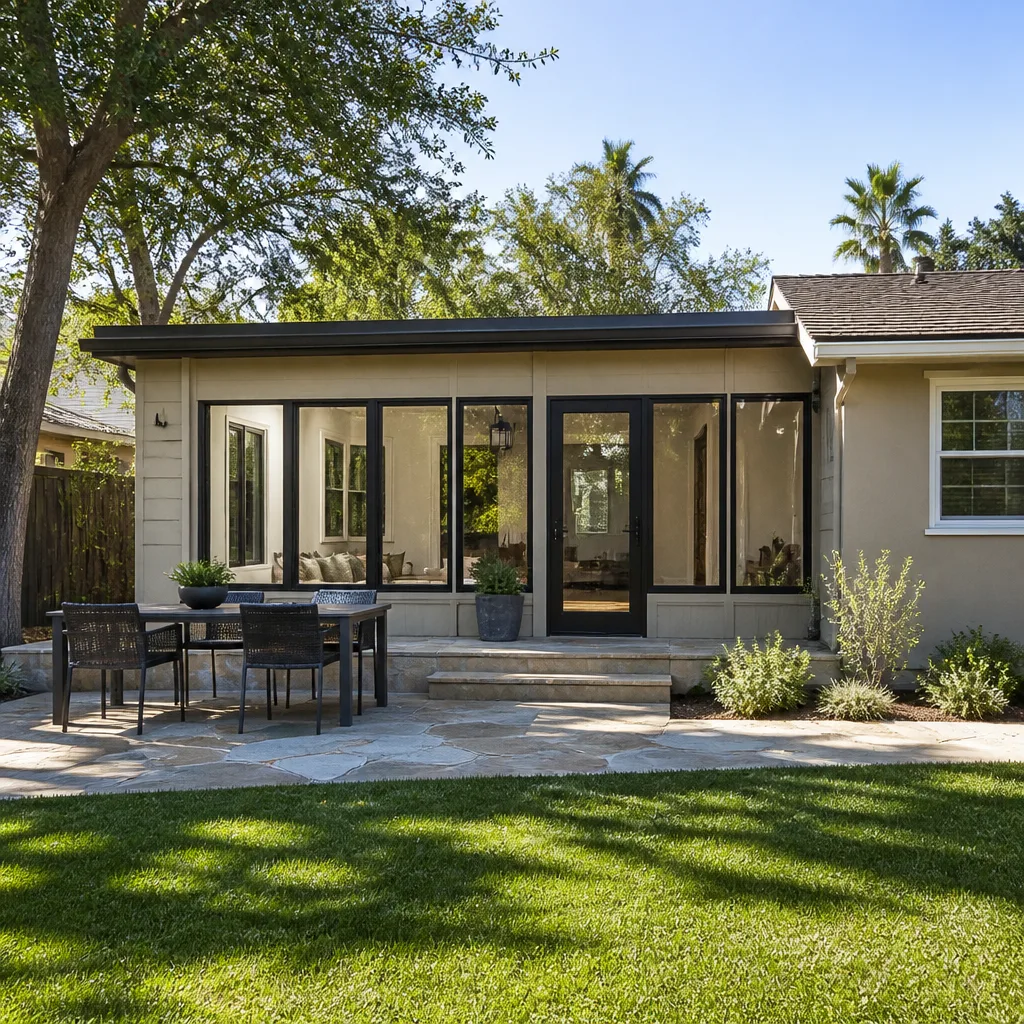
In Santa Rosa, the answer often favors building. If you own a home in a neighborhood like Montgomery Village or Bennett Valley and you’re outgrowing it, the cost of trading up – realtor commissions, moving costs, a higher mortgage rate on a more expensive home, and losing the interest rate you already have – frequently exceeds the cost of a well-scoped addition. That math holds especially when the addition adds a rentable ADU.
An addition that pencils out is one that solves the actual need without over-improving the home for the street. A 400-square-foot primary suite that brings the house to the top of the block is generally a good bet. A 900-square-foot addition in a neighborhood where the median home is 1,400 square feet can cost more than it returns. Run the numbers on the after-build value before you commit to the scope, not after.
Common Mistakes to Avoid
- Designing before checking the current ADU rules. Two sentences in a 2019 blog will send your plans straight back from plan check. Confirm current size caps and setbacks with the Santa Rosa planning counter first.
- Skipping the fire-zone overlay check. In Coffey Park and Fountaingrove, WUI construction standards apply, and they change your materials budget. Don’t find out from an inspector after framing.
- Forgetting the water connection fee. Santa Rosa Water capacity fees are a five-figure line item on detached ADUs. Get the number before you finalize the budget.
- Assuming the panel is fine. A 100-amp service with a modern kitchen added is a panel upgrade waiting for a date. Get an electrician’s read before design is locked.
- Pulling the permit as owner-builder. It sounds like a way to save money. It shifts inspection liability onto you, and the contractor won’t carry the warranty burden they should.
- Not notifying the insurer. On fire-rebuild policies, an unnoticed addition can trigger a mid-project premium change. Call your carrier before the first permit is filed.
- Chasing the lowest bid. The bid that lands 30% below the others is missing a line item. Ask which fee, and you’ll usually find it.
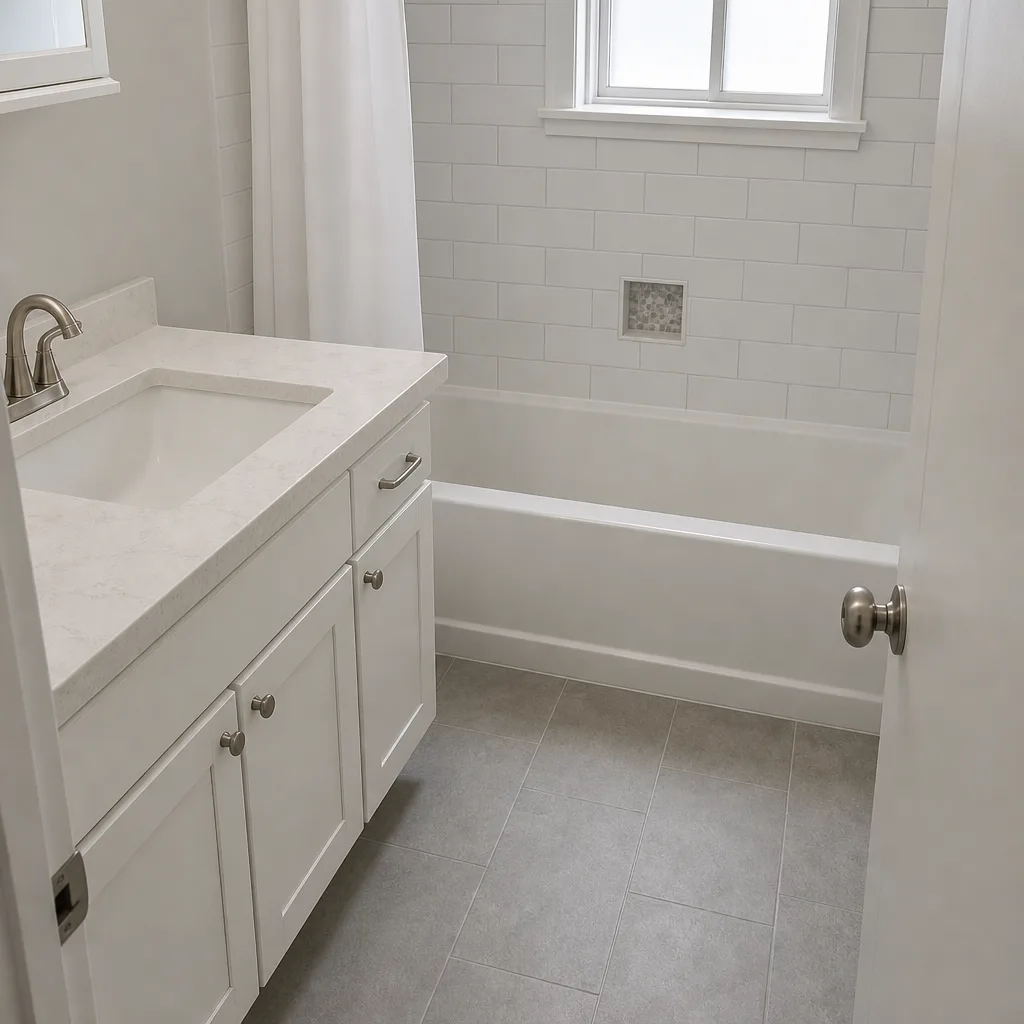
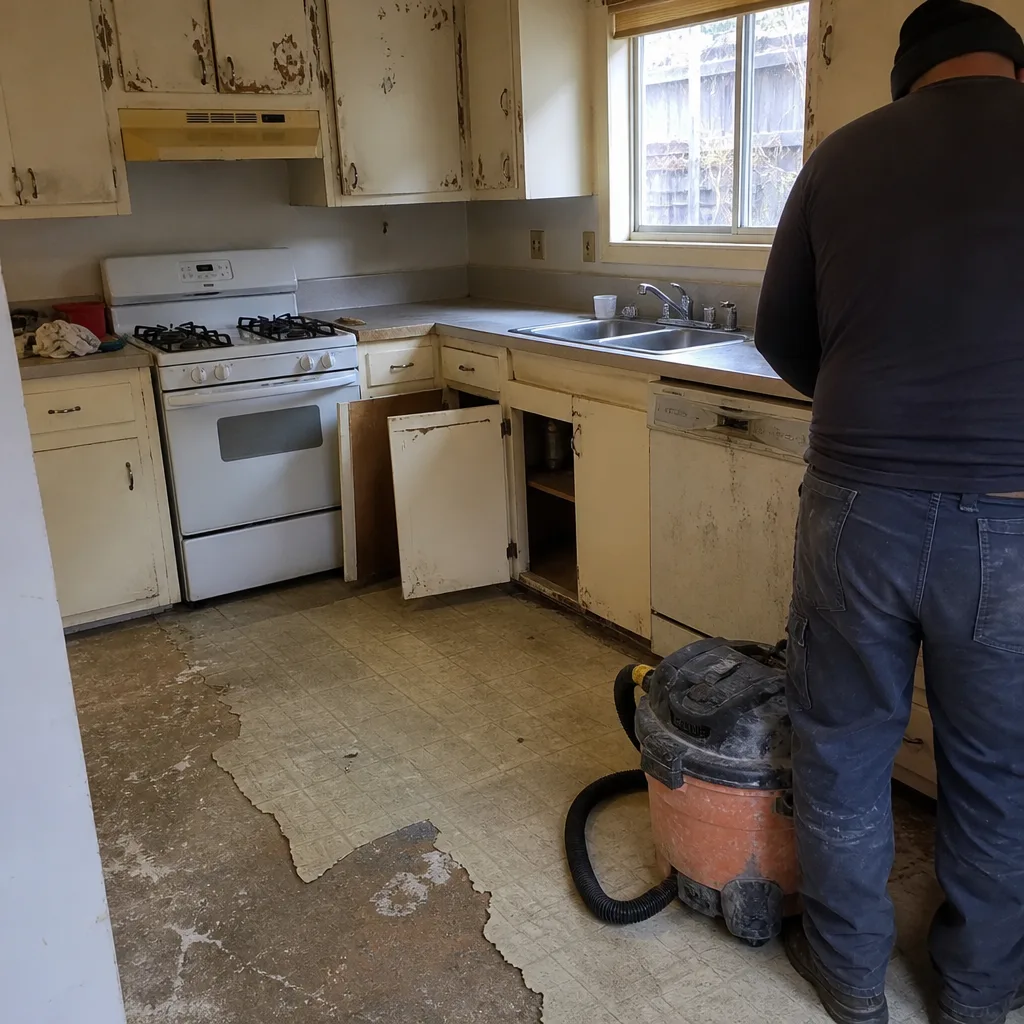
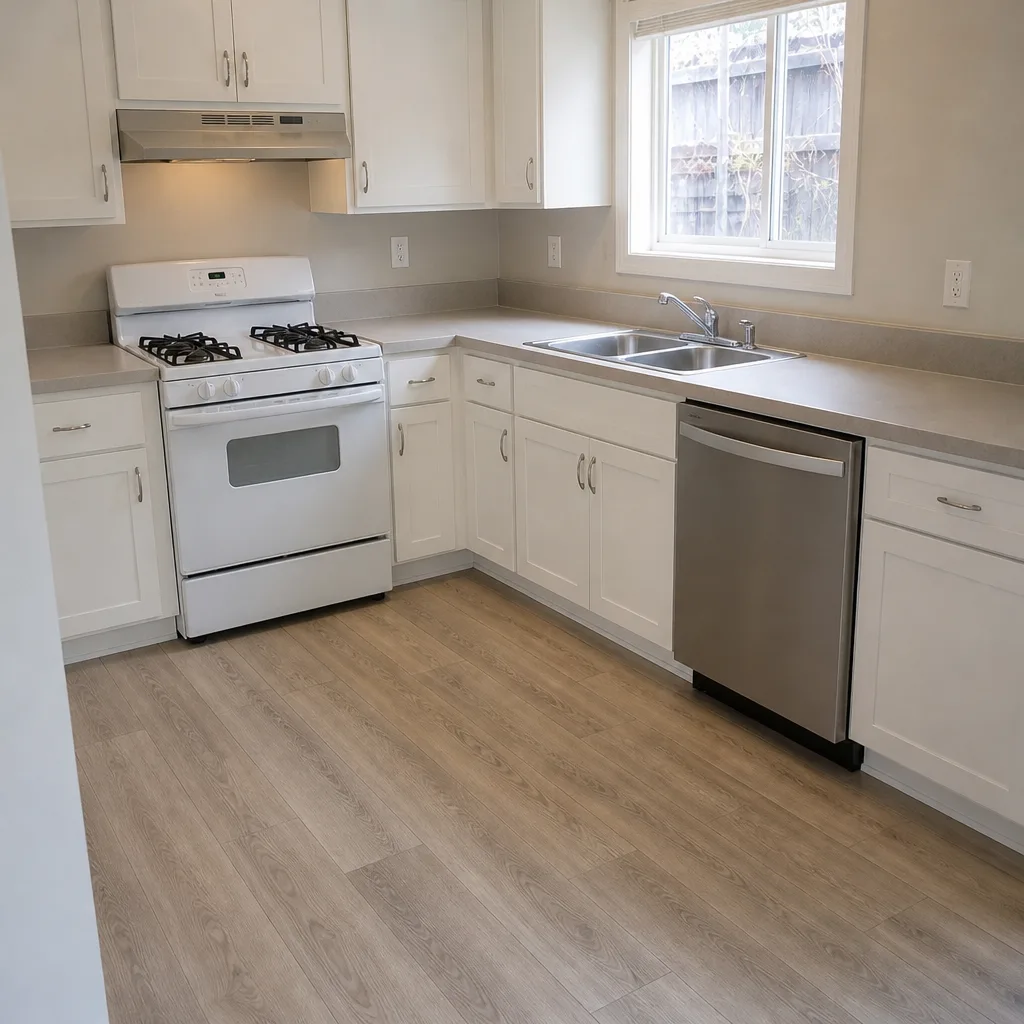
See the difference
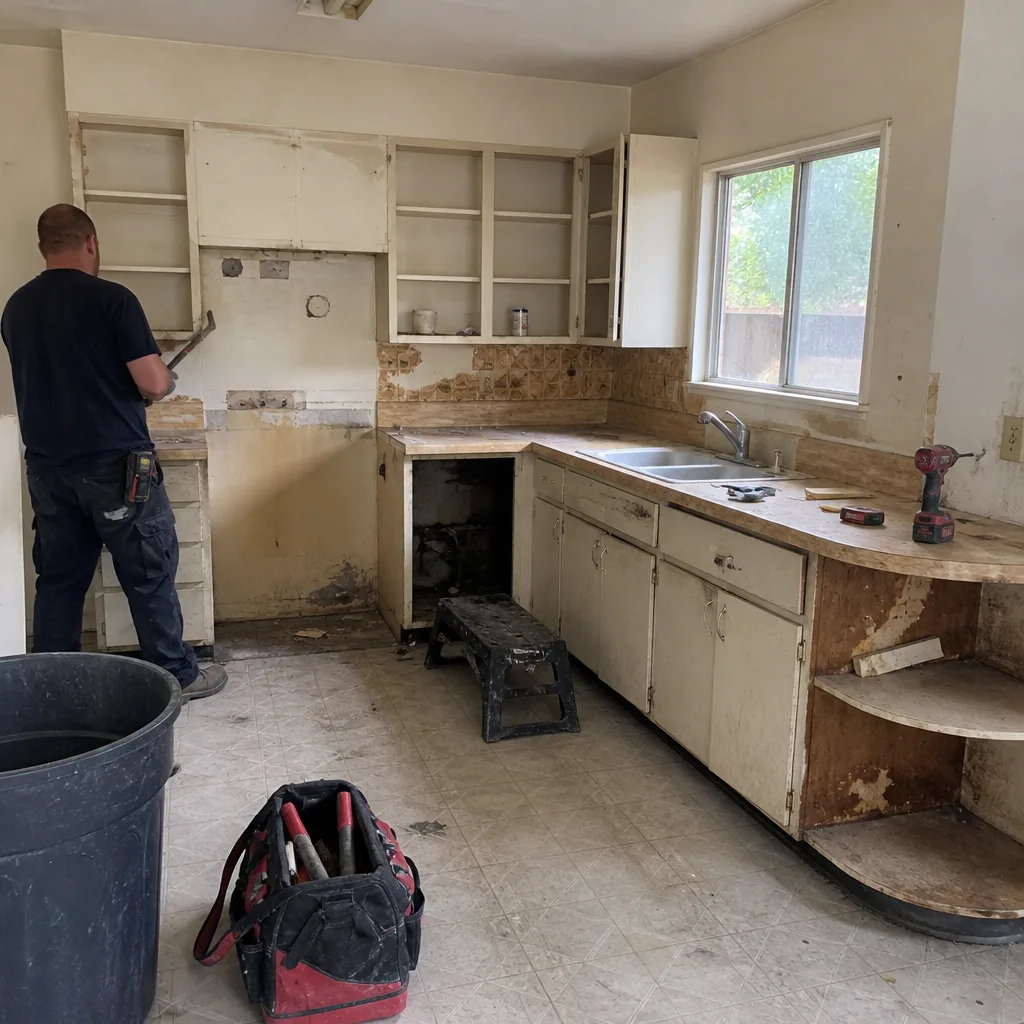 Before
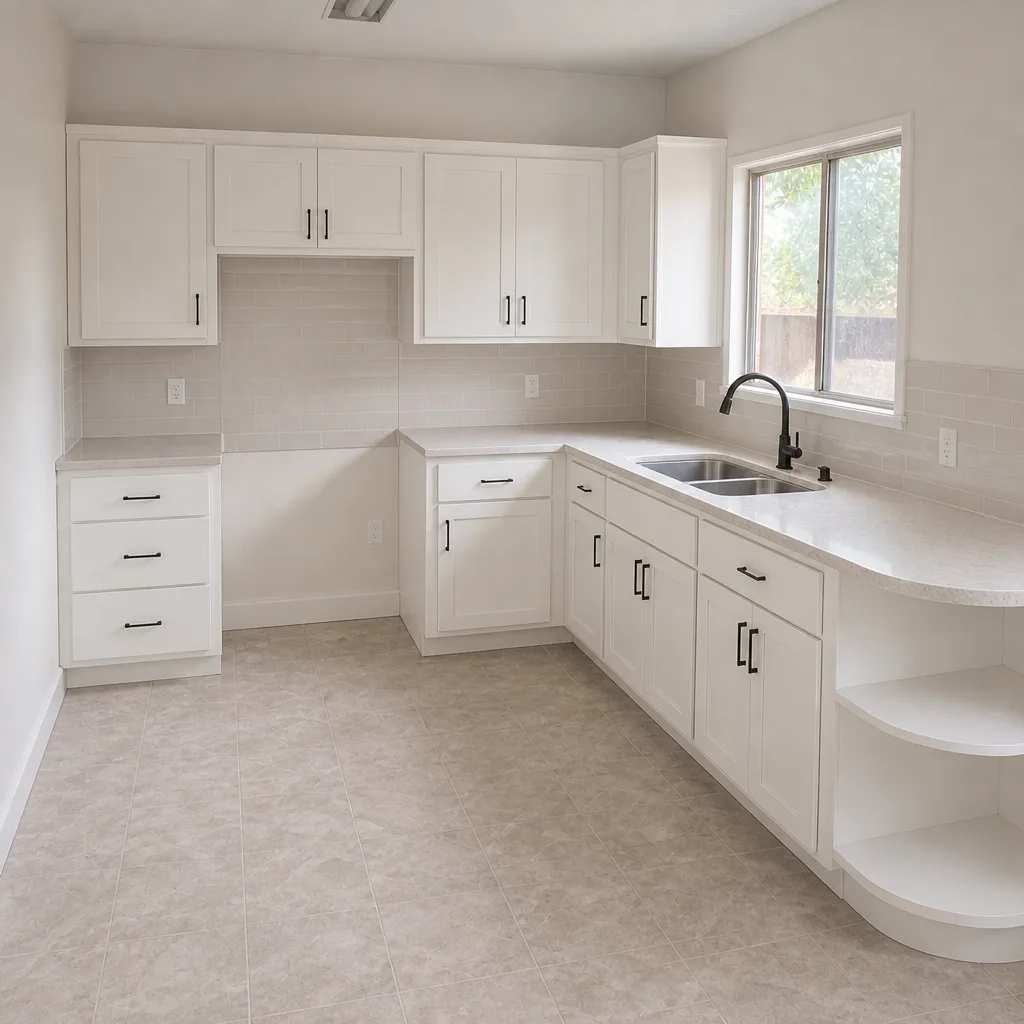 After
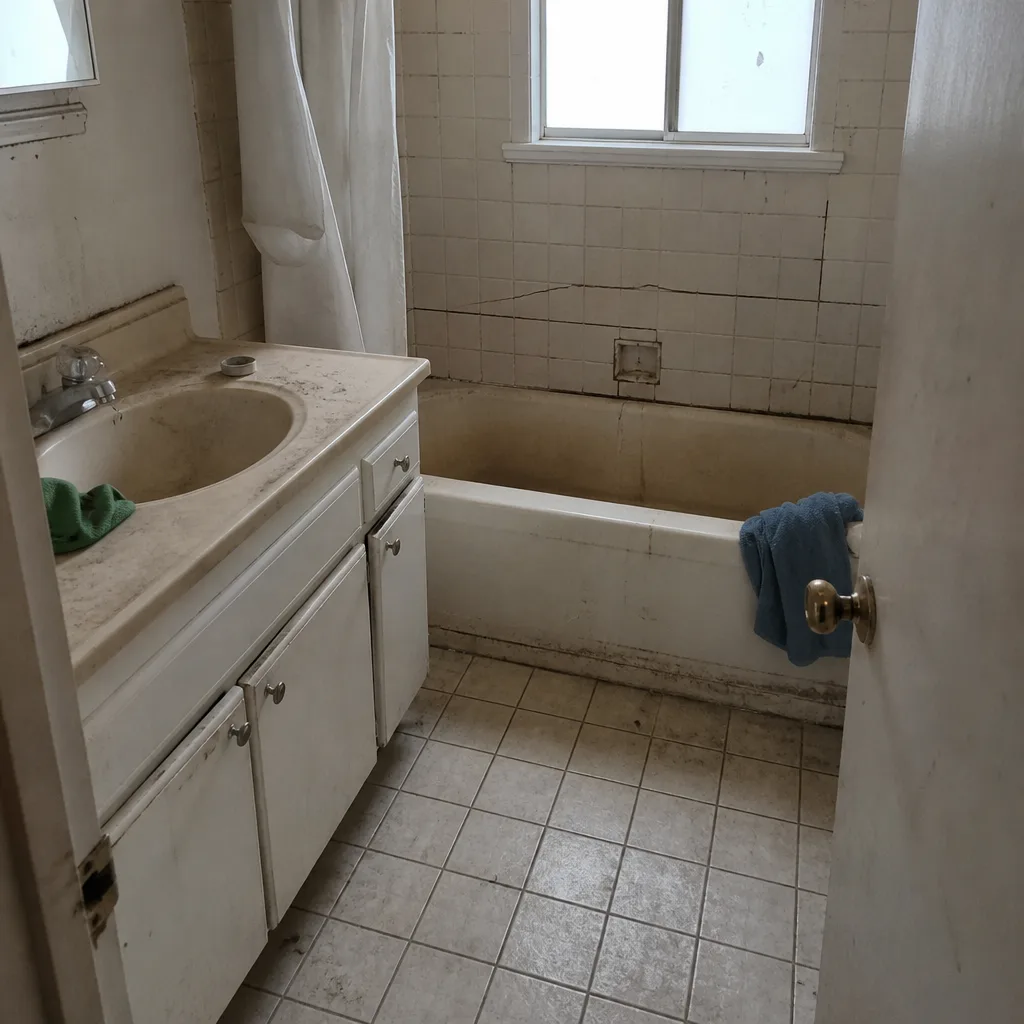 Before
 After
 Before
 After
When to Call a Professional
An addition or ADU is not a project to test a contractor on. Call a professional when you’re adding conditioned square footage to a home (structural, mechanical, and electrical all need permits and inspections), when you’re working inside a fire-rebuild overlay with WUI standards, when your site has a slope or is on a corner lot with complicated setbacks, or when your service panel, water connection, or sewer capacity is in question. Those are the four conditions that, in Santa Rosa, most reliably turn a simple job into a project that stalls.
Barrett & Sons Construction Santa Rosa offers free estimates in Santa Rosa. Call (866) 864-4083 to schedule yours.
Frequently Asked Questions
Detached ADUs in Santa Rosa generally cap at 1,200 square feet, with a minimum around 150 square feet for a studio. Attached and converted ADUs follow separate limits tied to the primary home’s size. Confirm the current numbers with the planning counter before you design, because the rules change and a generic statewide guide won’t reflect the local caps.
State law bars cities from requiring owner-occupancy on most new ADUs, and Santa Rosa follows that for the standard case. Some conversion scenarios still trigger it. Ask specifically which permit type you’re filing under, and get the answer in writing before you commit to a design.
Plan on $180,000 to $350,000 for a detached ADU, plus the fee stack: school impact fees (up to roughly $15,000 depending on district), PG&E panel upgrades ($4,000 to $12,000), and Santa Rosa Water connection fees ($10,000 to $25,000 for detached units). Those three line items are the ones a generic estimate usually leaves out. Call (866) 864-4083 for a written quote that includes all of them.
It shouldn’t, if the scope and allowances were written down before the contract was signed. On any project we build, every scope change and every allowance adjustment arrives as a written change order before the work happens. If a contractor’s price drifts after the start without paper to explain it, that’s a red flag regardless of what neighborhood you’re in.
Yes. Permits are pulled and inspections are signed on every eligible job. If a contractor asks you to pull the permit as owner-builder, that shifts inspection liability to you and usually protects the contractor, not you. Ask who’s on the permit before you sign.
Plan on four to eight months from permit submittal to completion for an attached ADU or room addition, and slightly longer for a detached unit. The biggest controls: how fast plan check moves, PG&E’s panel upgrade queue, and water and sewer connection scheduling. Fire-zone overlays add time for the insurance coordination step.
The Bottom Line
Santa Rosa’s ADU rules are genuinely homeowner-friendly right now, but the local costs – school impact fees, PG&E upgrades, and Santa Rosa Water connection fees – swing the budget by tens of thousands, and most generic guides don’t mention them. Get the current rules confirmed in writing before you design, loop your insurer in early if you’re in a fire-zone overlay, and insist on permits pulled and every change order written before work happens. Do those three things, and the project runs. Skip them, and you’ll be the one paying for a foundation you have to tear out. Call (866) 864-4083 for a free estimate.
Written by the team at Barrett & Sons Construction Santa Rosa.