Last updated November 18, 2026
Free written scope consultation - allowances, timeline, and change-order rules on paper before a single trade is scheduled
DIY vs Professional Fence Installation: What’s Safe to Do Yourself
Post setting is the part homeowners consistently underestimate. Not because it’s complicated, but because you don’t find out you did it wrong until the concrete has cured and the fence is already leaning. Fence installation has one of the highest rates of confident DIY starts and frustrated professional-rescue finishes of almost any home project. The planning phase looks simple. The execution phase hides three hard problems in a row. In this guide, we’ll break down exactly which parts of a Santa Rosa fence project are safe to take on yourself, which ones aren’t, and where a hybrid approach saves you real money without gambling on the part you can’t see.
Quick Answer
Staining, board replacement, hardware swaps, and minor gate adjustments are genuinely safe DIY fence work. Post layout, post setting, and any repair involving fences over six feet or on a property line near utilities are not. Most Santa Rosa homeowners save the most money by hiring out the layout and post setting, then self-performing the board installation and finishing.
Styles & brands we work with
- Kitchen remodeling
- Bathroom remodeling
- Home additions & ADU
- Roofing
- Windows & doors
- Driveway & pavers
- Fence
Table of Contents
- What Fence Work Is Actually Safe to Do Yourself?
- Why Post Layout and Setting Is the Pivotal Skill
- Santa Rosa Permits for Fence Installation: What a DIY Application Really Involves
- The Neighbor-Relations Dimension Nobody Talks About
- How to Hybrid the Job and Save Real Money
- What Santa Rosa’s Soil and Weather Do to Fences
- How Long Does a Fence Project Actually Take?
- Common Mistakes to Avoid
- When to Call a Professional
What Fence Work Is Actually Safe to Do Yourself?
A capable DIYer with a Saturday free and the right tools can handle genuine, high-value fence maintenance. Here is what we regularly see homeowners in Santa Rosa do well, with honest time estimates based on the work itself, not the Pinterest version of it.
- Replacing individual boards or pickets: 45 to 90 minutes per section, including prying out old nails and matching dimensions at the lumber yard.
- Swapping gate hardware: 30 to 60 minutes for hinges, latches, and a closer. This is the single easiest fix that solves a sagging gate.
- Staining or sealing a fence: a full weekend on a typical 150-foot residential run, plus dry time. Santa Rosa’s dry summers make this a good June or early July project.
- Minor gate adjustments: re-hanging a gate that drags, tightening lag bolts, shimming a post footing cap. Two hours, tops.
- Post caps and decorative trim: purely cosmetic, no structural risk, and hard to make worse.
What all of these have in common: they don’t touch an underground footing, they don’t require a permit, and if you get them slightly wrong, the worst outcome is cosmetic. That ceiling is the whole point.
We also field a lot of calls on Fence Installation in Santa Rosa where the homeowner has already replaced every board on a straight run of fencing but can’t stop a persistent lean at one corner. That’s the wall every capable DIYer hits, and it’s the wall we’ll get to next.
Why Post Layout and Setting Is the Pivotal Skill
Every DIY fence failure we’ve stood on top of comes back to one thing: post layout. The YouTube tutorials spend 30 seconds on it. In the field, it takes two experienced installers an hour to line up a 150-foot run correctly, and that hour is worth more than the rest of the project combined.
Here’s what actually happens during professional post layout:
- Batter boards are set beyond the ends of the fence line so string can be stretched without disturbing the planned posts.
- String lines are run at the exact fence height, both along the face and at the property line offset, so the fence stays inside the survey.
- Post positions are marked on the string, not on the ground, so a stray footprint doesn’t throw a spacing off by four inches.
- Each post hole is dug to frost depth or local code depth, which in Santa Rosa is typically 24 to 30 inches, but depends on the fence height and soil type.
- Posts are braced plumb in two planes, then concrete is poured and left undisturbed for the cure window. Bracing is where DIY installs break down most often: it’s tedious, it takes 4 to 6 hours of clamping and checking, and there’s a strong temptation to skip it.
The hard part is this: post alignment problems don’t announce themselves. The concrete looks fine at hour two. The fence looks straight enough when you set the top rail. The lean shows up the following spring, after Santa Rosa’s clay-heavy soil takes on water and swells, and that’s when you discover the post was out of plumb by two degrees. All the boards and rails in the world won’t fix an out-of-plumb post. You dig it out and start over.
This is also where a permit inspection catches people. Post spacing, depth, and footing type are what inspectors actually check, and they check them with a tape measure and a level.
Santa Rosa Permits for Fence Installation: What a DIY Application Really Involves
In Santa Rosa, a fence under six feet usually doesn’t need a building permit, but a fence over six feet, a fence on a corner lot that affects sight lines, or a fence that borders certain utility easements can trigger permit review. Front-yard fences and fences on property lines may also run into zoning rules about setback and height. The permit office will tell you exactly what triggers review for your address, and it’s worth the phone call before you buy lumber.
What a DIY permit application actually involves, honestly:
- A property survey or a plot plan showing the fence line and dimensions
- Post spacing, depth, and footing detail on the drawing
- A materials list (species, post size, panel or picket type)
- Payment of the permit fee, which varies by linear footage
- A scheduled inspection after posts are set and before boards are hung, so the inspector can measure spacing and footing depth
That inspection is the part DIY applicants are least prepared for. The inspector doesn’t care that the boards are beautiful. He cares about the two things you can’t change later: post depth and post spacing. If they fail, you pull posts out of cured concrete and start over.
We pull permits and schedule inspections on every job where they apply, and we’ve watched homeowners go through the DIY process more than once. It’s doable. It’s just not a two-weekends-with-a-YouTube-tab kind of doable, because the inspection schedule alone can add a week.
The Neighbor-Relations Dimension Nobody Talks About
A DIY fence project on a shared property line is a small act of diplomacy. If you finish in one weekend and the fence is dead straight, you’re a hero. If your project runs six weekends because the string line was off by four inches and you’re rebuilding half of it, every one of those weekends is a weekend your neighbor has to watch a half-finished fence lean over their hydrangeas.
We’ve seen this go badly in Santa Rosa more than once. The pattern is predictable:
- The homeowner starts well and hits the post-setting wall around day two.
- The project stalls for a month while the homeowner tries to figure out what went wrong.
- The half-built fence starts to look worse than the one it replaced, which is a special kind of embarrassing on a street where both homes are visible from the sidewalk.
- The neighbor, who may have agreed to a shared fence cost, now has opinions.
If a fence sits on a shared property line, talk to the neighbor before you dig. Some fences in Santa Rosa have a recorded maintenance agreement that says exactly who pays for what and who’s responsible for repairs. Read it. If there isn’t one, a written handshake on cost splitting and project timing prevents most of the friction. And if you don’t have the time to finish the job in a predictable window, or you’re not confident you can, hiring a crew protects the relationship as much as the fence. A crooked fence outlasts the argument about it, but the argument outlasts the fence.
How to Hybrid the Job and Save Real Money
The smartest fence money in Santa Rosa goes to a hybrid approach: pay for the part that’s hard to get right and self-perform the part that isn’t. Here’s the playbook.
- Hire out the design and post layout as a stand-alone scope. A contractor sets the string line, digs, braces, pours, and cures. You get a survey-correct, plumb, correctly spaced fence line with an inspection-ready footing.
- Stage materials yourself. While posts cure, order your boards, rails, and hardware. This is the single biggest materials saving on a DIY fence project, and it costs you labor hours, not skill.
- Hang the boards and rails yourself. This is repetitive, forgiving work. A capable DIYer can hang 150 feet of dog-ear or flat-top in a weekend, provided the post line is straight.
- Build and hang the gate yourself, or don’t. Gates are the second-hardest part of a fence project because the diagonal bracing and post-hinge blocking have to align. Most hybrid homeowners pay a crew to hang gates even when they self-perform the rest.
- Finish and stain. Waits at least a few weeks after the boards go up for the wood to acclimate, then stain. This is a true DIY job.
The math works out well for homeowners over 50 who want to do meaningful work but don’t want to gamble the structural part of the project on a tutorial. You pay a crew for the highest-risk scope only, and you keep the rest. If your broader property could use more than a fence, the same hybrid thinking applies to Driveway & Pavers in Santa Rosa and to larger structural projects like Home Additions & ADU in Santa Rosa, where the scope split is even more important to get right. And if a fence is part of a bigger property refresh, it helps to see how it fits with Barrett & Sons Construction Santa Rosa home.
What Santa Rosa’s Soil and Weather Do to Fences
Santa Rosa is an unusual climate for fence work because of the swing between the wet season and the dry one. From November through April, the clay-heavy soils in much of the county take on water and swell. From June through September, they dry out and shrink. A post that’s two degrees out of plumb when the concrete cures will visibly lean within two seasons, and a post set at the wrong depth will heave.
We’ve also seen wood species matter more here than in milder climates. Cedar handles the wet-dry cycle well and holds stain beautifully but needs more maintenance in full-sun yards. Pressure-treated pine is cheaper and lasts, but it splits along the grain in a hot dry summer if the posts weren’t properly sealed. Trex or composite fencing avoids most of the maintenance conversation entirely, but the post spacing changes because composite panels are heavier and the hardware is different.
The soil type matters too. Some Santa Rosa yards sit on old alluvial soil that drains fast and holds a post for 30 years. Others, especially in neighborhoods near the hills, are on expansive clay that moves a fence every season. A contractor who’s installed in your part of Santa Rosa knows which is which, and that field knowledge affects footing depth and post spacing on your specific property.
How Long Does a Fence Project Actually Take?
For a typical residential lot in Santa Rosa with about 150 linear feet of fencing and one gate, here’s an honest comparison.
- Professional installation: 2 to 4 working days for a crew, plus 1 to 2 weeks for permit review and inspection if applicable.
- Capable DIY, single homeowner: 3 to 5 weekends. Set aside two of those for post setting alone, and understand that a rain delay in March pushes everything.
- Hybrid (pro sets posts, you hang boards): 1 to 2 weekends of your time, spread across 2 to 3 weeks end to end to allow the concrete to cure.
- DIY with a helper: 2 to 3 weekends, but only if both of you have a foundation in framing. Helpers don’t shorten the post-setting phase much because it’s a careful, sequential process.
The schedule always runs longer than the estimate. Boards arrive short, the fence line isn’t where the survey said it was, the neighbor wants to talk about the property line. A crew has seen every one of those and absorbs them into the plan. A first-time DIYer discovers them in real time on their own clock.
Common Mistakes to Avoid
- Setting posts by eye instead of string and level. The fence looks straight until it doesn’t. By the time the error is visible, the concrete has cured and the only fix is demolition. Bring a level, a line, and patience.
- Skipping the property line check. A fence four inches onto a neighbor’s side of the line becomes a legal problem that can require moving the entire fence. Get a survey or confirm against an existing fence line before you dig.
- Setting posts at the wrong depth. Santa Rosa’s expansive soils move more than people expect. A post set 18 inches into the ground in clay-heavy soil will heave within two winters. Depth matters.
- Not talking to the neighbor first. A shared-line fence is a shared project. Skipping the conversation is the single most common way a fence project becomes a nuisance dispute on a Santa Rosa street.
- Under-ordering materials. Ordering “just enough” boards means the last 20 feet of the fence is a different wood grain, a different stain tone, or a different thickness. Order 10 to 15 percent extra for waste and repair stock.
- Hanging boards on uncured posts. Concrete needs its full cure window. Boarding too early puts load on green concrete and bends the post off plumb.
- Assuming a taller fence doesn’t need a permit in Santa Rosa. A fence over six feet, or one on a corner lot with sight-line concerns, may need review. The permit office will tell you for free.
When to Call a Professional
Call a professional fence crew when the project involves any of the following: a fence over six feet tall, a fence on a shared property line where the neighbor is uninvolved or opposed, a fence on a corner lot with zoning concerns, any repair that involves removing and resetting a post, or any fence on soil that’s known to move. Those are the scenarios where a mistake costs more to fix than the whole job would have cost to do right. We’ve also seen plenty of homeowners call for the hybrid approach: a professional sets the layout and posts, they hang the boards themselves, and the result looks clean on the street.
Barrett & Sons Construction Santa Rosa offers free estimates in Santa Rosa. Call (866) 864-4083 to schedule a walk-through.
See the difference
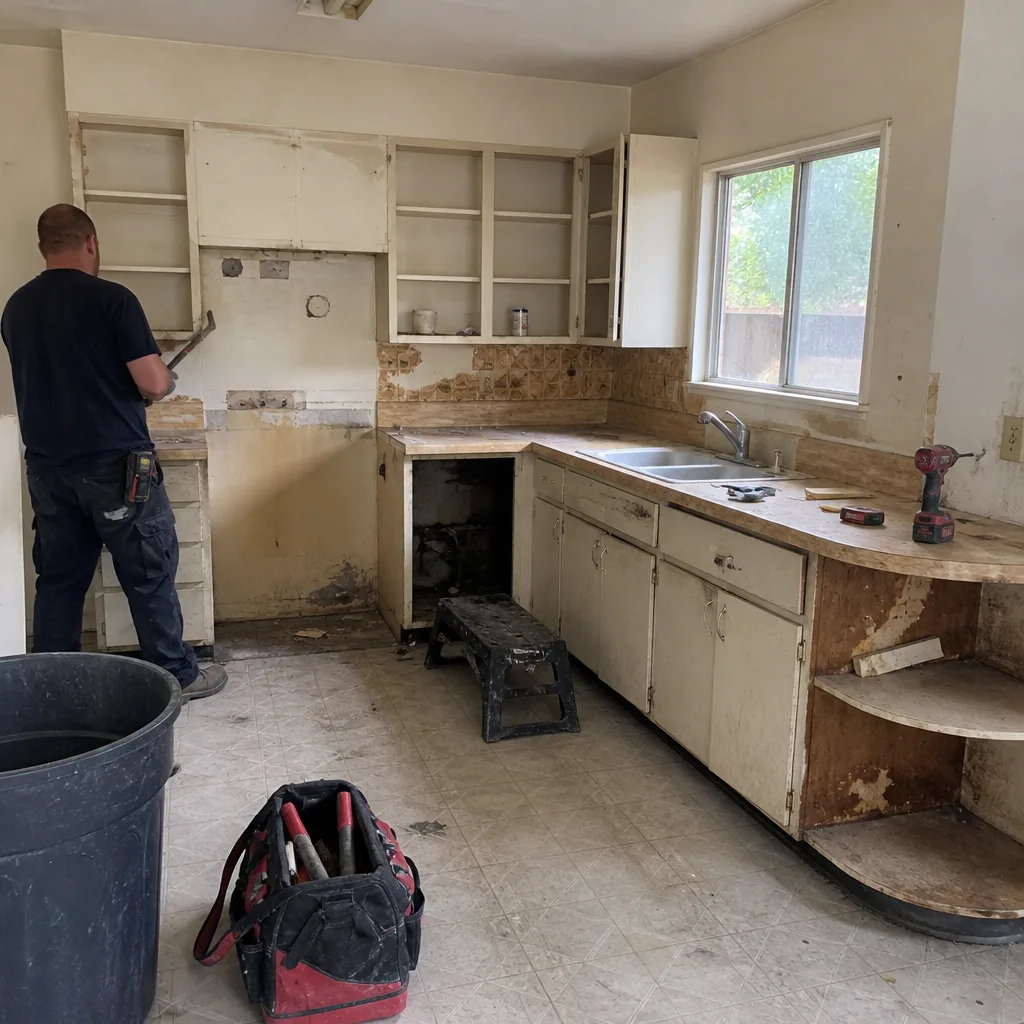 Before
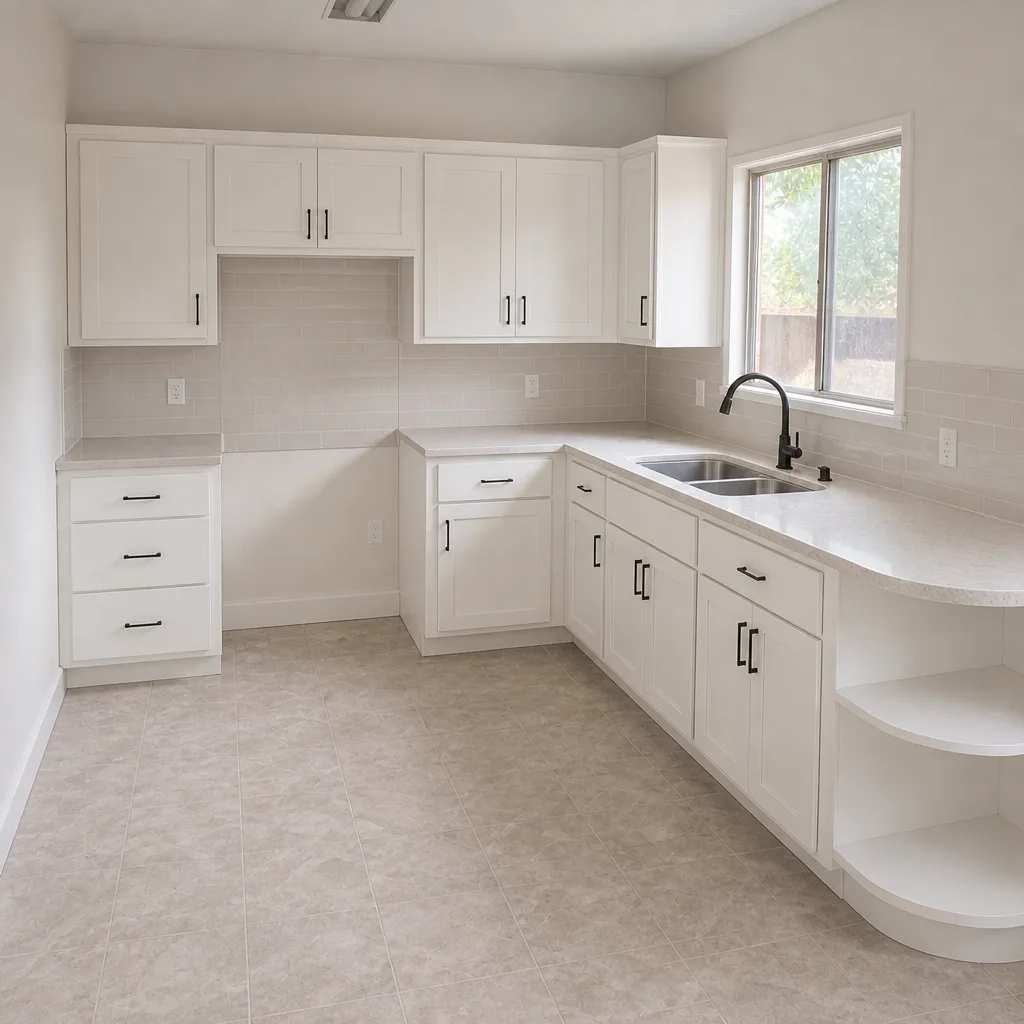 After
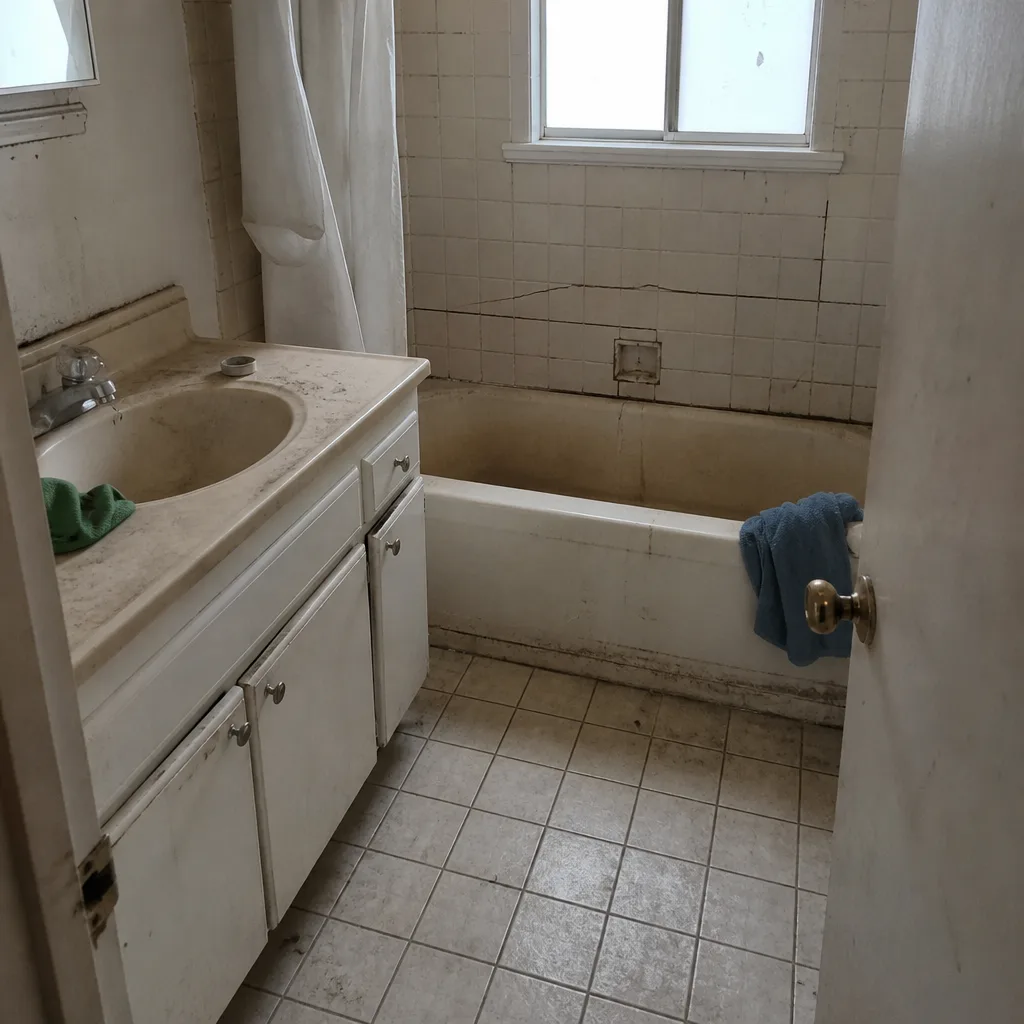 Before
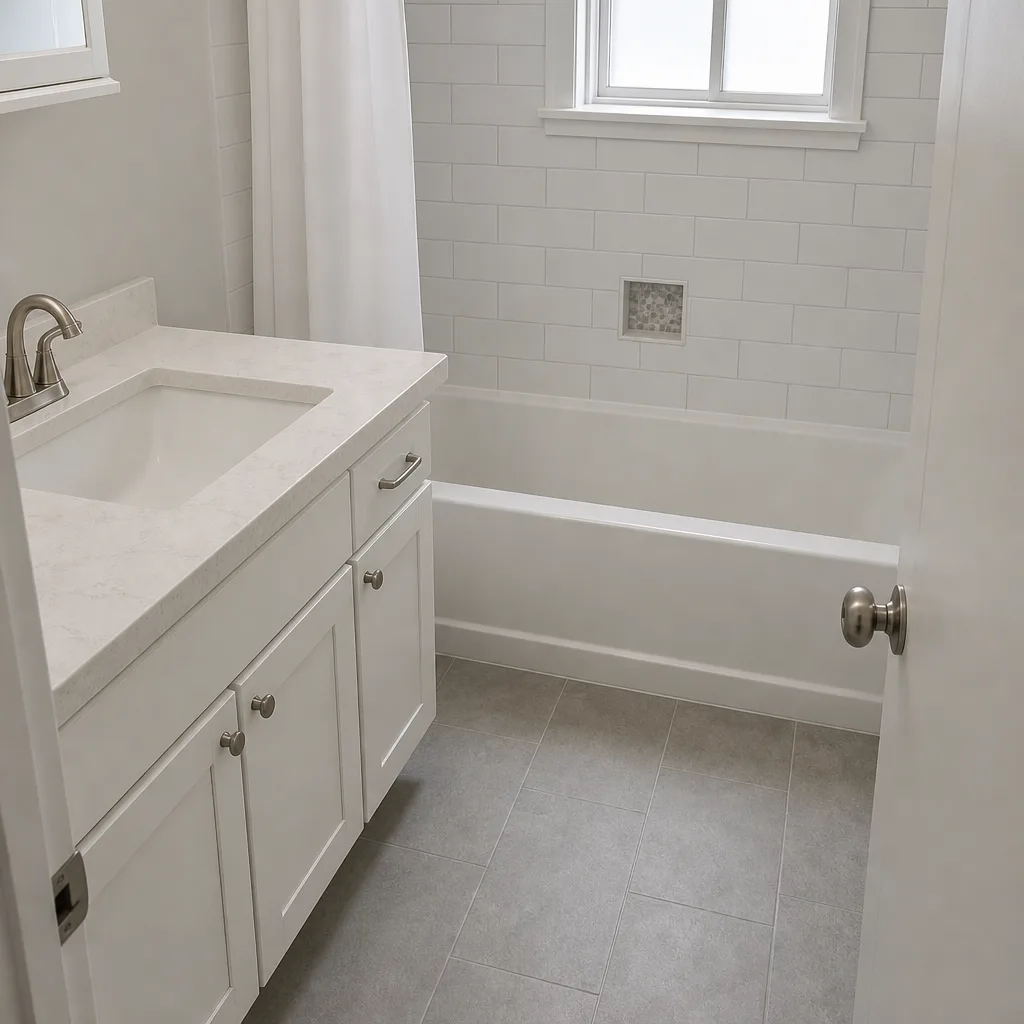 After
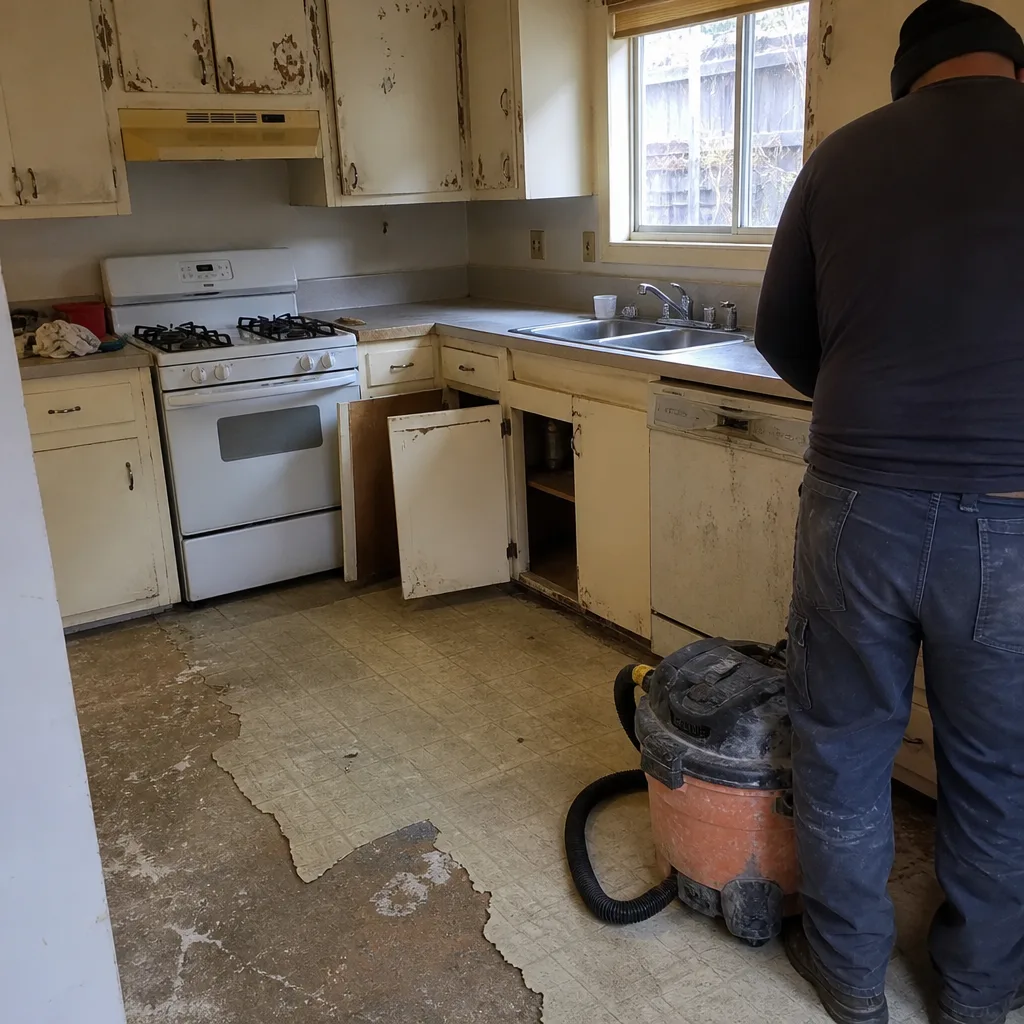 Before
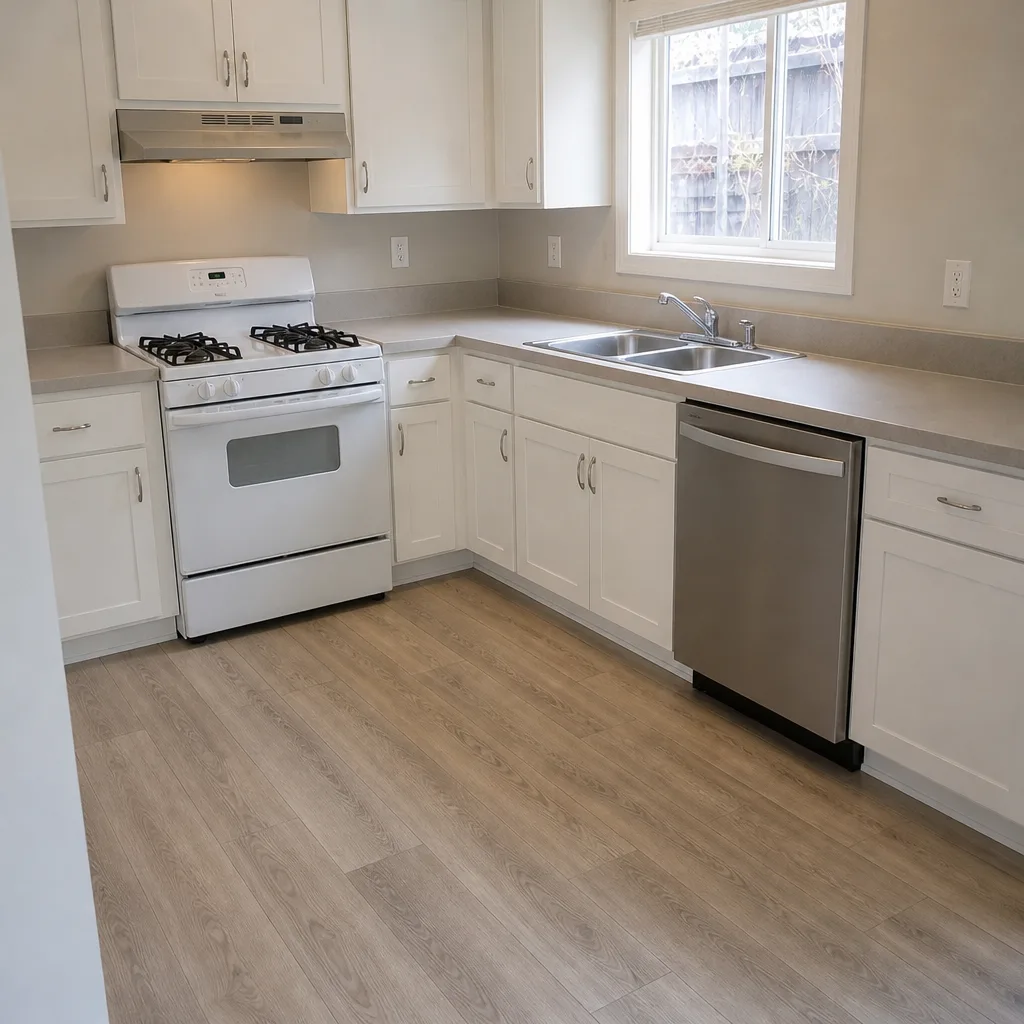 After
Frequently Asked Questions
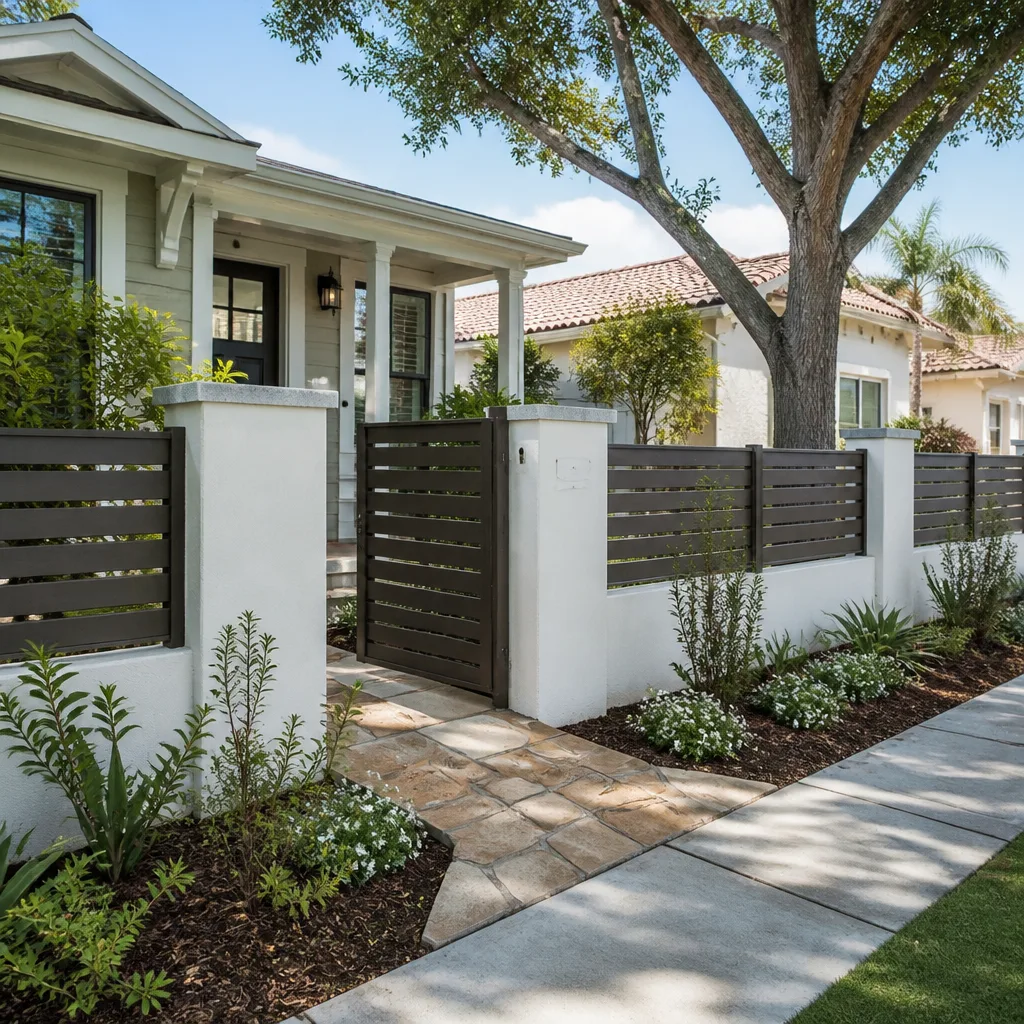
For a fence under six feet tall that doesn’t affect a corner lot sight line or a utility easement, yes, typically no building permit is required. Fences over six feet, and fences on corner lots, often trigger review. Check with the Santa Rosa permit office before you buy materials, because the review window alone can add a week.
Staining and sealing, board replacement, hardware swaps, and minor gate adjustments are the safest DIY fence tasks. These don’t touch a footing or require a permit, so the worst-case error is cosmetic. Anything that involves digging a new post hole or resetting an existing post carries structural risk and is worth hiring out.
Pricing depends on the material, fence height, linear footage, and site access. Wood fencing, composite, and ornamental metal all land in different ranges, and a proper quote has to reflect the specific property. What we can tell you is that every quote from us is a written line-item estimate with no change orders unless a scope change happens in writing first. Call (866) 864-4083 for a free estimate.
That’s the reverse of the hybrid we usually recommend, and it’s the riskiest split. Post setting is the part that requires the most skill and the part where a mistake is most expensive. If you’re going to self-perform any part of the project, self-perform the board hanging and finishing and hire out the layout and post setting.
Not directly from a policy standpoint, but an unpermitted fence over six feet, or a fence that fails an inspection, can complicate a claim if the fence is damaged in a storm or fire and the insurer asks for proof it was built to code. A permitted, inspected fence is simpler to document.
If fewer than 20 percent of the posts are failing and the rails are sound, repair is usually the smart move. If more than that share of the posts are out of plumb, heaving, or rotting at the base, replacement is often cheaper than a piecemeal rebuild. A free walk-through can tell you which side of that line you’re on. Call (866) 864-4083.
The Bottom Line
Fence installation looks simple because the planning phase is simple. The execution phase is where post layout, footing depth, permit inspection, and one shared property line stack up into three hard problems. Handle the finishing work yourself: staining, board swaps, hardware, minor gate adjustments. Hire out the layout and post setting, or go fully professional if the fence is over six feet, on a shared line, or in soil you don’t know well. The money you save on a hybrid job is real. The money you save by skipping post-setting quality is a leaning fence and a second bill to fix it.
Call (866) 864-4083 for a free estimate on your Santa Rosa fence project. Every eligible job comes with permits pulled and inspections signed, every price change is a written change order issued before any work is done, and every completed job is backed by our 90-Day Done Right Promise. A live person answers the phone, day or night.
Written by the team at Barrett & Sons Construction Santa Rosa.