Last updated November 18, 2026
Free written scope consultation - allowances, timeline, and change-order rules on paper before a single trade is scheduled
The Complete Fence Installation Guide for Santa Rosa Homeowners
California’s Good Neighbor Fence law may entitle your neighbor to half the cost of a fence on a shared property line, but only if you notify them in writing first. Almost nobody does. That single missed letter is where most Santa Rosa fence disputes begin, and it’s rarely the only rule in play. A fence in Santa Rosa sits at the intersection of three overlapping rule sets: City of Santa Rosa zoning, California’s shared-fence statutes, and HOA CC&Rs where they apply. This guide maps all three before a post hole gets dug, covering height limits by zone, boundary surveys in Sonoma County, material choices built for the marine layer, the written notice process, and the 811 utility locate that isn’t optional.
Quick Answer
In Santa Rosa, fence installation requires a building permit in most cases, height limits that top out around 6 feet in rear and side yards and 3 to 4 feet in front yards depending on your zone, and a written notice to any neighbor sharing the property line before you build and ask them to split the cost. Call 811 for utility locates at least two business days before digging. Materials suited to Sonoma County’s moisture include redwood, cedar, and aluminum; vinyl performs worse where the marine layer sits.
Styles & brands we work with
- Kitchen remodeling
- Bathroom remodeling
- Home additions & ADU
- Roofing
- Windows & doors
- Driveway & pavers
- Fence
Table of Contents
- What fence height does Santa Rosa allow?
- How do you read a property survey before digging?
- Which fence materials hold up in Sonoma County?
- How does California’s Good Neighbor Fence law work?
- How do you find underground utilities before digging?
- Do you need a permit for a fence in Santa Rosa?
- Common mistakes to avoid
- When to call a professional
What fence height does Santa Rosa allow?
Santa Rosa’s residential zoning code generally caps fences at 6 feet in rear and side yards and at 3 feet in front yards, with 4 feet allowed in some front-yard situations when the fence is at least partly open (pickets, lattice, or similar). Corner lots get hit with an extra layer: sight-distance triangles at intersections restrict fence height near the corner so drivers can see past the property line. If you’ve ever driven through Rincon Valley and wondered why one corner house has a low fence and the house next door has a tall one, this is usually why.
The published numbers are where most homeowners stop reading, and where the trouble starts. Setbacks from the property line, the exact definition of “front yard” on a through-lot, and the measurement height (from finished grade, not from the bottom of the post) all affect whether your plan clears review. Here’s the short list of rules to check before you buy lumber:
- Rear and side yards: typically 6 feet maximum in R-1 residential zones.
- Front yards: typically 3 feet, with 4 feet allowed for open-style designs in many zones.
- Corner lots: sight-distance triangle at the corner tightens the limit regardless of yard type.
- Through-lots and double-frontage lots: both street-facing sides may count as front yards.
- Hillside and view districts: additional view-preservation rules may apply in specific neighborhoods.
Where Santa Rosa is stricter than the state default: the city’s sight-distance and front-yard rules are tighter than most of California, and the city measures height from existing grade, which matters when your yard slopes. On a sloped lot in Bennett Valley, a 6-foot fence on the downhill side of a property line can look like an 8-foot fence from your neighbor’s kitchen window. The inspector measures the fence, but the neighbor measures the view. Both matter. If you’re unsure which zone your lot falls under, a quick zoning check through the City of Santa Rosa’s planning counter will settle it before you order materials.
How do you read a property survey before digging?
A property survey tells you exactly where your property line runs, and that line is what every fence decision depends on. Without one, you’re guessing, and a fence built 6 inches onto a neighbor’s land is a legal problem the day the neighbor notices. Surveys also flag easements, utility corridors, and encroachments you didn’t know about, all of which can block or reroute your fence plan.
If you don’t have a survey, you have three reasonable options:
- Pull the recorded plat or parcel map. Sonoma County’s recorder’s office has these on file, but the plat shows lot dimensions, not physical markers.
- Hire a licensed land surveyor for a boundary survey. In Sonoma County, expect roughly $600 to $1,500 for a typical residential lot, and a turnaround of two to four weeks depending on the surveyor’s schedule and the complexity of the property.
- Ask for a corner record or existing monument search. Cheaper than a full boundary survey, and sometimes enough if the original monuments still exist.
Reading the survey itself: the property line is drawn as a straight line between two marked corners, and those corners are usually tied to physical monuments (iron pipes, brass caps, or concrete markers). The distance in feet between corners should match the surveyor’s notes. Easements appear as shaded strips or dashed lines, often labeled “P.U.E.” for public utility easement. If a fence would sit inside a utility easement, the utility company can require you to remove it later, at your cost. That’s the kind of clause that should stop the project before it starts. We see this most often on older lots in the West End and on properties carved from larger ranches in the outer county.
Which fence materials hold up in Sonoma County?
The marine layer that rolls over Santa Rosa in summer and sits through the wet season is the single biggest factor in fence longevity here. It accelerates rot in wood, drives mold on vinyl, and eats through cheap metal fasteners. Four materials dominate the local market, and each has a clear best-use case.
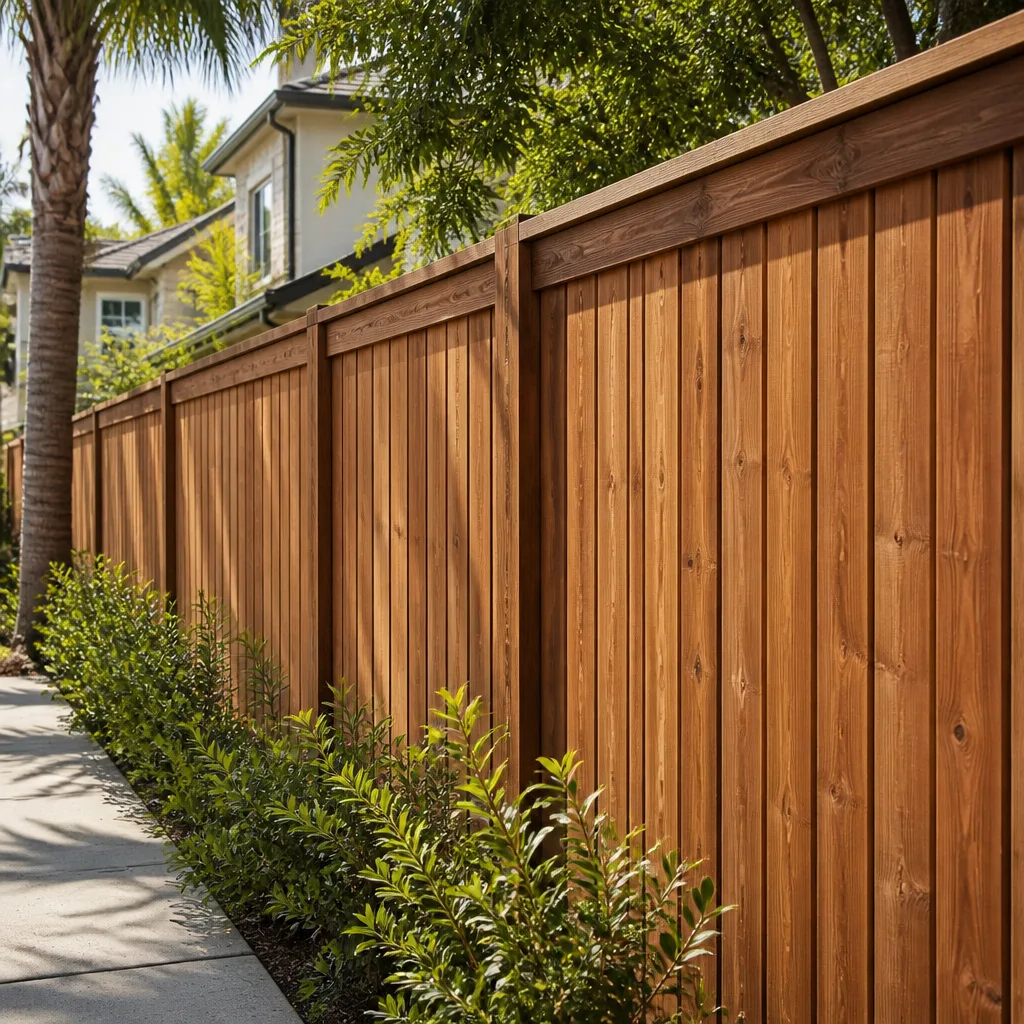
- Redwood: the local standard. Naturally rot-resistant, ages to a soft gray if left unfinished, and takes stain well. Expect 15 to 25 years of service life with reasonable care. Best for privacy fences.
- Cedar: lighter than redwood, similar rot resistance, more dimensionally stable. Slightly more expensive in Santa Rosa because it’s trucked in from the north. A strong choice for gates and high-visibility runs.
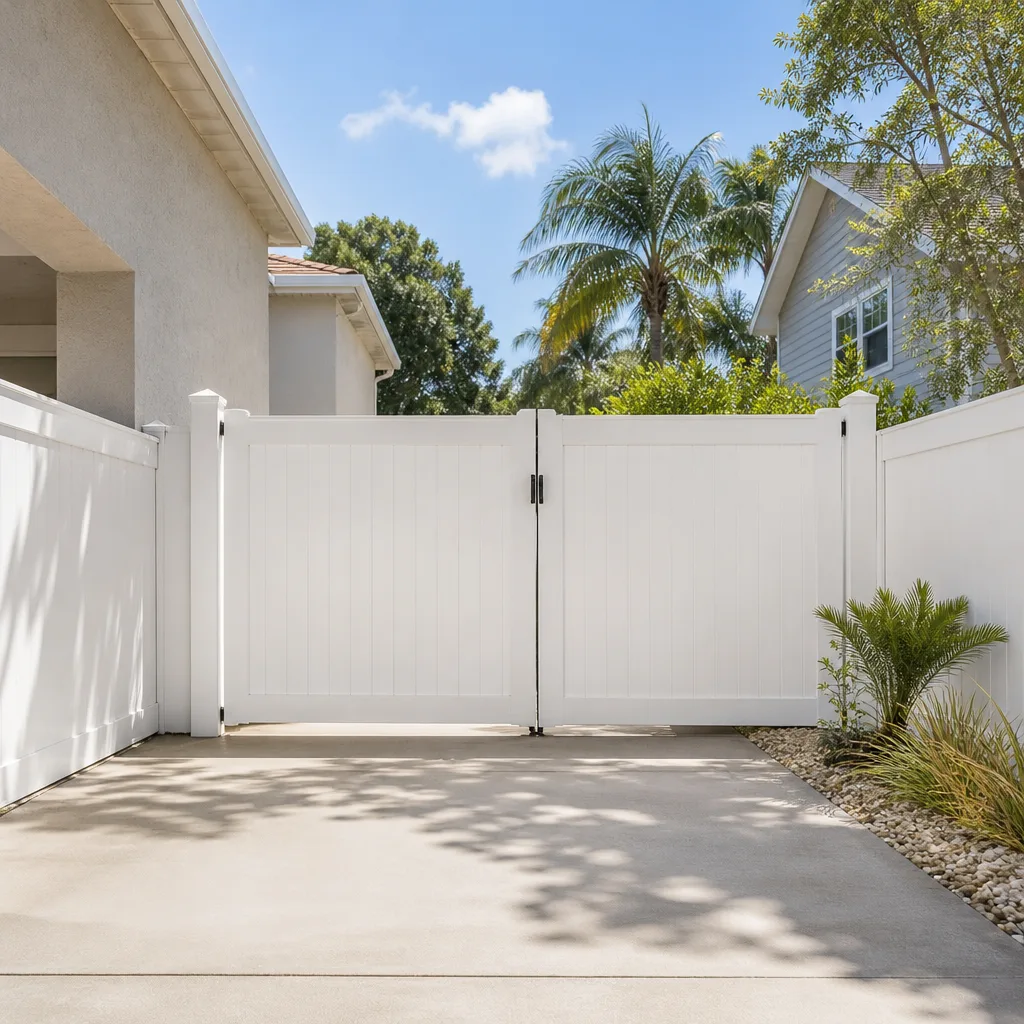
- Vinyl: low maintenance and never needs staining, but Santa Rosa’s moisture and summer sun can yellow cheaper grades and crack them at stress points. Buy higher-grade vinyl or skip it.
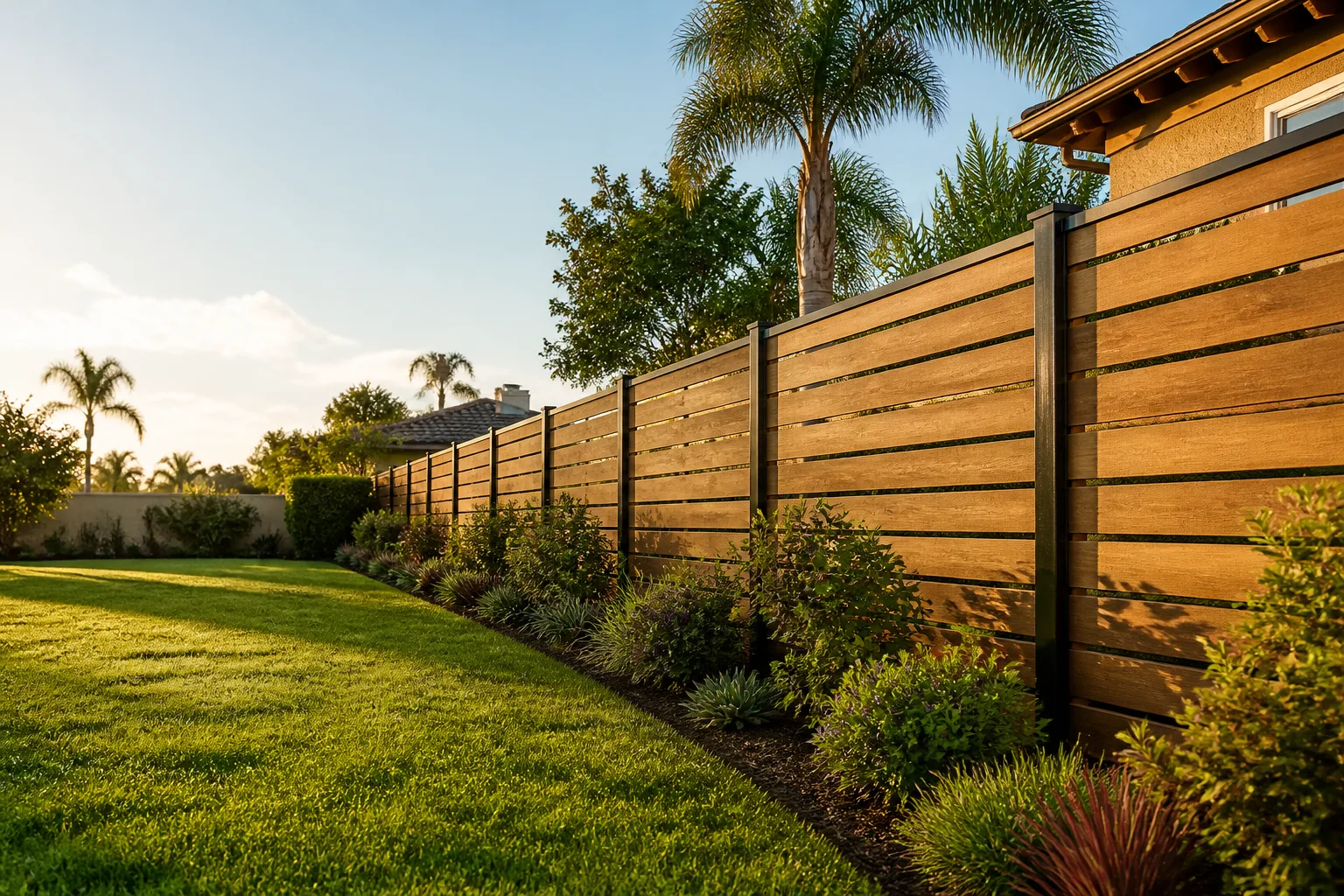
- Aluminum: the right call for front-yard fences and pool enclosures. Doesn’t rot, doesn’t need paint, and meets the open-design requirement for taller front-yard fences.
What we tell homeowners in West Santa Rosa and along the Santa Rosa Creek corridor: the fog sits heaviest there, and any wood fence will rot faster than the same fence on the east side of town near Annadel. Post settings matter more than material choice. Concrete-set posts with proper drainage outlast gravel-set posts by years in the creek-side neighborhoods. If you want a fence that matches an existing hardscape, the same care applies to Driveway & Pavers in Santa Rosa work, and the same brands show up on the material list.
How does California’s Good Neighbor Fence law work?
California Civil Code Sections 841 and 841.5 govern shared fences between adjacent properties. The short version: if a fence sits on or near a shared property line and benefits both properties, either neighbor can ask the other to share the cost, and if both agree, the cost is typically split 50/50. The neighbor who initiates the fence has to give written notice before construction, and that notice has to include specific information.
Here’s what a compliant notice should contain, per the statute:
- A statement that the neighbor is proposing to build, replace, or repair a fence on the shared property line.
- A description of the fence, including materials, height, and placement.
- The estimated total cost and what portion you’re asking the neighbor to pay.
- A proposed timeline for the work.
- Notice that the neighbor has 30 days to respond in writing.
What happens if you skip the notice: the neighbor can dispute the cost after the fence is up, refuse to pay, and in some cases challenge the fence placement itself. The statute gives them leverage because you didn’t follow the process. This is the single most common fence mistake we see in Santa Rosa, and it’s entirely avoidable. Put the notice in writing, hand it to the neighbor directly or send it certified mail, and keep a copy. If they agree in writing, you’ve locked in the cost split. If they don’t respond within 30 days, the law treats that as refusal, and you proceed at your own cost, which is usually better than a dispute.
One more wrinkle: Civil Code 841.5 requires the initiating neighbor to notify the other of their right to receive a copy of the notice, and 841.7 allows the parties to record an agreement with the county. In practice, we recommend recording any cost-split agreement for fences over about $3,000. It protects both sides if the property sells.
How do you find underground utilities before digging?
Calling 811 before you dig isn’t optional in California. It’s required, and for good reason. A hit gas line in a Santa Rosa backyard is not a small event. The free locate service dispatches utilities to mark their lines, and the marks tell you where you cannot dig. Skip the call and hit a line, and you’re on the hook for the repair and any injury downstream.
The process:
- Call 811 or submit a ticket online at least two business days before digging. In practice, in Sonoma County, plan for three to five business days for all utilities to respond.
- Mark the proposed dig area with white paint or flags. The 811 service needs a clearly defined area.
- Wait for the marks. Different colors mean different utilities: red for electric, yellow for gas, orange for communications, blue for water, green for sewer.
- Hand-dig within the tolerance zone (typically 24 inches on either side of the marks) to confirm depth and location. Don’t machine-dig near marks.
- Keep the ticket number. If a line isn’t marked and you hit it, the ticket proves you followed the process.
Utilities mark only what they own. Private lines (a landscape lighting run, an irrigation main, a septic line to an outbuilding) are your responsibility, and you’ll need a private locator. In Santa Rosa, the city’s water and sewer lines plus PG&E gas and electric will come through the 811 process, but a private fence-line run from an old panel is on you. If you’re not sure what’s under the yard, a private locate runs a few hundred dollars and is cheaper than a gas line repair.
Do you need a permit for a fence in Santa Rosa?
Yes, in most cases. Santa Rosa requires a building permit for fences over 6 feet, for any fence on a corner lot sight-distance area, and for fences in the front-yard setback where the height exceeds the open-fence allowance. Fences under the height limits in the rear and side yards of a standard R-1 lot generally don’t need one, but the exceptions are wide enough that pulling a permit is the safer call. The permit process is how the city verifies height, placement, and sight-distance compliance before the fence is up, not after.
What the permit process actually involves:
- Submit a site plan showing property lines, proposed fence location, height, and materials.
- Include the survey if available, or a dimensioned plot plan if not.
- Pay the permit fee, which for a residential fence typically runs a few hundred dollars.
- Schedule the inspection. The inspector checks height, placement, post depth, and set-backs.
Pulling permits is one of those things most contractors will tell you to skip because it slows the job down. In our experience, the inspector works for the homeowner, not the contractor. A signed inspection is a document you keep, and it’s your proof the fence meets code if you ever sell the house. That’s part of why we pull and sign on every eligible job, not just the ones where the city catches it. For larger scope projects, the same permitting logic lives in our Home Additions & ADU in Santa Rosa work and in the fence side of our Fence Installation in Santa Rosa service.
If you’re hiring, ask to see the permit before the crew shows up. A contractor who won’t pull a permit for a fence is telling you something about how they treat every other part of the job.
Common Mistakes to Avoid
- Digging before the 811 marks are in. Even a shallow post hole can hit a gas or irrigation line. Wait for the marks and hand-dig within the tolerance zone.
- Building to the property line without a survey. A 6-inch error on a shared line is a legal problem, not a construction problem, and it’s expensive to fix after the fact. Get the survey first.
- Skipping the Good Neighbor notice. If you want cost-sharing, the notice has to go out in writing before the work starts. A verbal agreement doesn’t survive the first disagreement.
- Choosing vinyl for the fog belt. West Santa Rosa and the creek corridor hold moisture longer, and lower-grade vinyl yellows and cracks there. Pick a material suited to the site.
- Treating the front yard like the back yard. The 3-foot front-yard limit applies to most Santa Rosa lots, and corner lots have an even tighter sight-distance triangle at the corner.
- Ignoring HOA CC&Rs. An HOA can require approval for fence style, color, height, and placement, and their rules can be stricter than the city’s. Check before you buy materials.
- Setting posts in gravel on a moisture-heavy lot. Concrete-set posts with proper drainage outlast gravel-set posts by years in the fog belt, and the cost difference is small.
See the difference
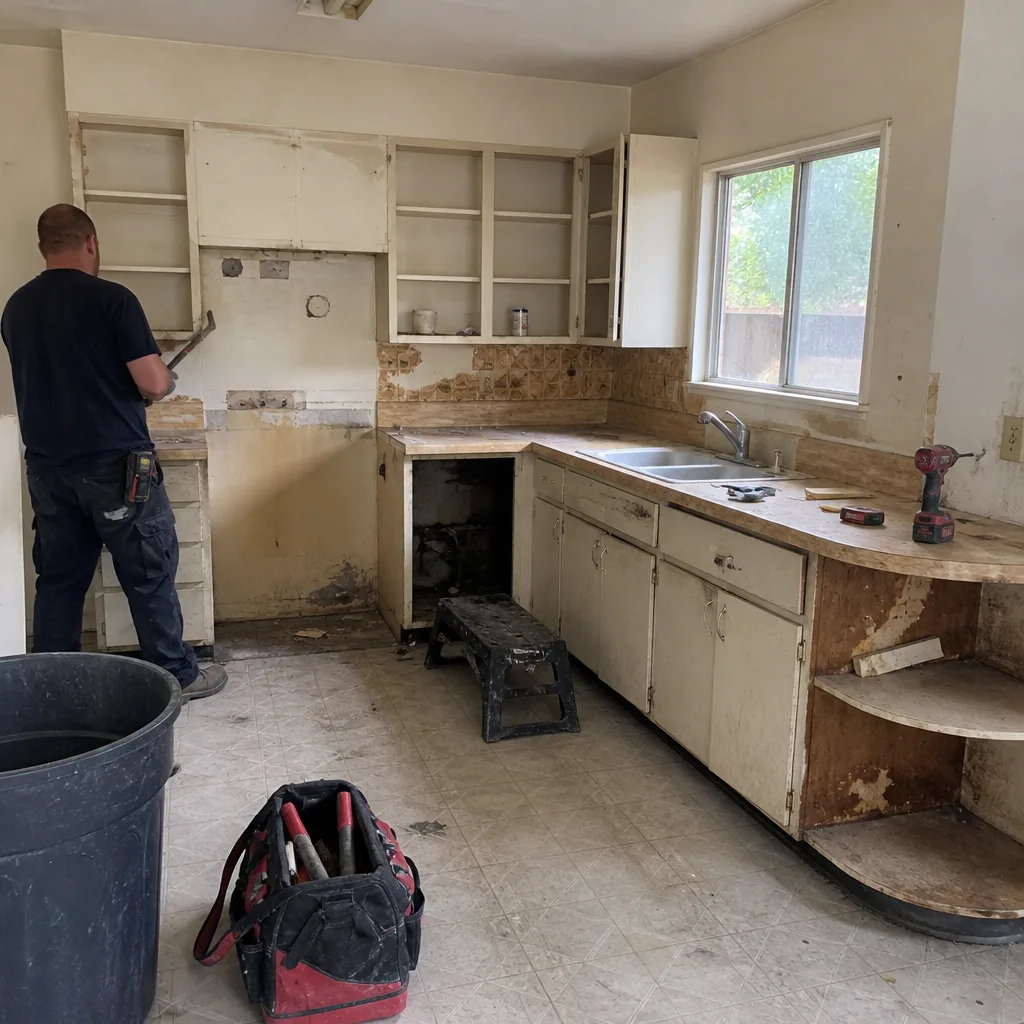 Before
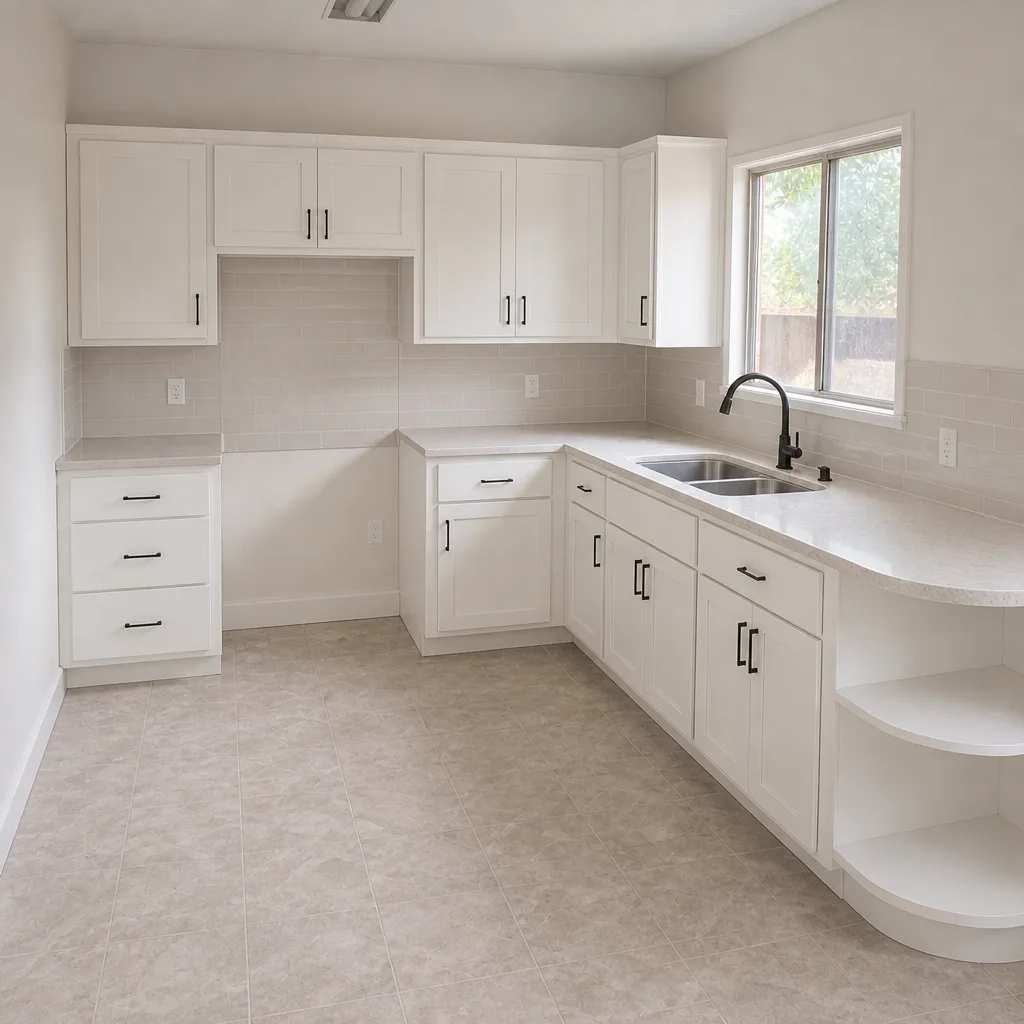 After
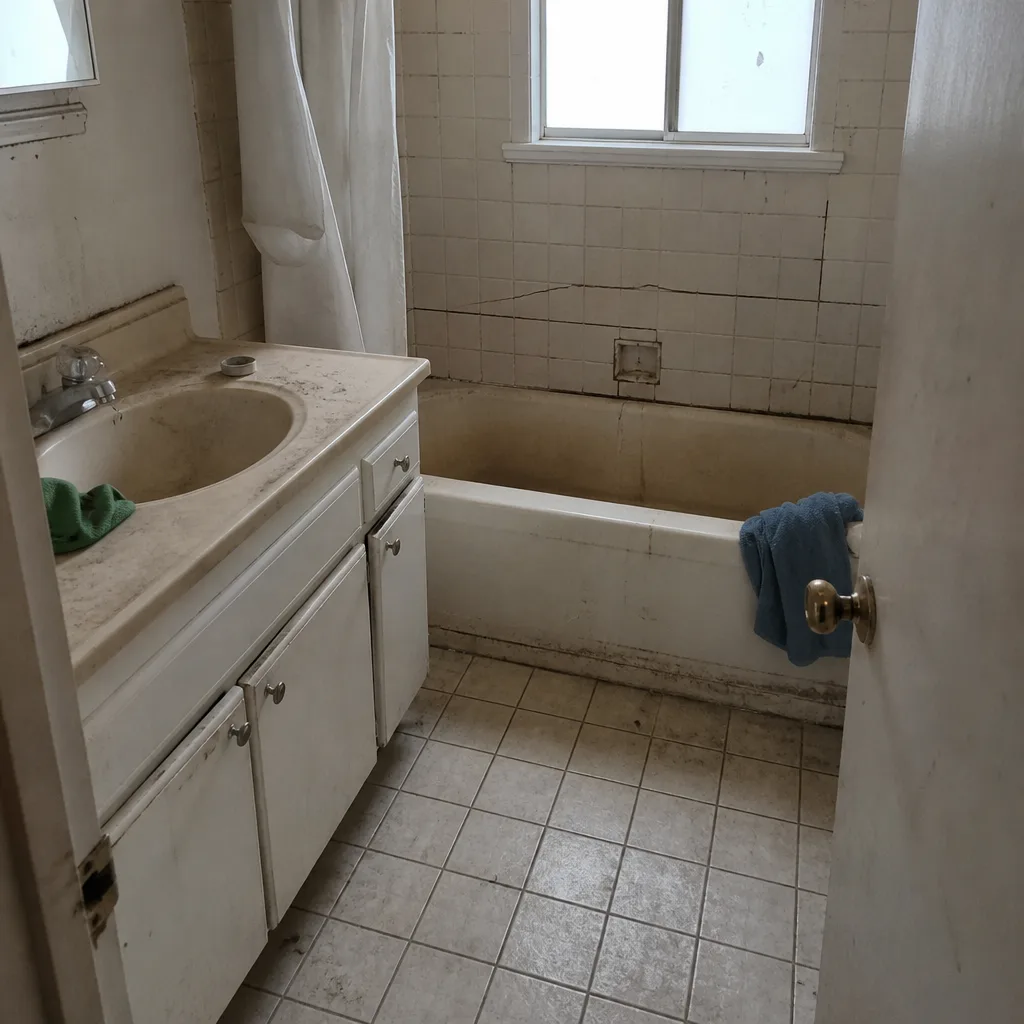 Before
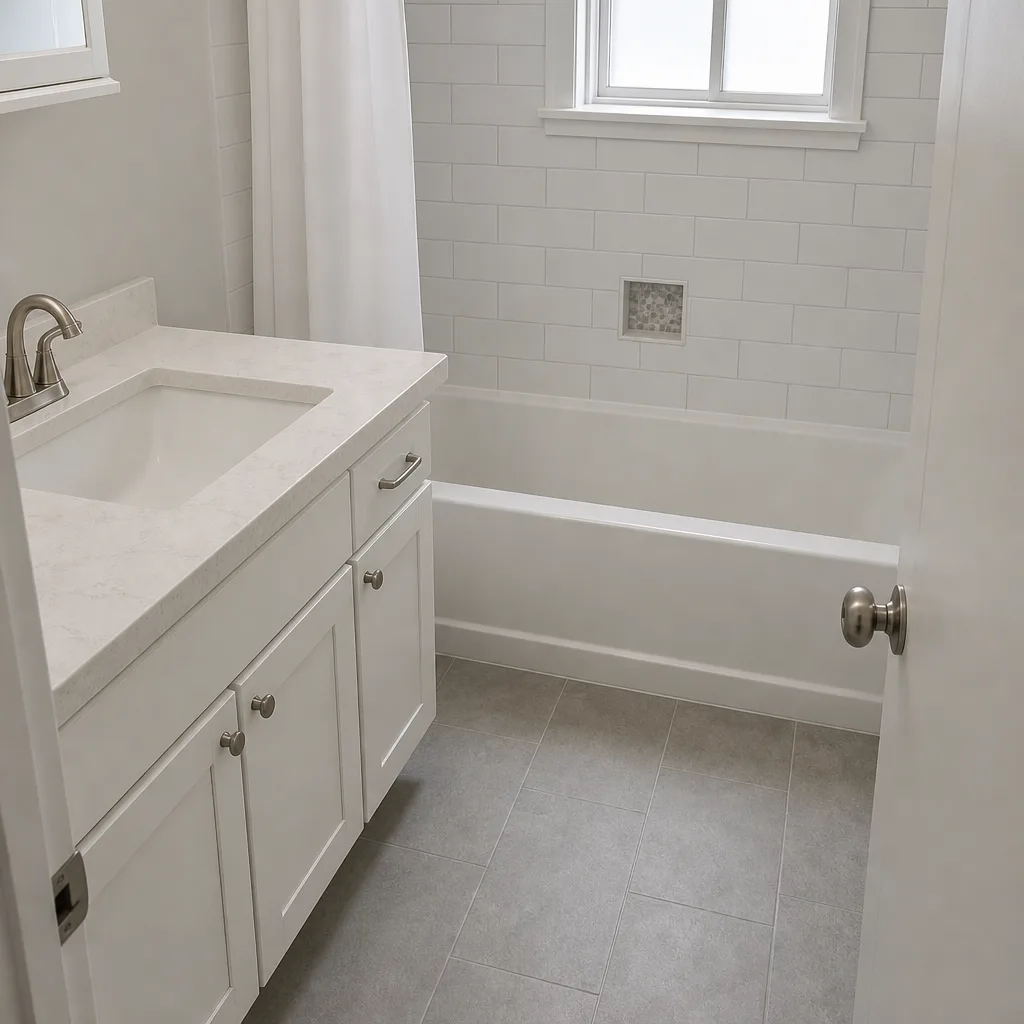 After
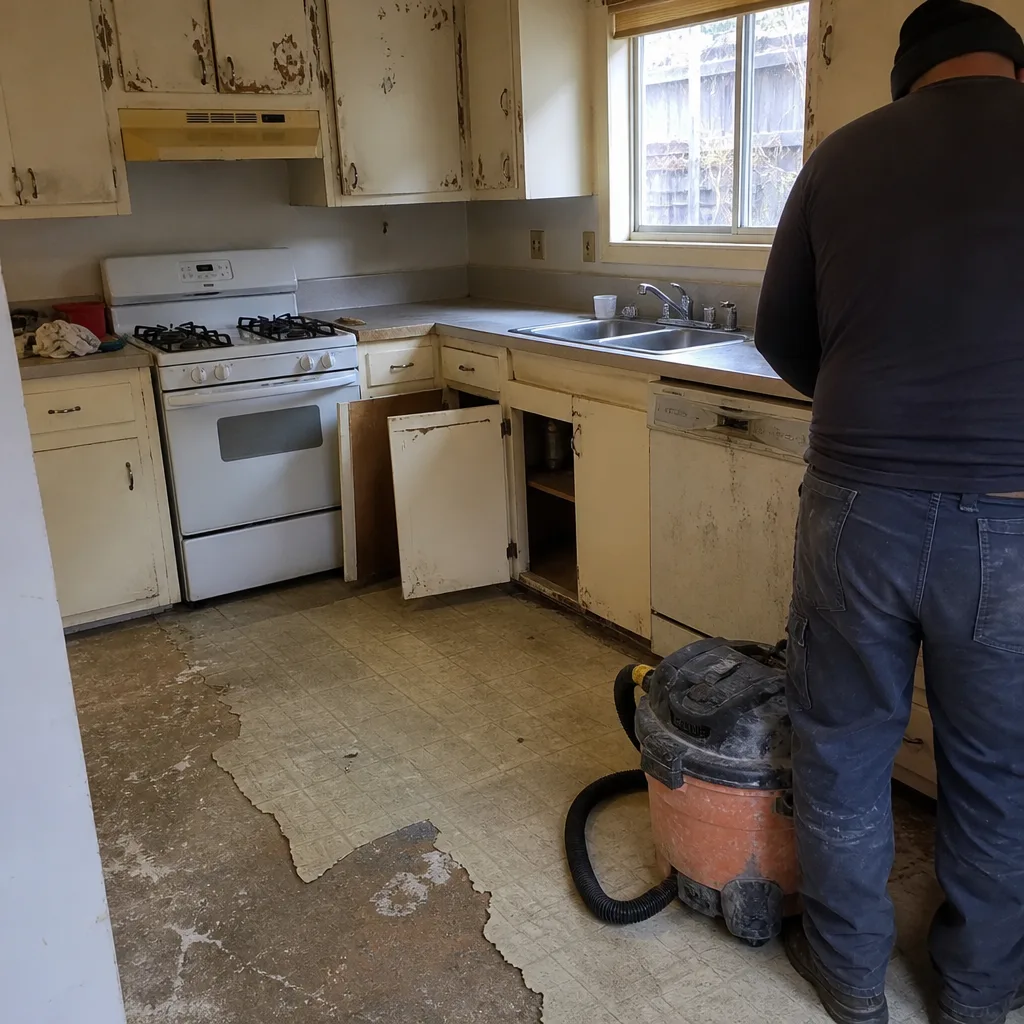 Before
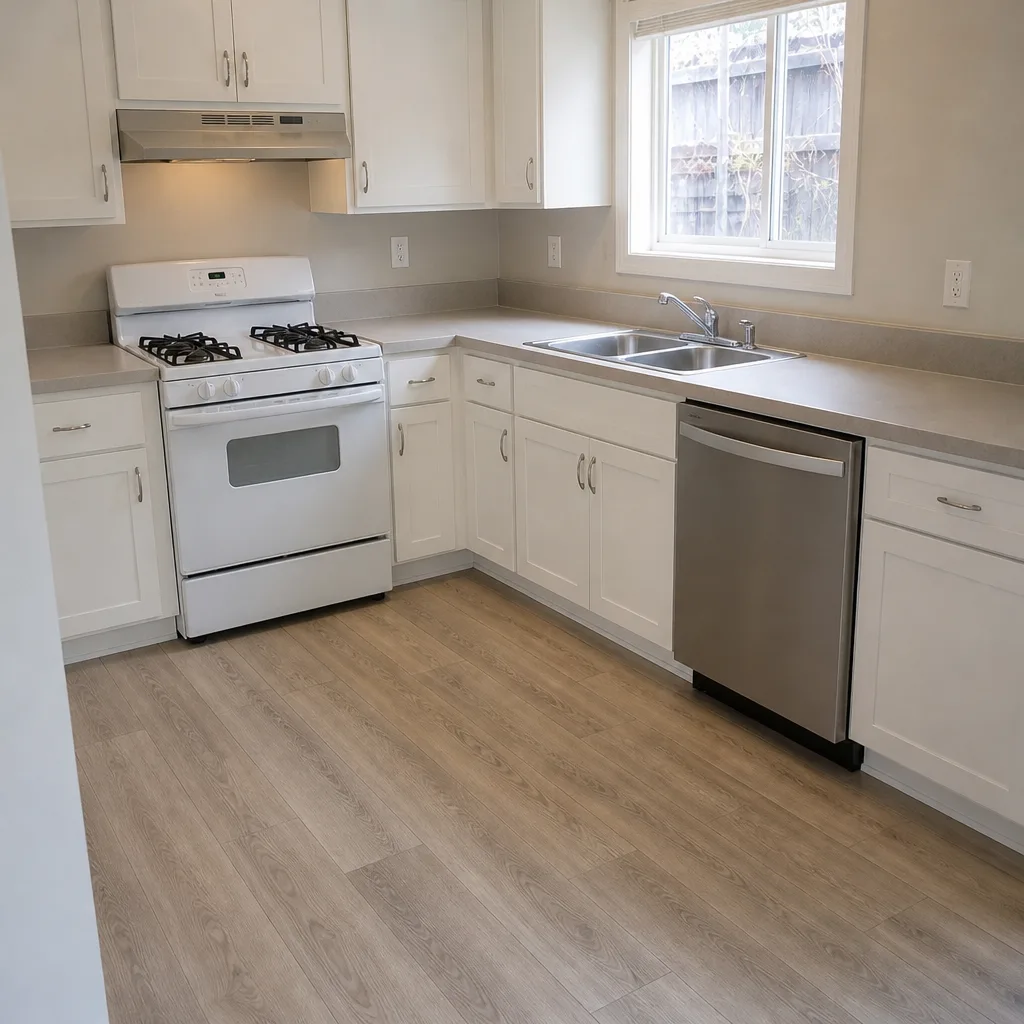 After
When to Call a Professional
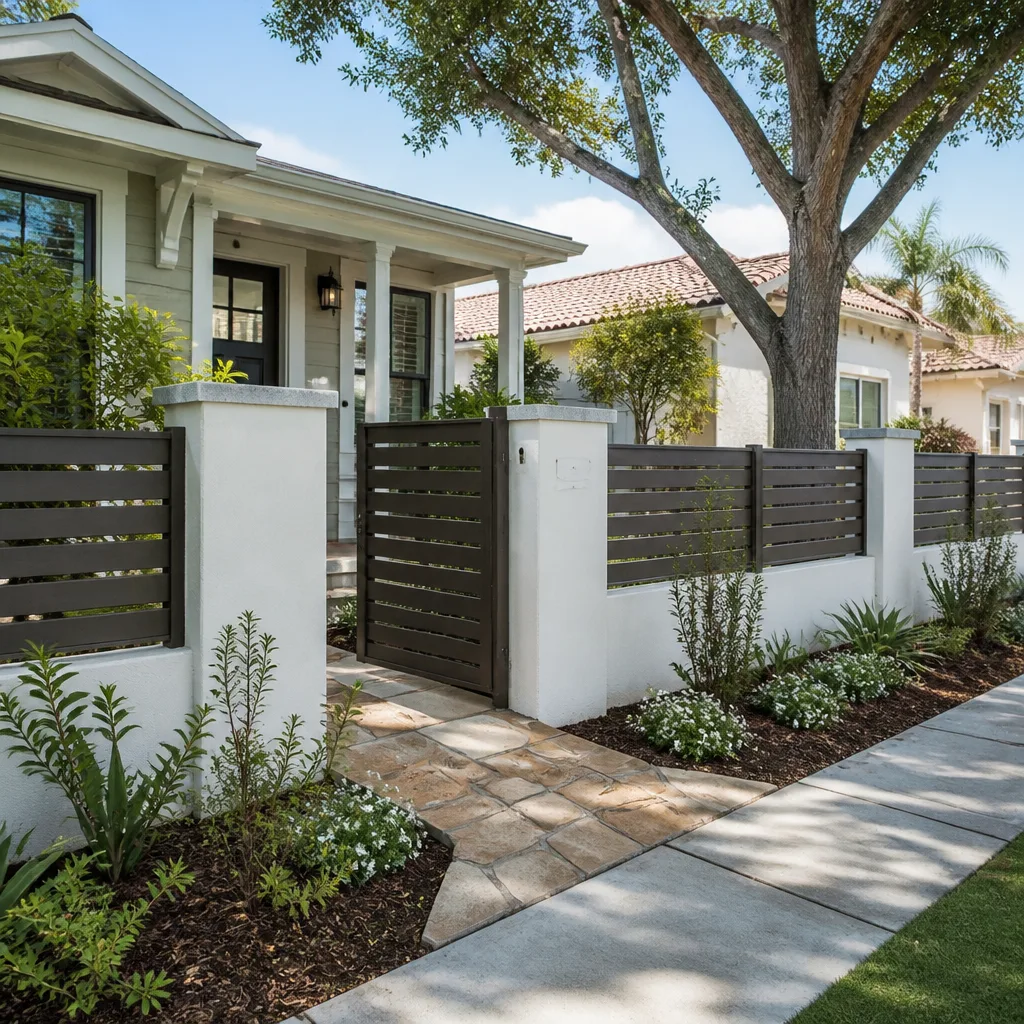
Some fence jobs are genuinely DIY-able: a short picket run in the back yard, pulling a section to repair storm damage, resetting a single post. Call a professional when the job involves any of the following. A shared property line with a neighbor whose agreement you need in writing. A corner lot with sight-distance rules. A slope. A fence over 6 feet. A permit requirement. Utilities you can’t see. Or a material you’ve never worked with, like aluminum or a post system that needs specific footings. Any one of those is a reason to bring in someone who has done it before. More than one of them at once and the DIY savings disappear.
Barrett & Sons Construction Santa Rosa offers free estimates in Santa Rosa and pulls every eligible permit for fence work. We’ll walk the property line with you, review the survey if you have one, and put the scope, materials, and price on paper before anyone digs. Call (866) 864-4083 to schedule a visit. The number is answered by a live person, and you’ll get a written quote you can keep.
Frequently Asked Questions
A residential fence permit in Santa Rosa typically runs a few hundred dollars depending on the scope, height, and whether the fence is on a corner lot or in a front-yard setback. The permit is issued through the city’s building department, and the fee is separate from construction cost. Call (866) 864-4083 to discuss your project and get an exact quote on the total, including permits.
Yes. California’s Good Neighbor Fence law allows either neighbor to ask for a cost share, but it doesn’t force the other to pay. If the neighbor doesn’t respond within 30 days of written notice, the law treats that as refusal and you proceed at your own cost. Get the notice in writing and keep a copy, because the process is what protects you if the dispute goes further. Call (866) 864-4083 for help navigating a shared-property-line project.
Redwood and cedar are the strongest choices for most Santa Rosa yards, especially in the fog belt and along the creek corridor where moisture sits through the wet season. Aluminum is the right option for front-yard fences and pool enclosures because it meets the open-design requirement and doesn’t rot. Higher-grade vinyl can work in sunnier parts of town but tends to yellow and crack in the moisture-heavy neighborhoods. Call (866) 864-4083 to talk through material options for your specific site.
You don’t strictly need one, but building without a survey means you’re guessing where the property line sits, and a 6-inch error is a legal problem that’s expensive to unwind. A boundary survey in Sonoma County typically runs $600 to $1,500 and takes two to four weeks. If the original monuments still exist, a corner record search can cost less. Call (866) 864-4083 if you want help interpreting a survey before the fence goes in.
Most residential fences in Santa Rosa set posts 24 to 36 inches deep, with the post bottom below the frost line and backfilled with concrete or compacted gravel. Depth depends on fence height, wind exposure, and soil conditions. In the clay-heavy soils common on the east side of town, posts need wider footings than in the sandy loam near the river. Call (866) 864-4083 for a site-specific recommendation.
A typical residential fence of 100 to 150 linear feet takes two to three working days for the build, plus time for the permit and for the 811 locate. Locates usually run three to five business days in Sonoma County, and permit turnaround varies with the city’s current queue. Plan on two to four weeks from first call to finished fence for most jobs. Call (866) 864-4083 to schedule an estimate and get a timeline for your project.
The Bottom Line
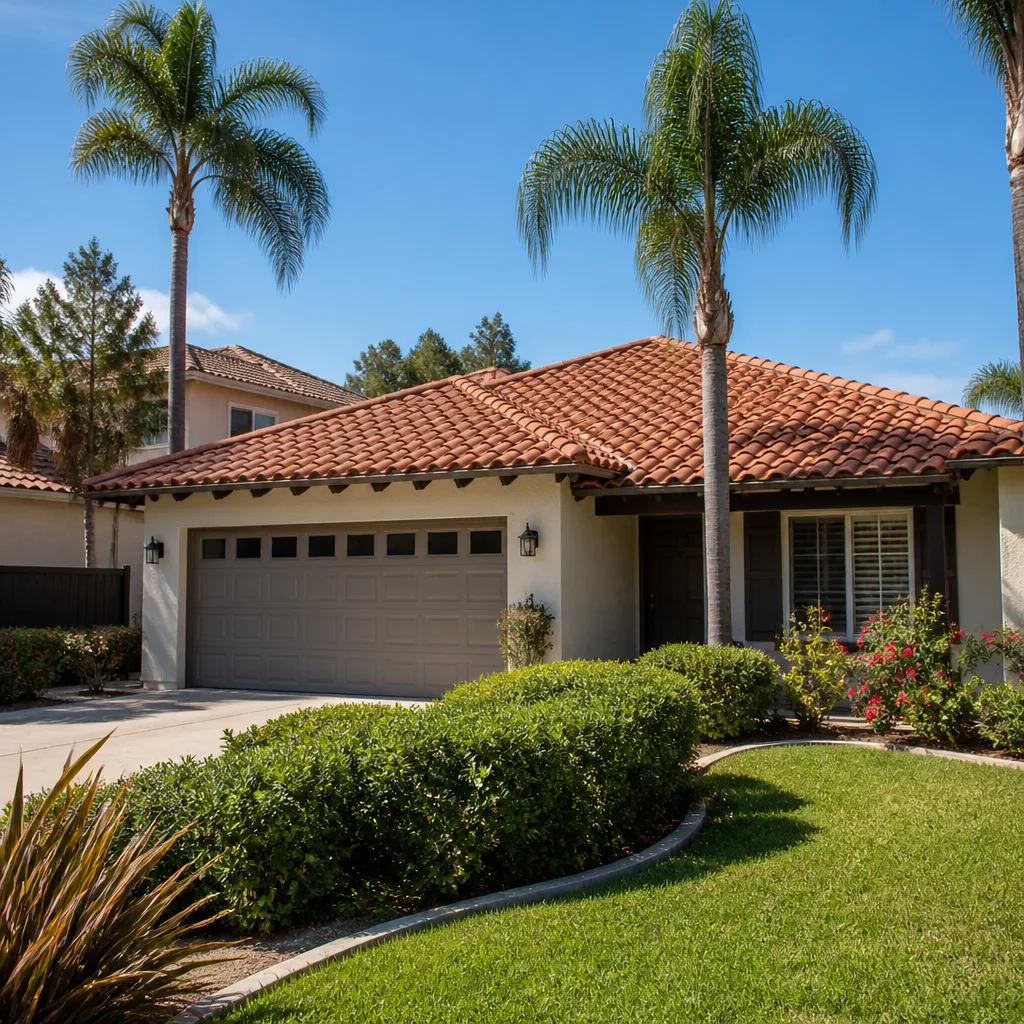
A fence in Santa Rosa sits inside three rule sets that most homeowners don’t discover until something goes wrong: City of Santa Rosa zoning on height and placement, California’s Good Neighbor Fence law on shared cost, and HOA CC&Rs where they apply. The path through all three is the same. Get a survey or at minimum a plat and a corner check. Send the Good Neighbor notice in writing before you build and keep a copy. Call 811 and wait for the marks. Pick a material built for the marine layer, redwood, cedar, or aluminum, not cheap vinyl. Pull the permit and pass the inspection. Every step is cheap on paper and expensive to fix later. Do the paperwork first, then dig.
Barrett & Sons Construction Santa Rosa handles fence installation, permits, and shared-property-line projects across Santa Rosa and the surrounding Sonoma County communities. Call (866) 864-4083 for a free estimate, or stop by the office to look at materials in person.
Written by the team at Barrett & Sons Construction Santa Rosa.