Last updated November 18, 2026
Free written scope consultation - allowances, timeline, and change-order rules on paper before a single trade is scheduled
The Complete Driveway & Pavers Guide for Santa Rosa Homeowners
Most paver driveways in Santa Rosa don’t fail at the surface. They fail six inches underground, in a base that was designed for somewhere with better-draining soil. That’s the thing nobody tells you when you’re staring at a catalog of pretty colors and patterns: the pavers are almost an afterthought. The work that decides whether your driveway looks new in 2031 or has ruts and heaves by 2030 happens before a single stone gets set, and it happens in clay. This guide covers what Santa Rosa’s soil and weather actually demand, how the city’s permit rules differ from Petaluma and Windsor, which materials survive our wet-dry swing, and the exact questions to ask before you sign anything.
Quick Answer
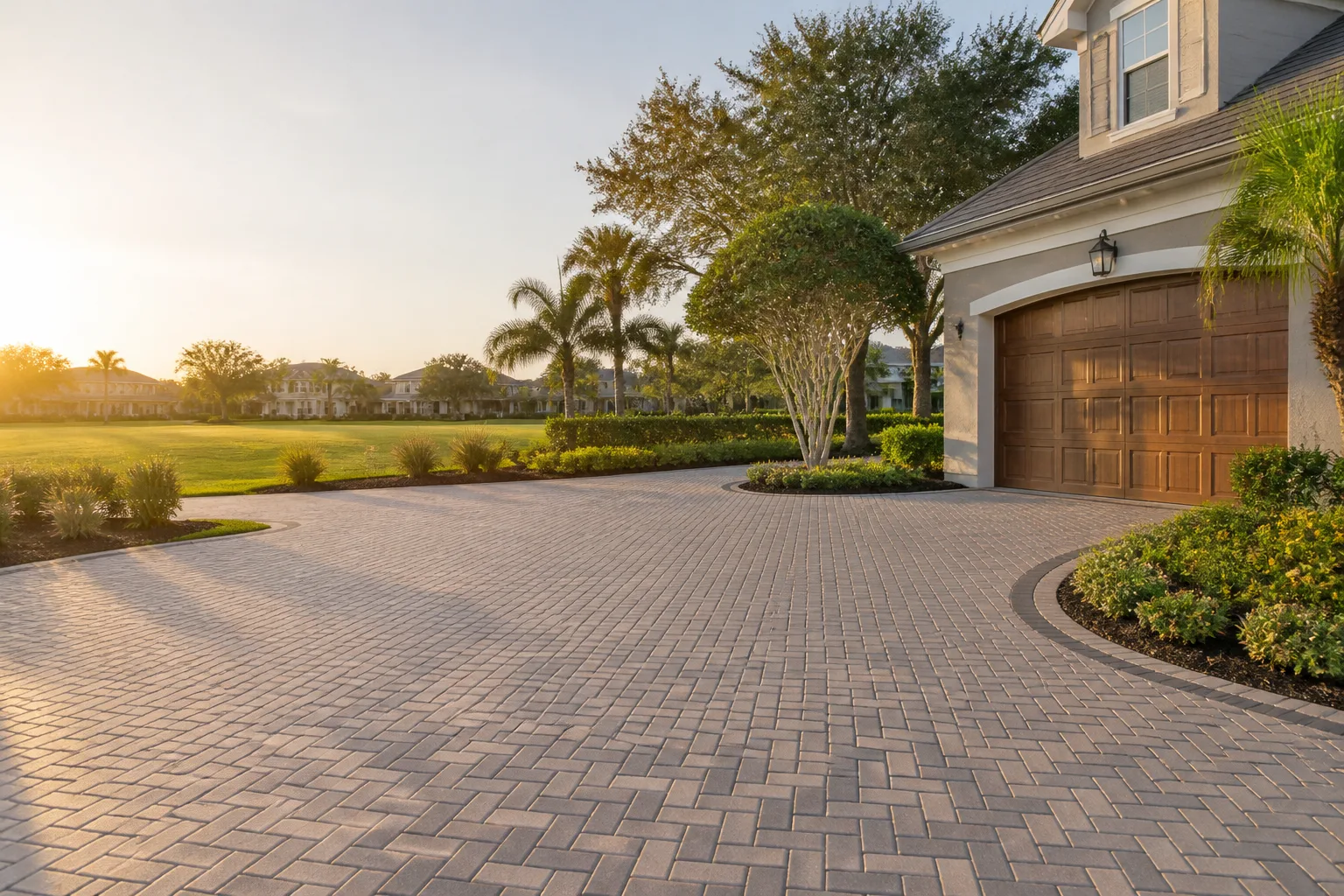
A driveway in Santa Rosa needs a thicker, better-compacted aggregate base than the industry “standard” spec calls for, because the expansive clay soil under most Sonoma County lots swells when it’s wet and shrinks when it dries. Get the base right – usually 8 to 12 inches of compacted, properly graded aggregate with drainage engineered into the slope – and a quality paver surface will outlast asphalt by decades. Get it wrong and you’ll be tearing out a five-year-old driveway. The pavers themselves are the easy part.
Styles & brands we work with
- Kitchen remodeling
- Bathroom remodeling
- Home additions & ADU
- Roofing
- Windows & doors
- Driveway & pavers
- Fence
Table of Contents
- Why Santa Rosa’s Clay Soil Changes Everything
- What a Correct Base Actually Looks Like
- Choosing Pavers for Sonoma County’s Wet-Dry Cycle
- Santa Rosa Permit Rules vs. Petaluma and Windsor
- Slope, Drainage, and Older Santa Rosa Lots
- What to Ask a Contractor Before You Sign
- Common Mistakes to Avoid
- Frequently Asked Questions
Why Santa Rosa’s Clay Soil Changes Everything
The soil under a lot of Santa Rosa is expansive clay, and that single fact drives most of what comes next. Expansive clay doesn’t just hold water – it takes it in, swells, and pushes. Then our dry summers pull the moisture back out and it shrinks and settles. Your driveway rides on top of all that movement, and if the base can’t buffer it, the surface takes the punishment.
National paver guides are written for a generic “well-draining subgrade,” which is not what we’re working with in Sonoma County. A lot of the clay here in the older neighborhoods holds water for days after a rain. That’s why we’ve seen spring base failures in the flats off the older Santa Rosa streets more than once: a base spec that’s fine in sandy soil turns into a pumping, settling mess when the clay under it stays saturated.
What does that mean in practice?
- Clay movement is seasonal, so a driveway that looks fine in September can show ruts and dips by February.
- Water that can’t drain away sits against the base and weakens it from below.
- A thin base hides the problem for two or three winters, then fails all at once.
- Proper excavation removes the worst of the native clay and replaces it with engineered aggregate, not just a skim coat.
None of this is meant to scare you off pavers. It’s meant to tell you that in Santa Rosa, the underground work is the whole ballgame. If you’re also planning fences, additions, or a full exterior redo, the same soil conditions show up there too – our guide to Barrett & Sons Construction Santa Rosa home covers how we approach the rest of the property.
What a Correct Base Actually Looks Like
The industry “standard” base for a residential paver driveway is often quoted at 4 to 6 inches compacted. In Santa Rosa’s clay, that’s thin. We plan for a deeper excavated base, typically 8 to 12 inches of compacted aggregate over geotextile fabric, with the exact depth set once the subgrade is exposed.
Here’s why the depth varies: no one knows how bad the native soil is until the machine digs into it. A lot on the east side of Santa Rosa might have a foot of decent material over the clay. A lot closer to the flats might be clay nearly all the way down. That’s a conversation you have before work starts, not after.
Compaction is the other half of it. Aggregate only does its job when it’s compacted in lifts – thin layers, each one compacted before the next goes down. Slab-compacting a foot of loose rock does nothing. A real base is built in stages and tested as it goes.
What a proper build looks like, step by step:
- Excavate to depth. Remove native soil down to the planned subgrade, plus room for the base and bedding layer.
- Lay geotextile fabric. It keeps clay fines from pumping up into the aggregate and fouling it.
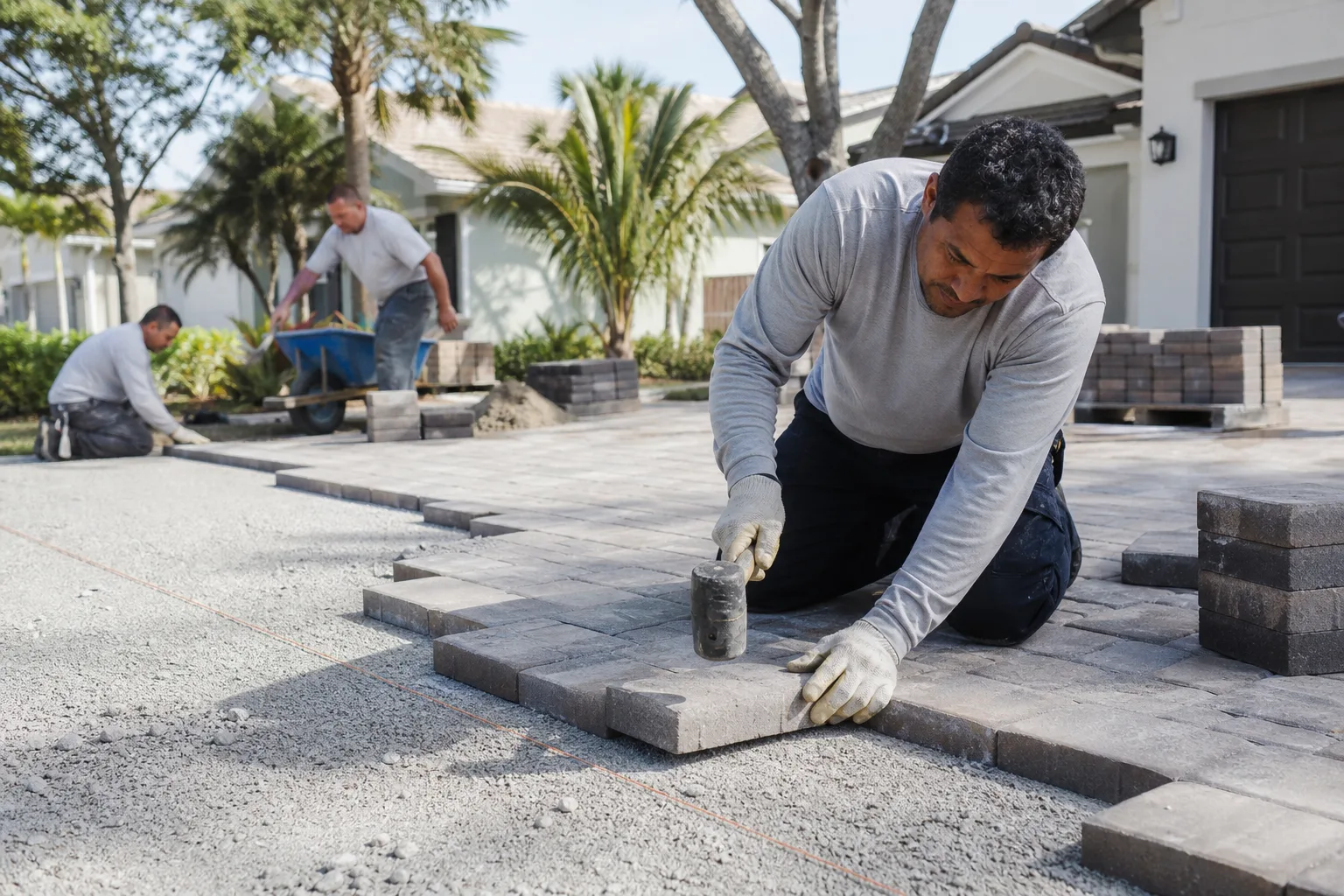
- Place aggregate in lifts. Each lift is compacted before the next, usually 2 to 3 inches at a time.
- Test compaction. A density check confirms the base is actually at spec, not just eyeballed.
- Set the bedding layer. A thin, screeded sand layer that lets the pavers lock in evenly.
- Lay, cut, and compact the pavers. Then sweep joint sand in and compact again so the surface locks.
The step most outfits skip is number four. If a bid doesn’t mention compaction testing, ask why. If the answer is “we always do it this way,” that’s not an answer.
Choosing Pavers for Sonoma County’s Wet-Dry Cycle
Santa Rosa gets wet winters and dry, hot summers, and the swing between them is what ages a poor material fast. Pavers here need to handle saturation in January and near-desert dryness in August without spalling, fading, or cracking. That points you toward concrete pavers with a low water absorption rate and quality color that goes through the body of the stone, not just a surface coating.
We install premium hardscape brands like Belgard and Techo-Bloc, and those names matter here because you can look them up and read the actual specs. A paver sold off a van with no brand is a mystery, and a mystery is exactly what you don’t want under your tires.
What to weigh when you’re choosing:
- Water absorption: lower is better for freeze-thaw and constant wet-dry cycling. Ask for the number.
- Color-through-body: through-color pavers hold their look under UV and won’t show a worn surface after a few summers.
- Thickness: a driveway that sees a full-size truck should get a thicker, heavier paver than a garden path.
- Joint sand: polymeric or stabilized joint sand keeps the surface locked and slows weed growth.
Our full Driveway & Pavers in Santa Rosa page goes deeper on installation options and finishes. For this guide, the key point is simple: the paver you choose should be a named, spec-sheet material that’s built for this climate, not a color swatch with no data behind it.
Santa Rosa Permit Rules vs. Petaluma and Windsor
Permit thresholds for driveway work vary by city, and Santa Rosa’s rules don’t match its neighbors, which is why national guides get this wrong. The difference usually comes down to how much of the right-of-way you touch, how the storm drainage is affected, and whether the work changes the driveway approach to the street. Repaving a driveway within your own property often doesn’t need a permit; a new approach, a widened apron, or a change that shifts runoff usually does.
Heads up: the exact threshold is set by the City of Santa Rosa and can change, so the responsible move is to confirm with the city before work starts. Petaluma and Windsor each have their own rules, and what was fine in Santa Rosa may not fly next door.
Why this matters more than it sounds:
- Work that crosses the threshold without a permit can be flagged and required to be redone.
- Drainage-related work is scrutinized more than it used to be in Sonoma County.
- A compliant, permitted job is safer for resale and for your relationship with the city.
We pull permits and sign inspections on every eligible job, and we tell you up front whether your specific driveway needs one. It’s not the exciting part of the project, but it’s the part that keeps the job legal and insurable.
Slope, Drainage, and Older Santa Rosa Lots
Before a paver is set, the slope has to be engineered. Water has to move away from the house and off the driveway, not pool in a corner or run under the garage door. On older Santa Rosa lots – the Eastside and Northwest neighborhoods especially – the grades are often steeper and more uneven than newer tract lots, because the lots were graded decades ago for drainage that didn’t anticipate a solid surface.
Every paver driveway should be built to a slight grade (usually around 1 to 2 percent away from the structure) so water drains and doesn’t sit. On a lot with elevation changes, that grade has to be planned before the excavator shows up, sometimes with a small swale, a channel drain, or a tie-in to existing drainage.
What we look at before any work:
- Overall fall of the lot. Which way does the ground want to send water?
- Garage and structure elevations. The driveway has to shed away from the house, not into it.
- Where the street or storm system sits. Water has to go somewhere legal.
- Existing problem spots. A puddle that forms today will form worse once the surface is solid.
Getting slope wrong is one of the few mistakes that can’t be fixed by redoing a top layer. If the grade is off, the whole job comes up. That’s why we treat drainage as the first decision, not the last.
What to Ask a Contractor Before You Sign
This is the section that saves people money. A fair bid is not the lowest number – it’s the one that tells the truth about what’s underground and how surprises will be handled. Here’s exactly what to ask.
1. How deep will the base be, and why that depth? The answer should reference your soil and the drainage, not a generic number. In Santa Rosa’s clay, “4 to 6 inches” should raise a flag. Ask what the subgrade looks like once it’s dug and how the depth is adjusted.
2. Will you test compaction, and can I see the results? Compaction testing is how you know the base is actually built to spec. It should be in the scope, in writing. If it isn’t, it won’t be done.
3. What happens if the subgrade is worse than expected? The good answer: a written change order with a set price per depth, before anything gets added. The bad answer: “we’ll figure it out.” The worst answer: a surprise invoice at the end. Scope in writing, allowances in writing, change orders in writing is how we run every job – an allowance that isn’t on paper is a surprise waiting for a date.
4. Will you pull the permit if it’s needed? The permit inspector works for you, not for the contractor, which is exactly why we like the inspector involved.
5. What’s in writing on the warranty? Get it on the contract, not in a handshake.
We answer these in writing before a single nail, stone, or dollar moves, and every price change is a written change order. Our Fence Installation in Santa Rosa page walks through the same process if you’re planning to enclose the driveway at the same time.
Common Mistakes to Avoid
- Using a sand-and-gravel base built for sandy soil. In Santa Rosa’s clay, that thin base pumps and settles within a few winters. The underground spec has to match the ground you actually have.
- Skipping geotextile fabric. Without it, clay fines migrate up into the aggregate and the base loses its strength. It’s a cheap layer that does a big job.
- Placing pavers on a base that wasn’t compacted in lifts. Loose rock under pavers is a mattress, not a foundation. It takes compaction testing to confirm the base is real.
- Ignoring the slope until the pavers are down. Drainage decisions happen before excavation, not after. A flat driveway on a sloped lot and a steep one on a flat lot both need thought.
- Choosing pavers by color swatch alone. Ask for water absorption numbers and confirm the color goes through the body of the stone. Unknown-brand pavers are a gamble you can’t price.
- Assuming the Santa Rosa permit rules match Petaluma or Windsor. They don’t. Confirm the threshold for your street before work starts.
- Signing a bid with no written allowance for bad subgrade. The discovery is nearly always worse than the estimate hoped, and an undocumented allowance is where bids balloon.
See the difference
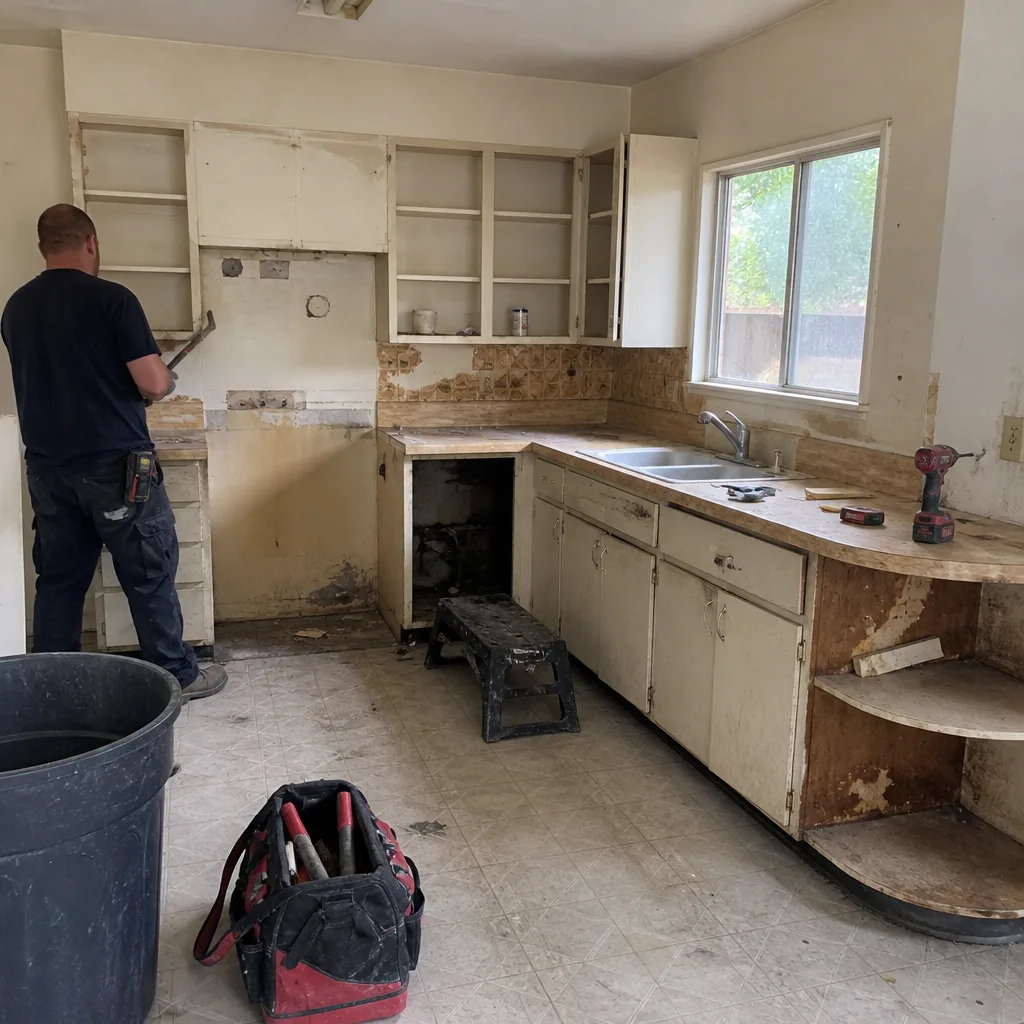 Before
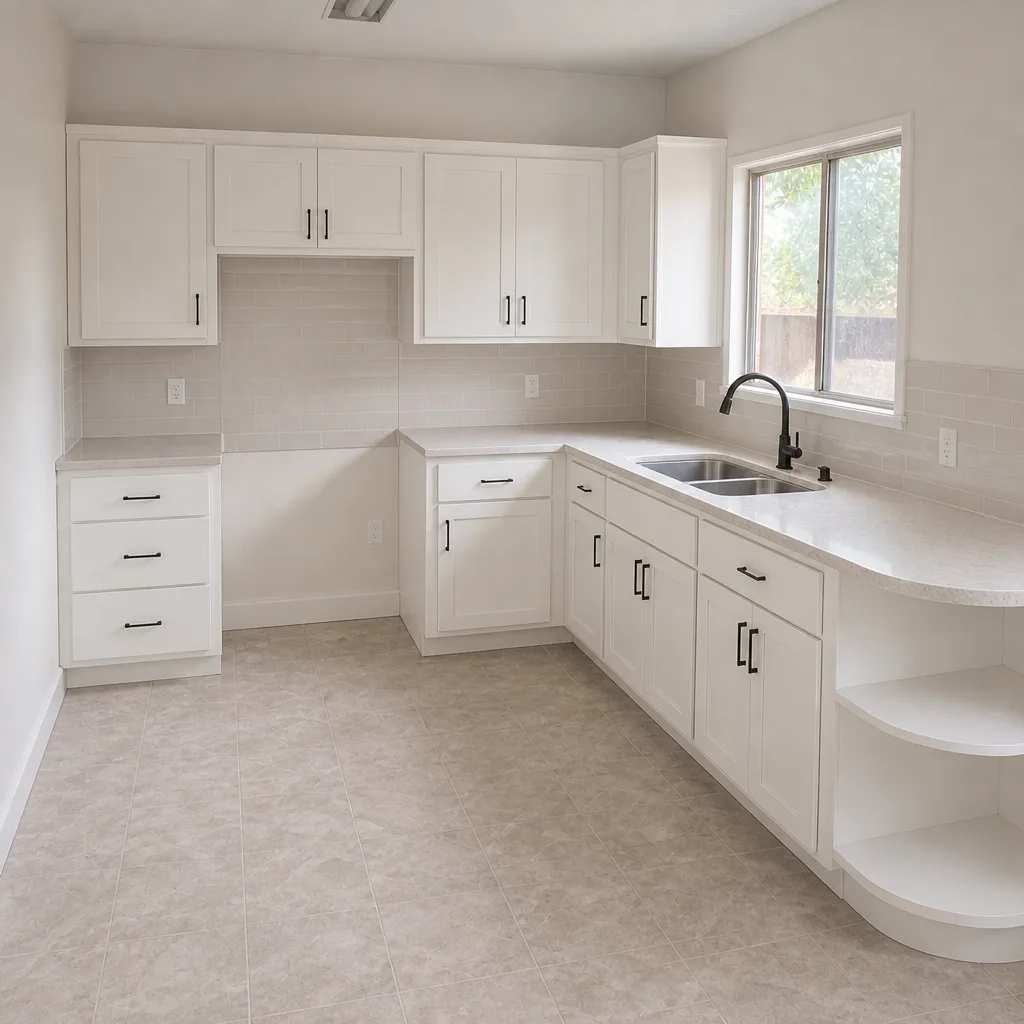 After
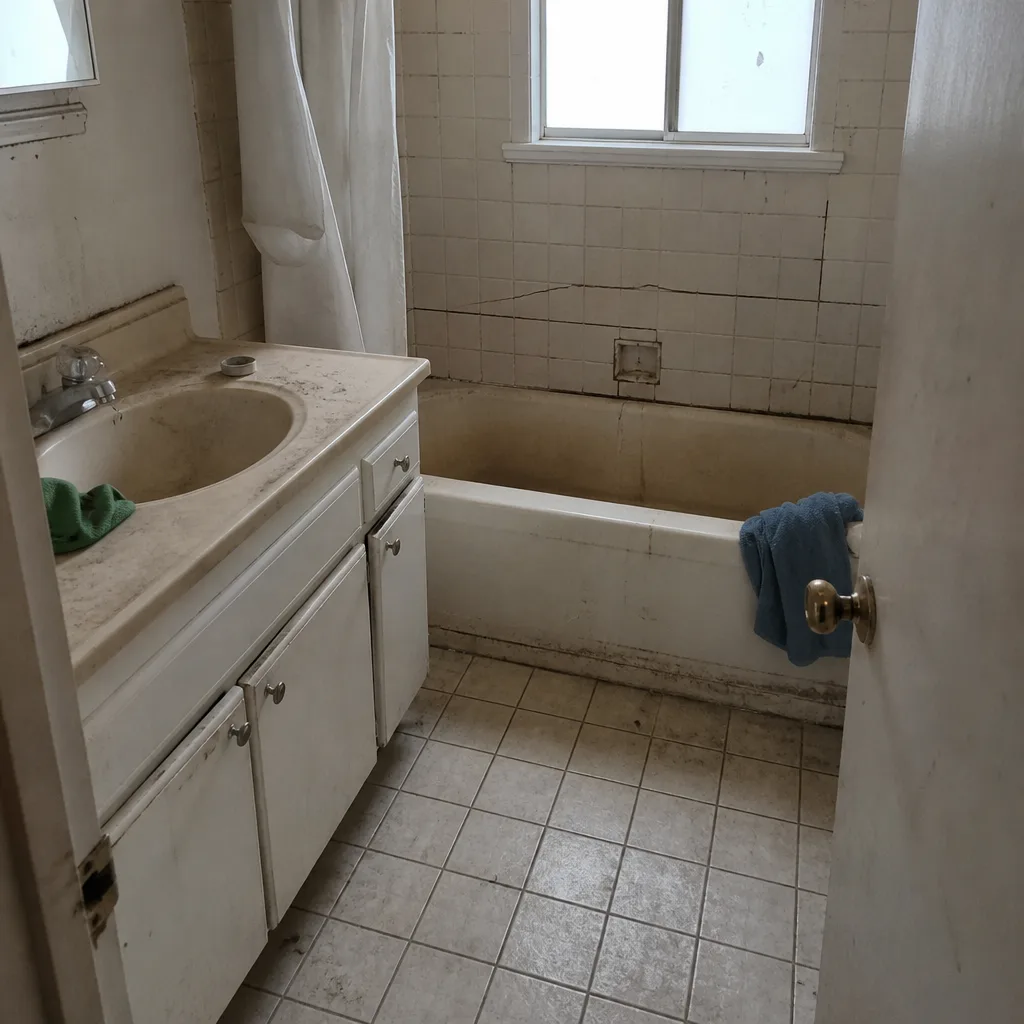 Before
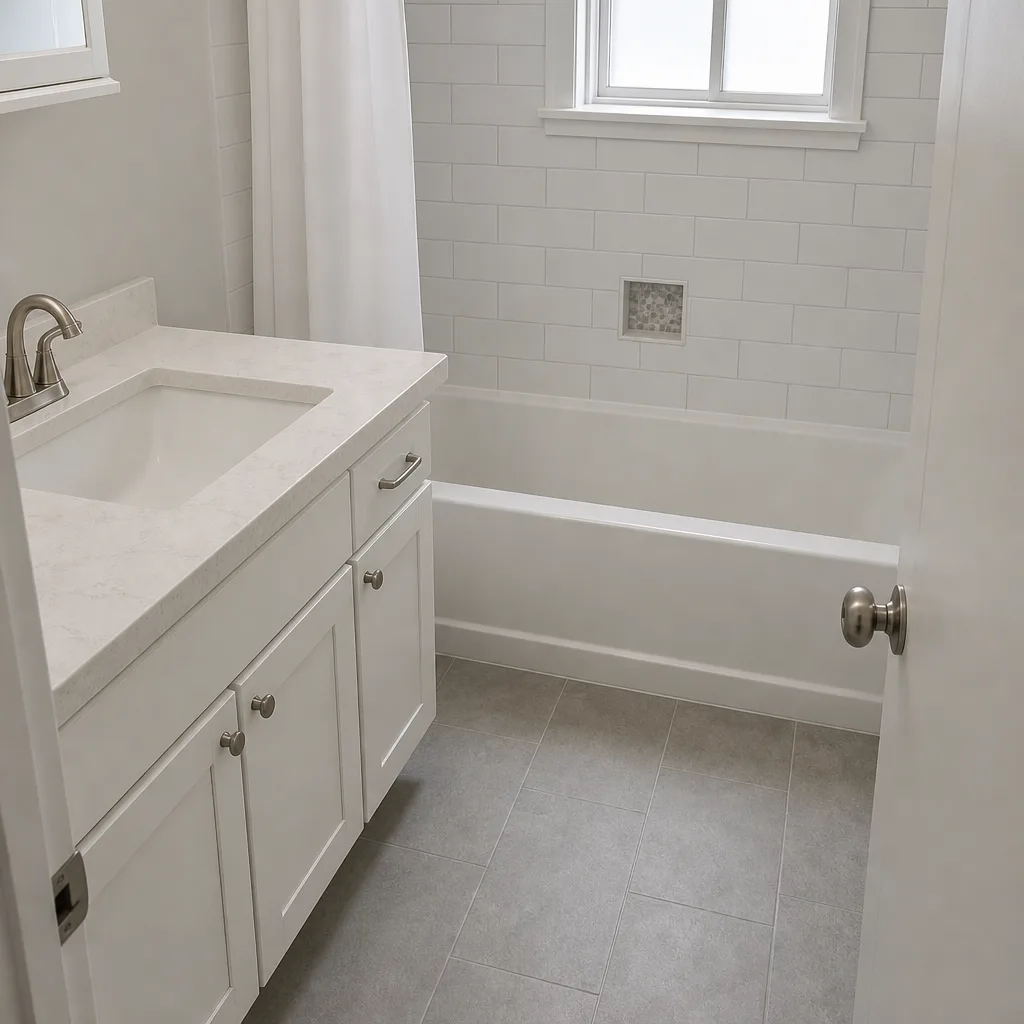 After
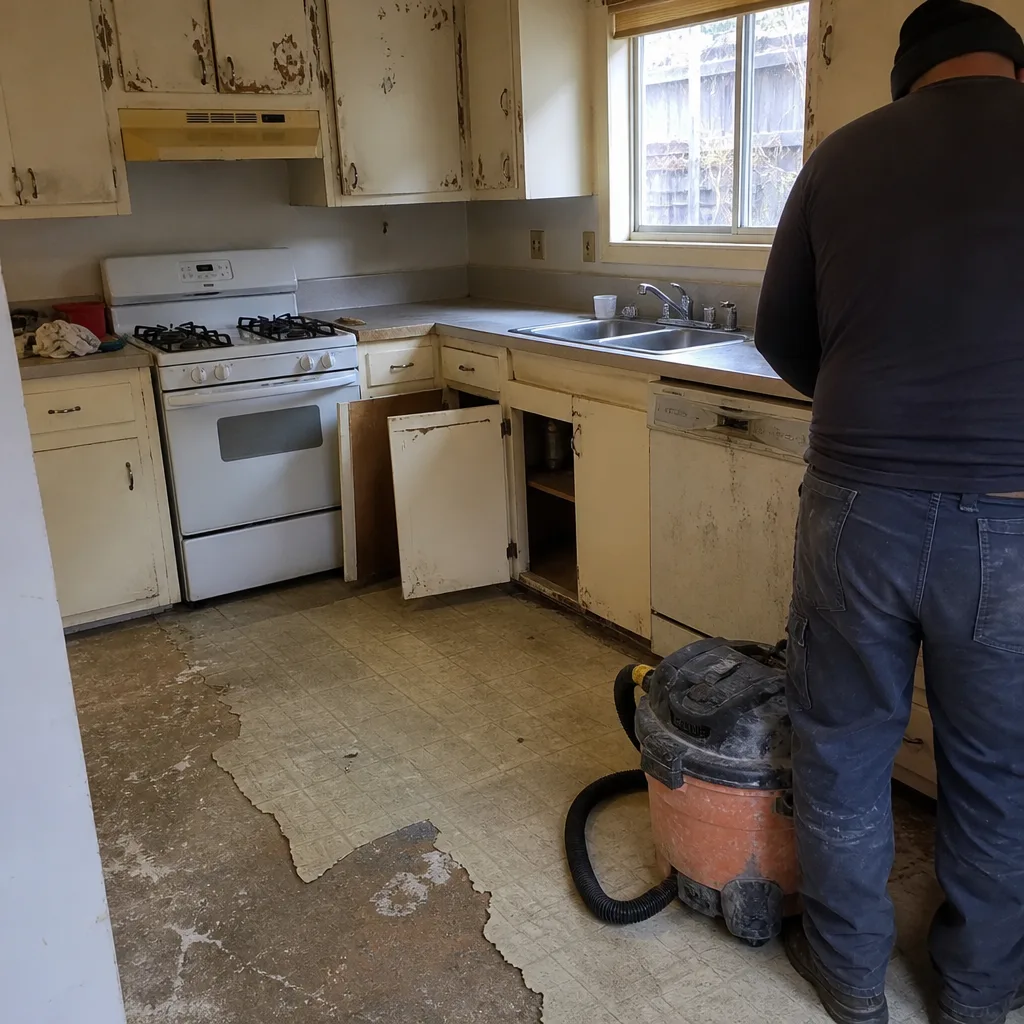 Before
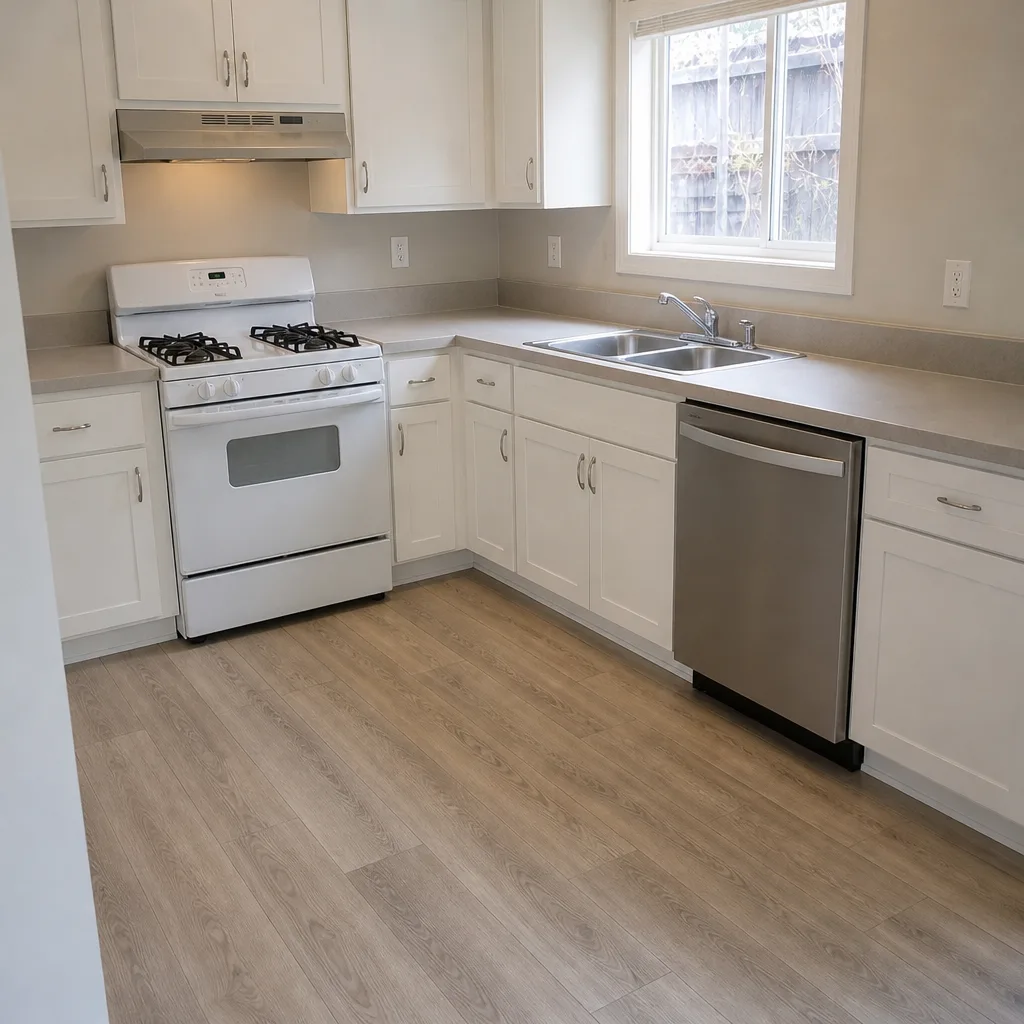 After
When to Call a Professional
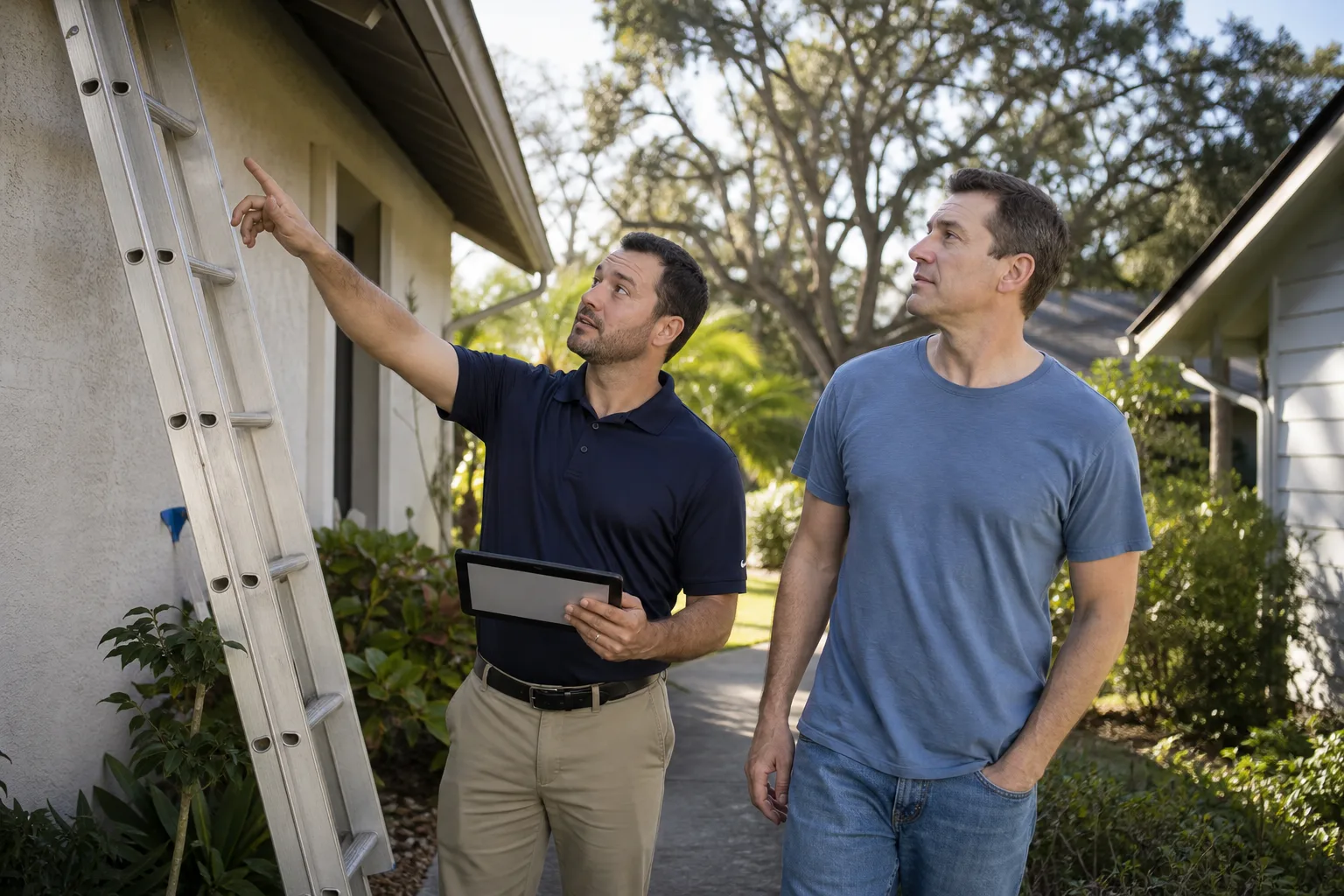
If your existing driveway has settled, cracked through the middle, or puddles after rain, that’s a sign the base has been failing for a while, and patching the surface won’t fix it. If your lot sits on clay and the driveway has heaved at the edges, you’re looking at a base problem, not a paver problem. If you’re planning a new driveway and haven’t dug into the subgrade yet, that’s exactly the time to bring someone in. And if you’re re-grading around the house or tying the driveway into a new fence or addition, the drainage and grade decisions need to happen together. Barrett & Sons Construction Santa Rosa offers free estimates in Santa Rosa – call (866) 864-4083 and we’ll walk the lot with you and put the scope in writing.
Frequently Asked Questions
Most Santa Rosa paver driveways land in the range of about $12 to $25 per square foot installed, with the exact number driven by base depth, excavation, drainage work, and paver choice. A standard two-car driveway around 400 to 600 square feet commonly runs from roughly $6,000 to $15,000, and a job on difficult clay with added drainage can go higher. The base is where the money goes – a deeper, tested base costs more up front and saves you a rebuild later. Call (866) 864-4083 for an exact quote – estimates are free.
They fail from the base up more often than the surface down. Santa Rosa’s expansive clay swells when wet and shrinks when dry, and a base built to a generic spec can’t absorb that movement. Within a few wet-dry cycles you get ruts, dips, and uneven pavers. The fix is a thicker, properly compacted aggregate base over geotextile fabric, built for Sonoma County soil.
It depends on the scope. Work entirely within your own property often doesn’t need one, but a new or widened street approach, or work that changes runoff, usually does, and Santa Rosa’s threshold differs from Petaluma’s and Windsor’s. Confirm with the city before work starts, and make sure the contractor pulls the permit when one is required. Call (866) 864-4083 and we’ll tell you whether your job needs one before you commit.
A correctly built paver driveway typically lasts 25 to 30 years or more in this climate, assuming the base is engineered and the pavers are a quality, low-absorption brand. The pavers themselves often outlast the base by decades; it’s the base that sets the real lifespan. Built right, pavers are one of the longest-lasting hardscape surfaces you can install here.
Concrete pavers with low water absorption and color that goes through the body of the stone hold up best. Belgard and Techo-Bloc make products built for this kind of cycling, and named brands let you verify specs. Avoid pavers with a surface-only color coating or no published absorption numbers – they’re the ones that spall and fade first.
It can, and the honest answer is that nobody knows the subgrade until it’s exposed. What shouldn’t happen is a surprise invoice. Every scope, allowance, and price change should arrive as a written change order before the work moves forward. If a contractor can’t commit to that in writing, walk. Call (866) 864-4083 for a free second opinion on any written estimate.
The Bottom Line
A paver driveway in Santa Rosa is only as good as what’s under it. The clay soil and the wet-dry cycle here demand a deeper, tested base than the national standard prescribes, drainage engineered before the first paver is set, and a permit confirmed against the city’s actual threshold – not Petaluma’s or Windsor’s. The paver material matters, but it’s the base that decides whether your driveway looks new in fifteen years or needs a rebuild in five. Ask about base depth, compaction testing, and written change orders before you sign anything. Then build it once, the right way. Call (866) 864-4083 for a free estimate, and we’ll walk the lot, tell you what the ground is really doing, and put every number in writing.
Written by the team at Barrett & Sons Construction Santa Rosa.