Last updated November 18, 2026
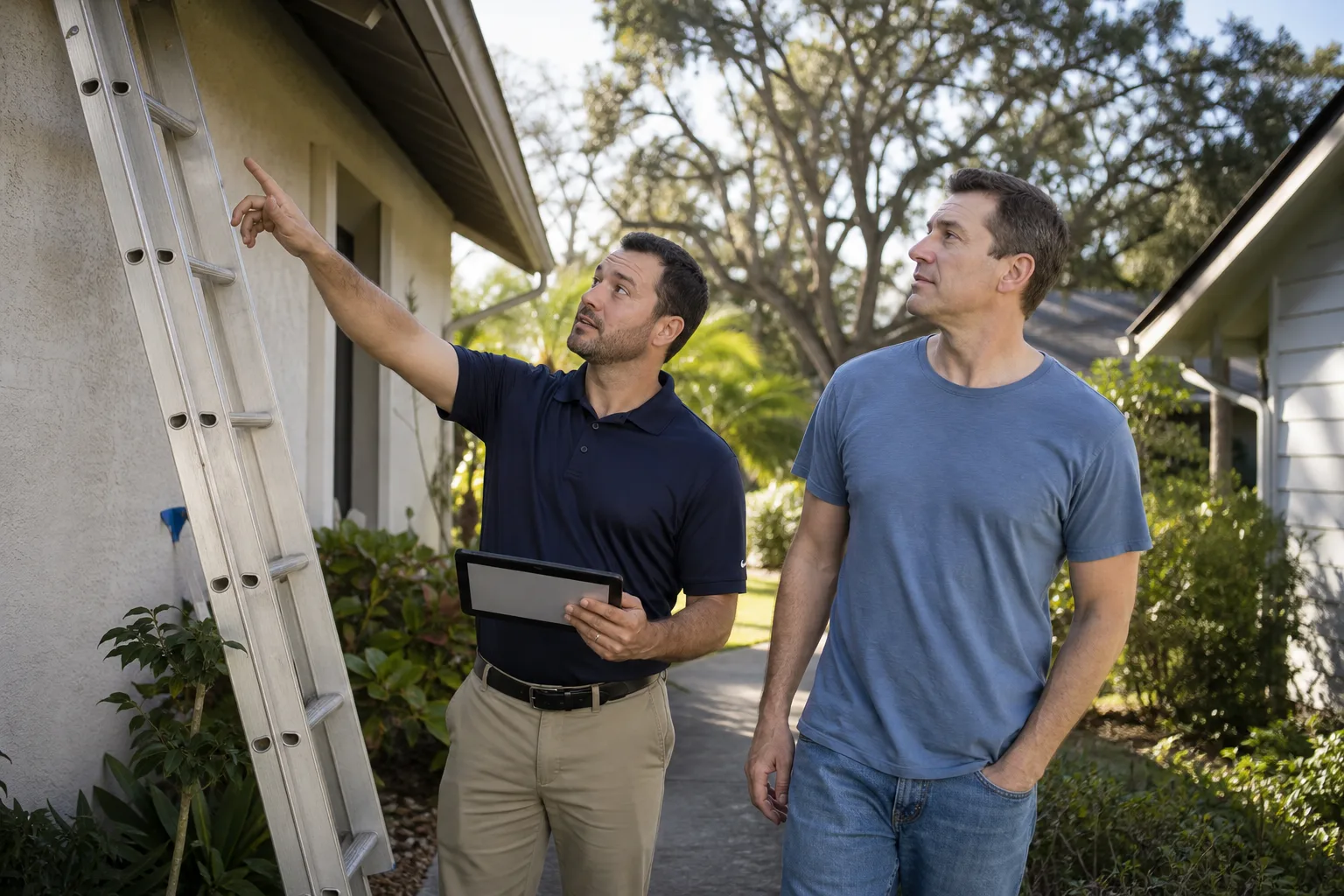
Free written scope consultation - allowances, timeline, and change-order rules on paper before a single trade is scheduled
Choosing the Right Construction Brand: A Buyer’s Guide for Santa Rosa
A composite deck board that scores well in a Florida humidity test and holds up through a Minnesota freeze can still disappoint in Santa Rosa. The reason is the cycle we live with here: wet, cool winters that push moisture into every seam, followed by months of dry 100-degree heat that pulls it back out while the UV index climbs into the very high range. Most national brand tests don’t replicate that rhythm. This guide reads brand claims through a Sonoma County lens, so you’ll learn what performance data actually matters, how to judge a warranty by what it excludes, why fire-rated products shape your insurance, and which materials our crews see holding up in Santa Rosa year after year.
Quick Answer
The right construction brand for a Santa Rosa home is the one whose products are rated for high UV, repeated wet-dry cycling, and a wide thermal expansion range, sold by a local supplier who stocks replacement parts, and covered by a warranty that actually pays out in a California climate. Local availability and fire-rating status usually matter more than magazine rankings. A brand you can verify and get service for beats a brand you can only read about.
Styles & brands we work with
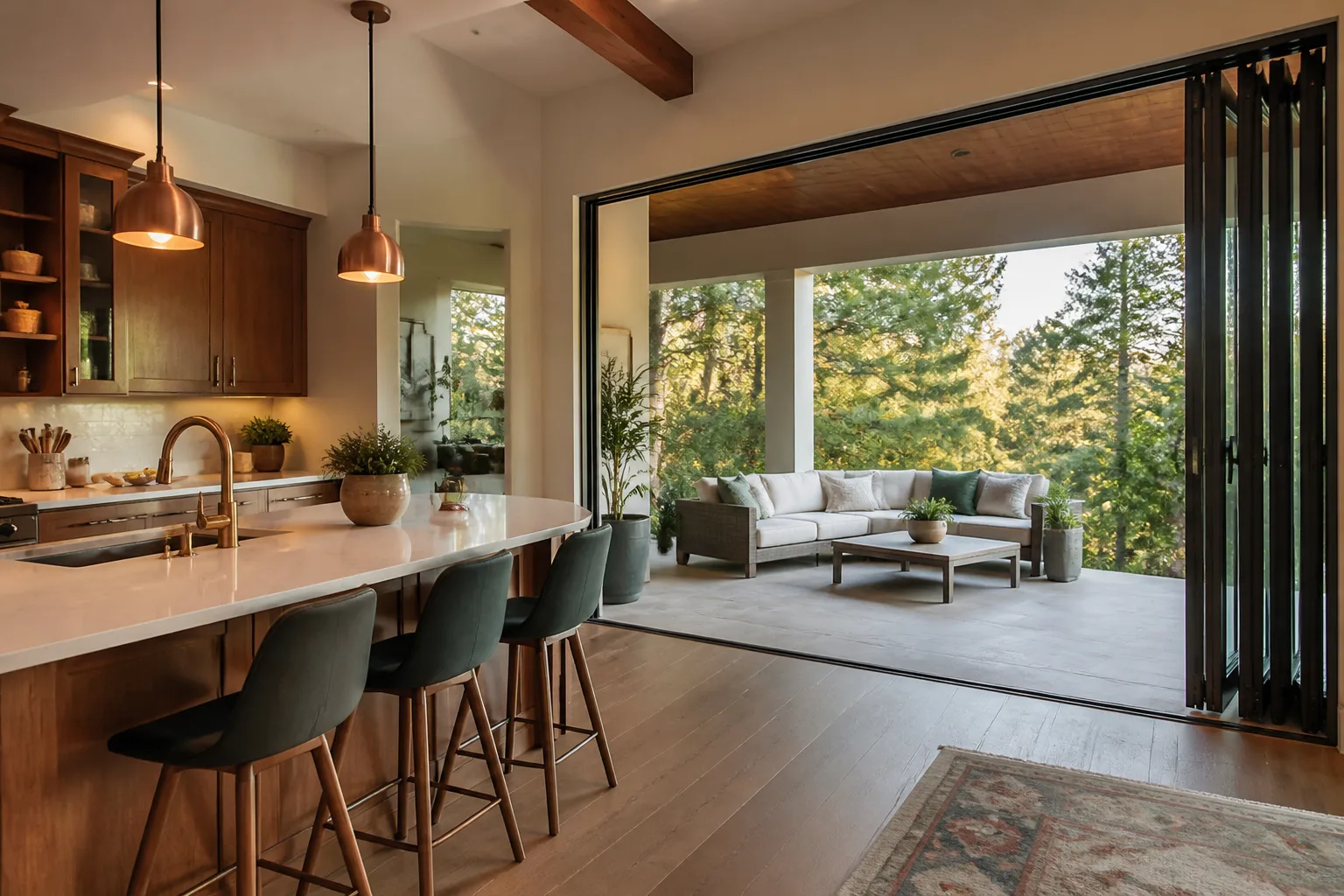
- Kitchen remodeling
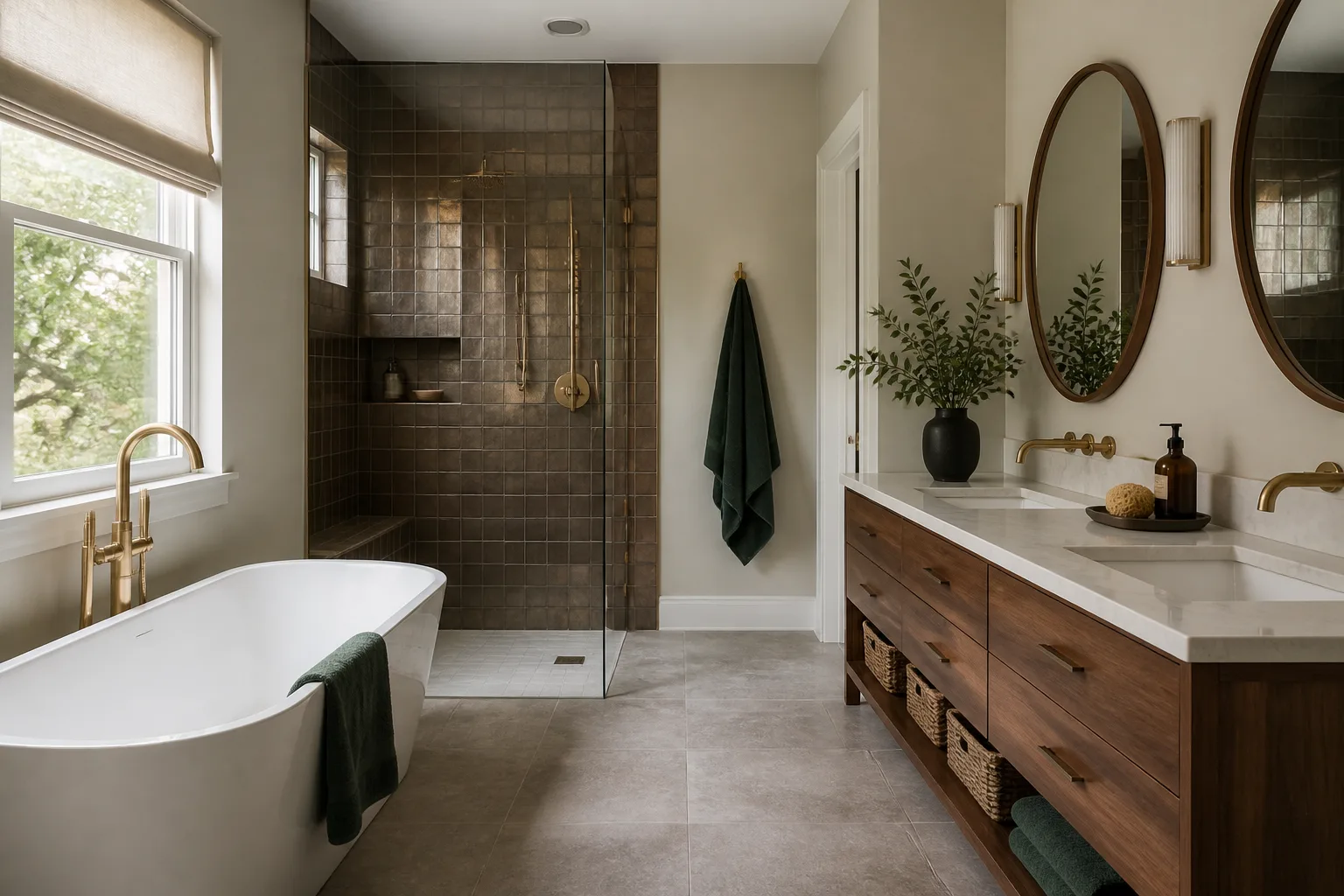
- Bathroom remodeling
- Home additions & ADU
- Roofing
- Windows & doors
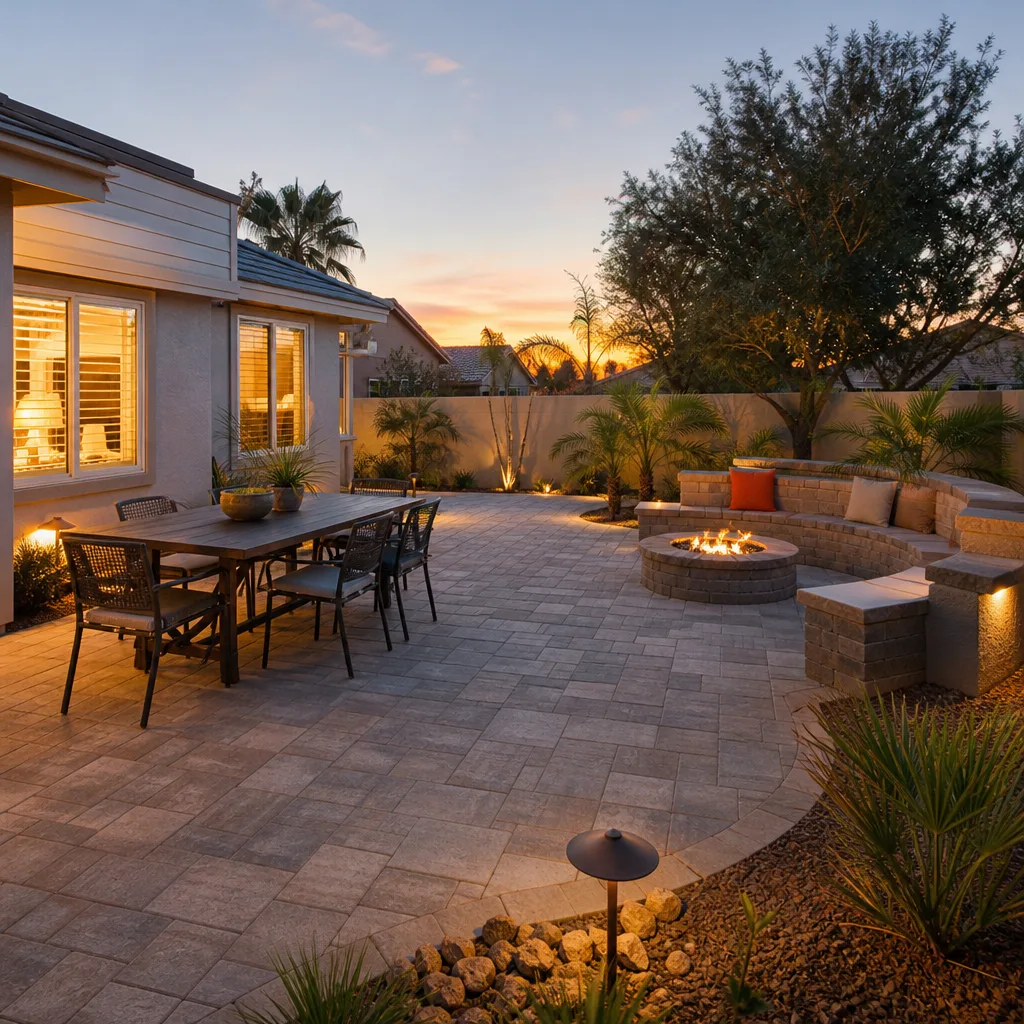
- Driveway & pavers
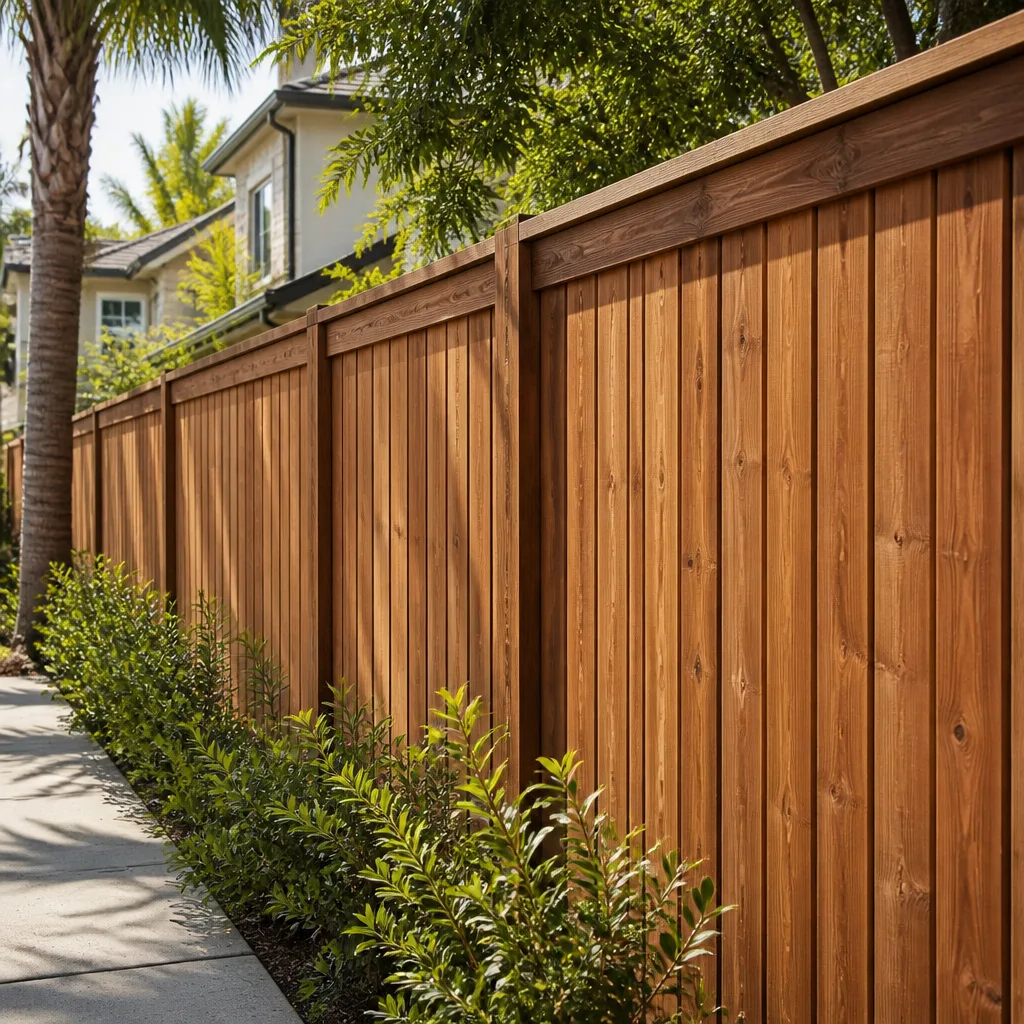
- Fence
Table of Contents
- Why the Santa Rosa Climate Breaks National Brand Ratings
- How to Read Product Performance Data for Our Climate
- What Sonoma County Inspectors Notice About Installation Quality
- Available at a Big Box vs. Stocked and Serviced Locally
- WUI-Rated Products and Your Insurance in Fire-Risk Zones
- How to Read a Manufacturer Warranty in a California Climate
- Brand-by-Brand Notes for Roofing, Windows, and Hardscapes
- A Step-by-Step Way to Vet Any Brand Before You Buy
Why the Santa Rosa Climate Breaks National Brand Ratings
Santa Rosa sits in a pocket that confuses products built for average American conditions. Nine miles from the coast, we get marine fog and damp mornings in winter, then dry inland heat by July that can push well past 95 degrees for days at a stretch. Add the wildfire seasons of the last decade and the UV load on anything horizontal or south-facing is serious. A material tested in one climate region tells you very little about how it will behave here.
This is the core problem with brand selection guides that read like spec sheets. They tell you what a product is made of. They don’t tell you how it moves, fades, or fails when the moisture content of the air swings forty points in a season. Here’s what that means in practice for three common categories:
- Roofing. Asphalt shingles rated for hot climates can go brittle fast when the same roof sees cool fog for months and then a hard summer. We see premature granule loss on south-facing slopes in neighborhoods like Coffey Park more often than brand brochures admit.
- Windows. Vinyl expands and contracts with temperature. In a wide swing like ours, cheap frames and poorly specified glass units lead to seal failures and fogging between panes. Andersen and Marvin hold up because their frames are specified for the thermal range, not just the look.
- Composite decking and fencing. The wet-dry cycle is the enemy. Boards that never fully dry keep moisture in the core, and the next hot spell bakes it. That’s a smaller factor in a consistently dry market and a bigger one here.
The lesson for a Santa Rosa buyer is simple. Ask what climate the warranty and performance data come from. If the answer is “generally tested,” assume you’re the test market.
How to Read Product Performance Data for Our Climate
Three numbers do most of the work when you’re comparing brands for a Sonoma County home. Ignore the marketing language and find these specs on the manufacturer’s technical documents, not the brochure.
- UV resistance rating. Look for a stated UV index or colorfastness rating, usually phrased in years or in a minimum Delta E color-change figure. South- and west-facing surfaces take the worst of it here. A brand that publishes a specific fade figure in years of exposure is more trustworthy than one that says “fade resistant.”
- Moisture cycling data. For decking, fencing, and any wood-composite product, look for a moisture absorption or dimensional stability figure after repeated wetting and drying. Products tested with a simple soak test aren’t telling you the Santa Rosa story, which is soak, swell, dry, shrink, repeat.
- Thermal expansion range. This is the spec most buyers never read. Look for the coefficient of thermal expansion or a stated temperature range. In practice, a wider rated range means fewer buckled boards, popped seams, and rattling window frames when we go from a 38-degree January morning to a 98-degree August afternoon.
Ask for the actual technical data sheet and read the footnotes. If a range doesn’t match our conditions, the number on the front page doesn’t apply to you.
What Sonoma County Inspectors Notice About Installation Quality
Here’s a piece of the picture you won’t find in any consumer guide. Building inspectors see how products behave after they’re installed, across hundreds of homes. Their informal read on which brands go in cleanly and stay clean is worth more than most test reports. After years of work across Santa Rosa, our crews hear the same brands come up on roofs, windows, and hardscapes because those are the products installers can count on to match spec.
What inspectors tend to flag isn’t the brand name so much as consistency. A GAF or CertainTeed roof installed to the manufacturer’s nailing pattern and flashing detail passes review. The same shingle installed sloppily gets flagged regardless of who made it. For windows, the failures inspectors see are almost always flashing and seal issues, not the window itself. For hardscapes, base preparation is what makes or breaks a Belgard or Unilock patio.
This matters for brand selection because it reframes the question. The best brand is the one your installer is fluent in, with documented installation methods you can verify. That’s why we pull permits and sign inspections on every eligible job: the inspector works for you, not for us, and a clean inspection record on the brand we chose is proof the whole system was right.
Available at a Big Box vs. Stocked and Serviced Locally
There’s a real difference between a brand you can buy at a big-box store and a brand a local supplier stocks, services, and can pull replacement parts for. It shows up months after the install, when a board splits or a window operator fails.
- Replacement lead time. A locally stocked brand can put a matching piece in your hands in days. A special-order brand can take weeks or longer, and by then the color run may have changed.
- Return and service. Local yards handle warranty parts through their own counters. Big-box special orders often turn into a phone tree.
- Consistency across phases. If your project runs in stages (a deck now, a paver patio next spring), a local supplier can hold the same dye lot, color, and profile for the whole run.
Bufftech and ActiveYards vinyl fencing are good examples of brands our Santa Rosa suppliers keep on hand, which shortens lead time on repairs after a storm. When we plan a job, we check what’s actually sitting in the yard before we spec the product, not after.
WUI-Rated Products and Your Insurance in Fire-Risk Zones
Wildland-Urban Interface status changes the brand conversation in a way that most general guides skip. We live in fire country. Neighborhoods across Santa Rosa sit in or near a WUI zone, and that shifts what you should be buying, not just to satisfy code but to keep your coverage intact.
Products on the California State Fire Marshal’s approved products list carry a specific listing that insurers recognize. That applies to roofing assemblies, exterior wall materials, decking, and vents. The list is public. Look up the exact model, not the brand family.
- Find out whether your address is in a WUI zone. Your county or fire district can confirm this.
- Check whether your insurer requires class A roofing or specific exterior materials, and get the requirement in writing.
- Match the exact model number of the product you’re buying to the State Fire Marshal’s list.
- Keep the documentation and the permit inspection in the same place so your next insurance review is simple.
A fire-rated brand that isn’t’ installed correctly is money wasted. The rating depends on the whole assembly. That’s the case for using crews who install to spec and pull the permit to prove it, so the coverage question never comes back to bite you.
How to Read a Manufacturer Warranty in a California Climate
A warranty that reads like a promise on the front page often reads like a disclaimer in the fine print. California conditions get carved out more than you’d expect. Before you sign on a brand, read the exclusions carefully.
- UV fade exclusions. Many brands exclude or limit coverage for color fade from sun exposure. In a high-UV market, this is the exclusion that most often denies a claim.
- Thermal movement exclusions. Warranties frequently limit coverage when a product expands or contracts outside a stated range. Wide temperature swings are exactly why you should check that range.
- “Improper installation” as a catch-all. This exclusion can void a large part of the warranty, and it shifts responsibility to your installer. That’s the reason installation documentation matters as much as the product label.
- Transferability. If the warranty doesn’t transfer to a new owner, it’s worth less at resale. Ask if it survives a sale.
A strong warranty and a strong installer are the same conversation. When we recommend a brand, it’s because the install is defensible and the warranty isn’t a maze. Our 90-Day Done Right Promise backs the job in writing on top of whatever the manufacturer covers, so you’re not caught between a brand and a crew blaming each other.
Brand-by-Brand Notes for Roofing, Windows, and Hardscapes
This isn’t a catalog, but it helps to know what tends to work and why in this market. A few notes on how we weigh brands in Santa Rosa:
- Roofing. GAF and CertainTeed both publish the installation details, flashing specs, and product-warranty support that keep a claim alive. We favor them because the documentation is complete and the local distribution is reliable.
- Windows. Andersen and Marvin publish the thermal performance data you need to compare fairly, which matters more in a climate with a forty-point temperature swing. Check U-factor and solar heat gain coefficient against the specific exposure of each window.
- Driveways and pavers. Belgard and Unilock both have enough profile and color options to match the house, and their local distribution means a replacement piece isn’t a twelve-week special order. Base prep and compaction matter more than the brand, but a good brand responds better to a bad season.
- Fencing. Bufftech and ActiveYards are vinyl options our local suppliers stock. That’s a real advantage when you need a section replaced after a windstorm and want a match, not a color shift.
Each of these decisions fits into broader plans, and you can read the detail on our pages for Barrett & Sons Construction Santa Rosa home and Driveway & Pavers in Santa Rosa.
A Step-by-Step Way to Vet Any Brand Before You Buy
Here’s the method our crews use when a homeowner asks which brand is best for their specific job. It works for a single repair or a full Home Additions & ADU in Santa Rosa.
- Match the climate spec to Santa Rosa. Pull the UV, moisture cycling, and thermal range for the product and compare against our conditions, not the average.
- Check local stock and parts. Confirm the brand is stocked within an hour’s drive and that replacement parts are available without a special order.
- Verify fire listing if you’re in a WUI zone. Match the exact model to the State Fire Marshal list and confirm your insurer’s requirement in writing.
- Read the warranty exclusions. Focus on UV fade, thermal movement, and the improper installation clause. Confirm whether it transfers.
- Ask who installs it. The best product with a poorly documented install loses the warranty argument. Choose the brand your installer is fluent in.
- Get scope and allowances in writing. Every material, every name-brand item, and every price change on paper before work starts.
That last step is the one homeowners tell us would have saved them the most. An allowance that isn’t on paper is a surprise waiting for a date. We issue change orders in writing before any scope change touches the job, so a brand upgrade in the middle of a project doesn’t become a surprise invoice at the end.
If you’re also fencing the property around a project, see Fence Installation in Santa Rosa for the material comparisons that matter for our wind and fog.
Common Mistakes to Avoid
- Trusting a national performance rating without checking the climate it came from. A test done in a different region doesn’t promise anything about Santa Rosa’s swing from damp winter to dry heat.
- Buying the brand you saw at a big-box store instead of the one a local supplier stocks. Two months later, the matching replacement piece is a special order with a color run that’s changed.
- Assuming a fire-rated product satisfies your insurer. The exact model must be on the State Fire Marshal list, and your policy may require more. Get the requirement in writing.
- Reading the warranty headline and missing the exclusions. UV fade and thermal movement clauses are the ones that quietly deny the easiest claims.
- Letting a brand upgrade or change happen without a written change order. The price on the paperwork should match the price at the end.
- Choosing a product your installer has never put in. A good brand installed off-spec voids the warranty and fails inspection.
- Skipping the permit to save a few hundred dollars. The last contractor who told a customer permits were optional left them with a warranty and insurance problem, not a bargain.
See the difference
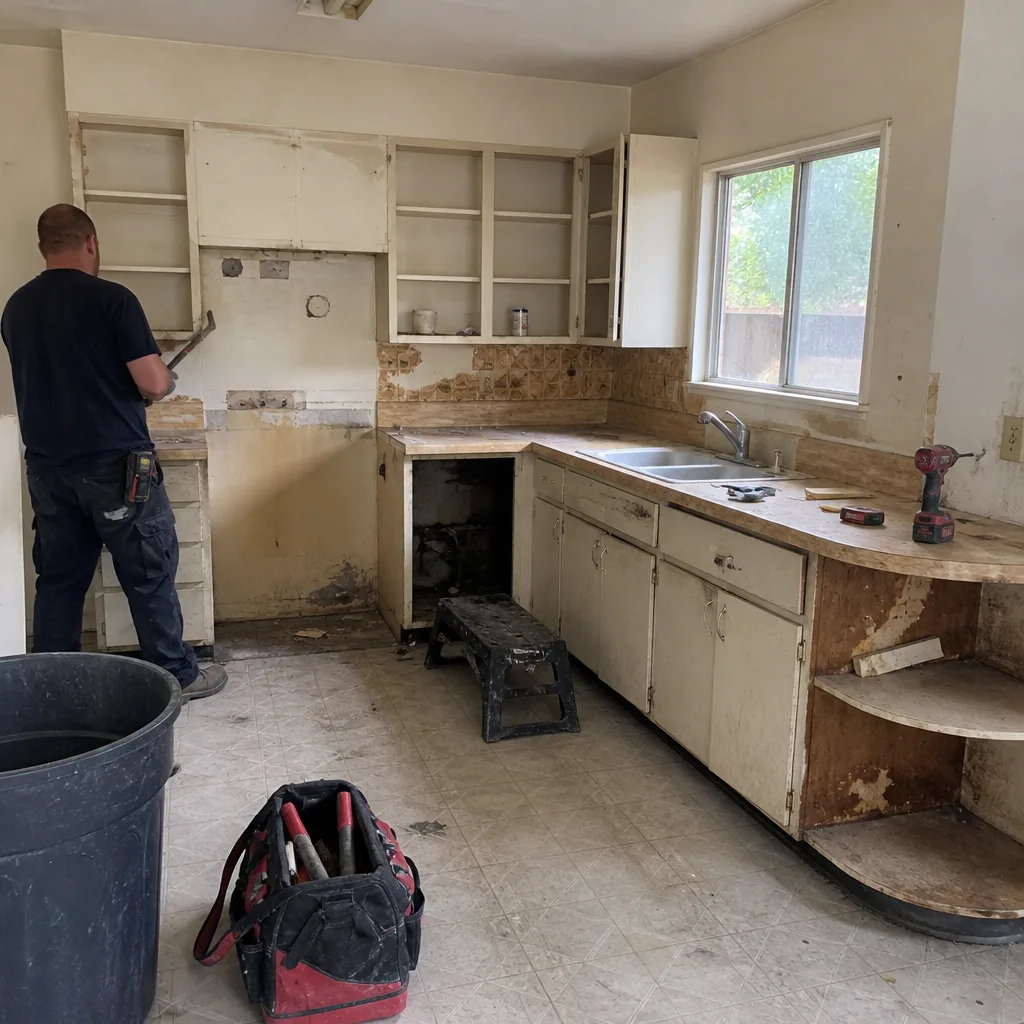 Before
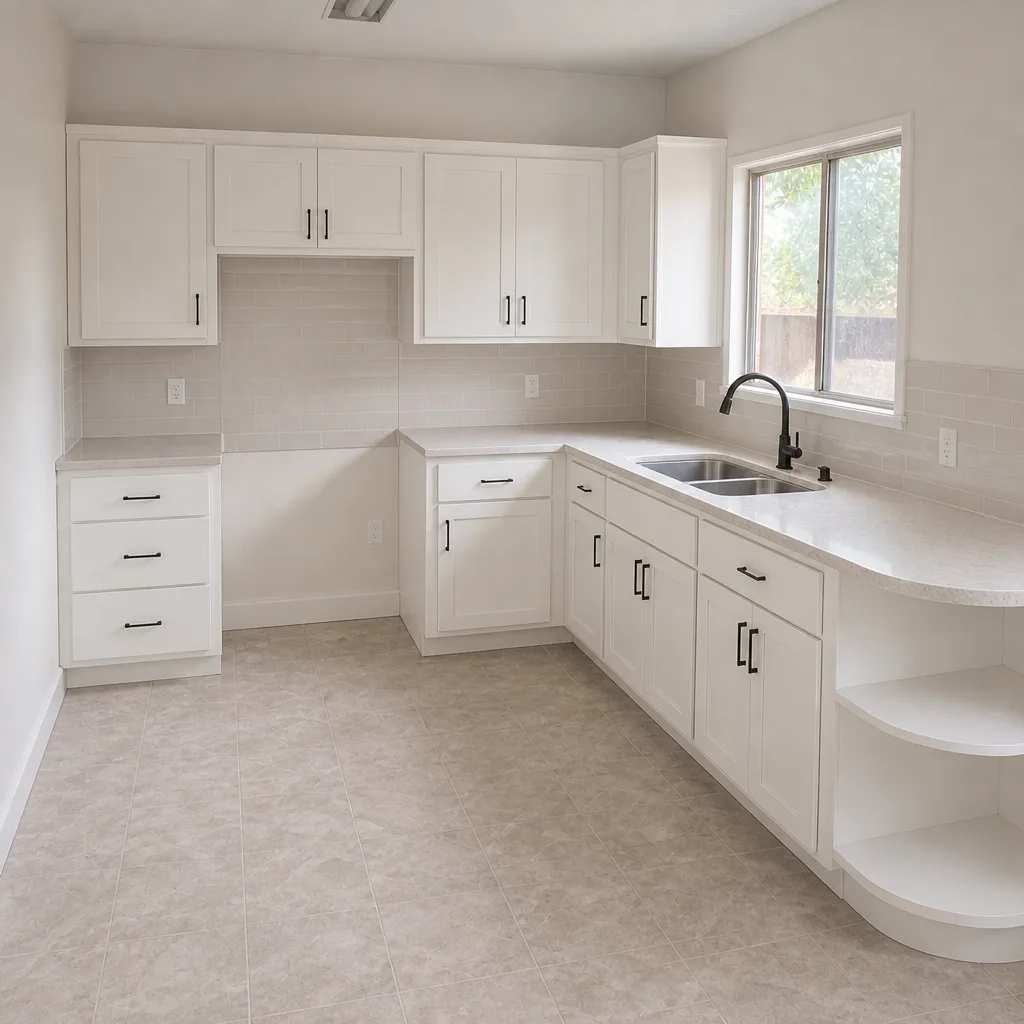 After
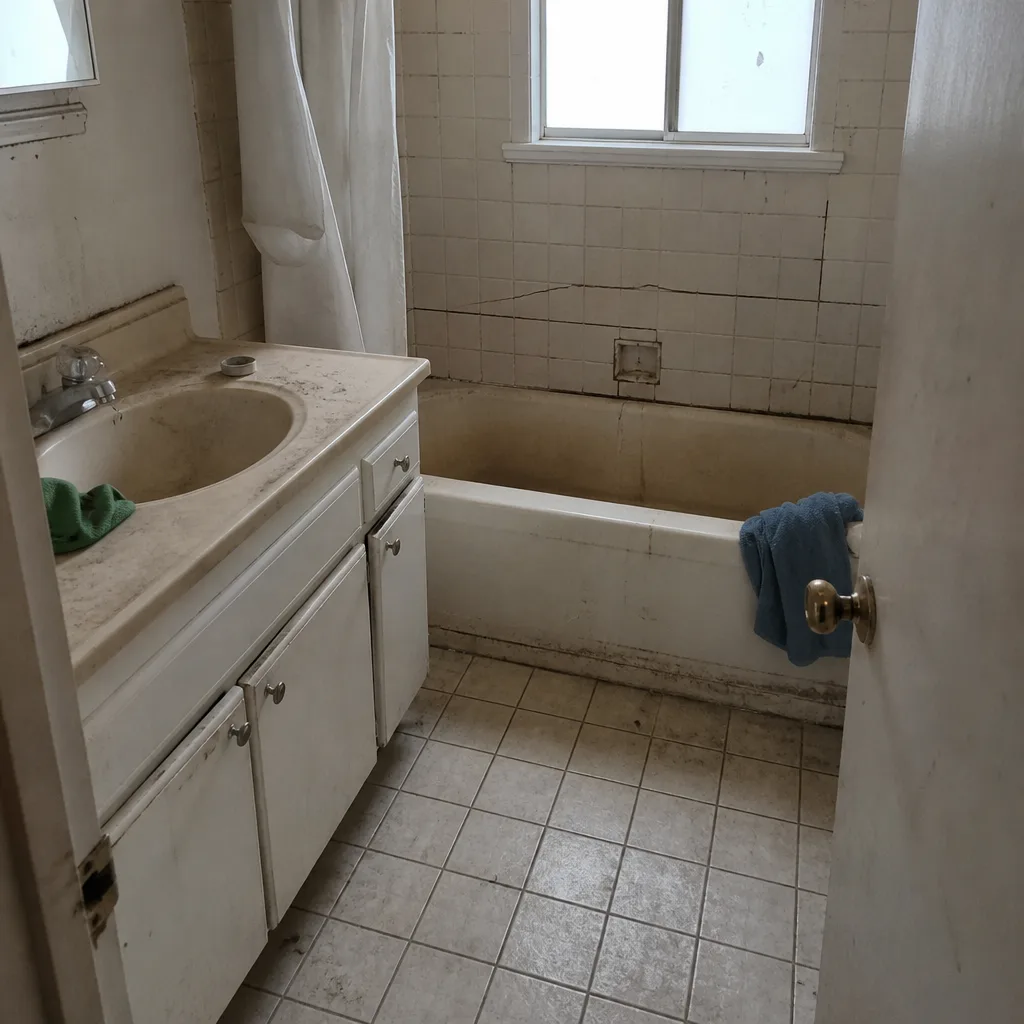 Before
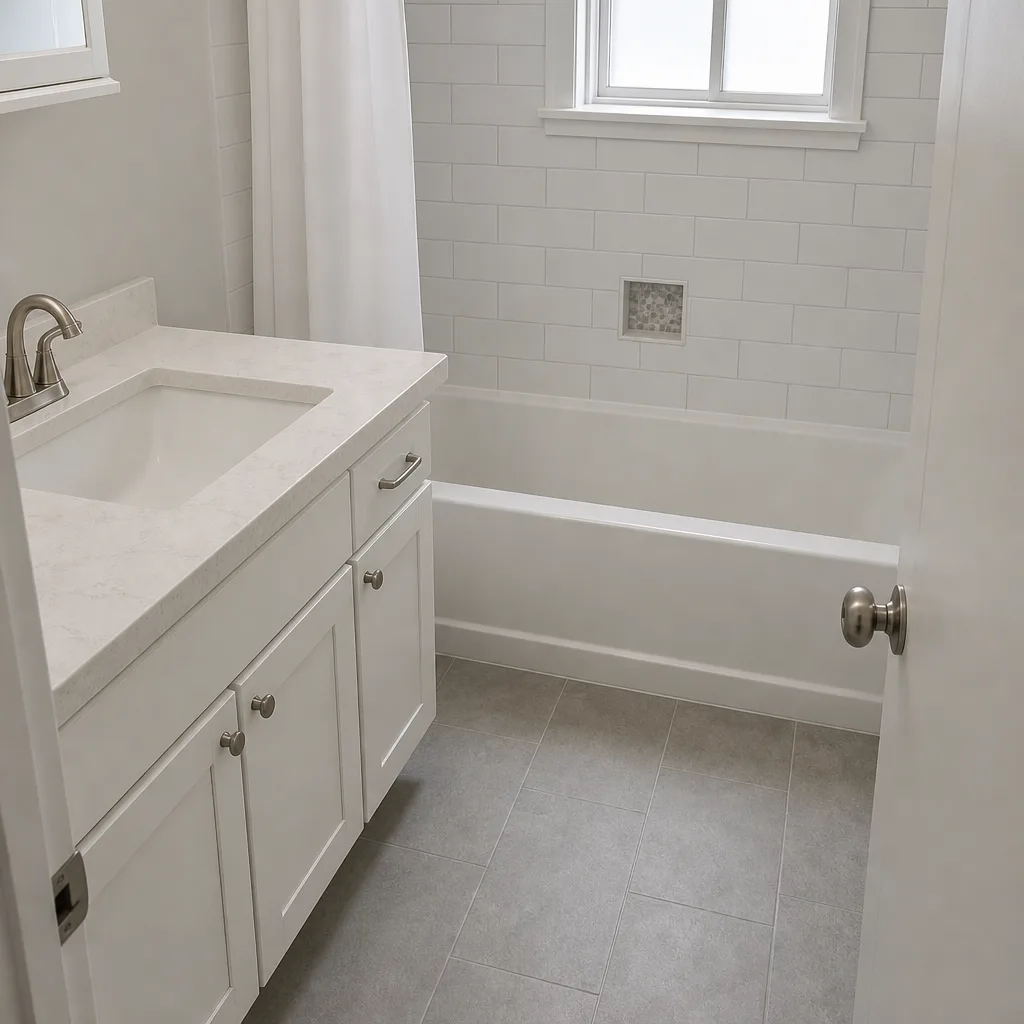 After
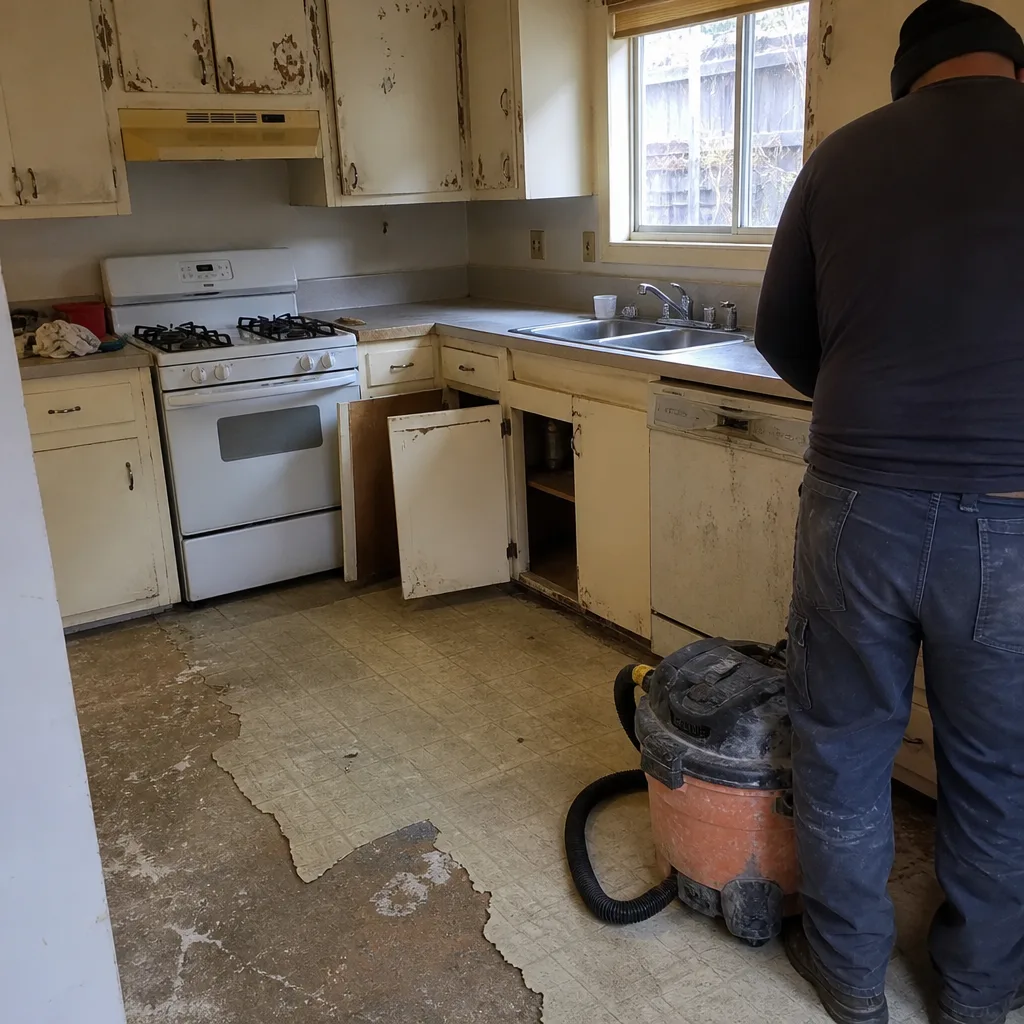 Before
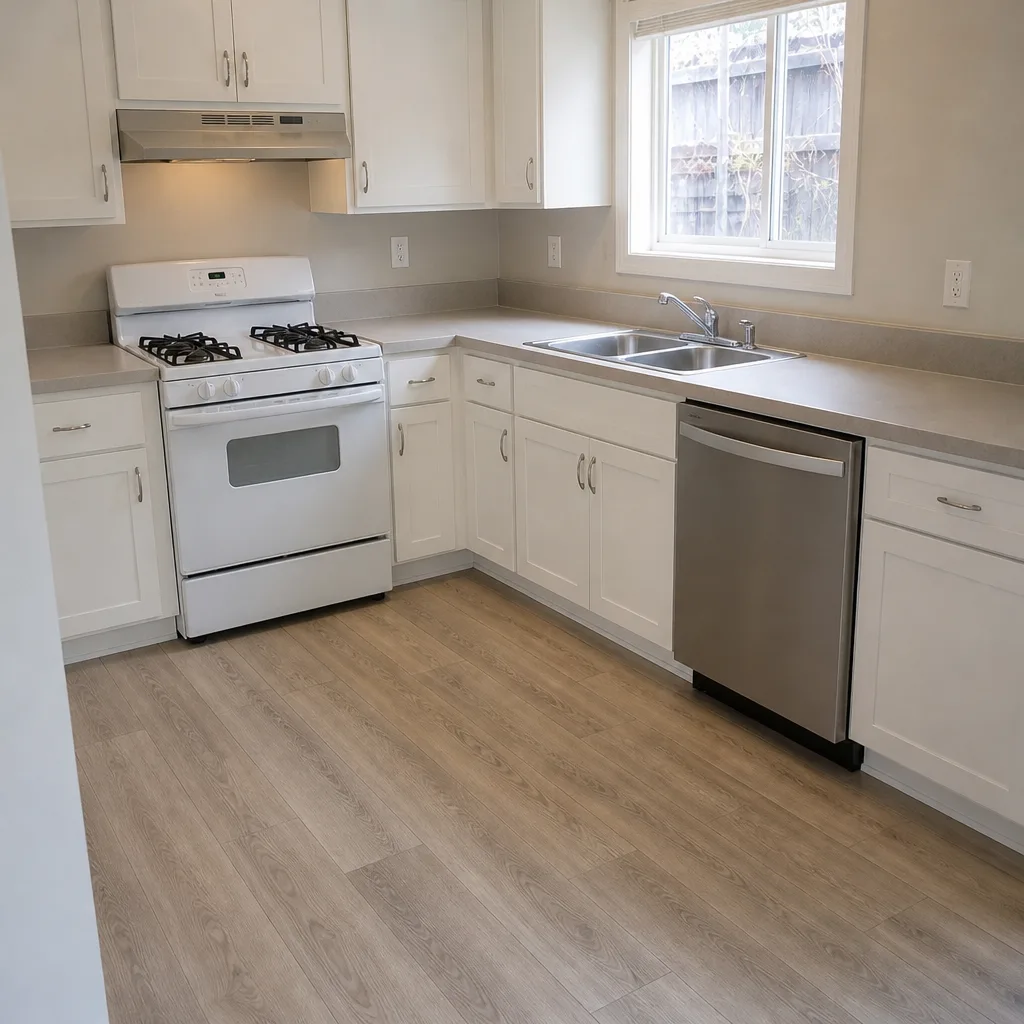 After
When to Call a Professional
Some decisions need eyes on the actual house, not a brand chart. Call a professional if your roof is near the end of its service life and you’re weighing a replacement; if your windows are fogging or you notice water at the sill; if you’re planning a deck, paver, or fence project in a WUI zone where the fire listing matters; or if you’ve been quoted a warranty you don’t fully understand. A free second opinion on any written estimate is one of the most useful calls you can make before signing. Barrett & Sons Construction Santa Rosa offers free estimates in Santa Rosa – call (866) 864-4083. We answer live, and we’ll walk the job with you and put the scope in writing.
Frequently Asked Questions
The best brand for a Santa Rosa home is the one rated for our UV, moisture cycling, and thermal swing, stocked locally for replacement parts, and covered by a warranty that pays out in a California climate. GAF and CertainTeed tend to hold up well on roofs, Andersen and Marvin on windows, and Belgard or Unilock on hardscapes because their performance data and local distribution are dependable. Call (866) 864-4083 for a free estimate that compares options for your specific house.
Because our climate is two climates in one year. Winter fog and moisture load every seam, then dry 100-degree heat pulls that moisture back out while UV climbs. Products tested for one condition rather than that cycle tend to show premature fade, movement, or seal failure here. Call (866) 864-4083 for an exact quote on a product matched to your home’s exposure.
Yes. If your address is in or near a Wildland-Urban Interface zone, your insurer may require products on the California State Fire Marshal’s approved list, and a fire-rated brand that isn’t installed to spec can leave a coverage gap. Confirm your requirement in writing, then verify the exact model. Call (866) 864-4083 and we’ll help you sort out the documentation.
Often yes. The product line, color run, or model sold through a big-box channel can differ from what a local building supply stocks and services. The bigger difference is what happens after install: a local supplier can pull a matching replacement piece in days, not weeks. Call (866) 864-4083 to talk through what’s actually available for your project.
Read the exclusions first. UV fade, thermal movement outside the rated range, and the “improper installation” clause are the three that most often decide a claim in a California climate, and transferability matters at resale. Match the warranty to a documented, permitted install. Call (866) 864-4083 for a free second opinion on any written estimate you’ve already received.
Not on our jobs without a written change order signed before work proceeds. Every scope, allowance, and brand upgrade goes in writing first, so the final invoice matches the paperwork. Our 90-Day Done Right Promise is written on every contract, not buried in fine print. Call (866) 864-4083 for an exact quote – estimates are free.
The Bottom Line
Choosing a construction brand for a Santa Rosa home comes down to matching the product to our specific climate, our local supply chain, and our fire and insurance reality. Read the UV, moisture, and thermal specs. Confirm the brand is stocked and serviceable nearby. Match the model to the State Fire Marshal list if you’re in a WUI zone, and read the warranty exclusions before you sign. Then pick the installer fluent in that product and get the scope in writing. Do those things and the brand question answers itself. Call (866) 864-4083 for a free estimate.
Written by the team at Barrett & Sons Construction Santa Rosa.