Last updated November 18, 2026
Free written scope consultation - allowances, timeline, and change-order rules on paper before a single trade is scheduled
DIY vs Professional Construction: The Santa Rosa Homeowner’s Decision Guide
Most homeowners frame the DIY-versus-hire decision as a money question. In Santa Rosa it’s a permit question first. Here’s the counterintuitive part: an owner-builder who legally pulls their own permit, handles the framing, and hires licensed trades for electrical and plumbing can legitimately save thousands. That same homeowner who skips the permit on a panel swap is one insurance claim or one house sale away from a problem that dwarfs every dollar saved. This guide walks through what California’s owner-builder rules actually allow, which jobs realistically finish to code in Sonoma County, and how to do the true-cost math before you pick up a tool.
Quick Answer
In Santa Rosa, you can legally do your own cosmetic and finish work – tile, paint, landscaping, decks under the permit thresholds – but electrical, plumbing, and gas work belongs to licensed trade contractors by state law, and structural work usually requires an engineered permit. DIY rarely saves money on anything that touches a permit, a wildfire-prone insurance policy, or a trade you don’t already own the skills and tools for. Finish work is where DIY pays; systems work is where it bites.
Styles & brands we work with
- Kitchen remodeling
- Bathroom remodeling
- Home additions & ADU
- Roofing
- Windows & doors
- Driveway & pavers
- Fence
Table of Contents
- What California’s Owner-Builder Permit Actually Allows
- Which Jobs Santa Rosa Homeowners Realistically Finish to Code
- How to Calculate the True Cost of DIY
- Liability and Wildfire Risk: What Insurance Looks At
- When Hiring a Professional Is Actually the Faster Path
- Step by Step: How a Permitted Santa Rosa Project Runs
- What Changes by Santa Rosa Neighborhood
What California’s Owner-Builder Permit Actually Allows
California lets a homeowner pull a permit as an “owner-builder” on a home they live in and don’t intend to sell immediately. That last clause is the one almost nobody reads. Under state law, an owner-builder who pulls permits and then sells the property within one year of the work being finished must disclose that they took the owner-builder exemption in the sales contract. That disclosure goes on the record, follows the house, and can cool a buyer’s confidence in exactly the way an unpermitted addition does.
The rules that matter most for Santa Rosa projects:
- You must occupy the home. Owner-builder permits are for a residence you live in, not a rental you flip.
- You can hire licensed subcontractors. You can’t pull your own electrical or plumbing permit, but you can hire licensed electricians and plumbers to work under your owner-builder umbrella.
- You accept the liability. Owner-builder work carries the full weight of code compliance. If the inspector flags it, you fix it – or you sell a house with an open permit on the record.
- You can’t do permitted work on a home you don’t live in. Flippers and landlords need a licensed general contractor, full stop.
The permit inspector works for you, not for the contractor. That’s the part homeowners miss. Every inspection is a free code check baked into your permit fee. The question is whether you have the knowledge to pass it the first time or the fifth, because re-inspections after the second failure typically carry a fee in Sonoma County. In our experience, the projects that blow past permit timelines are almost always owner-builder jobs where the framing-to-electrical sequence wasn’t understood up front. If you’re weighing a bigger project, our team at Barrett & Sons Construction Santa Rosa can walk through the permit sequence with you before you commit.
Which Jobs Santa Rosa Homeowners Realistically Finish to Code
Let’s separate the projects homeowners genuinely complete on their own in Santa Rosa from the ones that look simple on a Saturday afternoon video and turn into a permit problem by Tuesday. We’ve helped fix enough half-finished owner-builder jobs over the years to have a clear line on this.
Realistically DIY in Santa Rosa:
- Interior painting. No permit, no inspection, no danger beyond a ladder. Prep and ventilation are the whole game.
- Tile backsplash. Cosmetic and non-structural. Just watch the electrical outlets around the counter.
- Landscaping and planting. Native and drought-tolerant planting is a strong move in this climate. Moving soil near the foundation is not.
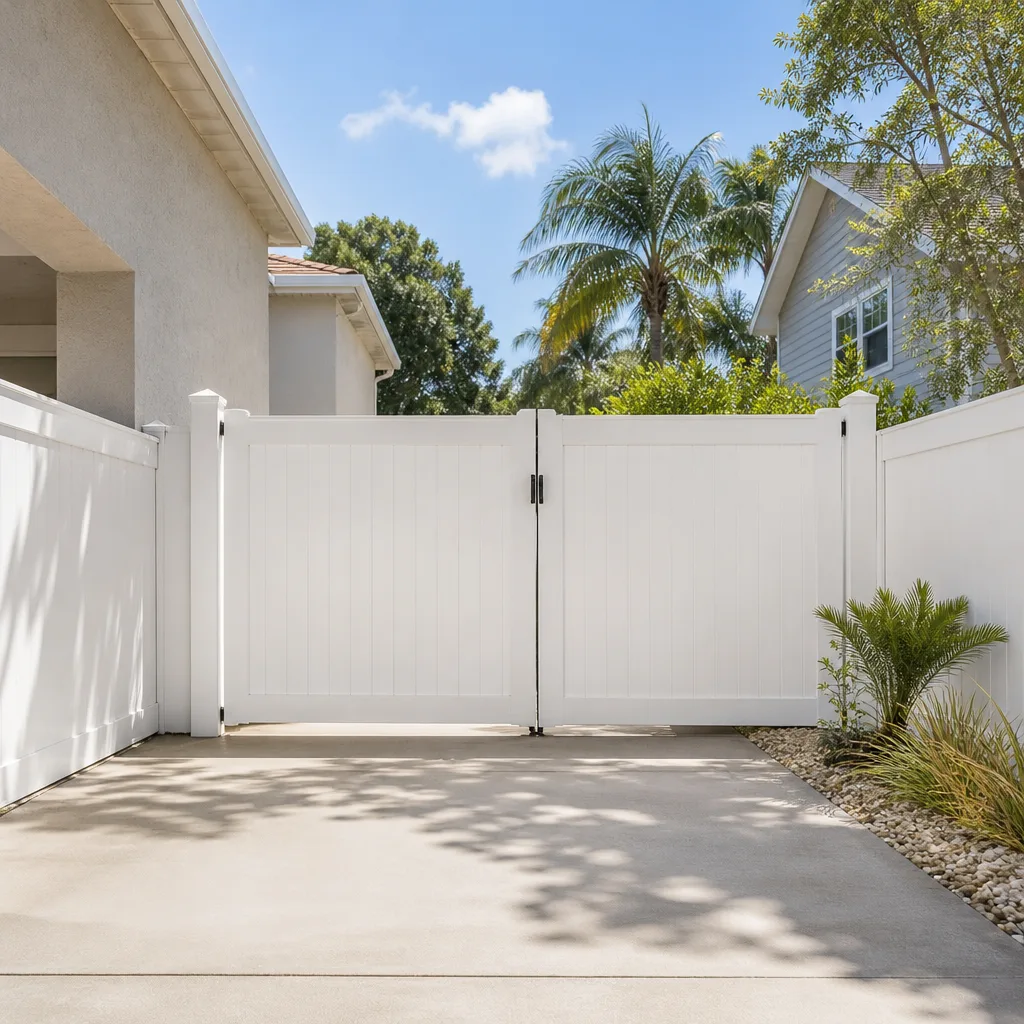
- Fence repair and replacement. Fence permits are limited in Santa Rosa, but height limits and property-line setbacks are real, and neighbors can and do object.
- Interior trim and finish carpentry. No structural impact, no inspection required.
Belongs to a licensed trade:
- Electrical panel, wiring, and outlet changes. State law requires a licensed electrician for permitted electrical. Full stop.
- Plumbing, gas lines, water heaters. Gas is a hard no. A licensed plumber handles the permit and the inspection.
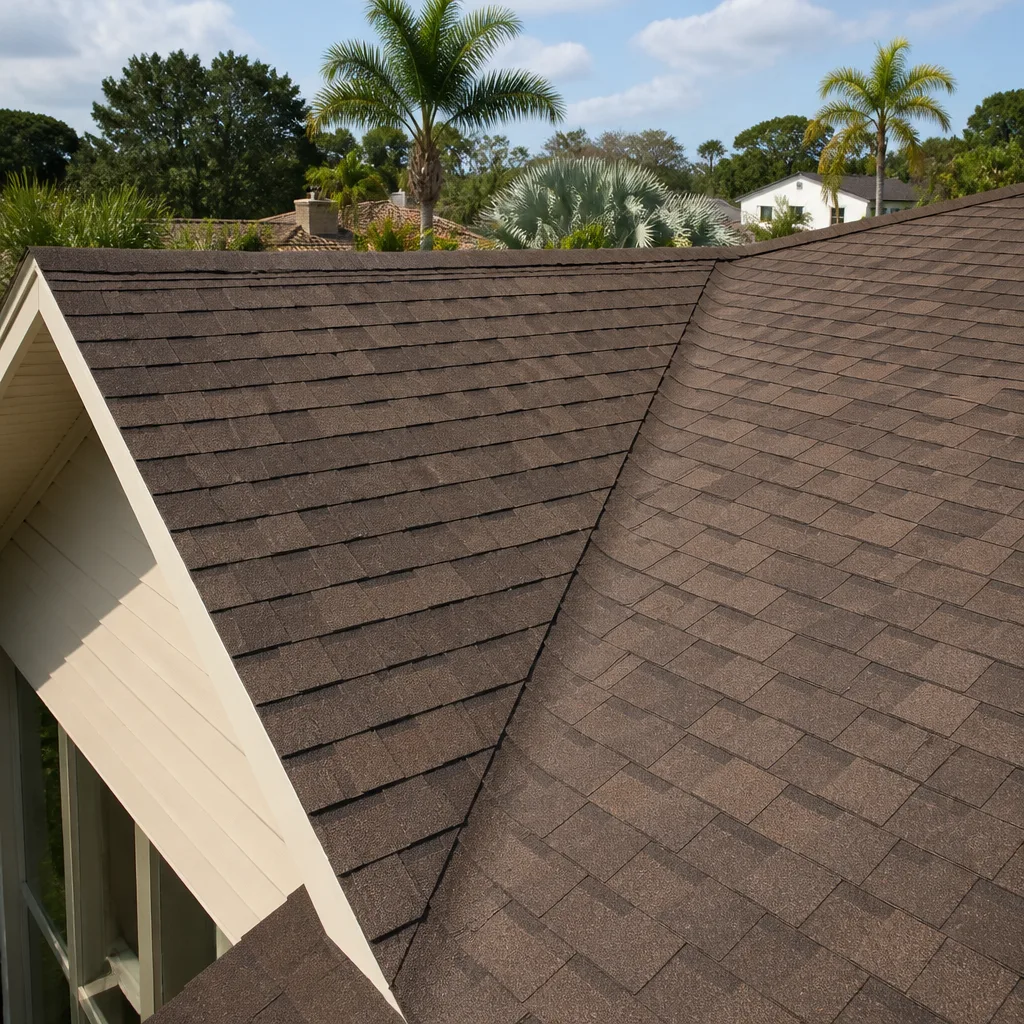
- Roof repair and replacement. Wildfire code shapes this in Sonoma County. Aerodynamic shingle ratings and Class A fire ratings are not optional in most of the county.
- Structural framing and load-bearing walls. An engineer signs off or you don’t move forward.
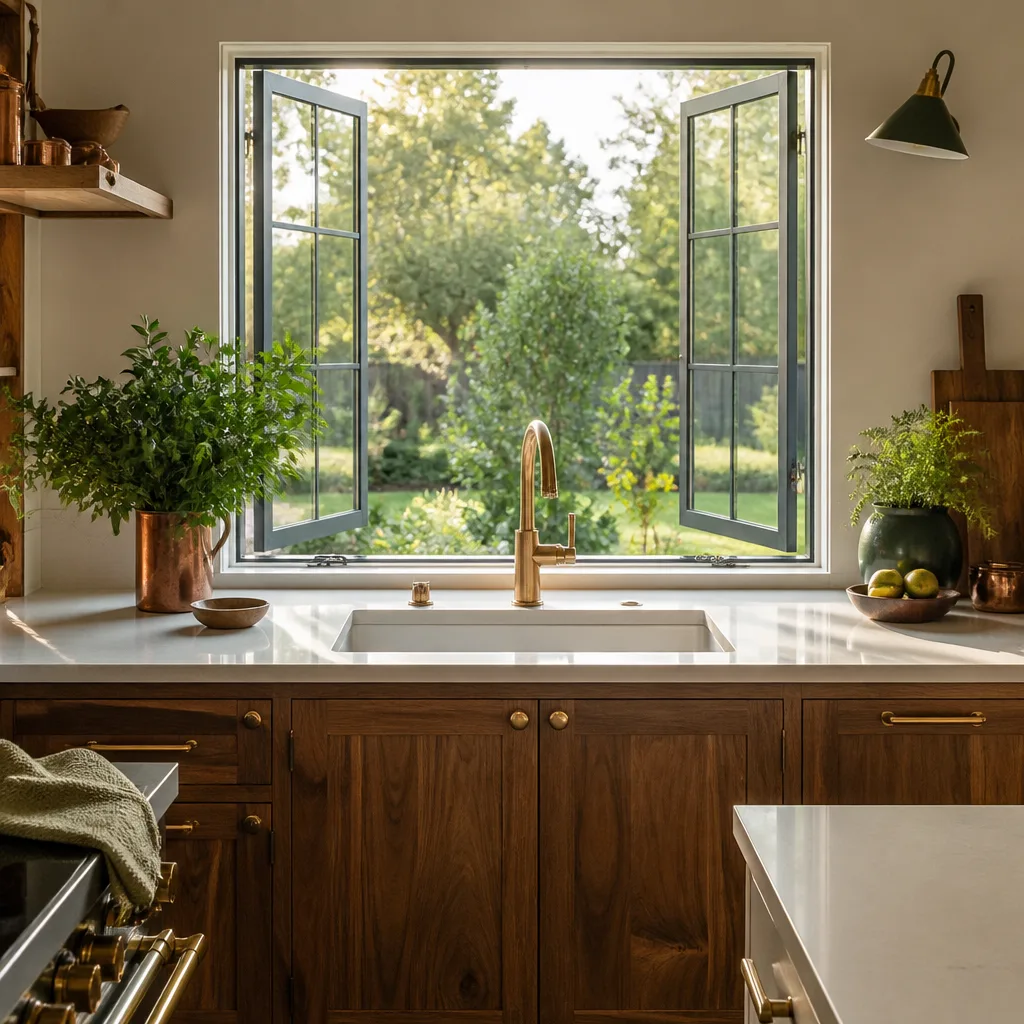
- Window and door replacement. Requires a permit in nearly every case, and Title 24 energy compliance is written into the permit.
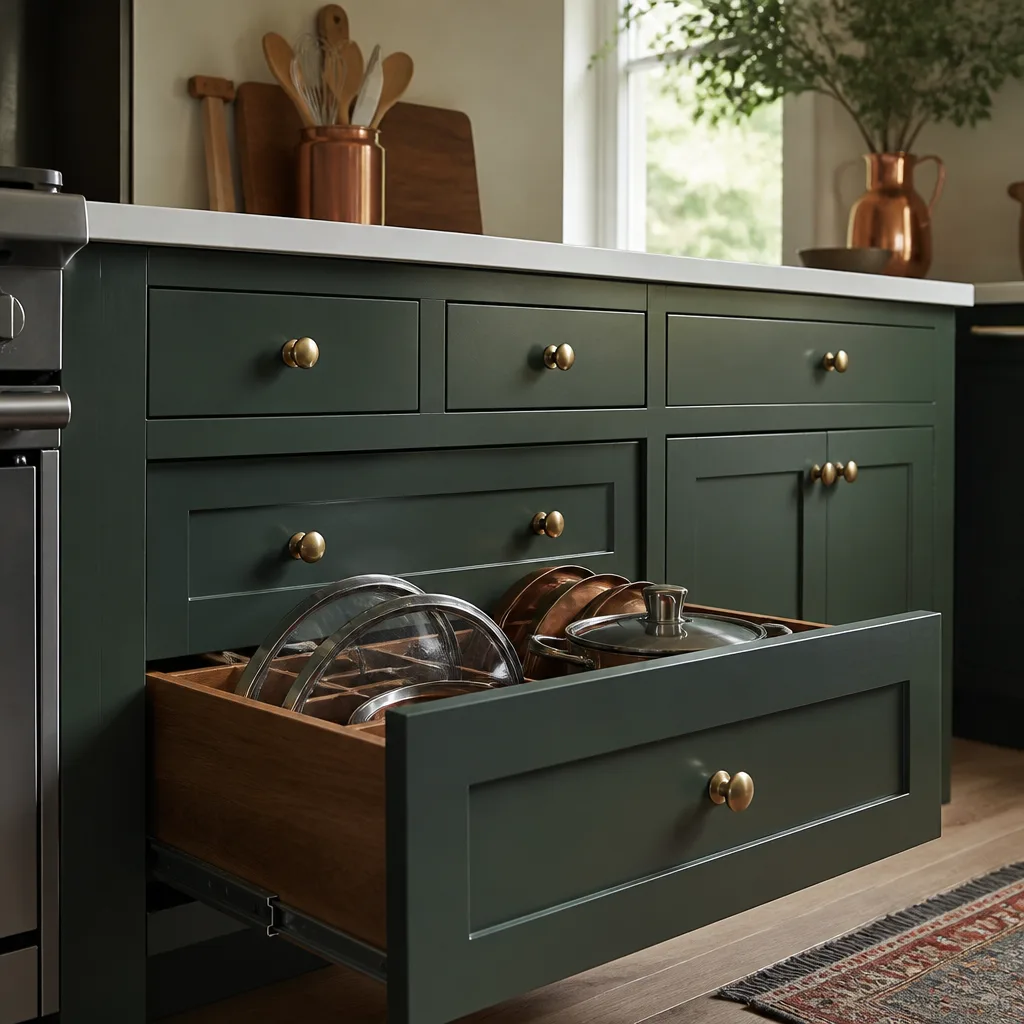
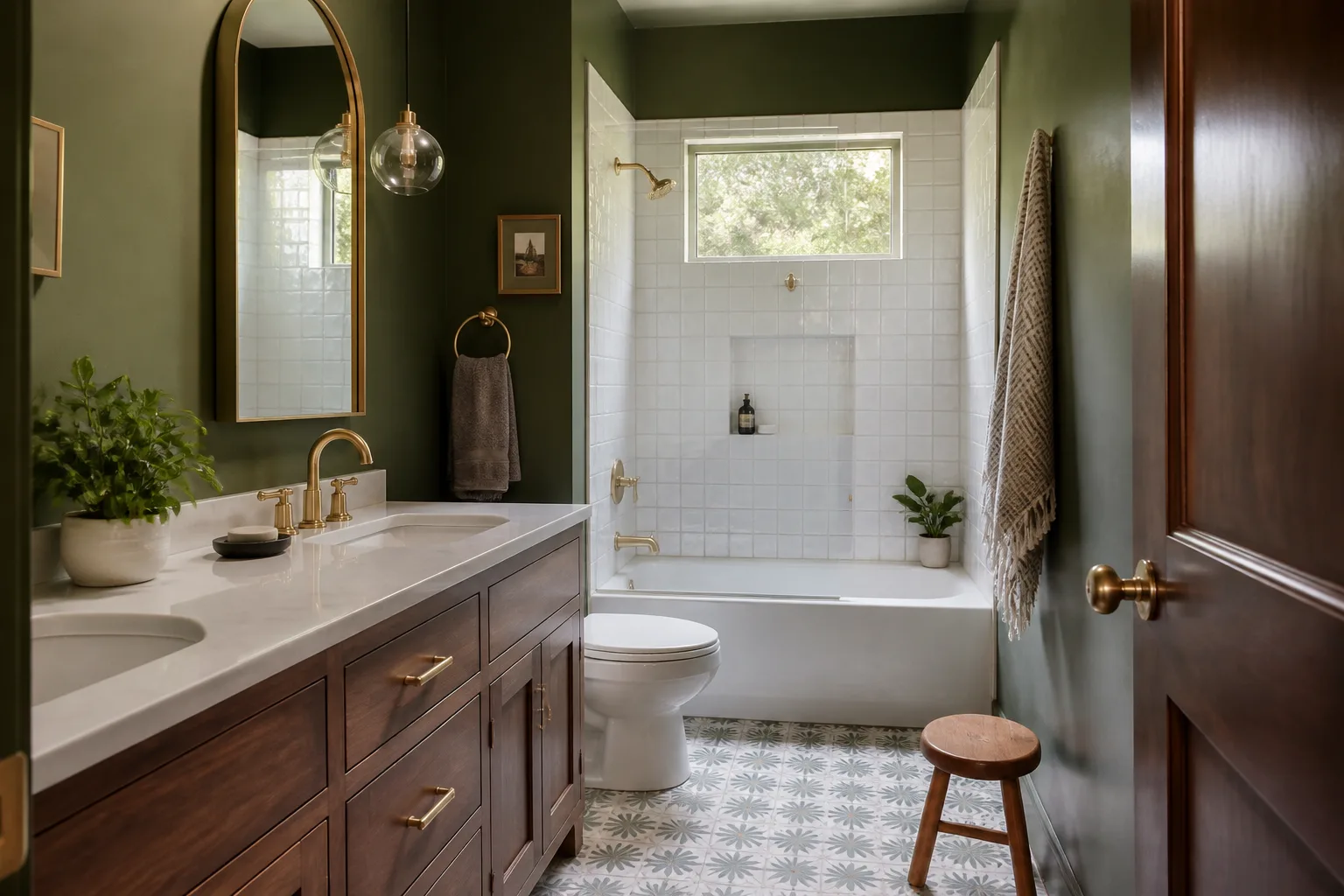
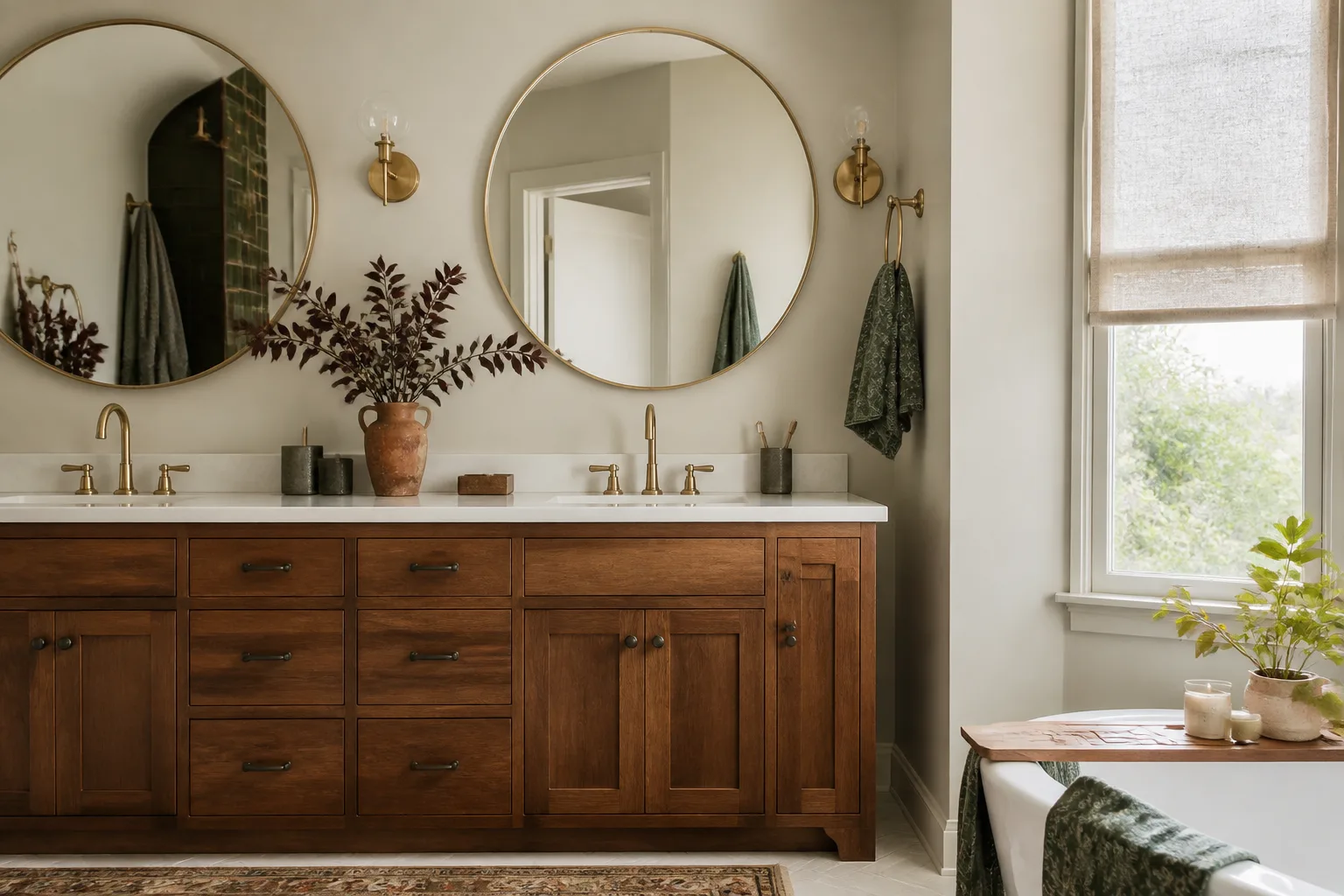
- Kitchen and bathroom remodels of any real scope. Even a “just tile and a vanity” job usually touches plumbing and electrical. A finished remodel with Toto fixtures, a Schluter waterproofing system, or Grohe fittings expects the trades who know those products.
When we’ve seen a Santa Rosa homeowner try to swap out a vanity or a shower without touching the drain or the supply line, the DIY call goes well. When the toilet has to come out to get to the shutoff, that’s the moment the calculation changes. For driveway and pavers in Santa Rosa, the work is often permitted and the base compaction is what separates a driveway that drains well for 20 years from one that heaves after two wet winters.
How to Calculate the True Cost of DIY
The number that never appears in a YouTube tutorial is the cost of calling a professional to fix the DIY error. California contractor repair rates in Santa Rosa run $95 to $150 an hour, and rework almost always takes longer than doing it right the first time.
Run the math in five steps:
- Add up retail material costs. Contractors buy at supplier pricing you can’t access at a big-box store. A homeowner buying tile, thinset, membrane, and fixtures at retail often spends 15 to 25 percent more than the contractor’s line-item for the same materials.
- Add tool rental. A tile saw, a demo hammer, a plate compactor, and a drywall lift rent for $60 to $200 a day. Add it up against a project that will take you four weekends.
- Budget for material mistakes. Tile cuts that break, drywall that gets damaged during a haul, a vanity that arrives a half-inch too deep. In our experience, first-time DIY projects average one material reorder.
- Put a dollar value on your weekends. A two-weekend project that turns into a two-month project can mean a paper-plate kitchen and a temporarily unusable bathroom.
- Add the rework cost. If a licensed contractor has to fix an electrical junction or a shower waterproofing error, the repair costs more than the original job would have. A Schluter shower system installed without the correct thinset or flange detail fails the flood test, and the whole pan comes out.
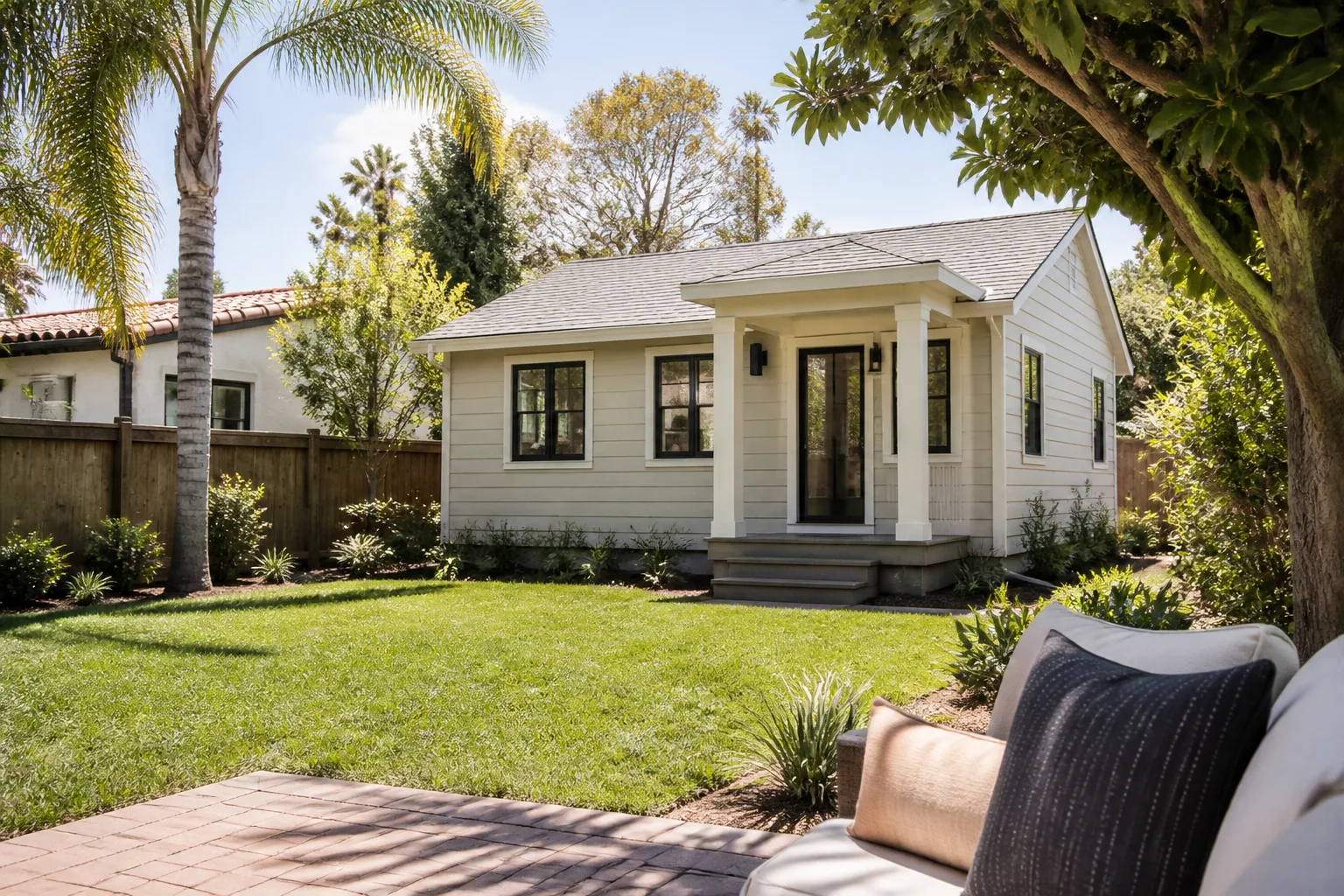
Sit with that number for a minute. If the total DIY cost lands within 20 percent of a professional estimate, the professional wins on speed and warranty alone. If DIY comes in at half the estimate and the work is by code and within your skill range, do it. The math is honest either way. For structural, electrical, and plumbing work, our fence installation in Santa Rosa and home additions and ADU in Santa Rosa teams see the rework side of this calculus regularly, and it’s seldom the savings the owner expected.
Liability and Wildfire Risk: What Insurance Looks At
Sonoma County is a wildfire-prone county. That fact attaches to every construction decision a Santa Rosa homeowner makes, particularly on anything electrical or roof-adjacent. Insurance carriers have paid out for two major wildfire events in the last decade and they now inspect closely before they write or renew a policy.
When a claim comes in, the adjuster walks the damage and asks one question: was the work permitted and inspected? If a roof was replaced without a permit, the carrier may deny the claim or reduce the payout. If a homeowner swapped out an electrical panel themselves without a permit, the fire investigation will find it, and the whole claim process changes shape. A Class A roof that met wildfire code is a different insurance story than a roof that didn’t. The Barrett & Sons Construction Santa Rosa home page covers the fire-rated materials we install and why the choice matters here.
The exposure doesn’t end at the claim. It follows the sale. Title reports and disclosure packets capture unpermitted work, and buyers in this county have learned to ask. A Santa Rosa house with an obvious unpermitted addition is worth less and takes longer to sell. Some lenders won’t finance it at all.
When Hiring a Professional Is Actually the Faster Path
DIY is sometimes framed as the faster choice because you’re not waiting for a contractor’s calendar. In practice, three advantages tilt toward hiring a professional in Santa Rosa for any project that needs a permit.
First, permit relationships. A contractor who pulls permits regularly knows how the Santa Rosa and Sonoma County permit offices process submittals. Plans get reviewed faster when the packet is complete on day one. In our experience, a professionally assembled permit packet clears plan check on the first pass far more often than an owner-builder’s.
Second, supplier accounts. Contractor accounts get same-week delivery and priority on material shortages. A homeowner ordering the same product off retail stock waits behind the commercial queue and pays the retail markup. A kitchen appliance or a Marvin window ordered through the contractor’s account will show up before the retail order does.
Third, sub-trade scheduling. A licensed general contractor already has an electrician and a plumber who can be on-site on a known day. An owner-builder calling around for a licensed electrician is competing for the same calendar slots that contractors book weeks ahead. The result is a job that sits unfinished while the homeowner waits.
The homeowner who genuinely saves money with DIY is the one whose project doesn’t need a permit, doesn’t need an inspection, and doesn’t need a trade contractor’s license. Tile and paint belong there. Additions and remodels don’t.
Step by Step: How a Permitted Santa Rosa Project Runs
A permitted Santa Rosa project follows a fixed sequence. Knowing the sequence is what lets an owner-builder make an informed decision about which parts they do themselves and which parts they hand to a licensed contractor.
- Site assessment and scope. Confirm the full scope in writing, including allowances for materials the homeowner selects later. An allowance that isn’t on paper is a surprise waiting for a date.
- Plans and submittal. Structural work needs engineered drawings. Electrical and plumbing scope is described in the same packet.
- Permit pulled. Either you as owner-builder or your licensed contractor pulls the permit. Every permit gets an inspection schedule at issue.
- Rough-in inspections. Framing, electrical rough-in, plumbing rough-in, and mechanical all get inspected before drywall goes up. This stage is where DIY work most often fails.
- Insulation and drywall. Title 24 energy compliance is inspected here in many Santa Rosa jurisdictions.
- Finish work. Cabinets, fixtures, tile, trim, and paint. This is where owner-builder work is most likely to pass inspection and where contractors add the most visible value.
- Final inspection. The permit closes. Keep the signed-off card with the home records. It matters at a sale.
Every scope change mid-project has to arrive in writing before the work happens. On permitted jobs, that discipline is what prevents the surprise invoice at the end.
What Changes by Santa Rosa Neighborhood
The permit math varies block to block in Santa Rosa. A few examples from our own work:
- Fountaingrove and Coffey Park. Rebuild areas carry heightened scrutiny on fire-rated materials, and insurance carriers on these blocks ask for permit records on every roof and window job. Skipping the permit here is the worst possible bet.
- Bennett Valley and eastern hillside homes. Steep lots change drainage and retaining walls, which can push a modest project into a permit and engineering review. Fence line neighbors are more likely to raise a property-line question.
- Historic districts and downtown. Exterior changes may require design review beyond the building permit. Painting and interior tile are fine; exterior window swaps can trigger a longer review.
- West End and older neighborhoods. Homes from the 1940s through the 1960s often have electrical that needs a full upgrade before any new circuit is added. We routinely see a “simple” bathroom remodel turn into a panel upgrade once the wall opens.
These neighborhood differences don’t change whether you can legally do the work. They change what the inspection sequence looks like and how much a permit costs to start.
Common Mistakes to Avoid
- Skipping the permit to save a few hundred dollars. The permit is the cheapest part of the project. The cost arrives at claim time, not at permit time.
- Doing your own electrical panel work. A panel swap in a Santa Rosa home built before 1980 often reveals a grounding or bonding problem the homeowner never saw. This is genuine danger, not a Saturday job. A licensed electrician handles the permit, the grounding, and the inspection.
- Underestimating tile and moisture. A Schluter shower system installed without the right flange and thinset fails the water test, and the whole pan has to come out. Waterproofing is where DIY bathroom projects fail most.
- Buying retail when the contractor’s price would be lower. Homeowners often assume retail is the cheaper path. In our experience it’s usually 15 to 25 percent more on materials that a contractor buys at trade pricing.
- Replacing windows without checking Title 24. Title 24 energy compliance for windows is not optional in California. A homeowner who swaps windows without a permit may have to reverse the work at resale.
- Forgetting the insurance call. A Santa Rosa homeowner who doesn’t tell their carrier about a permitted roof replacement may miss a rate reduction. A homeowner who doesn’t tell them about unpermitted work may find a claim denied.
- Assuming your neighbor’s fence is your problem. In California, shared fence is typically a shared cost, but only if it’s built to code and the boundary is agreed. Skipping the boundary survey is the most common fence mistake in Santa Rosa.
See the difference
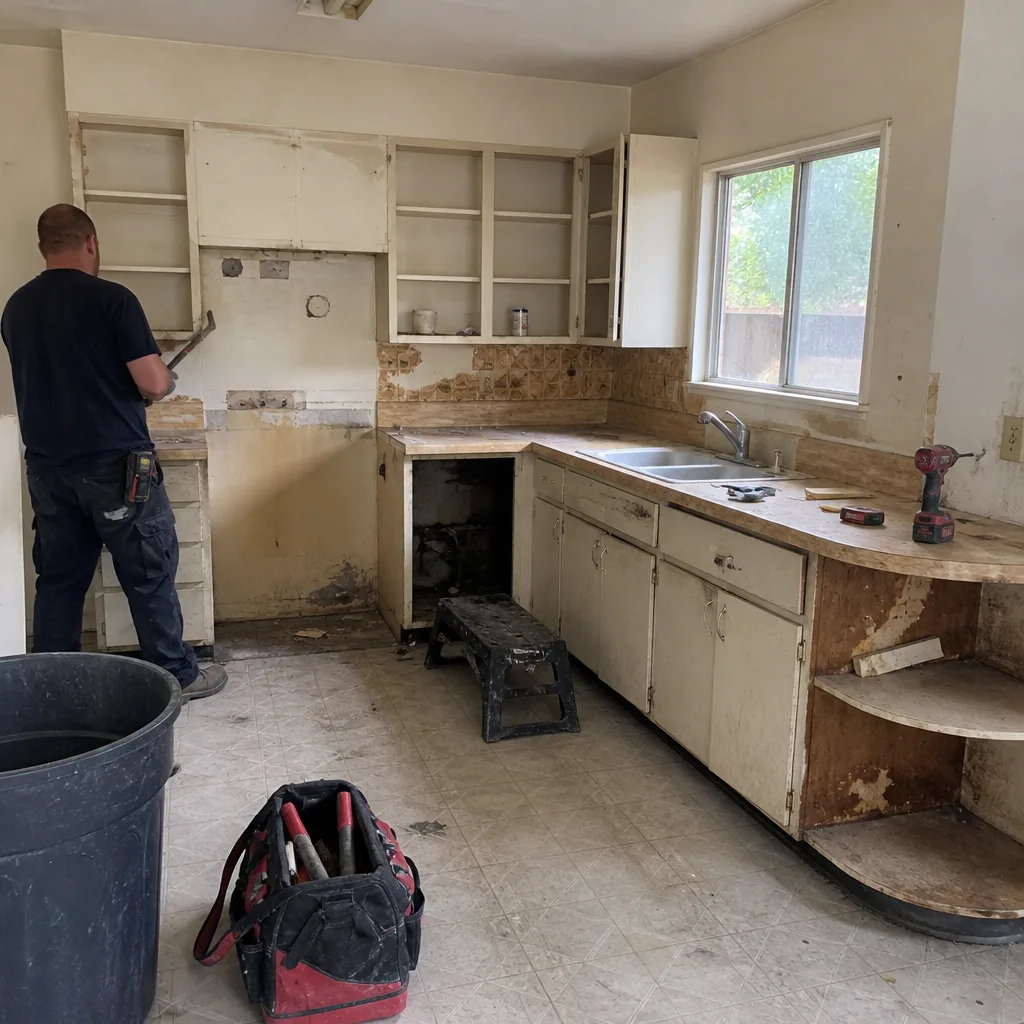 Before
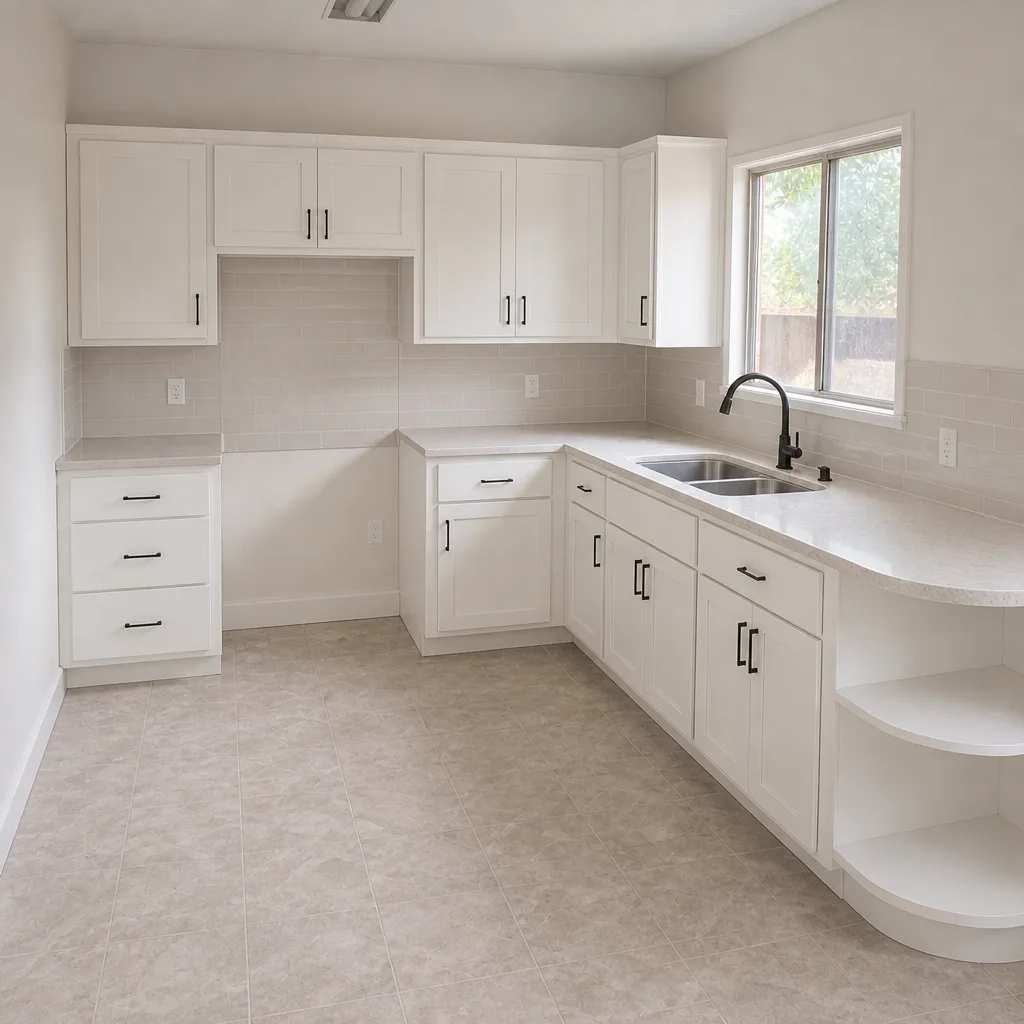 After
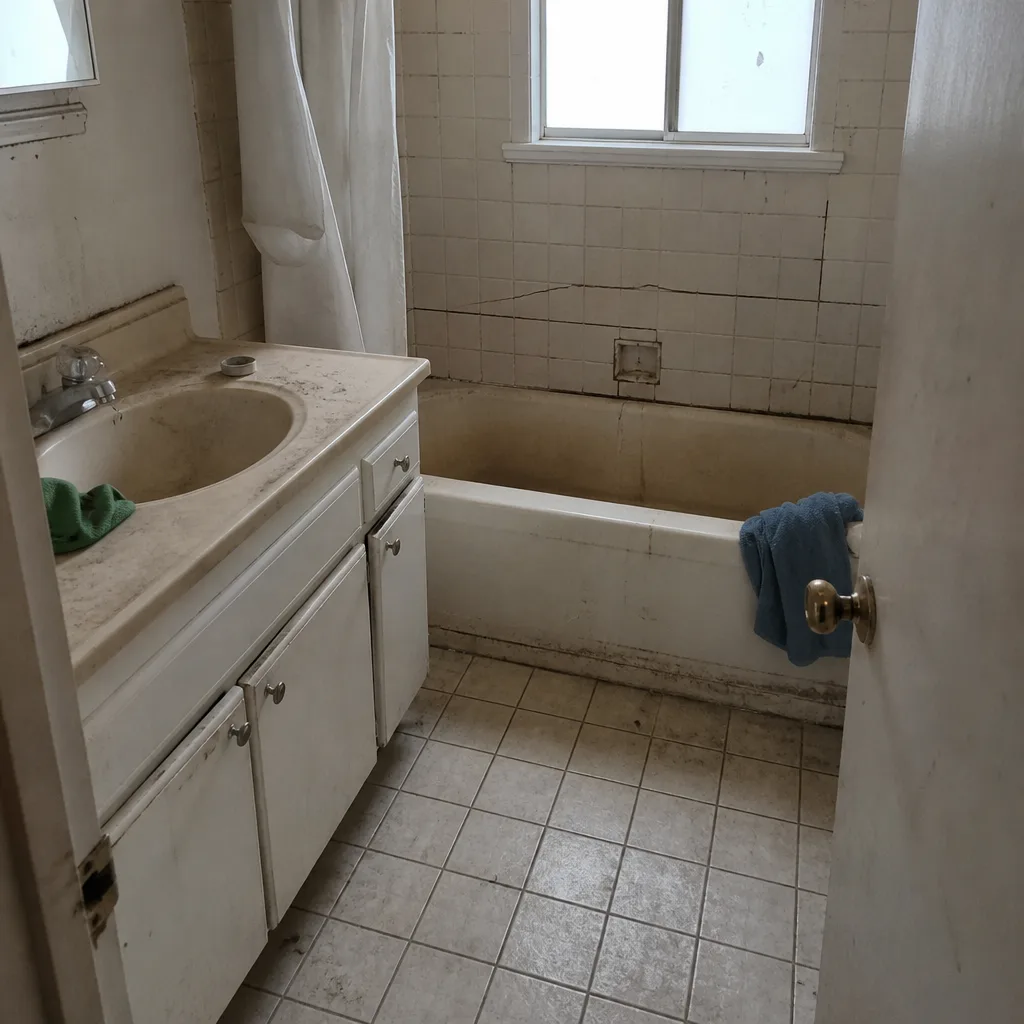 Before
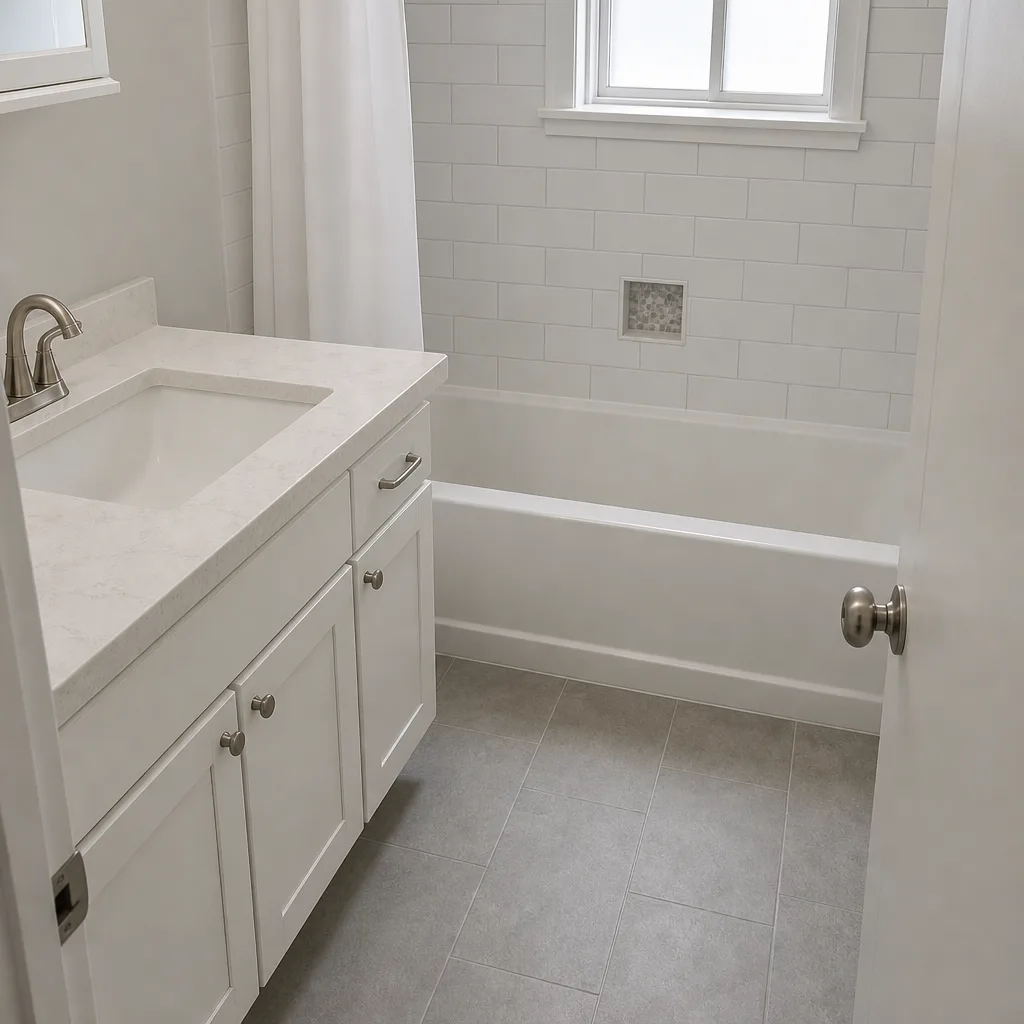 After
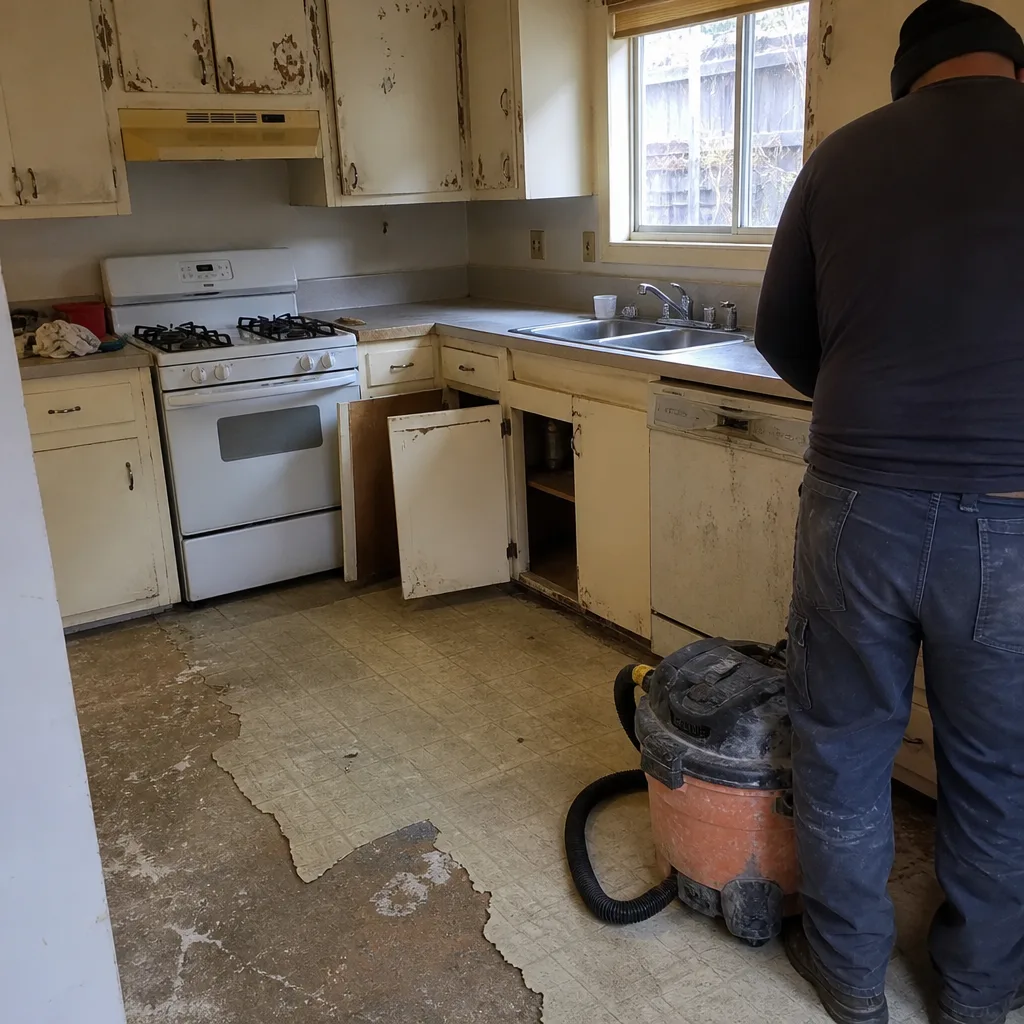 Before
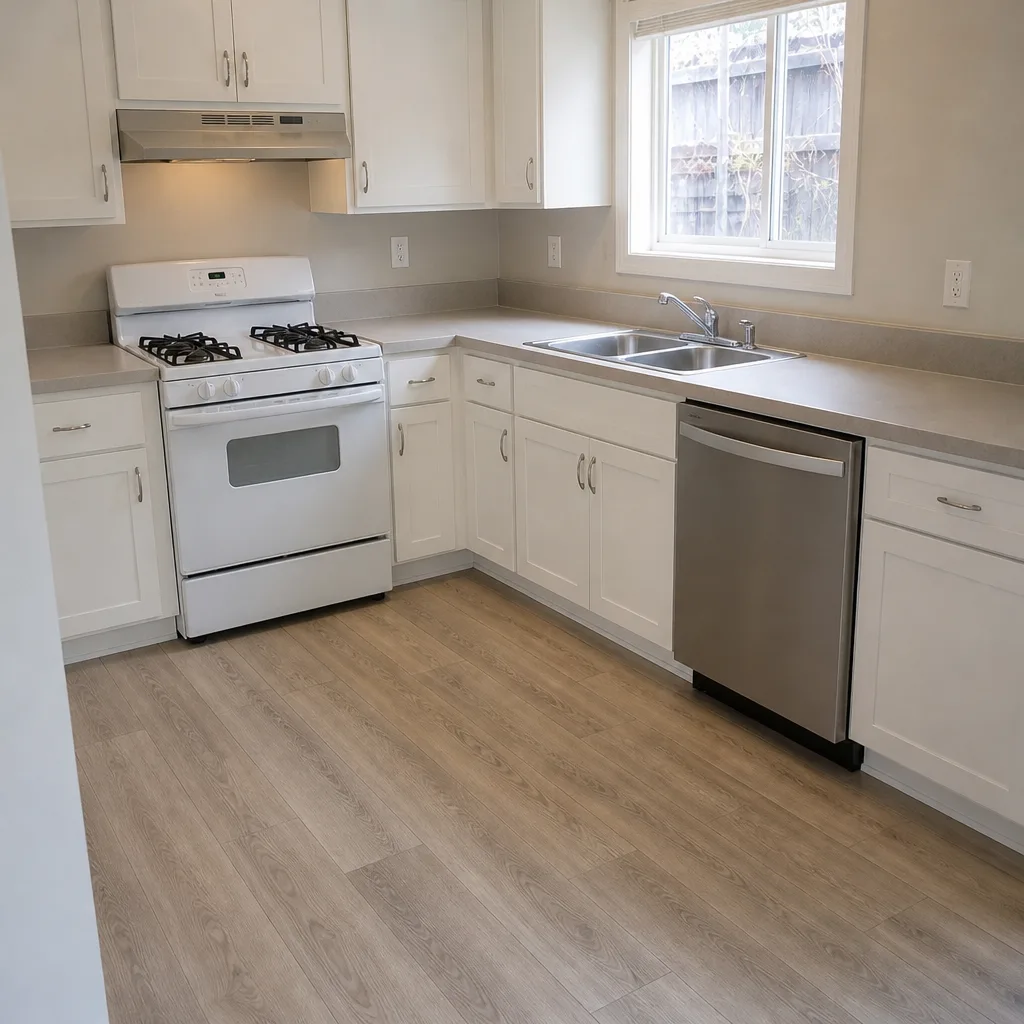 After
When to Call a Professional
A professional call is the right move when the work touches anything a permit inspector or an insurance adjuster will look at: the electrical system, the plumbing or gas system, the roof, structural framing, window and door replacement, or any project where the plan set requires engineering. Add a professional when the skill gap is real against a fixed deadline. And add one when you’re already sensing the weekend math isn’t going to work. Barrett & Sons Construction Santa Rosa offers free estimates in Santa Rosa – call (866) 864-4083. Every price change arrives as a written change order before any work moves, permits are pulled and inspections signed on every eligible job, and every completed job is backed by the written 90-Day Done Right Promise.
Frequently Asked Questions
No. California requires a licensed electrician for permitted electrical work, and Santa Rosa follows that rule. An owner-builder can pull the general permit but cannot do the electrical scope themselves and have it pass inspection. A panel swap is genuinely dangerous work, and a licensed electrician handles the permit, the grounding check, and the inspection. Call (866) 864-4083 for a free estimate if you’re weighing a panel or wiring upgrade.
Realistically, 15 to 30 percent on a full bathroom – and often less once tool rental and one material reorder are counted. A bathroom remodel in Santa Rosa typically runs $18,000 to $40,000 through a licensed contractor. A homeowner doing tile, demo, and paint themselves can save real money; one doing plumbing and electrical cannot do those by law, so the savings cap out fast. Call (866) 864-4083 for a free second opinion on any written estimate you receive.
Yes. Roof replacement requires a permit in Santa Rosa, and it triggers fire-rating review under the county’s wildfire code. Insurance carriers on Sonoma County homes ask for permit records on roof replacement, and an unpermitted roof can reduce a claim or block a policy renewal. That’s why we recommend GAF or CertainTeed systems installed with the Class A rating the code expects. Call (866) 864-4083 for a free estimate.
You must disclose it, and buyers will discount the price or walk away. Lenders may refuse to finance a home with unpermitted structural or electrical work, and a title search often surfaces the discrepancy. The owner-builder permit carries an extra rule: you must disclose the owner-builder exemption in the sales contract if you sell within one year of the work being completed. Call (866) 864-4083 if you need an honest assessment of work already done on your home.
Sometimes. A fence replacement on a straight property line with no height or setback issues is a reasonable DIY job, and the material savings are real. The catch is boundary surveys, which often reveal that the fence line has drifted from the deed line across a few properties. Belgard or Techo-Bloc hardscape along the fence line is usually a professional call. Call (866) 864-4083 to talk through your specific fence line before you order material.
Usually not. Rework on a failed electrical rough-in, a water-damaged shower pan, or a framing inspection failure frequently costs more than the original job’s estimate – sometimes 1.5 to 2 times more once demo and re-inspection are counted. In our experience, homeowners who call after a failed inspection have usually spent more than the original bid. Call (866) 864-4083 for a free second opinion before you commit to the DIY path.
The Bottom Line
In Santa Rosa, the DIY-versus-professional question is a permit question first. Finish work – tile, paint, trim, landscaping – is where owner-builders realistically save money and finish to code. Electrical, plumbing, gas, structural, roof, and window work belongs to licensed trades by law, and the wildfire-risk insurance environment in Sonoma County makes the cost of skipping a permit far larger than the permit fee. Run the true-cost math, budget for one material reorder and tool rental, and honestly price the rework risk. When the work touches a permit or a system, hire a licensed contractor who pulls the permit, signs the inspection, and stands behind the job in writing.
If you’re weighing a Santa Rosa project and want a straight read on what belongs in your scope, call us at (866) 864-4083 to schedule a free estimate. We’re happy to walk your specific job – or your neighbor’s estimate – with you before you commit.
Written by the team at Barrett & Sons Construction Santa Rosa.