Last updated November 18, 2026

Free written scope consultation - allowances, timeline, and change-order rules on paper before a single trade is scheduled
The Complete Guide to Construction in Santa Rosa
After the 2017 Tubbs Fire, Sonoma County processed more residential rebuild permits in 18 months than it normally handles in a decade. That backlog changed everything about construction in Santa Rosa: the code requirements tightened, the contractor pool flooded with out-of-area operators, and the permitting office itself got a decade’s worth of hard lessons compressed into a few years. We’re still living with the results today, and they shape what you pay, how long approvals take, and which builders you should trust. This guide covers what most general-audience construction advice gets wrong about Santa Rosa, from wildfire code requirements that now touch properties that never burned to the clay soils under some of our older neighborhoods. You’ll learn how the Sonoma County permit process actually works, how to vet a contractor’s license history, and how to build a realistic project calendar around our wet winters and fire-season work restrictions.
Quick Answer
Construction in Santa Rosa is shaped less by statewide California code than by a local overlay: post-fire Wildland-Urban Interface requirements, Sonoma County permit timelines that run longer than most of California, and soil conditions that force geotechnical reports on many sites. Expect permit review to take four to eight weeks for a straightforward remodel and longer for anything structural or hillside. Building here means planning around a wet season (roughly November through April) and summer fire-weather restrictions, and it means hiring a contractor whose license you’ve actually verified.
Styles & brands we work with
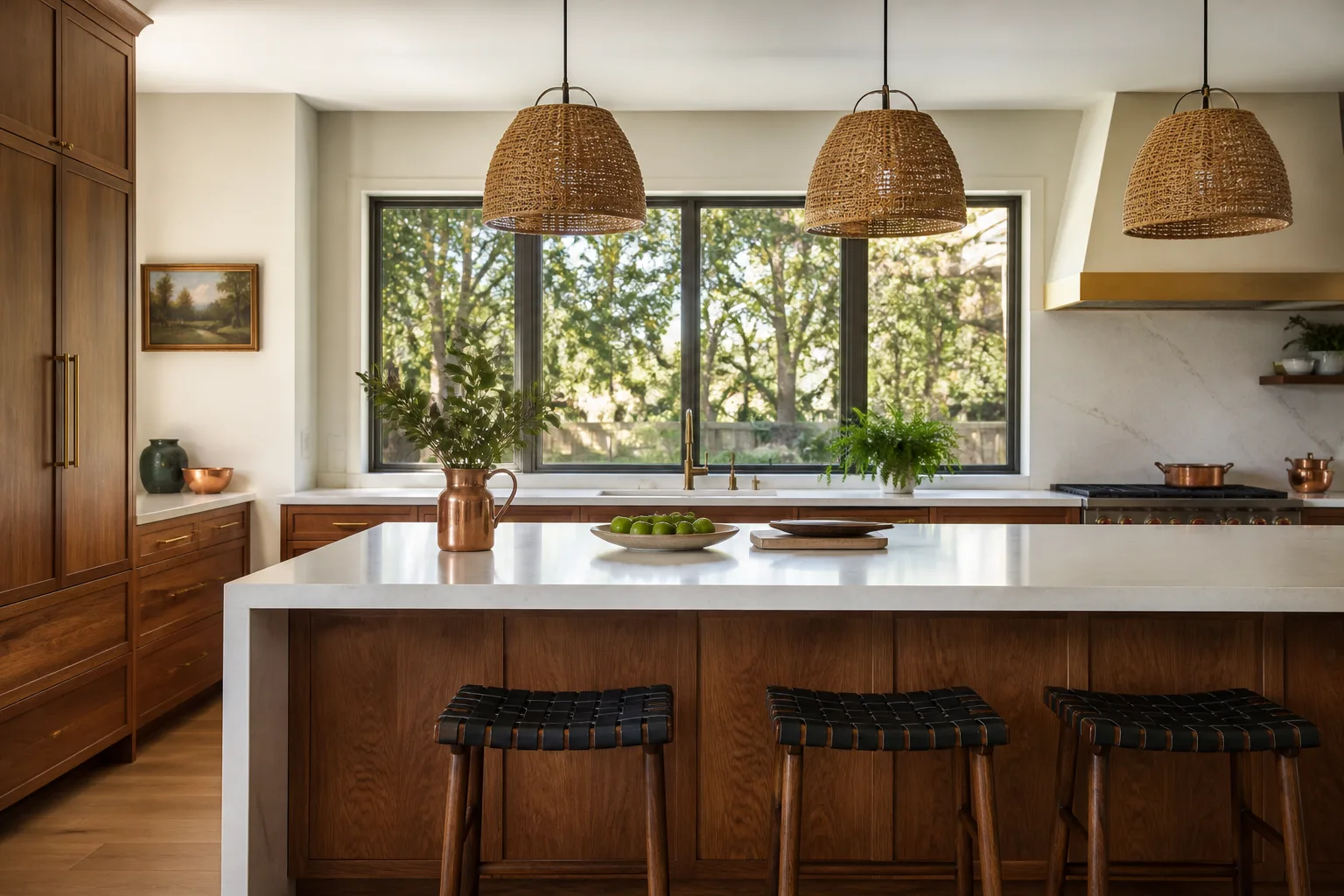
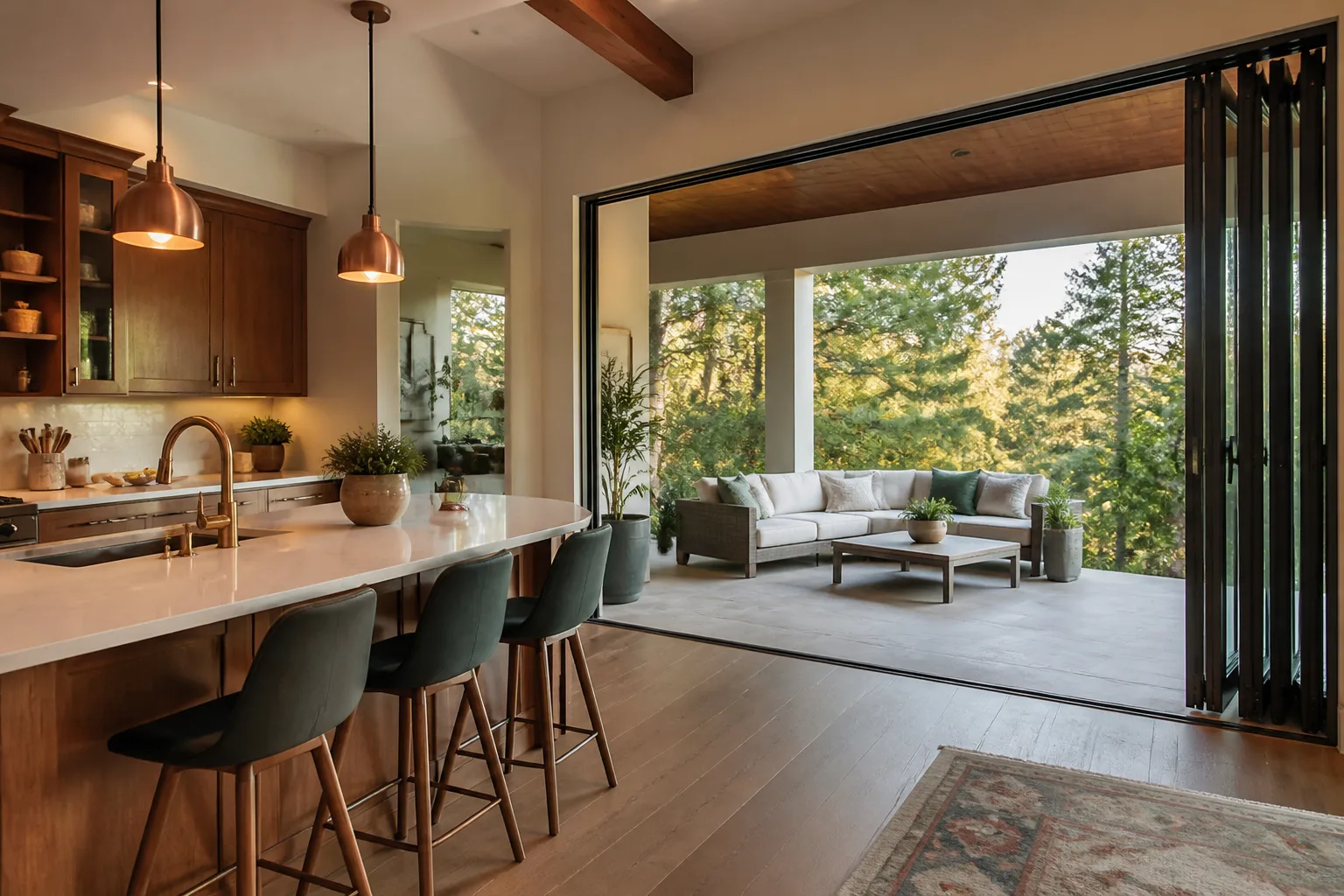
- Kitchen remodeling
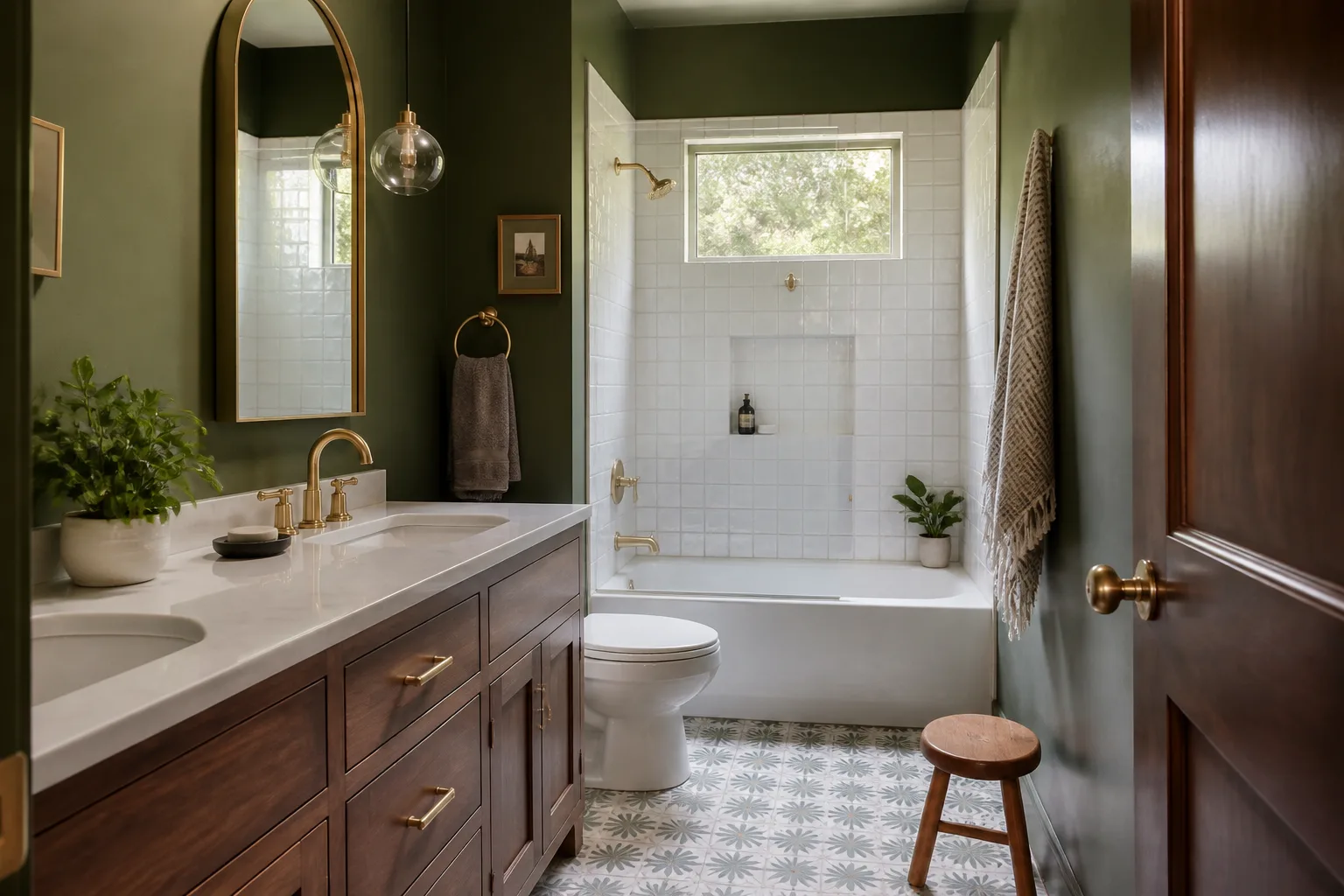
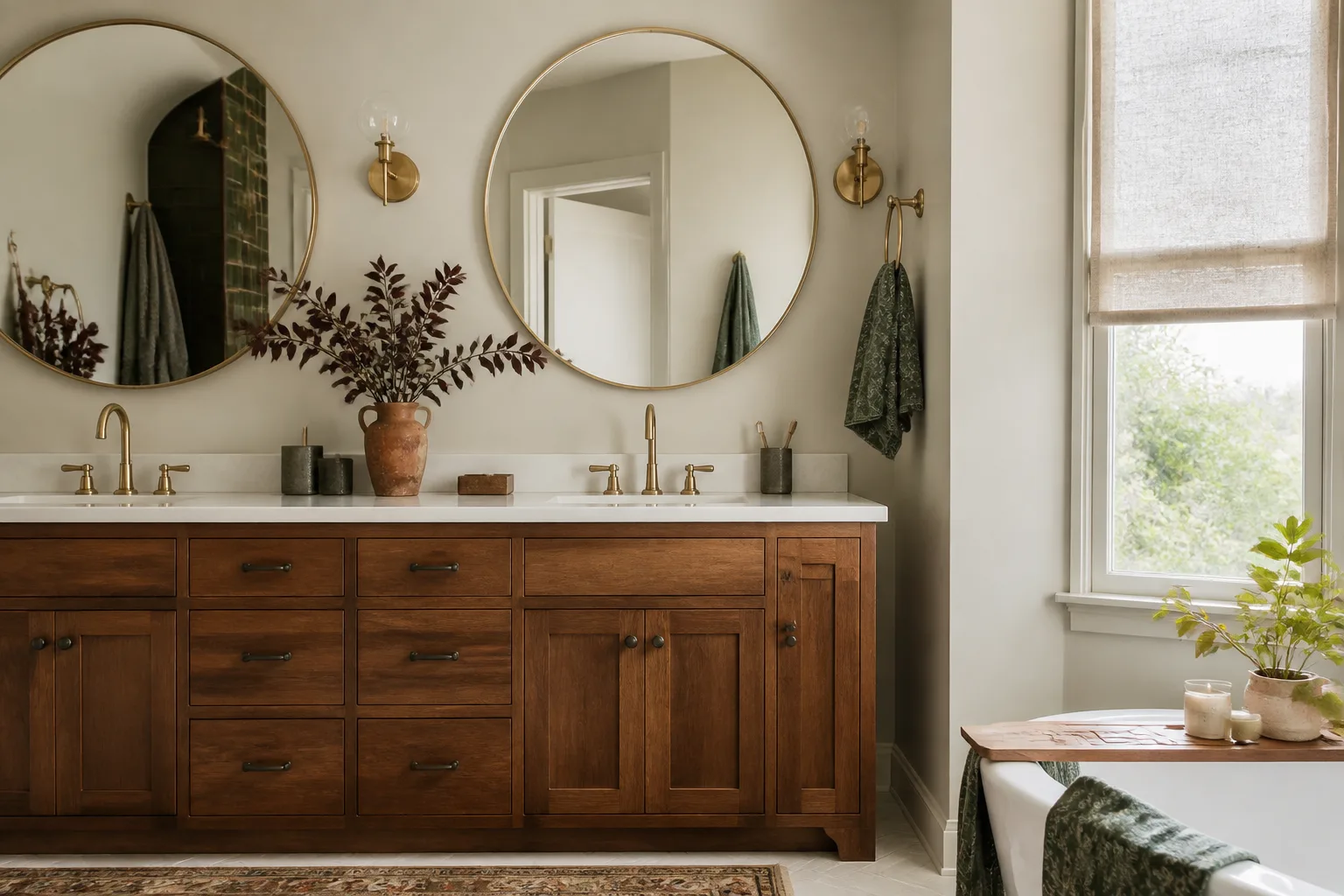
- Bathroom remodeling
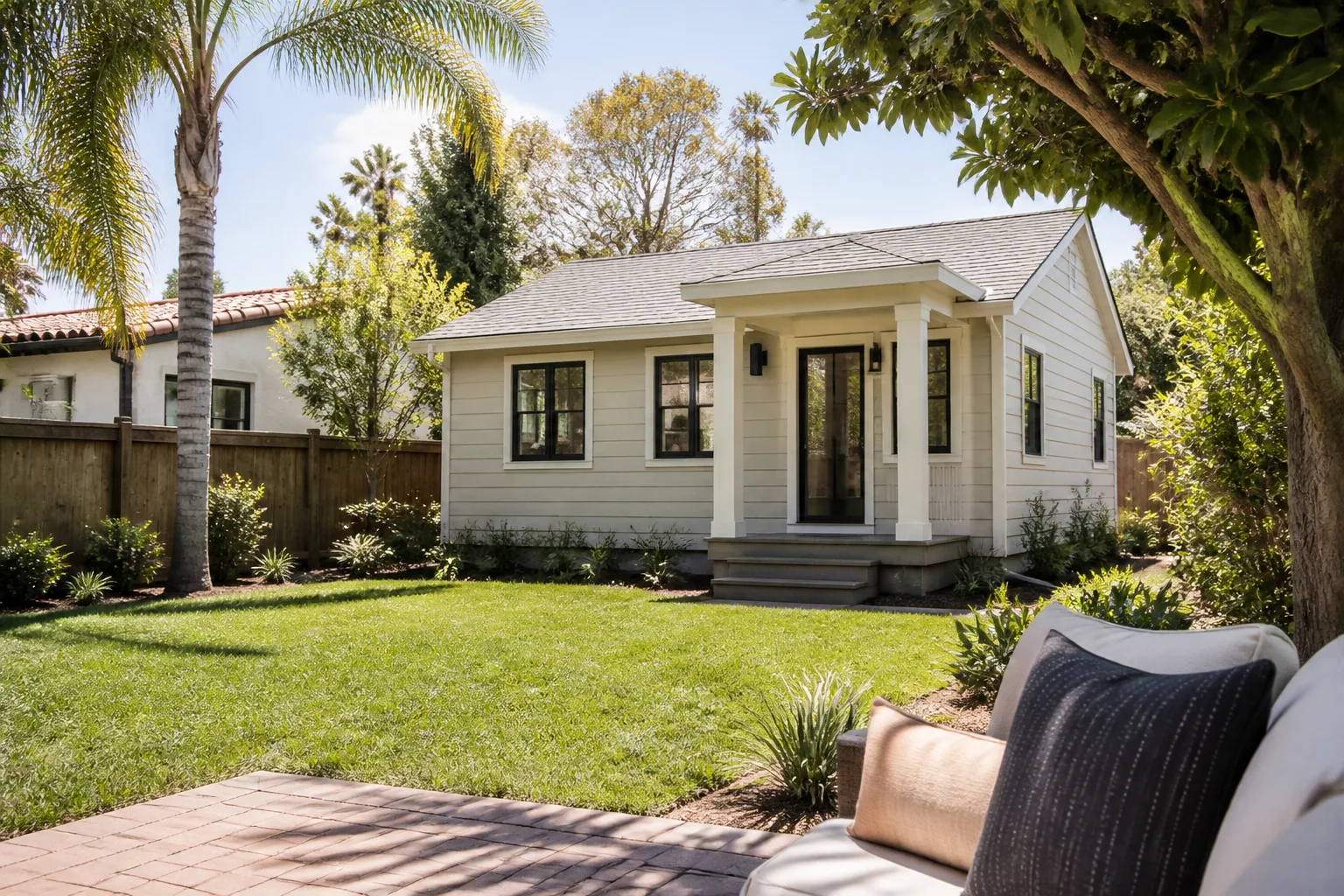
- Home additions & ADU
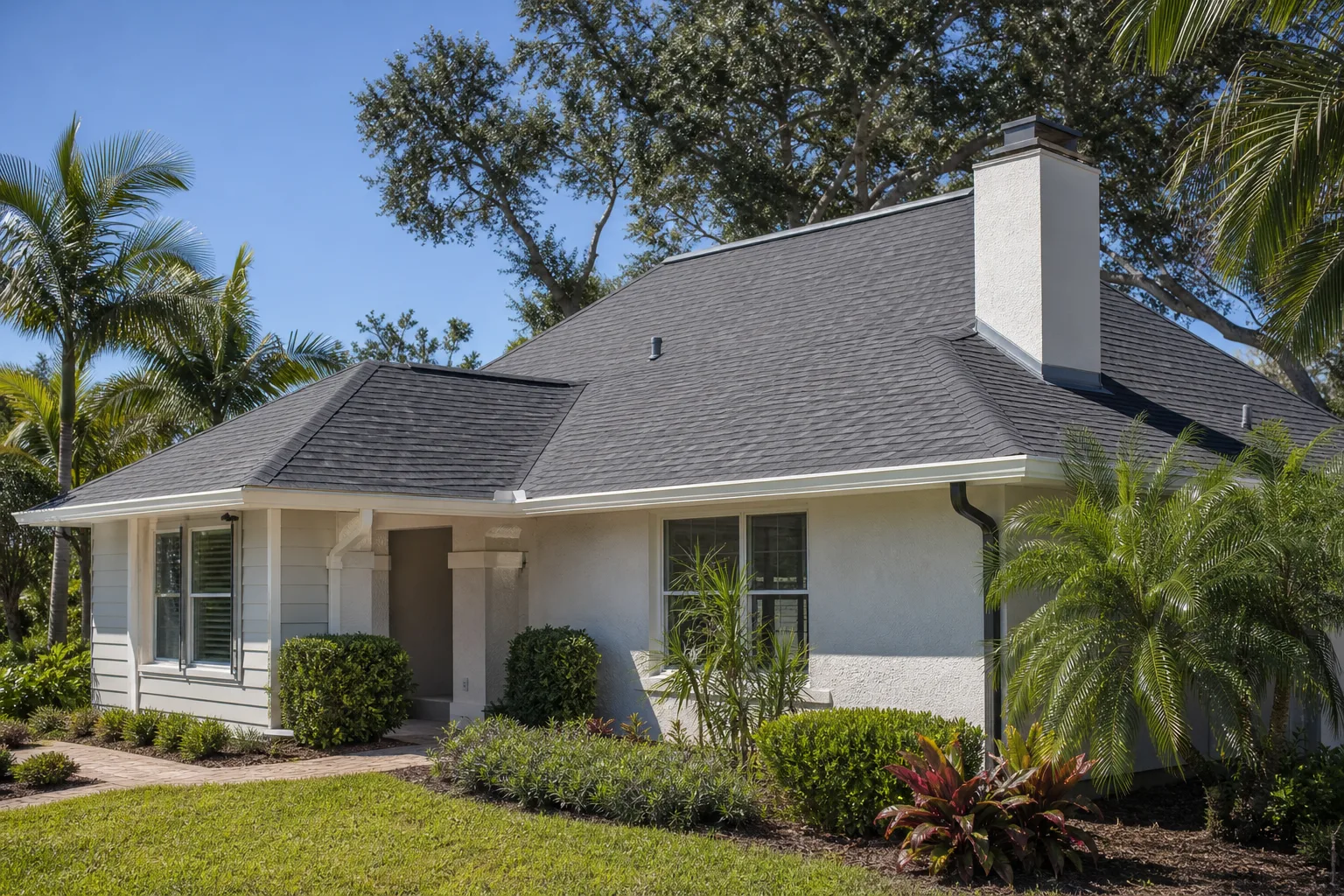
- Roofing
- Windows & doors
- Driveway & pavers
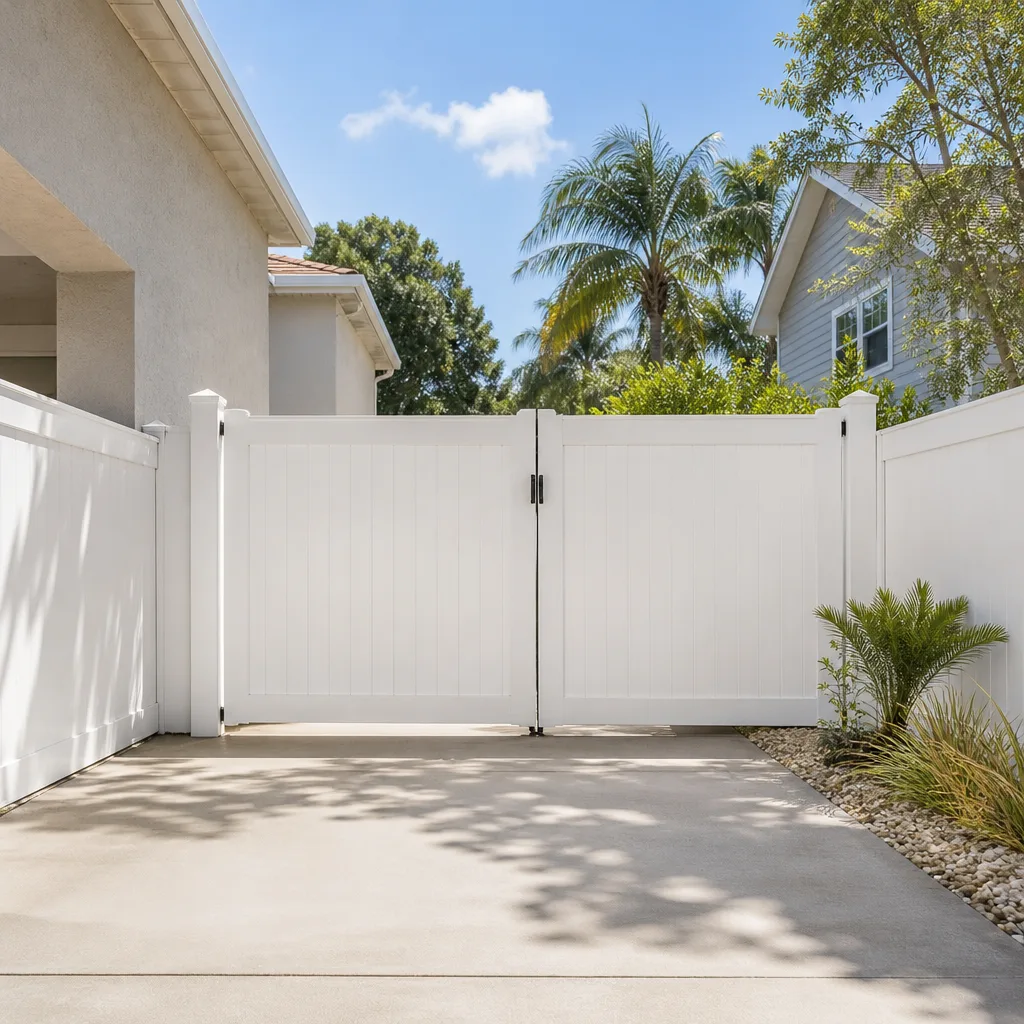
- Fence
Table of Contents
- How Wildfire Codes Touch Every Santa Rosa Project Now
- The Sonoma County Permit Office: What Slows You Down
- Why Santa Rosa’s Clay Soils Force Geotechnical Reports
- How to Read a Santa Rosa Contractor’s License History
- A Realistic Project Calendar for Santa Rosa Construction
- What Construction Costs in Santa Rosa
- Lessons From the Post-Tubbs Rebuild Era
- Common Mistakes to Avoid
How Wildfire Codes Touch Every Santa Rosa Project Now
The biggest misconception we hear from homeowners is that wildfire code only matters if your home burned or sits on a wildland edge. It doesn’t. Since 2017, Santa Rosa and Sonoma County have folded Wildland-Urban Interface (WUI) requirements into the review process for a wide range of projects across the city, including lots far from open hillsides. The code updates spread to everything from roof coverings to decking to window assembly, and they hit remodels and additions, not just new builds.
Here’s what those requirements mean in practical terms:
- Roofing assemblies generally need Class A fire-rated materials with specific underlayment and edge details. On a reroof, that often means a thicker underlayment and tighter eave and ridge treatment than a pre-2017 job required. This is one reason we install GAF and CertainShed systems rated for the local standard rather than whatever’s cheapest at the yard.
- Ember-resistant vents are now standard on foundation, attic, and soffit openings in many review zones. Small part, big line item if you didn’t plan for it.
- Decking and exterior siding carry ignition-resistance rules. James Hardie fiber cement is a common choice because it satisfies them without a cost premium over wood.
- Defensible space clearances (the first few feet around the structure) get reviewed on site plans. On a home addition, that can mean moving a planned footprint a few feet to keep a compliant zone.
None of this is negotiable, and skipping it is one of the most reliable ways to fail a final inspection. But the honest part: it also makes the structure genuinely safer, and those details are what a homeowner lives behind every summer. In our experience, the yards where a builder skipped the vent retrofit are the same ones where we get called back to correct things later. The permit inspector works for you, not for the builder, and that’s exactly why the inspection step matters.
The Sonoma County Permit Office: What Slows You Down
Permit review in Sonoma County is not the same as in a fast-track metro. A routine bath remodel might clear review in a few weeks. An addition or an ADU with a new footprint can take two to four months before the first inspection is scheduled. The single biggest cause of delay isn’t the office – it’s an incomplete submittal package that gets sent back for corrections. Knowing what triggers a pre-application meeting saves weeks.
Which projects need a pre-application meeting
- New single-family homes and ADUs on a lot with access, slope, or fire-zone complications.
- Hillside construction, including any grading over the small-emergency allowance.
- Lots in a mapped flood or geologically constrained area, which pulls in additional county departments.
- Commercial or multi-unit conversions and anything turning a garage into a dwelling.
What causes the most common delays
- Site plans that don’t show setbacks, defensible space, or easements clearly.
- Missing energy and structural calcs on a two-story addition or a new roof line.
- Submitting a kitchen remodel with a changed window size before the structural review is settled.
- Fire code review catching a deck or overhang encroachment late in the process.
A contractor who pulls permits on every eligible job walks into this office regularly and knows what triggers a correction. That’s part of why we build permit and inspection time into the schedule from day one rather than treating it as a surprise. A well-prepared submittal can turn a four-month review into six or eight weeks.
Why Santa Rosa’s Clay Soils Force Geotechnical Reports
Santa Rosa sits on a patchwork of soils, and several of our older neighborhoods – including parts of the west side and areas with expansive clay – fail a simple test: the soil moves when it gets wet and dries out. On a small repair, that’s annoying. On a foundation for an addition, an ADU, or a new home, it’s a permit-blocker. The county generally won’t let a foundation permit move forward without a geotechnical report confirming the site’s bearing capacity and drainage, because a foundation poured on reactive clay without proper footing and drainage details will move.
What the report involves, in plain terms:
- A soils engineer visits and samples. That’s a separate professional, not the builder. Expect a few borings and a written report with recommendations.
- The report specifies the foundation design. Footing depth, reinforcement, and site drainage get dictated by what the soil tells you.
- The builder builds to that spec and the county inspects against it.
We see this catch people on flat suburban lots that look simple. You can’t judge clay by eye. If you’re planning an addition or an ADU, budget for the geotechnical report early – it belongs in the pre-design phase, not the week before you hoped to dig. Getting this right up front is cheaper than fixing a settled foundation later, and that’s a promise we’re happy to put in writing.
How to Read a Santa Rosa Contractor’s License History
After the fire, the region saw a wave of out-of-area contractors who arrived, took deposits, and left. That leaves a lasting lesson we repeat to every homeowner: verify the license yourself before you sign anything. The California State License Board (CSLB) website lets you look up any contractor by name or license number, and it takes five minutes.
What to check on the CSLB record:
- Active status and the correct license classification for the work (general building, specialty, etc.).
- Bond and workers’ compensation status.
- Disciplinary actions and complaints – and specifically for Santa Rosa, look at the dates. A cluster of discipline tied to 2018-2021 is a red flag for a rebuild-era operator who overpromised.
- Business address that matches who you’re actually meeting.
The local disciplinary pattern to watch after the fire: complaints about incomplete jobs, abandonment mid-project, and unpermitted work done as “rebuild.” If a contractor tells you permits are optional, walk. The permit inspector is the person who protects you, and a builder who avoids that step has a reason. Our name, address, and license number are published so you can look them up before you sign – and you can ask anyone on your street who’s actually built here. If you’d like a second set of eyes on a written estimate, we offer a free second opinion on any written estimate.
A Realistic Project Calendar for Santa Rosa Construction
Sonoma County’s weather doesn’t cooperate with a “start anytime” schedule. Two seasonal forces dominate: the wet season, roughly November through April, which restricts grading and foundation work, and fire-season work stoppages in summer, which can pause certain outdoor and hot-work tasks. A project planned without these in mind runs over.
A rough month-by-month framework for a mid-sized project:
- Months 1 to 2 (design and permits). Drawings, structural calcs, geotech report if needed, submittal, and review. Do this in winter if you can, because you’re not digging yet anyway.
- Month 3 (early spring). Foundation and site work the moment soils dry out enough to grade and pour.
- Months 4 to 6. Framing, roofing, windows, and exterior skin – aim to get the structure weather-tight before the next wet season.
- Months 7 to 8. Interiors: mechanical, electrical, plumbing rough-in, then insulation, drywall, and finishes.
- Month 9 onward. Finishes, cabinets, and final inspections.
Two practical rules. First, don’t schedule foundation or grading for December through March if you can avoid it; a rainy dig can sit open and cost you. Second, build a small buffer around summer for possible fire-weather pauses. A builder who maps these restrictions from the start gives you a schedule you can trust, and a written change order if anything shifts.
What Construction Costs in Santa Rosa
Costs here run above the national average and above much of the state once you account for fire-rated materials, extended permit review, and site-specific foundation work. Ranges below are typical for Santa Rosa and vary with site conditions and finish level. A written line-item quote is the only number you should plan against – phone estimates aren’t.
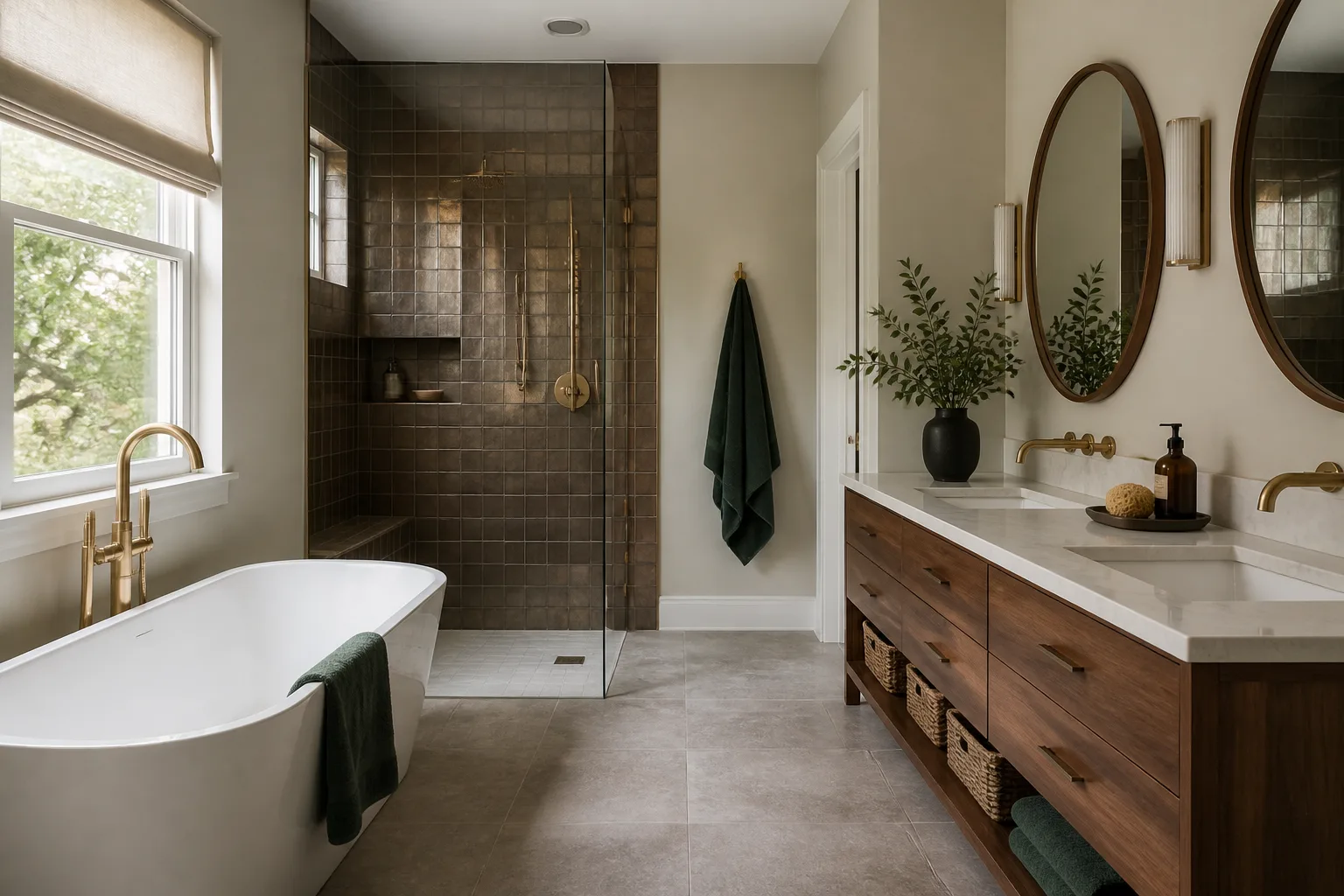
- Bathroom remodel: roughly $18,000 to $40,000, higher with layout changes and fire-rated exterior detailing.
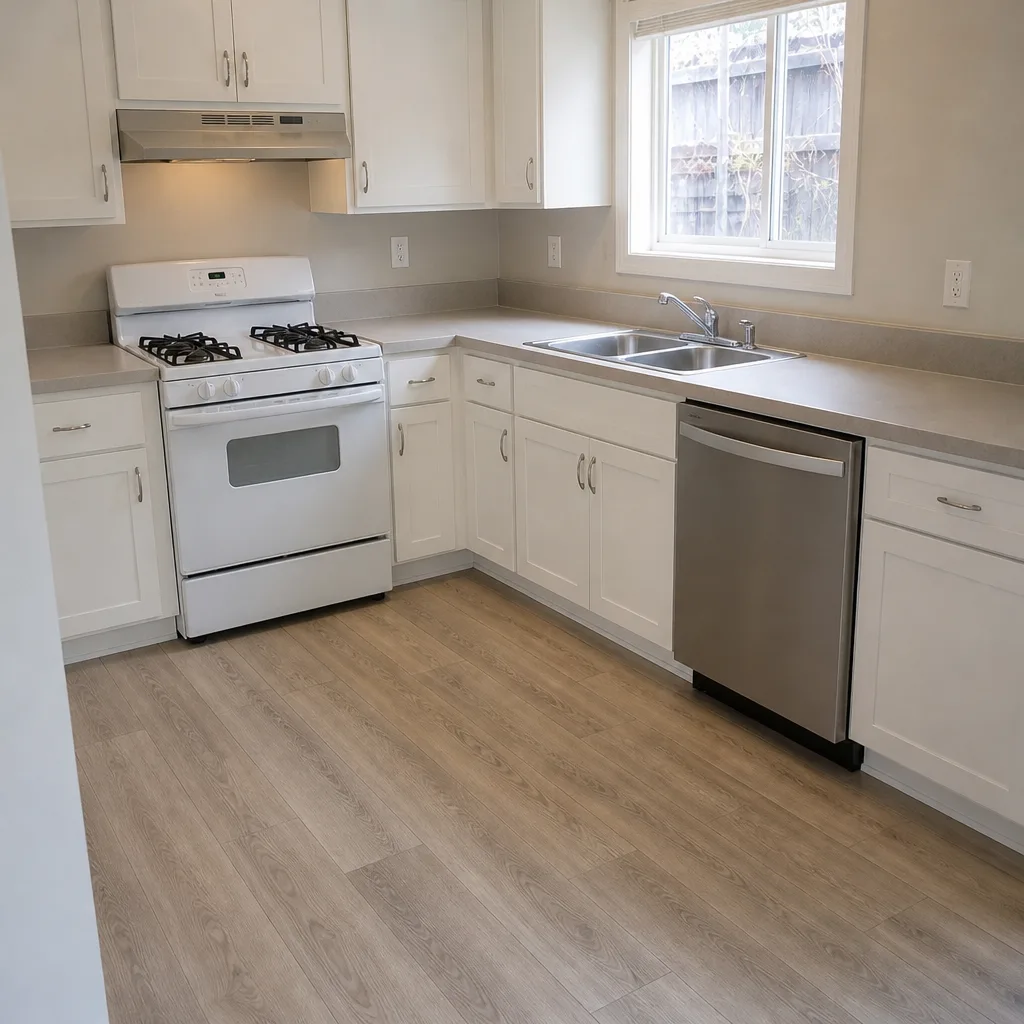
- Kitchen remodel: roughly $30,000 to $80,000+, with cabinetry like KraftMaid and countertops like Cambria driving the top of the range.
- Roof replacement: priced per square; fire-rated assemblies add to the base.
- ADU or addition: roughly $200 to $400+ per square foot once foundation, geotech, and WUI detailing are included.
- Driveway and pavers: priced per square foot, with base prep as the variable that matters most.
Compare a written estimate across three contractors and expect the lowest to be missing scope. The line that disappears most often is the one nobody noticed: an allowance for a door or a window that turns into a surprise bill. Scope in writing, allowances in writing, change orders in writing – that’s the discipline that keeps a Santa Rosa project on budget. For a closer look at paving and driveways specifically, our Driveway & Pavers in Santa Rosa page breaks down base prep and materials.
Lessons From the Post-Tubbs Rebuild Era
The rebuild taught the whole county hard lessons, and the ones that stuck are the ones every homeowner can use. The first: paperwork is protection. Jobs that got done right had scopes and change orders in writing; jobs that went sideways had phone promises. The second: verify the builder, not the brochure. The third: the inspector is on your side. When you’re planning anything in Santa Rosa today, those three rules are still the difference between a finished project and a cautionary tale.
The rebuild also left a genuinely better building stock in its wake. Homes that went through the process now meet a higher fire-resistance standard, and the tradespeople who weathered it know the county’s requirements cold. That expertise carries into fences, decks, additions, and ADUs today. If you’re rebuilding a fence, our Fence Installation in Santa Rosa page covers the material and setback considerations that come up in the review. If you’re adding living space, Home Additions & ADU in Santa Rosa walks through the geotech and permit path. And for a full picture of how we approach any job, start at the Barrett & Sons Construction Santa Rosa home. Every eligible job we take pulls permits and passes inspection, because getting it right the first time is the only schedule that works.
One more lesson worth passing along: background check the people who show up. A crew that carries the company’s name is a crew the company vets. We background-check the people we send, and we carry that line through every trade we touch.
Common Mistakes to Avoid
- Treating permits as optional. The fastest way to fail a final inspection and get a resale headached later is to skip permits. In Santa Rosa, with the WUI code in play, an unpermitted remodel can be a costly surprise at sale.
- Accepting a phone quote as a price. A number given without scope is a guess. Get it in writing, with allowances listed, before you sign.
- Starting foundation work in the rainy season. A December dig that gets rained out sits open and costs you time. Plan grading and pours for dry months.
- Skipping the geotechnical report on an “easy” lot. Clay hides. An addition or ADU on reactive soils without a geotech report is a settled foundation waiting to happen.
- Not checking the CSLB record. Five minutes on the state site can save a five-figure mistake.
- Assuming wildfire code only applies if you burned. The WUI requirements touch properties across Santa Rosa, and they affect roofs, vents, and decks even on remodels.
- Planning for a fixed timeline without weather and fire-season buffers. A schedule that ignores Sonoma County’s seasons runs over every time.
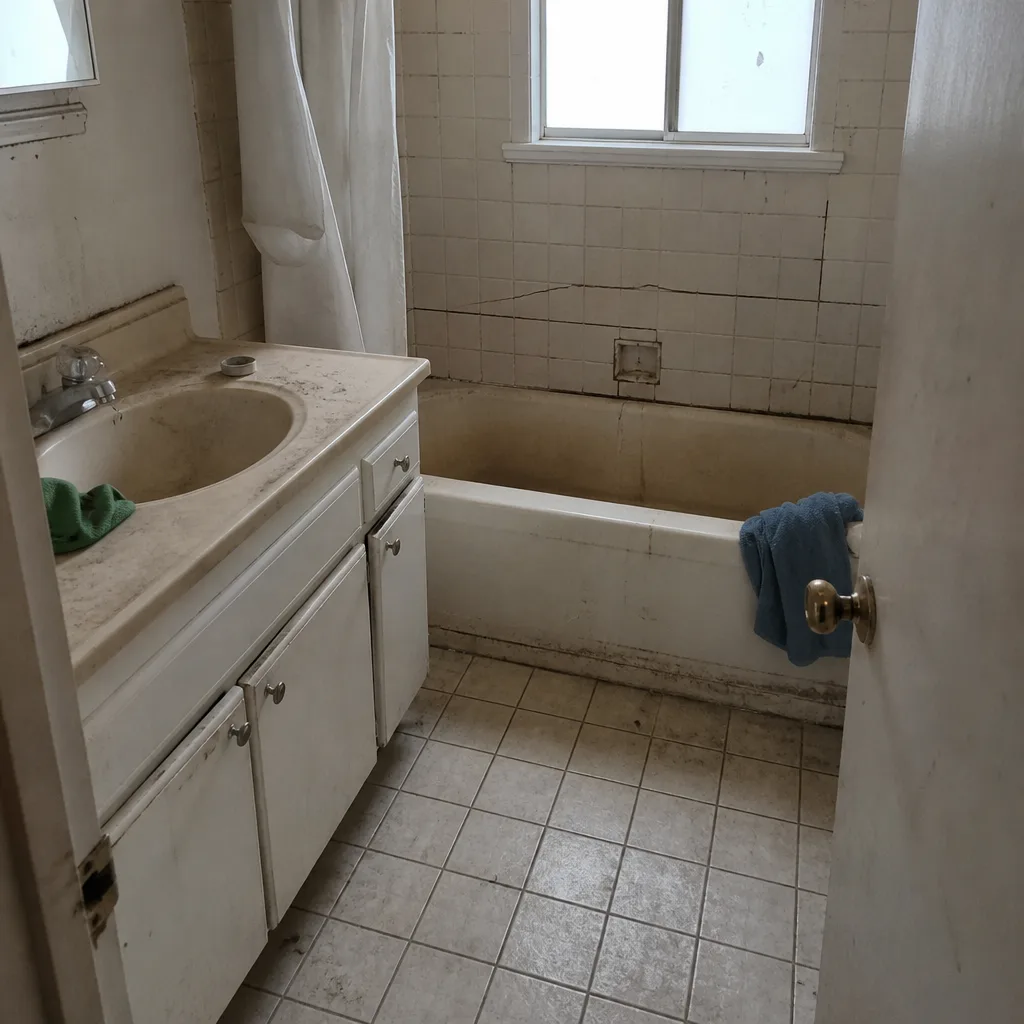
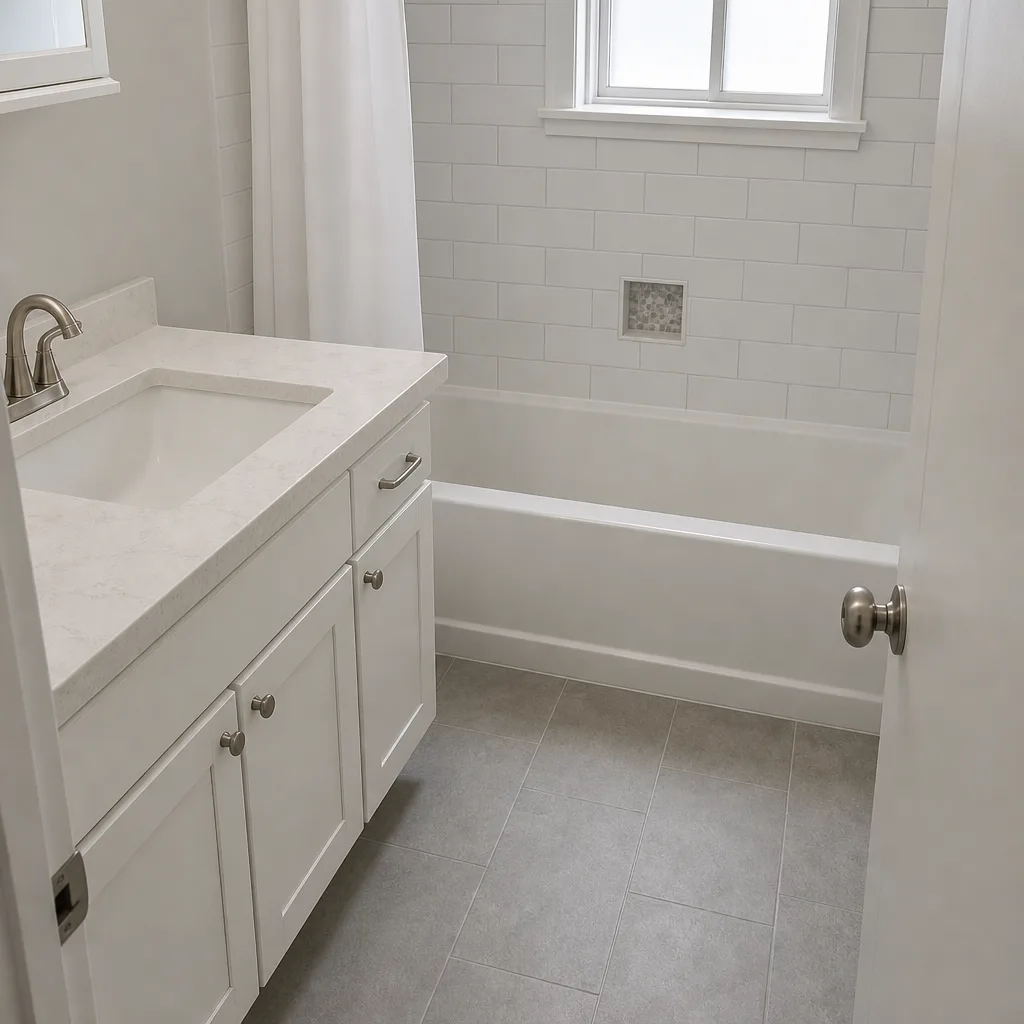
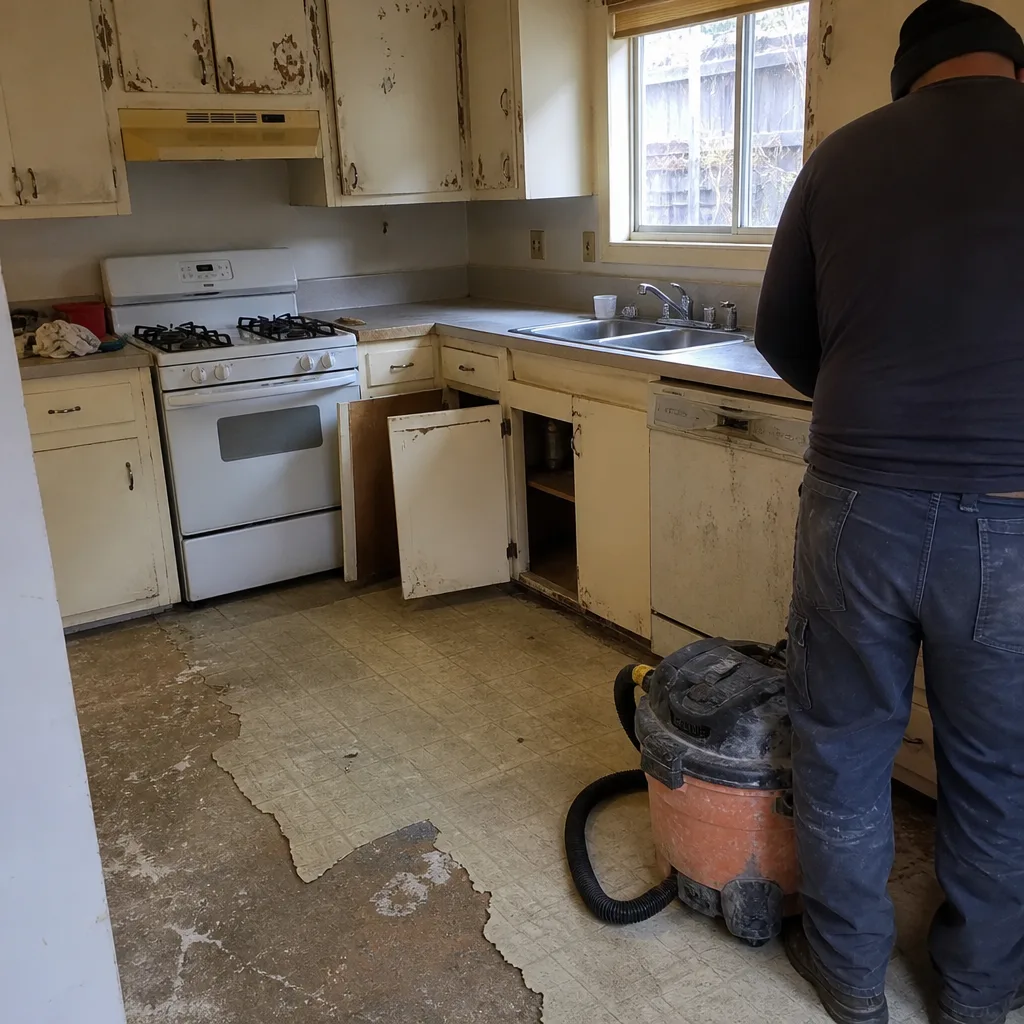
See the difference
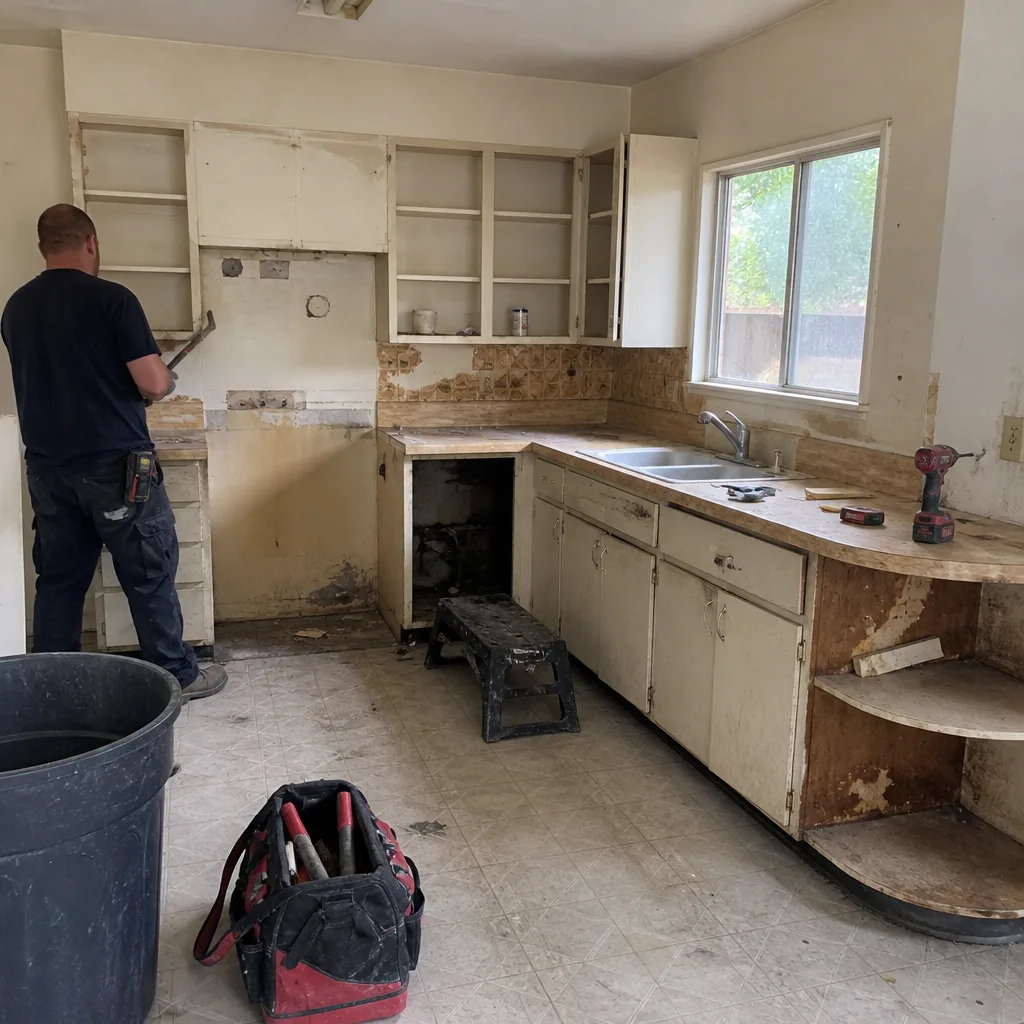 Before
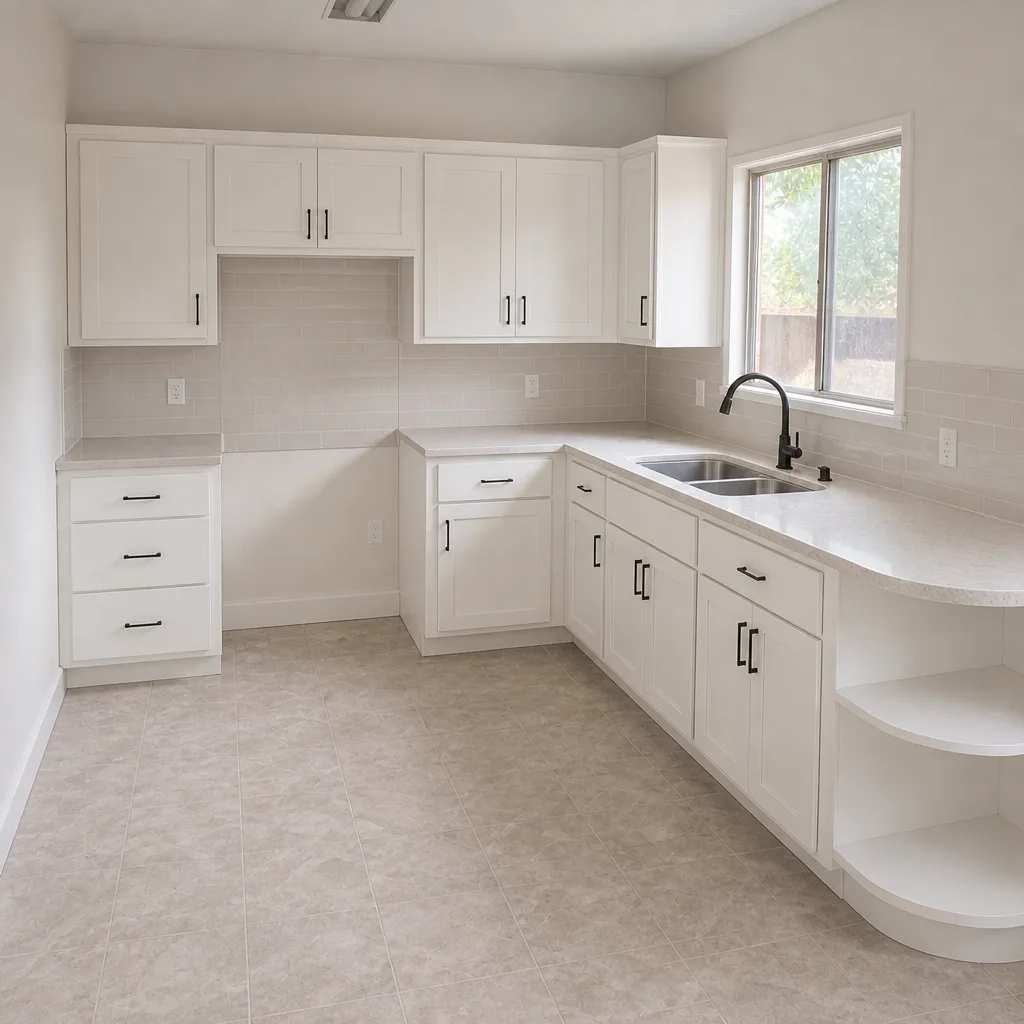 After
 Before
 After
 Before
 After
When to Call a Professional
Some work you can handle yourself. But when a project crosses into structural changes, foundations, electrical, gas, roofing at height, or anything that needs a permit, it’s a job for a licensed crew. In our experience, the calls we take most often start with a homeowner who tried to go it alone and hit a wall at the inspection step. If you’re adding a footprint, opening a wall, replacing a roof, or anything within a WUI review zone, call a professional who understands exactly what the county will ask for. A roof replacement deserves a trained roofer because the height and the fire-rated assembly details are genuinely dangerous to get wrong. Electrical and gas work likewise. If your project touches any of those, stop and get a licensed contractor in. Our team brings up to 28 years of experience per technician and builds to spec on every job. Barrett & Sons Construction Santa Rosa offers free estimates in Santa Rosa – call (866) 864-4083.
Frequently Asked Questions
A straightforward remodel typically takes four to eight weeks in review, while an addition or ADU with a new footprint can run two to four months, and pre-application meetings on complex lots can add weeks. The biggest variable is the completeness of the submittal package. Call (866) 864-4083 for a free estimate and we’ll map your permit timeline up front.
Often yes, particularly on expansive clay soils that show up across parts of Santa Rosa, because the county generally won’t approve a foundation permit without one. The report confirms bearing capacity and dictates footing design. Budget for it in early planning – the cost is far less than a settled foundation. Call (866) 864-4083 and we’ll help you sort out what your lot needs.
Yes, in many cases. The county has folded WUI requirements – fire-rated roofs, ember-resistant vents, defensible space on site plans – into review for a range of projects, including remodels and additions on lots that never burned. It’s not optional, and skipping it fails inspection. Call (866) 864-4083 for an exact read on your property.
Look up the contractor’s license on the CSLB website, confirm active status, bond, and workers’ comp, and review any disciplinary history – post-fire complaints about abandoned or incomplete jobs are the pattern to watch for. Then ask for a written scope. A contractor who avoids permits or paperwork has a reason. Call (866) 864-4083 to schedule a free estimate with a name you can look up yourself.
It should only change with a written change order you sign before the work happens. Surprise invoices and disappearing allowances are avoidable if every scope change is documented. Our price changes always arrive in writing first. Call (866) 864-4083 for a free estimate, and ask for the line-item version.
Start design and permits in the wet season (late fall through winter) so foundation and grading can run in spring and early summer dry months, aiming to get the structure weather-tight before the next rainy season. Summer can bring fire-weather pauses, so build a buffer. A schedule that respects Sonoma County seasons finishes on time. Call (866) 864-4083 for a realistic project calendar.
The Bottom Line
Building in Santa Rosa is its own animal. Wildfire code now touches rooftops, vents, and decks across properties that never burned. Sonoma County permit review rewards a complete submittal and punishes shortcuts. Clay soils force geotechnical reports before foundations. And the seasons – wet winters and fire-restricted summers – set the real schedule. Get the paperwork right, verify the license, and plan for the calendar. None of this requires paying the most, and all of it requires a contractor who answers the phone, puts scope in writing, and shows up when they say they will. That’s the work we do, and we’re glad to give you a straight answer before you commit to anything.
Ready to price a project? Barrett & Sons Construction Santa Rosa offers free estimates in Santa Rosa – call (866) 864-4083 to schedule yours. Ask about the free second opinion on any written estimate, our no trip charge inside the county, and the standing senior and veteran discount.
Written by the team at Barrett & Sons Construction Santa Rosa.